
OBR Defends Chancellor's Budget Speech Amidst Treasury Leak Concerns
In This Article
HIGHLIGHTS
- The Office for Budget Responsibility (OBR) confirmed that Chancellor Rachel Reeves's comments on the challenging state of public finances were consistent with their forecasts.
- Prof David Miles from the OBR highlighted concerns over media leaks that spread misconceptions about economic forecasts before the Budget announcement.
- Richard Hughes resigned as OBR chair following an early release of budget documents, though the government denies he was forced out.
- The OBR clarified that while the fiscal outlook was challenging, it was not misleading for Reeves to emphasize this in her pre-Budget speech.
- The Budget included £26bn in tax rises, with significant measures like extending the freeze on income tax thresholds and scrapping the two-child benefit cap.
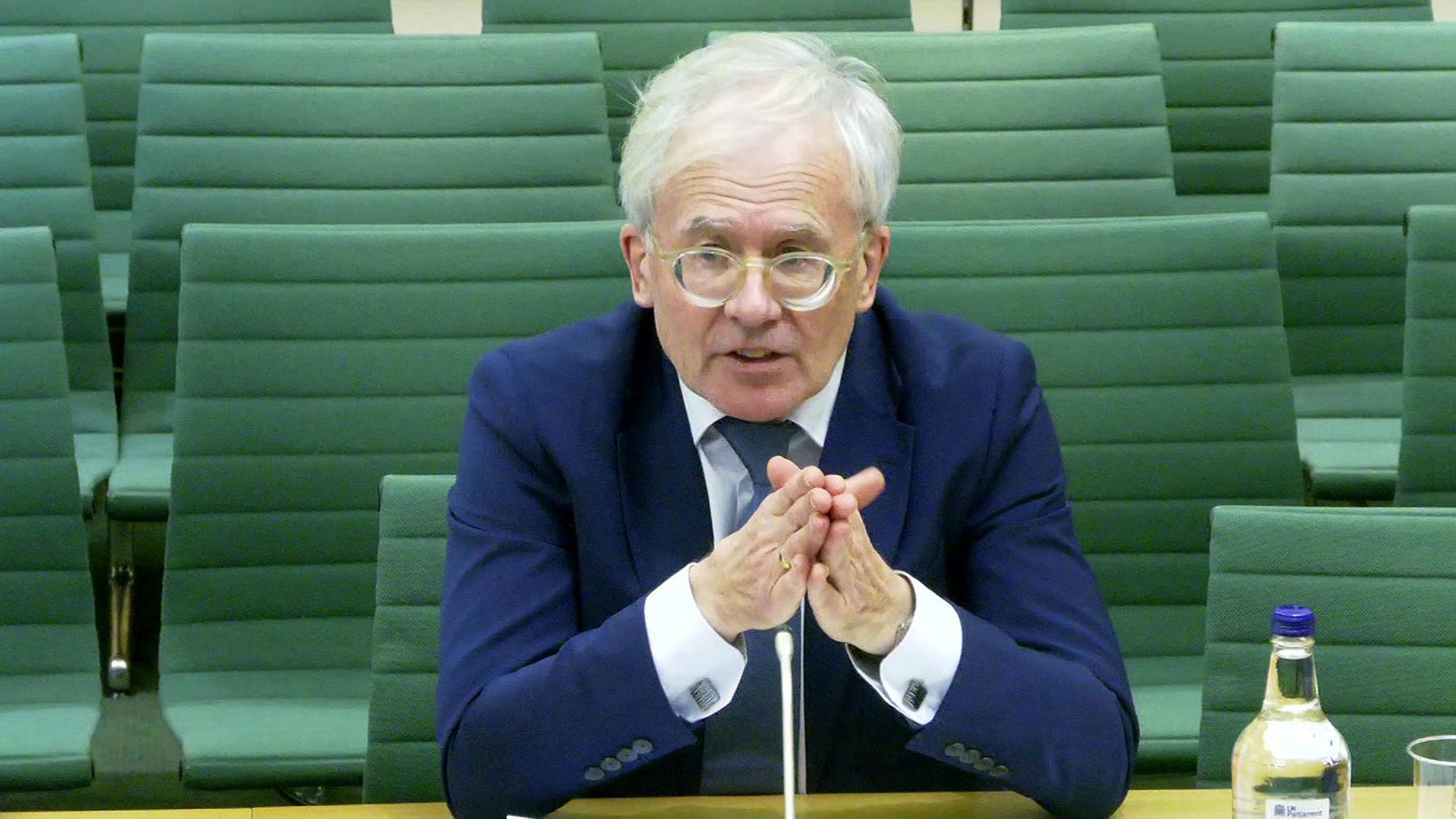
In the wake of the UK's recent Budget announcement, the Office for Budget Responsibility (OBR) has defended Chancellor Rachel Reeves's portrayal of the nation's economic challenges. Prof David Miles, a senior official at the OBR, assured Members of Parliament that Reeves's statements about the public finances being "very challenging" were aligned with the economic forecasts provided by the OBR.
Concerns Over Media Leaks
Prof Miles revealed that the OBR had raised concerns with the Treasury about a series of leaks that led to misconceptions about the economic forecasts. These leaks, which occurred in the lead-up to the Budget, were deemed unhelpful by the OBR, as they contributed to a distorted public perception of the fiscal situation. Despite these issues, Miles emphasized that the OBR was not in conflict with the Treasury.
Resignation of OBR Chair
The situation was further complicated by the resignation of Richard Hughes, the OBR's chair, following the premature release of budget documents. While the government insists that Hughes was not pressured to resign, his departure has added to the controversy surrounding the Budget process. The OBR took the unusual step of publishing a letter to clarify the evolution of its forecasts, aiming to correct any false impressions.
Budget Highlights and Economic Context
The Budget, announced last week, included £26 billion in tax increases, with measures such as extending the freeze on income tax and National Insurance thresholds for three more years. Additionally, the two-child benefit cap was scrapped. Reeves had previously warned of a downgrade in the UK's economic productivity, which she suggested would impact public finances through lower tax receipts. However, it later emerged that higher wages were expected to offset this downgrade, improving the fiscal outlook by £4.2 billion.
WHAT THIS MIGHT MEAN
Moving forward, the UK government faces the challenge of managing public perception and ensuring transparency in its economic communications. The OBR's role in providing independent forecasts remains crucial, and its relationship with the Treasury will be under scrutiny. Politically, the government must navigate the implications of the Budget measures, balancing fiscal responsibility with public expectations. As the economic landscape evolves, the effectiveness of these policies will be closely monitored, potentially influencing future fiscal strategies and political dynamics.
Images from the Web
Related Articles

Middle East Conflict Drives UK Energy Prices to New Highs
UK Achieves Record Budget Surplus Amid Calls for Fiscal Policy Reform

Government Announces £4 Billion Overhaul of SEND Support in England

UK Government Announces Major Overhaul of SEND System with £3.4 Billion Investment
Prince Andrew's Ties to Epstein Under Scrutiny Amid Calls for Inquiry

Government Criticized for Mishandling Maccabi Tel Aviv Fan Ban
OBR Defends Chancellor's Budget Speech Amidst Treasury Leak Concerns
In This Article
 Daniel Rivera| Published
 HIGHLIGHTS
- The Office for Budget Responsibility (OBR) confirmed that Chancellor Rachel Reeves's comments on the challenging state of public finances were consistent with their forecasts.
- Prof David Miles from the OBR highlighted concerns over media leaks that spread misconceptions about economic forecasts before the Budget announcement.
- Richard Hughes resigned as OBR chair following an early release of budget documents, though the government denies he was forced out.
- The OBR clarified that while the fiscal outlook was challenging, it was not misleading for Reeves to emphasize this in her pre-Budget speech.
- The Budget included £26bn in tax rises, with significant measures like extending the freeze on income tax thresholds and scrapping the two-child benefit cap.
In the wake of the UK's recent Budget announcement, the Office for Budget Responsibility (OBR) has defended Chancellor Rachel Reeves's portrayal of the nation's economic challenges. Prof David Miles, a senior official at the OBR, assured Members of Parliament that Reeves's statements about the public finances being "very challenging" were aligned with the economic forecasts provided by the OBR.
Concerns Over Media Leaks
Prof Miles revealed that the OBR had raised concerns with the Treasury about a series of leaks that led to misconceptions about the economic forecasts. These leaks, which occurred in the lead-up to the Budget, were deemed unhelpful by the OBR, as they contributed to a distorted public perception of the fiscal situation. Despite these issues, Miles emphasized that the OBR was not in conflict with the Treasury.
Resignation of OBR Chair
The situation was further complicated by the resignation of Richard Hughes, the OBR's chair, following the premature release of budget documents. While the government insists that Hughes was not pressured to resign, his departure has added to the controversy surrounding the Budget process. The OBR took the unusual step of publishing a letter to clarify the evolution of its forecasts, aiming to correct any false impressions.
Budget Highlights and Economic Context
The Budget, announced last week, included £26 billion in tax increases, with measures such as extending the freeze on income tax and National Insurance thresholds for three more years. Additionally, the two-child benefit cap was scrapped. Reeves had previously warned of a downgrade in the UK's economic productivity, which she suggested would impact public finances through lower tax receipts. However, it later emerged that higher wages were expected to offset this downgrade, improving the fiscal outlook by £4.2 billion.
WHAT THIS MIGHT MEAN
Moving forward, the UK government faces the challenge of managing public perception and ensuring transparency in its economic communications. The OBR's role in providing independent forecasts remains crucial, and its relationship with the Treasury will be under scrutiny. Politically, the government must navigate the implications of the Budget measures, balancing fiscal responsibility with public expectations. As the economic landscape evolves, the effectiveness of these policies will be closely monitored, potentially influencing future fiscal strategies and political dynamics.
Images from the Web
Related Articles
Middle East Conflict Drives UK Energy Prices to New Highs
UK Achieves Record Budget Surplus Amid Calls for Fiscal Policy Reform
Government Announces £4 Billion Overhaul of SEND Support in England
UK Government Announces Major Overhaul of SEND System with £3.4 Billion Investment
Prince Andrew's Ties to Epstein Under Scrutiny Amid Calls for Inquiry
Government Criticized for Mishandling Maccabi Tel Aviv Fan Ban