
Peter Mandelson Resigns from Labour Amid Epstein Scandal
In This Article
HIGHLIGHTS
- Peter Mandelson resigned from the Labour Party to prevent further embarrassment over his links to Jeffrey Epstein.
- Documents suggest Epstein made $75,000 in payments to Mandelson, which he claims to have no recollection of.
- Mandelson attempted to influence UK government policy on bankers' bonuses at Epstein's request in 2009.
- UK Prime Minister Keir Starmer emphasized the importance of sharing information related to Epstein's crimes.
- Calls have been made for Mandelson and Andrew Mountbatten-Windsor to testify about their knowledge of Epstein's activities.
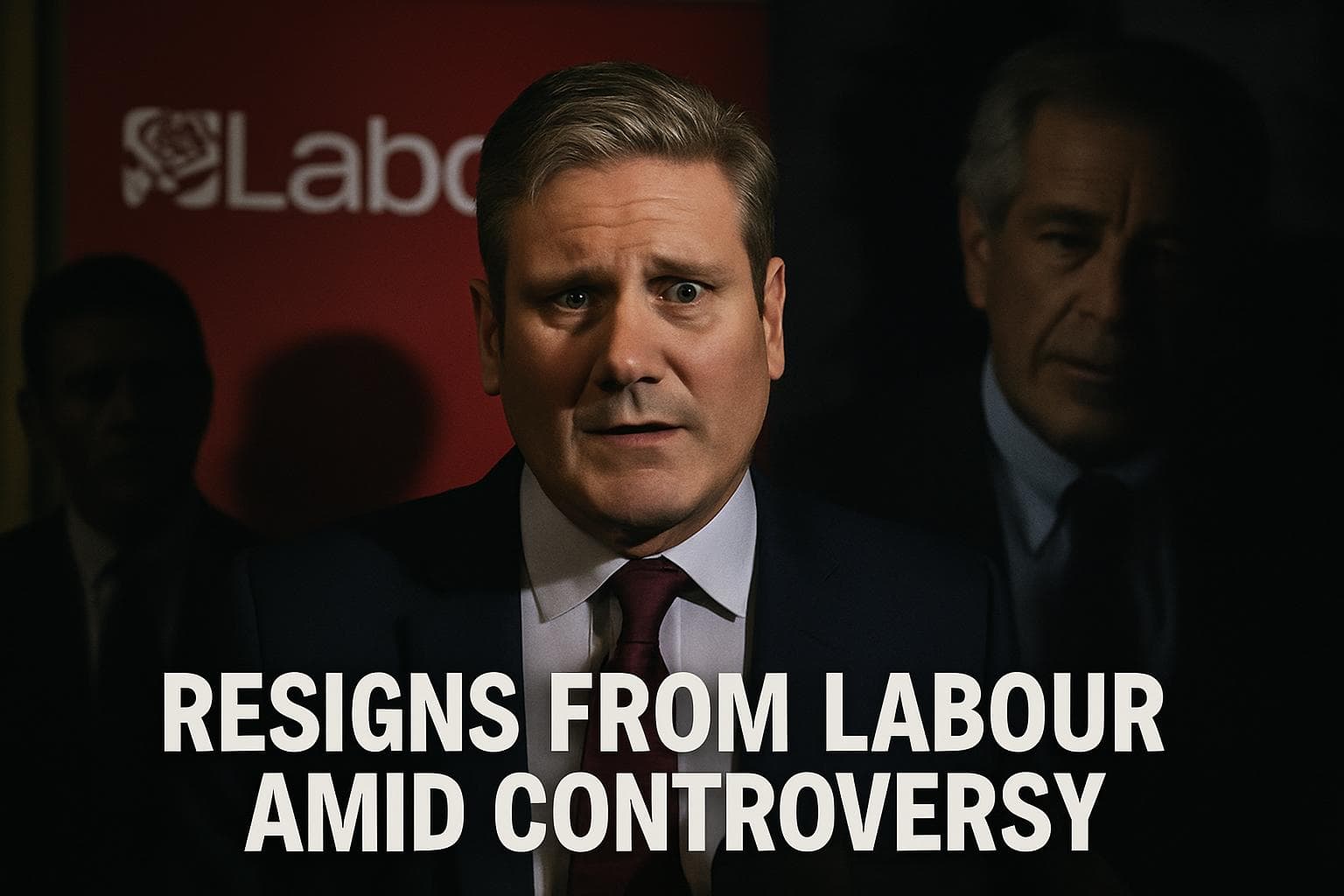
Peter Mandelson, a prominent figure in UK politics, has resigned from the Labour Party following revelations about his connections to the late financier Jeffrey Epstein. Mandelson, who served as business secretary under Gordon Brown, cited his desire to avoid causing "further embarrassment" to the party as the reason for his departure.
Financial Links and Policy Influence
Recent documents released by the US Department of Justice suggest that Epstein made three payments totaling $75,000 to Mandelson in 2003 and 2004. Mandelson has denied any recollection of these transactions, questioning the authenticity of the documents. Additionally, emails from 2009 reveal Mandelson's attempts to alter UK government policy on bankers' bonuses at Epstein's behest. At the time, Mandelson was trying to amend a policy imposing a 50% tax on bonuses over £25,000, stating that his actions reflected the broader financial sector's concerns.
Political Repercussions and Calls for Testimony
The scandal has sparked significant political fallout, with Prime Minister Keir Starmer underscoring the need for transparency and urging anyone with information about Epstein's crimes to come forward. This includes Andrew Mountbatten-Windsor, whose friendship with Epstein has also come under renewed scrutiny. Gloria Allred, a lawyer representing Epstein's victims, has called for Andrew to testify, emphasizing the potential value of his insights in unraveling Epstein's network.
Mandelson's Apology and Resignation
In his resignation letter to Labour's general secretary, Mandelson expressed regret for his association with Epstein and apologized to the women and girls affected by Epstein's actions. He reiterated his commitment to the Labour Party's values, stating that his resignation was in its best interests. The Conservative Party has criticized Starmer for not taking more decisive action against Mandelson, calling for an independent investigation into his past appointments.
WHAT THIS MIGHT MEAN
The resignation of Peter Mandelson from the Labour Party marks a significant moment in UK politics, with potential implications for both the party and ongoing investigations into Jeffrey Epstein's network. Mandelson's departure could lead to increased scrutiny of other political figures linked to Epstein, potentially resulting in further resignations or testimonies. The calls for Andrew Mountbatten-Windsor to testify may also gain momentum, particularly if US authorities intensify their investigations. As the situation unfolds, the Labour Party will need to navigate the political fallout carefully, balancing transparency with the need to protect its reputation.
Images from the Web


Related Articles

Labour MP's Husband Arrested in UK-China Espionage Probe

UK Government to Reform Asylum Seeker Support and Employment Policies

UK Faces Dilemmas Amid Iran Conflict and China Spying Allegations

UK-Iran Tensions: Starmer Defends Cautious Approach Amid Trump Criticism
Prince Andrew's Ties to Epstein Under Scrutiny Amid Calls for Inquiry
Prince Andrew's Arrest Intensifies Scrutiny on Royal Succession and Prince William's Future Role
Peter Mandelson Resigns from Labour Amid Epstein Scandal
In This Article
 Ethan Brooks| Published
 HIGHLIGHTS
- Peter Mandelson resigned from the Labour Party to prevent further embarrassment over his links to Jeffrey Epstein.
- Documents suggest Epstein made $75,000 in payments to Mandelson, which he claims to have no recollection of.
- Mandelson attempted to influence UK government policy on bankers' bonuses at Epstein's request in 2009.
- UK Prime Minister Keir Starmer emphasized the importance of sharing information related to Epstein's crimes.
- Calls have been made for Mandelson and Andrew Mountbatten-Windsor to testify about their knowledge of Epstein's activities.
Peter Mandelson, a prominent figure in UK politics, has resigned from the Labour Party following revelations about his connections to the late financier Jeffrey Epstein. Mandelson, who served as business secretary under Gordon Brown, cited his desire to avoid causing "further embarrassment" to the party as the reason for his departure.
Financial Links and Policy Influence
Recent documents released by the US Department of Justice suggest that Epstein made three payments totaling $75,000 to Mandelson in 2003 and 2004. Mandelson has denied any recollection of these transactions, questioning the authenticity of the documents. Additionally, emails from 2009 reveal Mandelson's attempts to alter UK government policy on bankers' bonuses at Epstein's behest. At the time, Mandelson was trying to amend a policy imposing a 50% tax on bonuses over £25,000, stating that his actions reflected the broader financial sector's concerns.
Political Repercussions and Calls for Testimony
The scandal has sparked significant political fallout, with Prime Minister Keir Starmer underscoring the need for transparency and urging anyone with information about Epstein's crimes to come forward. This includes Andrew Mountbatten-Windsor, whose friendship with Epstein has also come under renewed scrutiny. Gloria Allred, a lawyer representing Epstein's victims, has called for Andrew to testify, emphasizing the potential value of his insights in unraveling Epstein's network.
Mandelson's Apology and Resignation
In his resignation letter to Labour's general secretary, Mandelson expressed regret for his association with Epstein and apologized to the women and girls affected by Epstein's actions. He reiterated his commitment to the Labour Party's values, stating that his resignation was in its best interests. The Conservative Party has criticized Starmer for not taking more decisive action against Mandelson, calling for an independent investigation into his past appointments.
WHAT THIS MIGHT MEAN
The resignation of Peter Mandelson from the Labour Party marks a significant moment in UK politics, with potential implications for both the party and ongoing investigations into Jeffrey Epstein's network. Mandelson's departure could lead to increased scrutiny of other political figures linked to Epstein, potentially resulting in further resignations or testimonies. The calls for Andrew Mountbatten-Windsor to testify may also gain momentum, particularly if US authorities intensify their investigations. As the situation unfolds, the Labour Party will need to navigate the political fallout carefully, balancing transparency with the need to protect its reputation.
Images from the Web
Related Articles
Labour MP's Husband Arrested in UK-China Espionage Probe
UK Government to Reform Asylum Seeker Support and Employment Policies
UK Faces Dilemmas Amid Iran Conflict and China Spying Allegations
UK-Iran Tensions: Starmer Defends Cautious Approach Amid Trump Criticism
Prince Andrew's Ties to Epstein Under Scrutiny Amid Calls for Inquiry
Prince Andrew's Arrest Intensifies Scrutiny on Royal Succession and Prince William's Future Role