
Pipe Bomb Suspect Confesses to Planting Explosives Before January 6 Riot
In This Article
HIGHLIGHTS
- Brian Cole Jr., 30, confessed to planting pipe bombs outside the Republican and Democratic national headquarters on January 5, 2021.
- Cole's lawyers argue for his release pending trial, citing his autism spectrum disorder and lack of criminal history.
- The bombs, which did not detonate, were discovered amid the January 6 Capitol riot, but Cole denies any connection to the event.
- Prosecutors revealed Cole learned bomb-making from YouTube and video games, and he was relieved the devices did not explode.
- Cole's motive stemmed from political dissatisfaction, influenced by historical events like the Troubles in Northern Ireland.
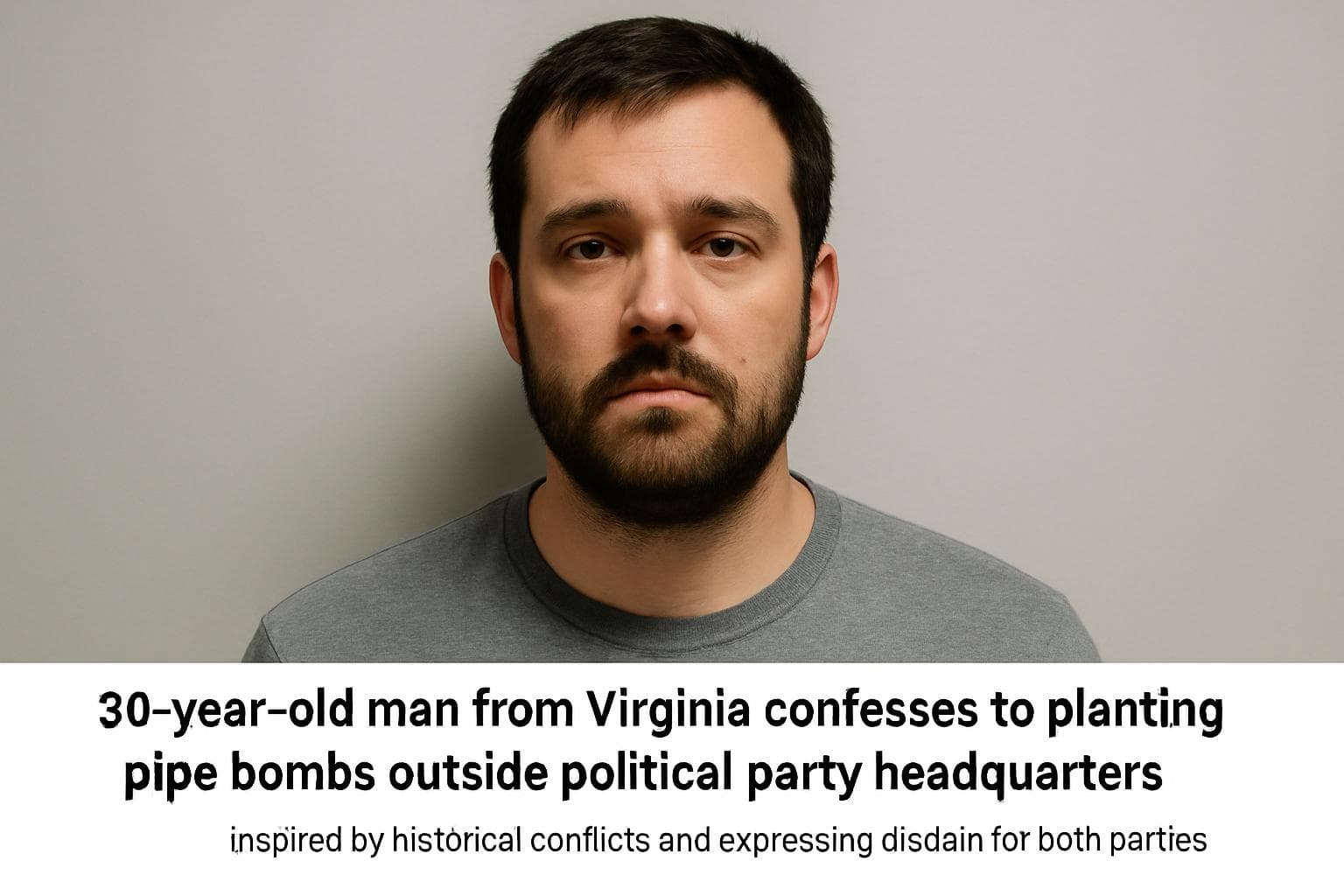
In a significant development in the investigation surrounding the January 6 Capitol riot, Brian Cole Jr., a 30-year-old from Woodbridge, Virginia, has confessed to planting pipe bombs outside the national headquarters of both the Republican and Democratic parties on the night before the insurrection. This revelation comes after a five-year investigation that had previously gone cold.
Confession and Legal Proceedings
According to court filings, Cole admitted to assembling and placing the explosives, citing a moment of emotional turmoil as his motivation. "Something just snapped," he reportedly told federal agents, expressing his frustration with the political climate. Despite his confession, Cole has not yet entered a formal plea. His lawyers are advocating for his release pending trial, emphasizing his autism spectrum disorder and obsessive-compulsive disorder, alongside his clean criminal record.
The Bombs and Their Discovery
The pipe bombs, which were discovered on January 6, 2021, did not detonate, a fact that Cole expressed relief over, stating he "didn't want to kill people." Prosecutors noted that Cole had acquired bomb-making knowledge from online sources and video games, and had not tested the devices prior to planting them. The discovery of the bombs coincided with the violent protests aimed at halting the certification of President Joe Biden's election victory over Donald Trump.
Motives and Historical Influences
Cole's actions were reportedly not directly linked to the congressional proceedings on January 6. Instead, he expressed a general disdain for both political parties, drawing inspiration from historical conflicts such as the Troubles in Northern Ireland. "I really don't like either party at this point," he told agents, underscoring his disillusionment with the political system.
Court Hearing and Defense Arguments
During a recent federal detention hearing, Cole's defense team argued for his release, proposing home detention with GPS monitoring under the supervision of a relative. They highlighted the absence of any harm caused by the undetonated bombs and assured the court of Cole's non-threatening nature. However, federal prosecutors remain firm in their stance, pointing to the potential danger posed by Cole's actions.
WHAT THIS MIGHT MEAN
As the case against Brian Cole Jr. progresses, the court's decision on his pre-trial detention could set a precedent for how similar cases are handled, particularly those involving individuals with mental health considerations. If released under home detention, it may influence future defense strategies in cases involving political unrest and domestic terrorism charges. Additionally, Cole's confession and the details of his motivations could prompt further scrutiny of online platforms that provide access to bomb-making information, potentially leading to regulatory discussions. The outcome of this case will likely resonate in ongoing debates about political extremism and the balance between security and individual rights.
Images from the Web
Related Articles

UK Faces Dilemmas Amid Iran Conflict and China Spying Allegations

UK-Iran Tensions: Starmer Defends Cautious Approach Amid Trump Criticism

Diplomatic Tensions Rise as Trump Criticizes Starmer's Iran Policy
James Talarico Secures Democratic Nomination in Texas Senate Race Amidst Republican Runoff

Tech Giants Pledge to Cover AI Data Center Energy Costs Amid Rising Electricity Concerns
Congress Subpoenas Attorney General Bondi in Epstein Investigation
Pipe Bomb Suspect Confesses to Planting Explosives Before January 6 Riot
In This Article
 Ethan Brooks| Published
 HIGHLIGHTS
- Brian Cole Jr., 30, confessed to planting pipe bombs outside the Republican and Democratic national headquarters on January 5, 2021.
- Cole's lawyers argue for his release pending trial, citing his autism spectrum disorder and lack of criminal history.
- The bombs, which did not detonate, were discovered amid the January 6 Capitol riot, but Cole denies any connection to the event.
- Prosecutors revealed Cole learned bomb-making from YouTube and video games, and he was relieved the devices did not explode.
- Cole's motive stemmed from political dissatisfaction, influenced by historical events like the Troubles in Northern Ireland.
In a significant development in the investigation surrounding the January 6 Capitol riot, Brian Cole Jr., a 30-year-old from Woodbridge, Virginia, has confessed to planting pipe bombs outside the national headquarters of both the Republican and Democratic parties on the night before the insurrection. This revelation comes after a five-year investigation that had previously gone cold.
Confession and Legal Proceedings
According to court filings, Cole admitted to assembling and placing the explosives, citing a moment of emotional turmoil as his motivation. "Something just snapped," he reportedly told federal agents, expressing his frustration with the political climate. Despite his confession, Cole has not yet entered a formal plea. His lawyers are advocating for his release pending trial, emphasizing his autism spectrum disorder and obsessive-compulsive disorder, alongside his clean criminal record.
The Bombs and Their Discovery
The pipe bombs, which were discovered on January 6, 2021, did not detonate, a fact that Cole expressed relief over, stating he "didn't want to kill people." Prosecutors noted that Cole had acquired bomb-making knowledge from online sources and video games, and had not tested the devices prior to planting them. The discovery of the bombs coincided with the violent protests aimed at halting the certification of President Joe Biden's election victory over Donald Trump.
Motives and Historical Influences
Cole's actions were reportedly not directly linked to the congressional proceedings on January 6. Instead, he expressed a general disdain for both political parties, drawing inspiration from historical conflicts such as the Troubles in Northern Ireland. "I really don't like either party at this point," he told agents, underscoring his disillusionment with the political system.
Court Hearing and Defense Arguments
During a recent federal detention hearing, Cole's defense team argued for his release, proposing home detention with GPS monitoring under the supervision of a relative. They highlighted the absence of any harm caused by the undetonated bombs and assured the court of Cole's non-threatening nature. However, federal prosecutors remain firm in their stance, pointing to the potential danger posed by Cole's actions.
WHAT THIS MIGHT MEAN
As the case against Brian Cole Jr. progresses, the court's decision on his pre-trial detention could set a precedent for how similar cases are handled, particularly those involving individuals with mental health considerations. If released under home detention, it may influence future defense strategies in cases involving political unrest and domestic terrorism charges. Additionally, Cole's confession and the details of his motivations could prompt further scrutiny of online platforms that provide access to bomb-making information, potentially leading to regulatory discussions. The outcome of this case will likely resonate in ongoing debates about political extremism and the balance between security and individual rights.
Images from the Web
Related Articles
UK Faces Dilemmas Amid Iran Conflict and China Spying Allegations
UK-Iran Tensions: Starmer Defends Cautious Approach Amid Trump Criticism
Diplomatic Tensions Rise as Trump Criticizes Starmer's Iran Policy
James Talarico Secures Democratic Nomination in Texas Senate Race Amidst Republican Runoff
Tech Giants Pledge to Cover AI Data Center Energy Costs Amid Rising Electricity Concerns
Congress Subpoenas Attorney General Bondi in Epstein Investigation