
Environmental Concerns Rise as Plastic Pellets Pollute Camber Sands

In This Article
HIGHLIGHTS
- Large quantities of plastic pellets, known as biobeads, have washed up on Camber Sands, East Sussex, causing significant environmental concerns.
- Southern Water and the Environment Agency are investigating the source, with suspicions pointing towards local wastewater treatment plants.
- Volunteers and local organizations are racing against time to clean up the beach, but the scale of pollution is vast.
- The incident poses a severe threat to marine life, with potential ingestion by seabirds, porpoises, and seals.
- Local MP Helena Dollimore has urged Southern Water to prioritize identifying the source and supporting clean-up efforts.
A significant environmental incident has unfolded on the shores of Camber Sands, East Sussex, where large quantities of plastic pellets, known as biobeads, have washed ashore. The pollution, described as an "environmental catastrophe" by local MP Helena Dollimore, has prompted urgent investigations by Southern Water and the Environment Agency to determine the source of the spill.
Pollution Impact and Response
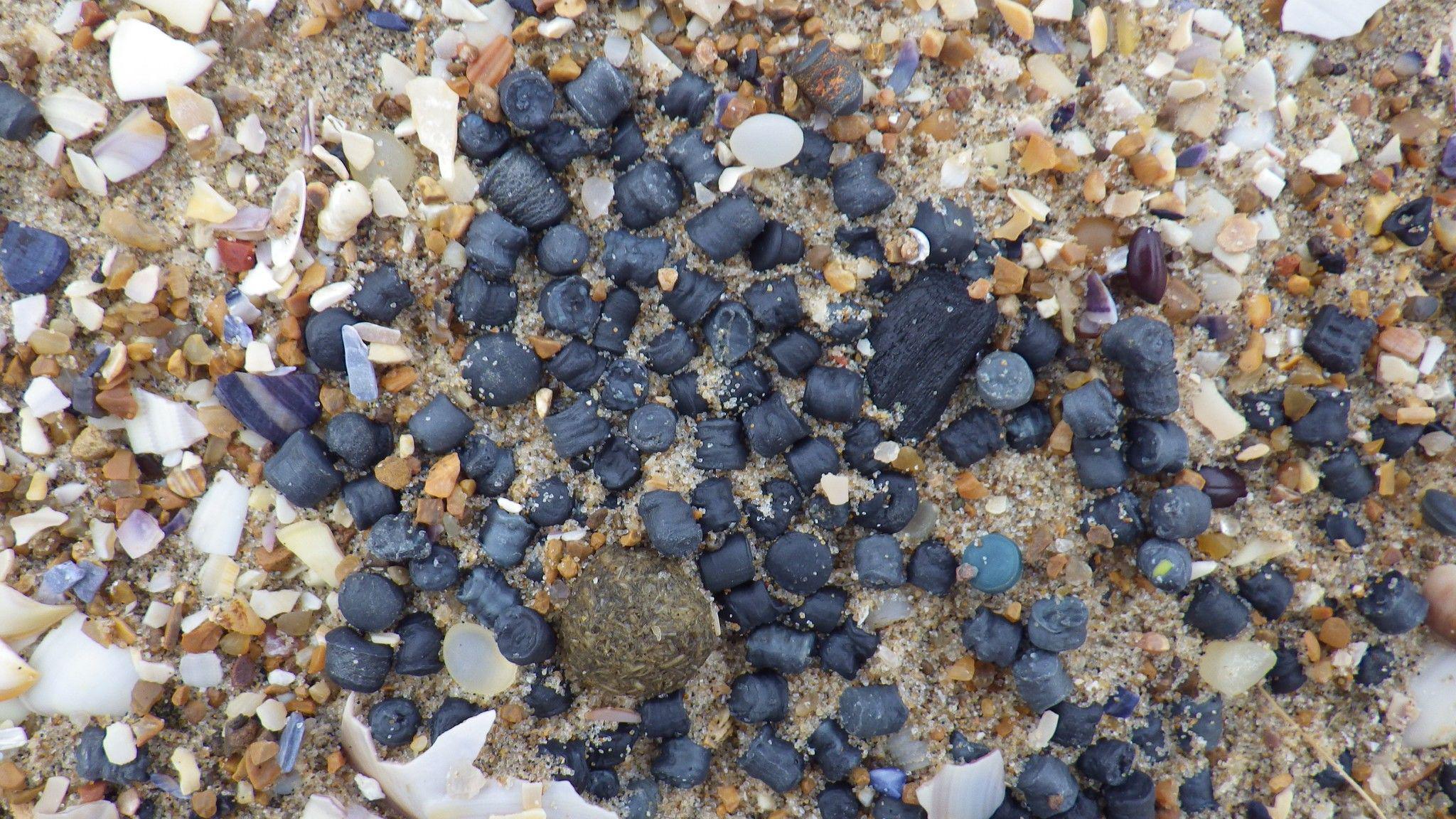
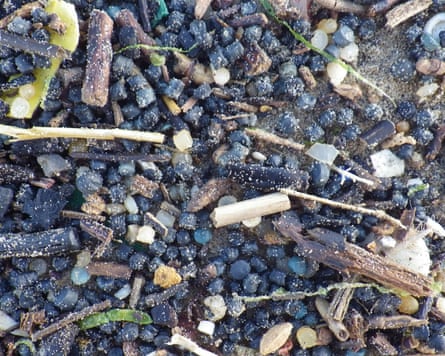
The biobeads, small plastic pellets used in wastewater treatment, have raised alarms due to their potential impact on marine life. Concerns are mounting over the risk to seabirds, porpoises, and seals, which may ingest the pellets mistaking them for food. Andy Dinsdale from Strandliners, a plastic pollution campaign group, described the situation as the worst pollution event he has witnessed, emphasizing the difficulty of removing the millions of pellets scattered across the beach.
Community and Official Efforts
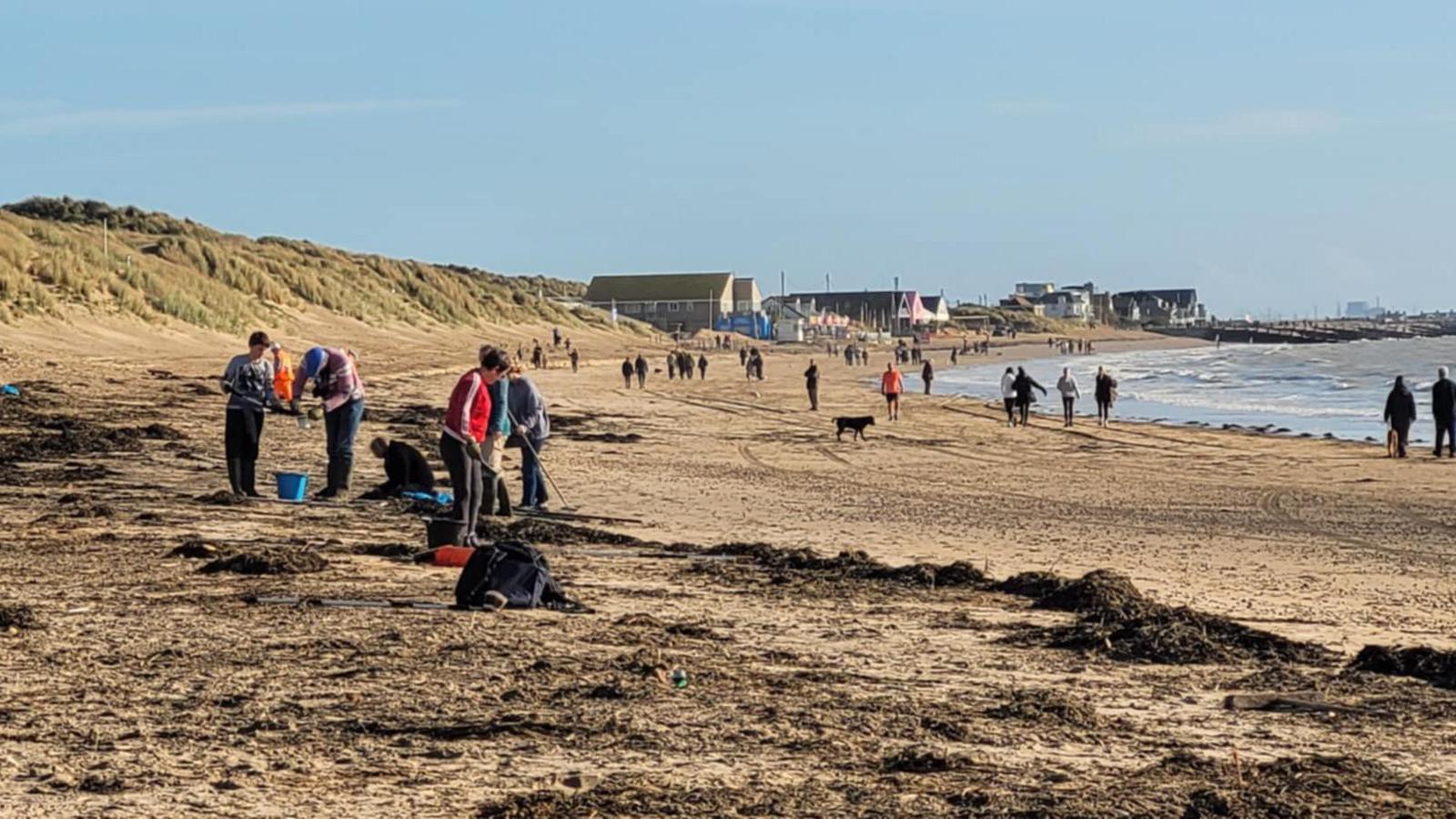
Local residents, alongside non-profit organizations like Nurdle and Strandliners, have mobilized to tackle the clean-up operation. Despite their efforts, the sheer volume of pollution presents a daunting challenge. "It's a race against time," Dollimore stated, urging Southern Water to expedite their investigation into whether local wastewater plants are responsible for the spill.
Investigations and Future Actions
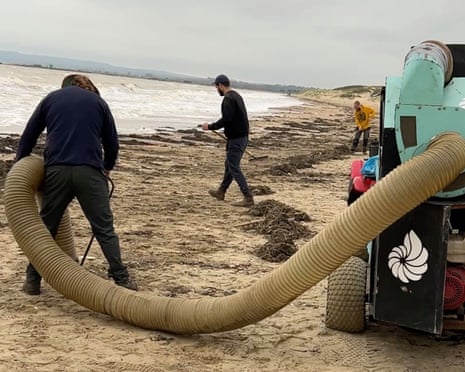
Southern Water has conducted water quality tests, which showed no immediate impact on environmental water quality. However, the company is working closely with the Environment Agency and Rother District Council to trace the source of the biobeads. Meanwhile, the council has employed contractors to assist in the clean-up and is providing updates as more information becomes available.
WHAT THIS MIGHT MEAN
The ongoing investigation by Southern Water and the Environment Agency is crucial in identifying the source of the biobeads. Should the local wastewater treatment plants be confirmed as the origin, it could lead to significant regulatory scrutiny and potential legal consequences for the company. The incident highlights the broader issue of plastic pollution and its devastating impact on marine ecosystems. Experts suggest that increased monitoring and stricter regulations on plastic use in industrial processes may be necessary to prevent future occurrences. As the clean-up continues, the resilience and dedication of the local community and volunteers remain vital in mitigating the environmental damage.
Images from the Web
Related Articles

Flood Risk and Housing Development: A Growing Concern in England
New Swimming Sites Proposed to Boost Water Quality Across England
Massive Illegal Waste Dumps in Merseyside and Wigan Spark Environmental Concerns

Storm Chandra Causes Widespread Flooding Across Southwest England

Rising Waters in Somerset Prompt Major Incident Declaration Amidst Climate Concerns

Storm Chandra Aftermath: Flood Alerts and Weather Warnings Persist Across South-West England
Environmental Concerns Rise as Plastic Pellets Pollute Camber Sands
In This Article
 Leila Hassan| Published
 HIGHLIGHTS
- Large quantities of plastic pellets, known as biobeads, have washed up on Camber Sands, East Sussex, causing significant environmental concerns.
- Southern Water and the Environment Agency are investigating the source, with suspicions pointing towards local wastewater treatment plants.
- Volunteers and local organizations are racing against time to clean up the beach, but the scale of pollution is vast.
- The incident poses a severe threat to marine life, with potential ingestion by seabirds, porpoises, and seals.
- Local MP Helena Dollimore has urged Southern Water to prioritize identifying the source and supporting clean-up efforts.
A significant environmental incident has unfolded on the shores of Camber Sands, East Sussex, where large quantities of plastic pellets, known as biobeads, have washed ashore. The pollution, described as an "environmental catastrophe" by local MP Helena Dollimore, has prompted urgent investigations by Southern Water and the Environment Agency to determine the source of the spill.
Pollution Impact and Response
The biobeads, small plastic pellets used in wastewater treatment, have raised alarms due to their potential impact on marine life. Concerns are mounting over the risk to seabirds, porpoises, and seals, which may ingest the pellets mistaking them for food. Andy Dinsdale from Strandliners, a plastic pollution campaign group, described the situation as the worst pollution event he has witnessed, emphasizing the difficulty of removing the millions of pellets scattered across the beach.
Community and Official Efforts
Local residents, alongside non-profit organizations like Nurdle and Strandliners, have mobilized to tackle the clean-up operation. Despite their efforts, the sheer volume of pollution presents a daunting challenge. "It's a race against time," Dollimore stated, urging Southern Water to expedite their investigation into whether local wastewater plants are responsible for the spill.
Investigations and Future Actions
Southern Water has conducted water quality tests, which showed no immediate impact on environmental water quality. However, the company is working closely with the Environment Agency and Rother District Council to trace the source of the biobeads. Meanwhile, the council has employed contractors to assist in the clean-up and is providing updates as more information becomes available.
WHAT THIS MIGHT MEAN
The ongoing investigation by Southern Water and the Environment Agency is crucial in identifying the source of the biobeads. Should the local wastewater treatment plants be confirmed as the origin, it could lead to significant regulatory scrutiny and potential legal consequences for the company. The incident highlights the broader issue of plastic pollution and its devastating impact on marine ecosystems. Experts suggest that increased monitoring and stricter regulations on plastic use in industrial processes may be necessary to prevent future occurrences. As the clean-up continues, the resilience and dedication of the local community and volunteers remain vital in mitigating the environmental damage.
Images from the Web
Related Articles
Flood Risk and Housing Development: A Growing Concern in England
New Swimming Sites Proposed to Boost Water Quality Across England
Massive Illegal Waste Dumps in Merseyside and Wigan Spark Environmental Concerns
Storm Chandra Causes Widespread Flooding Across Southwest England
Rising Waters in Somerset Prompt Major Incident Declaration Amidst Climate Concerns
Storm Chandra Aftermath: Flood Alerts and Weather Warnings Persist Across South-West England