
Prada Faces Backlash Over Kolhapuri-Inspired Sandals

In This Article
HIGHLIGHTS
- Prada acknowledged its new sandal design was inspired by India's Kolhapuri sandals after backlash over cultural appropriation.
- The sandals, showcased at Milan Fashion Week, were criticized for not crediting their Indian origins, sparking outrage in India.
- Prada is in talks with the Maharashtra Chamber of Commerce to explore collaboration with local artisans.
- Kolhapuri sandals, awarded geographical indication status in 2019, are traditionally handcrafted and cost significantly less than Prada's version.
- The controversy highlights ongoing debates about global brands profiting from traditional craftsmanship without fair compensation.
Italian luxury fashion house Prada has found itself at the center of a cultural appropriation controversy after unveiling a new sandal design at Milan Fashion Week. The sandals, which bear a striking resemblance to India's traditional Kolhapuri sandals, have drawn criticism for failing to credit their Indian origins.
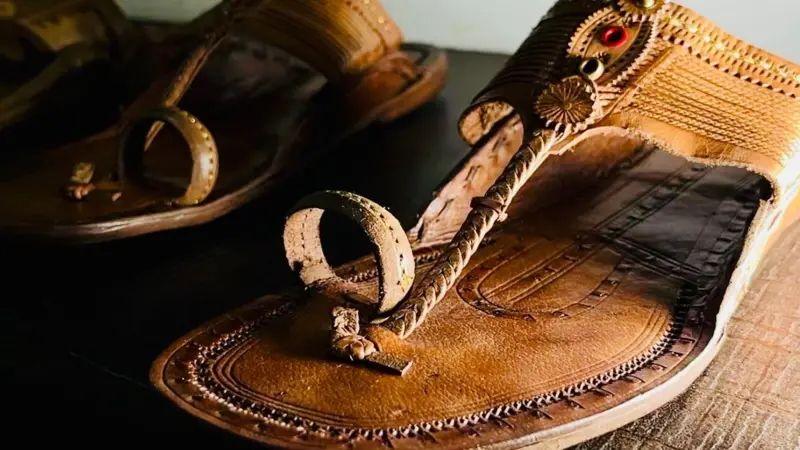
The Kolhapuri sandals, known for their distinctive open-toe braided pattern, have been a staple in the Indian states of Maharashtra and Karnataka since the 12th century. These handcrafted leather sandals were awarded geographical indication status by the Indian government in 2019, marking them as authentic products of the region.
Prada's decision to describe the sandals simply as "leather footwear" without acknowledging their roots sparked outrage in India. Many artisans and industry leaders accused the brand of cultural appropriation, a charge that has been leveled at global fashion houses in the past for repackaging traditional craftsmanship as luxury goods.
In response to the backlash, Lorenzo Bertelli, Prada's head of Corporate Social Responsibility, issued a statement acknowledging the sandals' Indian inspiration. He emphasized Prada's commitment to celebrating craftsmanship and expressed the company's willingness to engage in meaningful dialogue with local Indian artisans. Prada is currently in discussions with the Maharashtra Chamber of Commerce to explore potential collaborations that could benefit the artisans who have preserved this heritage for generations.
The controversy has also highlighted the stark price disparity between the traditional Kolhapuri sandals, which sell for a few hundred rupees in India, and Prada's luxury version, which is expected to retail for upwards of £600 in the UK. This has fueled further criticism from Indian industrialists and artisans who argue that global brands profit from their culture while offering little in return.
WHAT THIS MIGHT MEAN
The ongoing dialogue between Prada and Indian artisans could lead to a collaborative effort that benefits both parties. If successful, this could set a precedent for how global fashion brands engage with traditional craftsmanship, potentially leading to more equitable partnerships in the future.
However, the controversy also underscores the broader issue of cultural appropriation in the fashion industry. As global brands continue to draw inspiration from traditional designs, there is a growing call for them to provide fair compensation and recognition to the original artisans. This incident may prompt other brands to reevaluate their practices and seek more ethical ways to incorporate cultural elements into their collections.
Images from the Web
Related Articles

US Supreme Court Ruling Sparks Trade Uncertainty in Asia and Beyond

Trump's New Tariff Strategy Sparks Global Trade Uncertainty

Canada and Australia Forge Strategic Partnership Amid Global Uncertainty

UK Government to Reform Asylum Seeker Support and Employment Policies

Middle East Conflict Drives UK Energy Prices to New Highs

UK Faces Dilemmas Amid Iran Conflict and China Spying Allegations
Prada Faces Backlash Over Kolhapuri-Inspired Sandals
In This Article
 Aya Nakamura| Published
 HIGHLIGHTS
- Prada acknowledged its new sandal design was inspired by India's Kolhapuri sandals after backlash over cultural appropriation.
- The sandals, showcased at Milan Fashion Week, were criticized for not crediting their Indian origins, sparking outrage in India.
- Prada is in talks with the Maharashtra Chamber of Commerce to explore collaboration with local artisans.
- Kolhapuri sandals, awarded geographical indication status in 2019, are traditionally handcrafted and cost significantly less than Prada's version.
- The controversy highlights ongoing debates about global brands profiting from traditional craftsmanship without fair compensation.
Italian luxury fashion house Prada has found itself at the center of a cultural appropriation controversy after unveiling a new sandal design at Milan Fashion Week. The sandals, which bear a striking resemblance to India's traditional Kolhapuri sandals, have drawn criticism for failing to credit their Indian origins.
The Kolhapuri sandals, known for their distinctive open-toe braided pattern, have been a staple in the Indian states of Maharashtra and Karnataka since the 12th century. These handcrafted leather sandals were awarded geographical indication status by the Indian government in 2019, marking them as authentic products of the region.
Prada's decision to describe the sandals simply as "leather footwear" without acknowledging their roots sparked outrage in India. Many artisans and industry leaders accused the brand of cultural appropriation, a charge that has been leveled at global fashion houses in the past for repackaging traditional craftsmanship as luxury goods.
In response to the backlash, Lorenzo Bertelli, Prada's head of Corporate Social Responsibility, issued a statement acknowledging the sandals' Indian inspiration. He emphasized Prada's commitment to celebrating craftsmanship and expressed the company's willingness to engage in meaningful dialogue with local Indian artisans. Prada is currently in discussions with the Maharashtra Chamber of Commerce to explore potential collaborations that could benefit the artisans who have preserved this heritage for generations.
The controversy has also highlighted the stark price disparity between the traditional Kolhapuri sandals, which sell for a few hundred rupees in India, and Prada's luxury version, which is expected to retail for upwards of £600 in the UK. This has fueled further criticism from Indian industrialists and artisans who argue that global brands profit from their culture while offering little in return.
WHAT THIS MIGHT MEAN
The ongoing dialogue between Prada and Indian artisans could lead to a collaborative effort that benefits both parties. If successful, this could set a precedent for how global fashion brands engage with traditional craftsmanship, potentially leading to more equitable partnerships in the future.
However, the controversy also underscores the broader issue of cultural appropriation in the fashion industry. As global brands continue to draw inspiration from traditional designs, there is a growing call for them to provide fair compensation and recognition to the original artisans. This incident may prompt other brands to reevaluate their practices and seek more ethical ways to incorporate cultural elements into their collections.
Images from the Web
Related Articles
US Supreme Court Ruling Sparks Trade Uncertainty in Asia and Beyond
Trump's New Tariff Strategy Sparks Global Trade Uncertainty
Canada and Australia Forge Strategic Partnership Amid Global Uncertainty
UK Government to Reform Asylum Seeker Support and Employment Policies
Middle East Conflict Drives UK Energy Prices to New Highs
UK Faces Dilemmas Amid Iran Conflict and China Spying Allegations