
Primark Faces Sales Decline as Parent Company Mulls Strategic Split
In This Article
HIGHLIGHTS
- Primark's UK sales fell by 3.1% in the year to September, reflecting weak consumer confidence amid economic challenges.
- Associated British Foods (ABF) is considering splitting Primark from its food division to maximize long-term value.
- ABF's overall profits dropped by 13% to £1.4 billion, with significant losses in its sugar business.
- The Weston family, ABF's largest shareholder, supports the strategic review but remains committed to majority ownership.
- Primark's international sales grew, with a 20% increase in the US and 2% in Europe, despite challenges in the UK market.
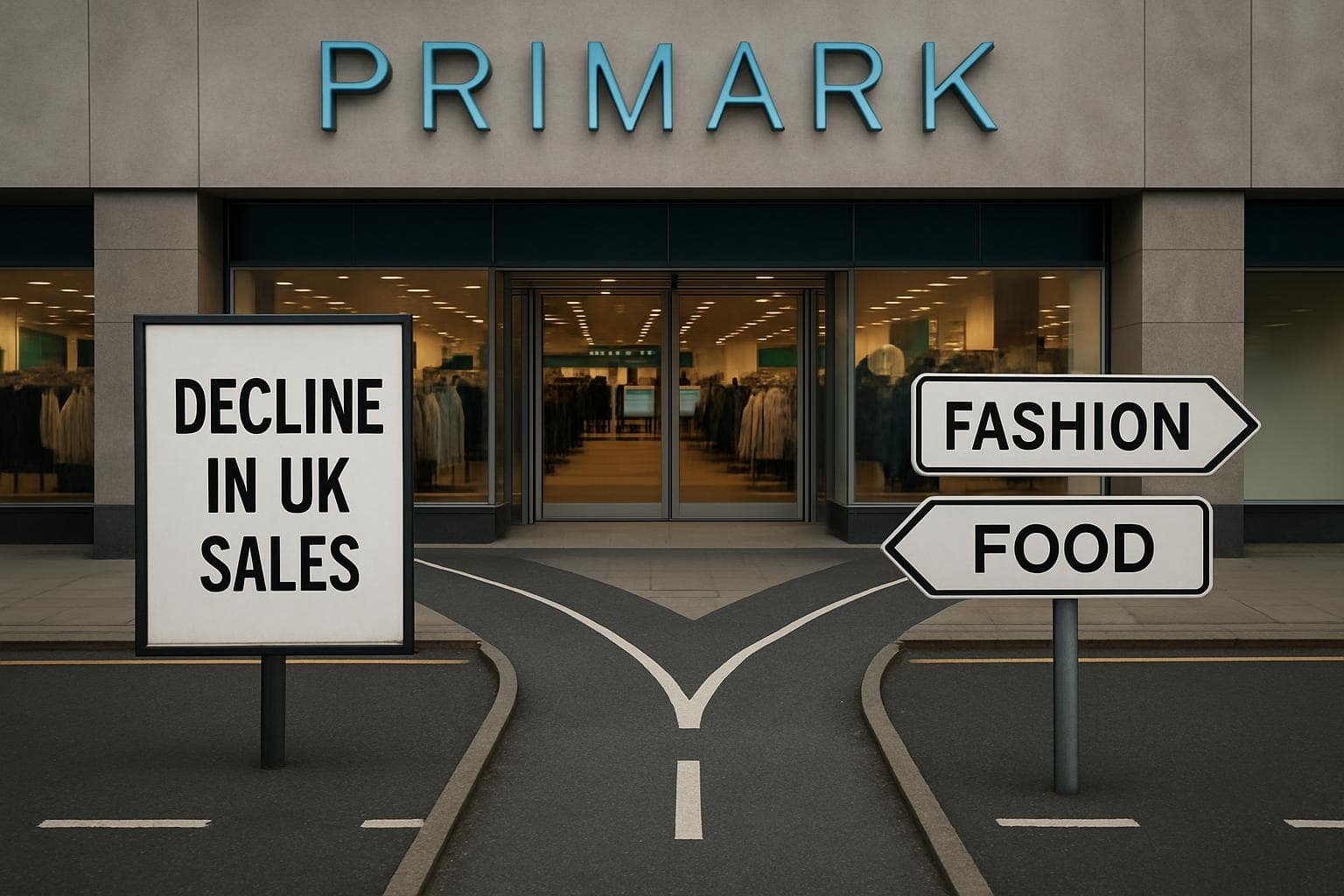
Primark, the popular budget fashion retailer, has reported a 3.1% decline in UK sales for the year ending September, amid a challenging economic environment marked by weak consumer confidence. This downturn comes as its parent company, Associated British Foods (ABF), considers a strategic separation of its fashion and food divisions to enhance long-term value.
Sales and Strategic Review
The decline in Primark's UK sales is attributed to cautious consumer spending, influenced by persistent inflation and rising living costs. Despite this, Primark's international presence has shown resilience, with a 20% sales increase in the US and a 2% rise in Europe, where the retailer continues to expand.
ABF, which also owns brands like Twinings and Kingsmill, has initiated a strategic review with Rothschild & Co to explore the potential demerger. The move is backed by the Weston family, ABF's largest shareholder, who are keen on maintaining majority ownership of both businesses. The family ranks sixth on the 2025 Sunday Times Rich List, with a wealth of nearly £18 billion.
Financial Performance and Challenges
ABF's overall profits fell by 13% to £1.4 billion, with its sugar business suffering a £205 million loss due to higher costs and the closure of the Vivergo bioethanol plant. The company's revenues also slipped by 3% to £19.4 billion. The strategic review aims to address these challenges by potentially streamlining operations and focusing on core strengths.
Market Dynamics and Future Prospects
Analysts suggest that separating Primark could unlock greater market value, as the fashion retailer is seen as the "jewel" in ABF's crown. The demerger trend is gaining traction, with companies like Unilever and Kraft Heinz pursuing similar strategies. However, Primark's UK challenges may intensify if anticipated tax hikes in the upcoming Budget further strain consumer spending.
WHAT THIS MIGHT MEAN
If ABF proceeds with the demerger, Primark could benefit from increased focus and investment, potentially boosting its market position and share price. However, the UK retail market's volatility, driven by economic uncertainties and potential tax increases, could pose ongoing challenges. Experts suggest that a successful separation could set a precedent for other conglomerates, emphasizing the importance of strategic focus in navigating complex market dynamics.
Related Articles
China Sets Lowest GDP Growth Target in Decades Amid Economic Challenges

Breakthrough Drug Offers Hope for Children with Severe Epilepsy

Cuba Faces Widespread Blackout Amid Deepening Fuel Crisis

UK Faces Dilemmas Amid Iran Conflict and China Spying Allegations

Google Faces Legal Battle Over AI Chatbot's Alleged Role in Tragic Death

Iran Postpones Khamenei Funeral Amid Escalating US-Israeli Strikes
Primark Faces Sales Decline as Parent Company Mulls Strategic Split
In This Article
 Daniel Rivera| Published
 HIGHLIGHTS
- Primark's UK sales fell by 3.1% in the year to September, reflecting weak consumer confidence amid economic challenges.
- Associated British Foods (ABF) is considering splitting Primark from its food division to maximize long-term value.
- ABF's overall profits dropped by 13% to £1.4 billion, with significant losses in its sugar business.
- The Weston family, ABF's largest shareholder, supports the strategic review but remains committed to majority ownership.
- Primark's international sales grew, with a 20% increase in the US and 2% in Europe, despite challenges in the UK market.
Primark, the popular budget fashion retailer, has reported a 3.1% decline in UK sales for the year ending September, amid a challenging economic environment marked by weak consumer confidence. This downturn comes as its parent company, Associated British Foods (ABF), considers a strategic separation of its fashion and food divisions to enhance long-term value.
Sales and Strategic Review
The decline in Primark's UK sales is attributed to cautious consumer spending, influenced by persistent inflation and rising living costs. Despite this, Primark's international presence has shown resilience, with a 20% sales increase in the US and a 2% rise in Europe, where the retailer continues to expand.
ABF, which also owns brands like Twinings and Kingsmill, has initiated a strategic review with Rothschild & Co to explore the potential demerger. The move is backed by the Weston family, ABF's largest shareholder, who are keen on maintaining majority ownership of both businesses. The family ranks sixth on the 2025 Sunday Times Rich List, with a wealth of nearly £18 billion.
Financial Performance and Challenges
ABF's overall profits fell by 13% to £1.4 billion, with its sugar business suffering a £205 million loss due to higher costs and the closure of the Vivergo bioethanol plant. The company's revenues also slipped by 3% to £19.4 billion. The strategic review aims to address these challenges by potentially streamlining operations and focusing on core strengths.
Market Dynamics and Future Prospects
Analysts suggest that separating Primark could unlock greater market value, as the fashion retailer is seen as the "jewel" in ABF's crown. The demerger trend is gaining traction, with companies like Unilever and Kraft Heinz pursuing similar strategies. However, Primark's UK challenges may intensify if anticipated tax hikes in the upcoming Budget further strain consumer spending.
WHAT THIS MIGHT MEAN
If ABF proceeds with the demerger, Primark could benefit from increased focus and investment, potentially boosting its market position and share price. However, the UK retail market's volatility, driven by economic uncertainties and potential tax increases, could pose ongoing challenges. Experts suggest that a successful separation could set a precedent for other conglomerates, emphasizing the importance of strategic focus in navigating complex market dynamics.
Related Articles
China Sets Lowest GDP Growth Target in Decades Amid Economic Challenges
Breakthrough Drug Offers Hope for Children with Severe Epilepsy
Cuba Faces Widespread Blackout Amid Deepening Fuel Crisis
UK Faces Dilemmas Amid Iran Conflict and China Spying Allegations
Google Faces Legal Battle Over AI Chatbot's Alleged Role in Tragic Death
Iran Postpones Khamenei Funeral Amid Escalating US-Israeli Strikes