
Rachel Reeves Faces Fiscal Challenges Amidst Political Turmoil

In This Article
HIGHLIGHTS
- Chancellor Rachel Reeves has not ruled out potential tax increases in the upcoming autumn budget due to financial pressures.
- A significant backbench rebellion forced the UK government to abandon key welfare cuts, creating a £5 billion fiscal gap.
- Reeves faced a challenging week, marked by emotional moments in the Commons and criticism from Labour backbenchers.
- The government is now reviewing welfare policies with input from disability groups, led by Stephen Timms.
- Former Prime Minister Boris Johnson advised Conservatives to focus on future offerings amid the rise of Reform UK.
Chancellor Rachel Reeves is navigating a turbulent political landscape as she grapples with the potential need for tax increases in the forthcoming autumn budget. This comes after a week marked by significant political setbacks, including a backbench rebellion that forced the government to abandon planned welfare cuts, leaving a £5 billion gap in the nation's finances.
Welfare Reforms and Economic Pressures
The decision to retract welfare cuts has placed additional financial strain on the government, compelling Reeves to consider tax hikes as a means to bridge the fiscal shortfall. In an interview with The Guardian, Reeves acknowledged the challenges, stating, "There are costs to the watering down of the welfare bill," and emphasized the importance of listening to colleagues and external groups in shaping future policies.
Emotional Moments in Parliament
Reeves' week was further complicated by an emotional appearance in the Commons, which raised questions about her future in the role. Despite the scrutiny, she affirmed her commitment to her position, stating, "I didn’t work that hard to then quit." The chancellor expressed regret over her emotional display but hoped it would resonate with the public, illustrating the pressures faced by government officials.
Political Reactions and Future Plans
The government's decision to review welfare policies, led by respected minister Stephen Timms, aims to address concerns raised by disability groups and other stakeholders. As the Labour government prepares for a challenging autumn budget, Reeves is focused on involving the public in understanding the necessary trade-offs.
Meanwhile, former Prime Minister Boris Johnson has advised Conservatives to concentrate on their future agenda, amidst concerns about the rise of Reform UK. Johnson's comments reflect ongoing political dynamics as parties position themselves for upcoming electoral challenges.
WHAT THIS MIGHT MEAN
As the UK government approaches the autumn budget, the potential for tax increases remains a contentious issue. Should Reeves opt for tax hikes, it could lead to political backlash from middle-income earners and further strain relations within the Labour Party. The government's ability to effectively communicate the necessity of such measures will be crucial in maintaining public support.
The review of welfare policies, spearheaded by Stephen Timms, presents an opportunity for the government to demonstrate responsiveness to public concerns. Successful reform could bolster the government's standing, but failure to address key issues may exacerbate existing tensions.
Politically, the rise of Reform UK poses a challenge to both major parties, necessitating strategic responses to maintain voter confidence. As the political landscape evolves, parties must navigate these complexities to secure their positions in future elections.
Related Articles
Government U-turn Forces Local Elections in Lancashire and Essex Amid Reorganisation Plans
Government U-turn on Local Election Delays Sparks Political Fallout
Government U-turn on Election Delays Sparks Local Council Turmoil
Reform UK Aims to Reshape Welsh Politics with New Manifesto
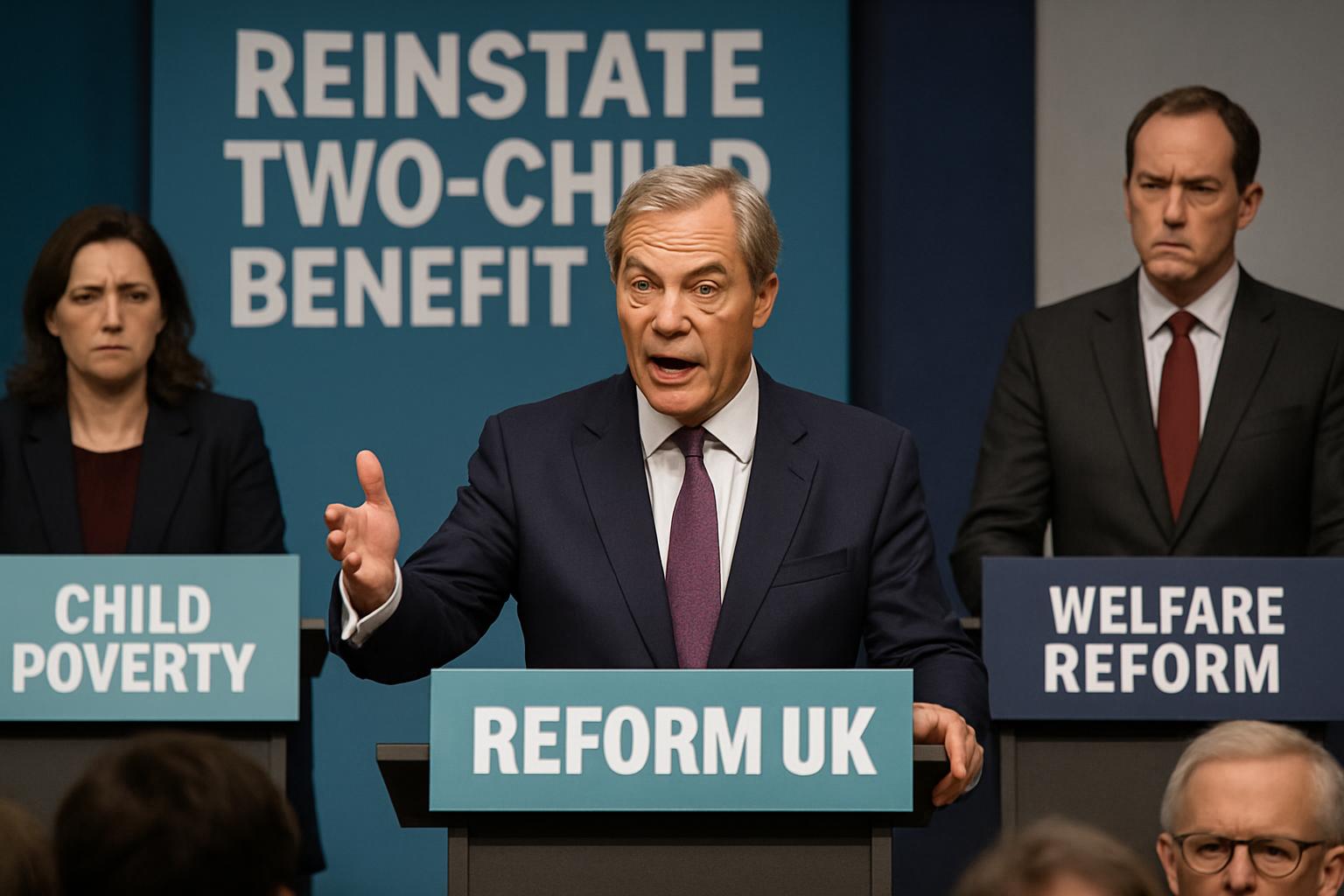
Reform UK to Reinstate Two-Child Benefit Cap Amidst Political Controversy
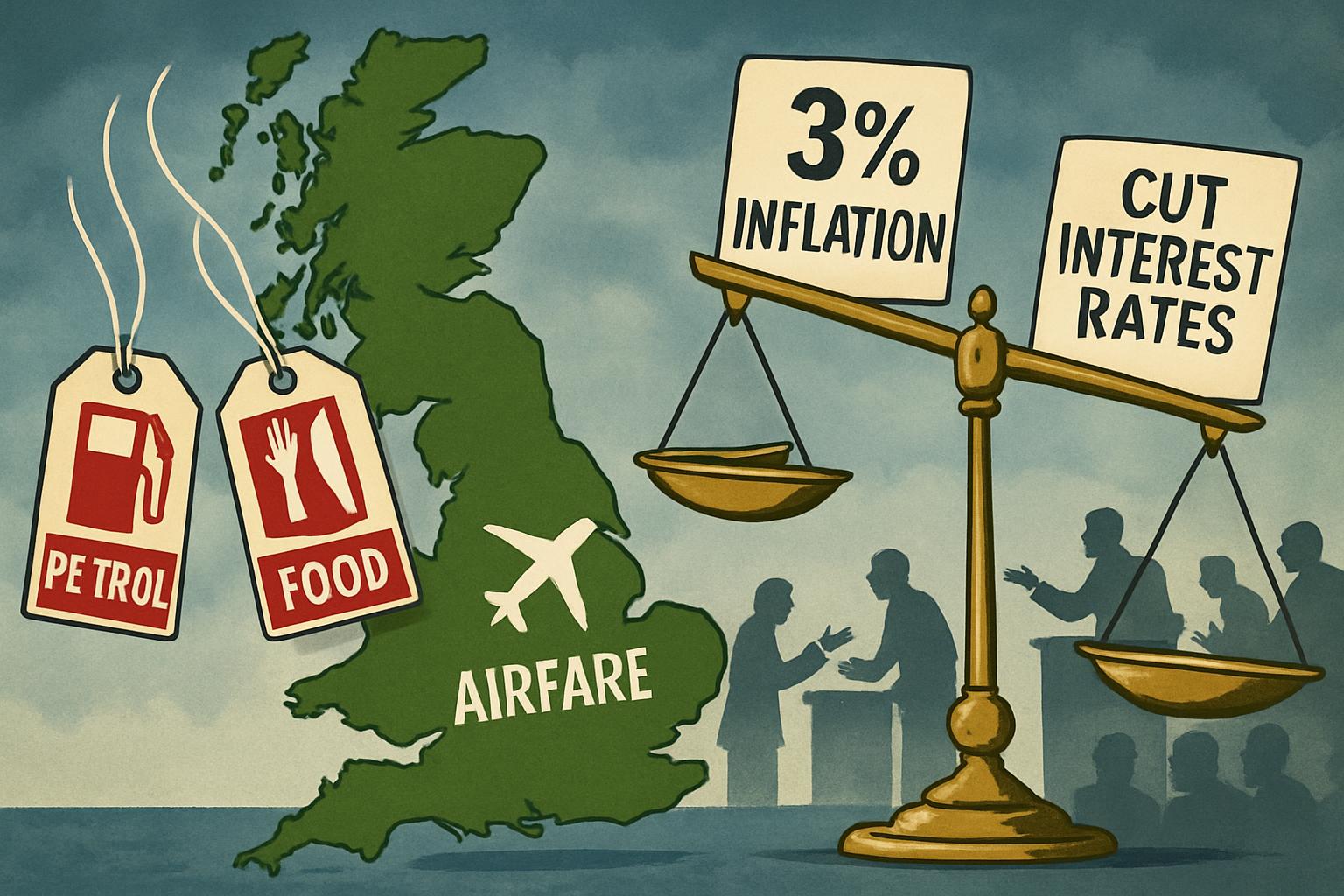
UK Inflation Drops to 3% in January, Sparking Interest Rate Cut Speculation
Rachel Reeves Faces Fiscal Challenges Amidst Political Turmoil
In This Article
 Alex Carter| Published
 HIGHLIGHTS
- Chancellor Rachel Reeves has not ruled out potential tax increases in the upcoming autumn budget due to financial pressures.
- A significant backbench rebellion forced the UK government to abandon key welfare cuts, creating a £5 billion fiscal gap.
- Reeves faced a challenging week, marked by emotional moments in the Commons and criticism from Labour backbenchers.
- The government is now reviewing welfare policies with input from disability groups, led by Stephen Timms.
- Former Prime Minister Boris Johnson advised Conservatives to focus on future offerings amid the rise of Reform UK.
Chancellor Rachel Reeves is navigating a turbulent political landscape as she grapples with the potential need for tax increases in the forthcoming autumn budget. This comes after a week marked by significant political setbacks, including a backbench rebellion that forced the government to abandon planned welfare cuts, leaving a £5 billion gap in the nation's finances.
Welfare Reforms and Economic Pressures
The decision to retract welfare cuts has placed additional financial strain on the government, compelling Reeves to consider tax hikes as a means to bridge the fiscal shortfall. In an interview with The Guardian, Reeves acknowledged the challenges, stating, "There are costs to the watering down of the welfare bill," and emphasized the importance of listening to colleagues and external groups in shaping future policies.
Emotional Moments in Parliament
Reeves' week was further complicated by an emotional appearance in the Commons, which raised questions about her future in the role. Despite the scrutiny, she affirmed her commitment to her position, stating, "I didn’t work that hard to then quit." The chancellor expressed regret over her emotional display but hoped it would resonate with the public, illustrating the pressures faced by government officials.
Political Reactions and Future Plans
The government's decision to review welfare policies, led by respected minister Stephen Timms, aims to address concerns raised by disability groups and other stakeholders. As the Labour government prepares for a challenging autumn budget, Reeves is focused on involving the public in understanding the necessary trade-offs.
Meanwhile, former Prime Minister Boris Johnson has advised Conservatives to concentrate on their future agenda, amidst concerns about the rise of Reform UK. Johnson's comments reflect ongoing political dynamics as parties position themselves for upcoming electoral challenges.
WHAT THIS MIGHT MEAN
As the UK government approaches the autumn budget, the potential for tax increases remains a contentious issue. Should Reeves opt for tax hikes, it could lead to political backlash from middle-income earners and further strain relations within the Labour Party. The government's ability to effectively communicate the necessity of such measures will be crucial in maintaining public support.
The review of welfare policies, spearheaded by Stephen Timms, presents an opportunity for the government to demonstrate responsiveness to public concerns. Successful reform could bolster the government's standing, but failure to address key issues may exacerbate existing tensions.
Politically, the rise of Reform UK poses a challenge to both major parties, necessitating strategic responses to maintain voter confidence. As the political landscape evolves, parties must navigate these complexities to secure their positions in future elections.
Related Articles
Government U-turn Forces Local Elections in Lancashire and Essex Amid Reorganisation Plans
Government U-turn on Local Election Delays Sparks Political Fallout
Government U-turn on Election Delays Sparks Local Council Turmoil
Reform UK Aims to Reshape Welsh Politics with New Manifesto
Reform UK to Reinstate Two-Child Benefit Cap Amidst Political Controversy
UK Inflation Drops to 3% in January, Sparking Interest Rate Cut Speculation