
Rachel Reeves Calls for Labour Unity Ahead of Crucial Budget Announcement
In This Article
HIGHLIGHTS
- Rachel Reeves urges Labour MPs to support her Budget, emphasizing unity and the need for difficult choices.
- The Budget aims to cut the cost of living, NHS waiting lists, and debt, while keeping tax rises minimal.
- Speculation about tax increases has been rife, but the government appears to have stepped back from raising income tax rates.
- Business and union leaders express hopes for pro-business policies and public service investment in the upcoming Budget.
- The Budget is expected to include measures like scrapping the two-child benefit cap and freezing prescription charges.
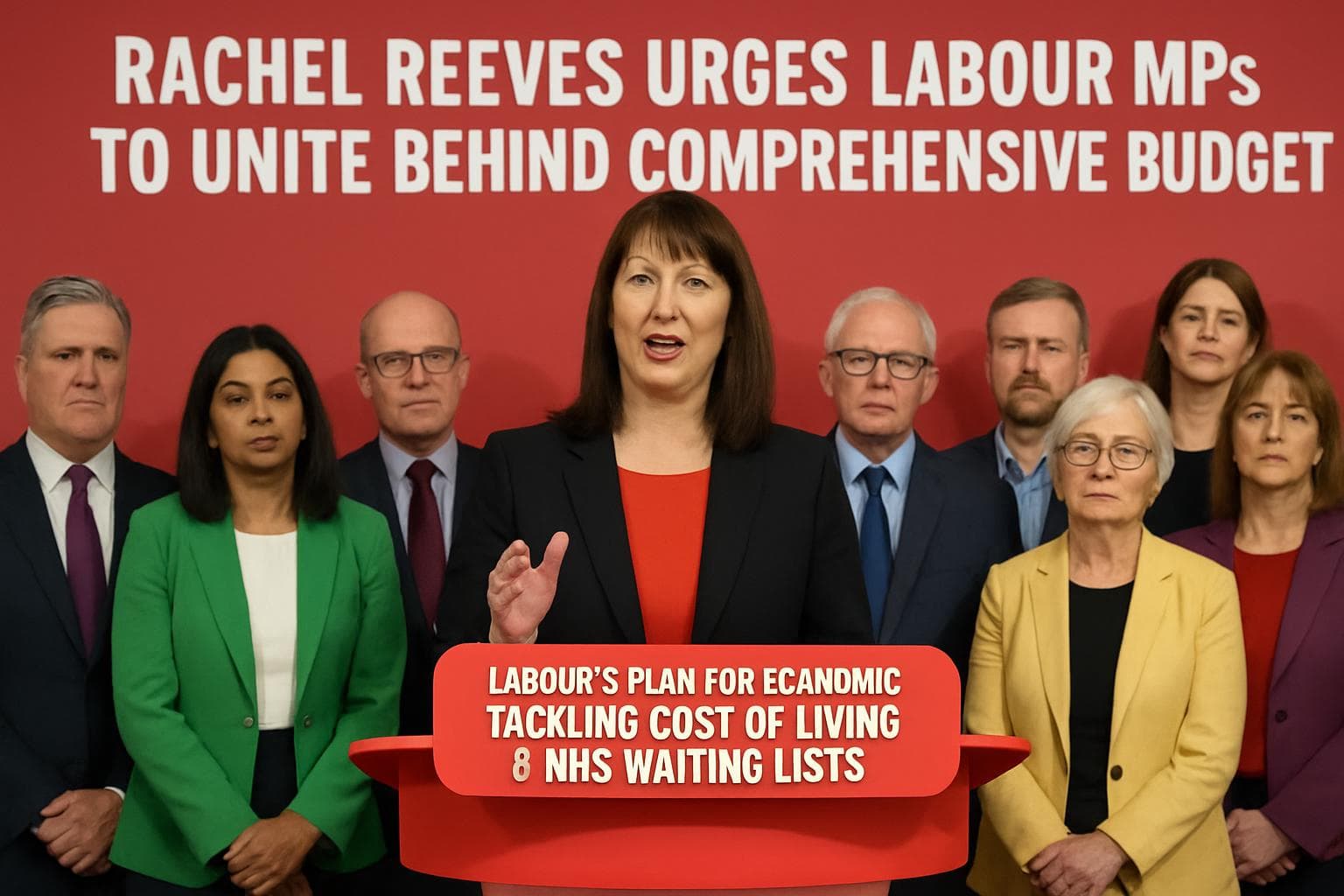
As the UK prepares for a pivotal Budget announcement, Chancellor Rachel Reeves has called on Labour MPs to rally behind her financial plan, emphasizing the importance of unity in the face of challenging economic decisions. Speaking to the Labour Parliamentary Party, Reeves highlighted the necessity of presenting a cohesive front to secure victory in the next election.
A Comprehensive Budget Package
Reeves described the forthcoming Budget as a comprehensive package designed to address key issues such as the cost of living, NHS waiting lists, and national debt. She stressed that while MPs might not agree with every measure, the Budget is crafted to be fair and progressive. "Politics is a team sport," Reeves reminded her colleagues, urging them to focus on the broader benefits of the plan.
Economic Challenges and Policy Adjustments
The Chancellor acknowledged the economic hurdles facing the UK, including downgraded growth forecasts for the next five years. Despite these challenges, she assured MPs that tax increases would be kept to a minimum, aligning with the Labour Party's commitment to reducing financial burdens on citizens. Reeves also addressed concerns about potential income tax hikes, confirming that the government has reconsidered this approach.
Voices from Business and Public Sectors
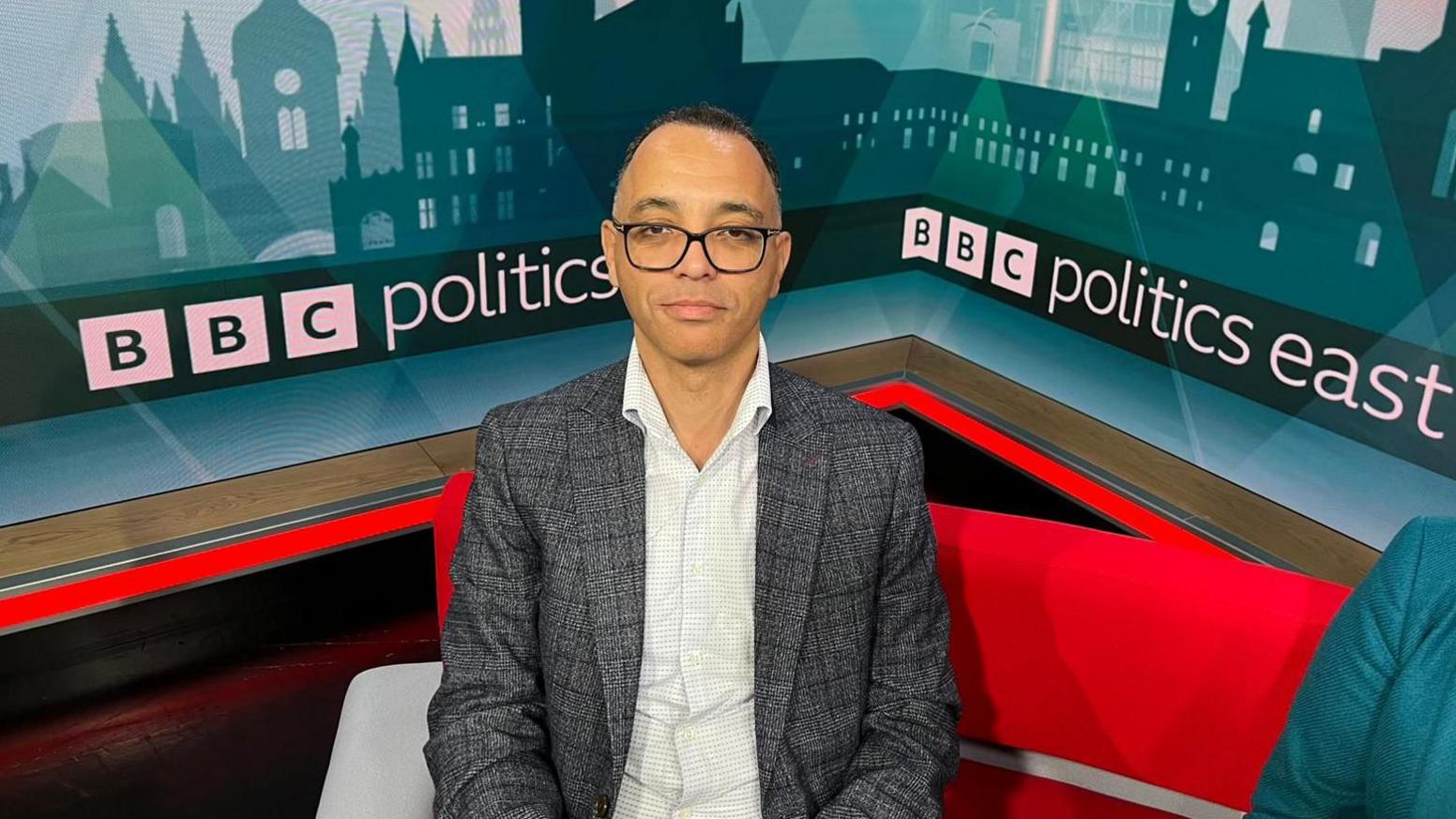
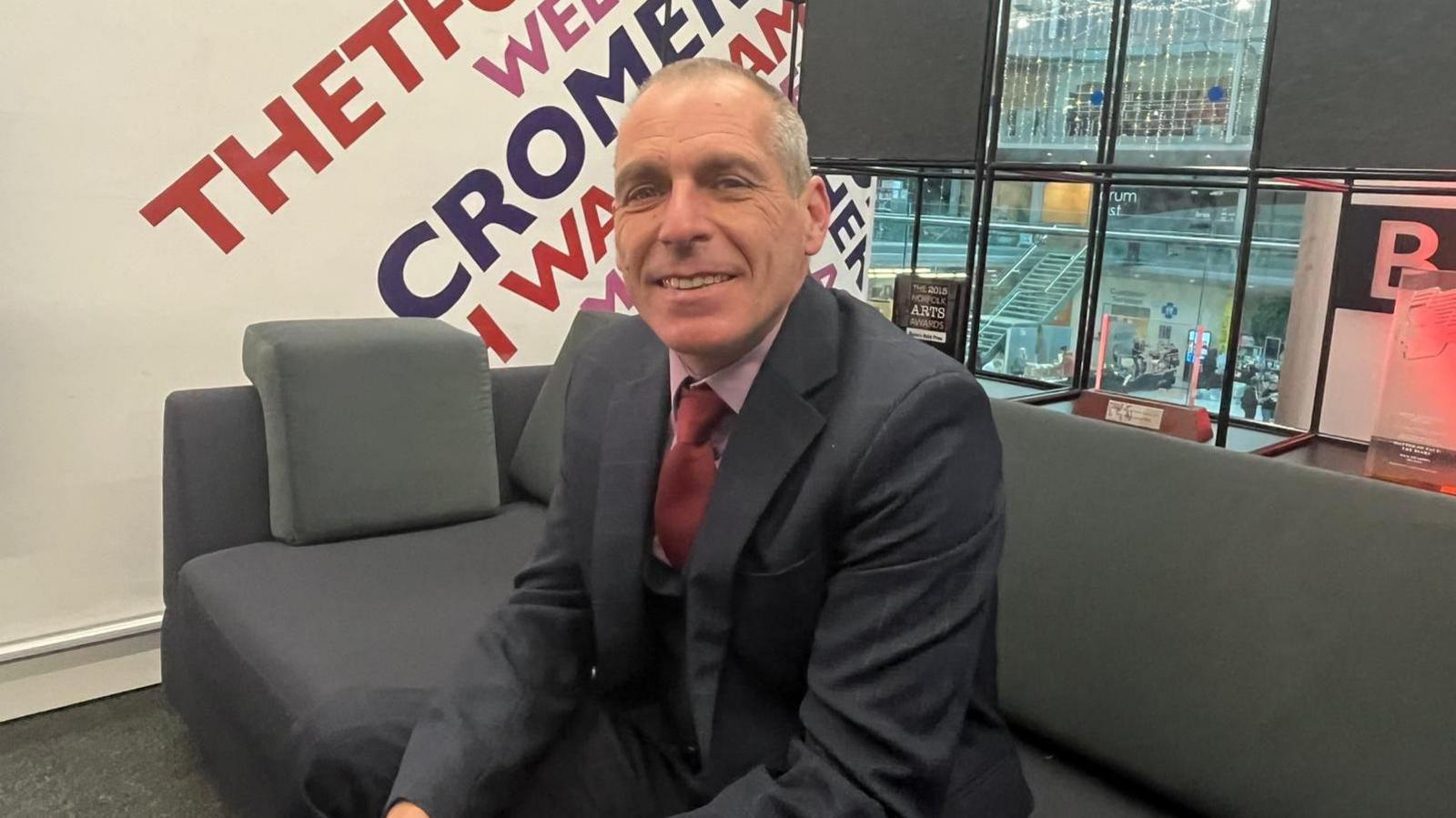
Business and union leaders have expressed their expectations for the Budget, advocating for policies that support economic growth and public service investment. Nova Fairbank of the Norfolk Chambers of Commerce highlighted the need for long-term strategies to alleviate the "hostile environment" for businesses. Meanwhile, Tim Roberts of Unison emphasized the importance of taxing wealth over work to fund essential services.
Anticipated Budget Measures
Among the anticipated measures, the Budget is expected to scrap the two-child benefit cap and freeze prescription charges, reflecting the government's focus on alleviating living costs. Reeves reassured MPs that the Budget would deliver on promises made during the last election, aiming to provide stability and change for the British people.
WHAT THIS MIGHT MEAN
As the Budget announcement looms, the political and economic implications are significant. Should Reeves successfully unite Labour MPs, the party could strengthen its position ahead of the next election. However, any perceived missteps or unpopular measures could fuel internal dissent and public criticism. Economists will closely watch the Budget's impact on growth forecasts and public service funding, with potential adjustments influencing future fiscal policies. The government's ability to balance tax policies with public expectations will be crucial in maintaining voter confidence and economic stability.
Images from the Web
Related Articles
UK Government to Reform Asylum Seeker Support and Employment Policies

Middle East Conflict Drives UK Energy Prices to New Highs

UK Faces Dilemmas Amid Iran Conflict and China Spying Allegations

Canada and Australia Forge Strategic Partnership Amid Global Uncertainty

UK Reinforces Military Presence in Cyprus Amid Middle East Tensions

Labour MP's Husband Arrested in UK-China Espionage Probe
Rachel Reeves Calls for Labour Unity Ahead of Crucial Budget Announcement
In This Article
 Alex Carter| Published
 HIGHLIGHTS
- Rachel Reeves urges Labour MPs to support her Budget, emphasizing unity and the need for difficult choices.
- The Budget aims to cut the cost of living, NHS waiting lists, and debt, while keeping tax rises minimal.
- Speculation about tax increases has been rife, but the government appears to have stepped back from raising income tax rates.
- Business and union leaders express hopes for pro-business policies and public service investment in the upcoming Budget.
- The Budget is expected to include measures like scrapping the two-child benefit cap and freezing prescription charges.
As the UK prepares for a pivotal Budget announcement, Chancellor Rachel Reeves has called on Labour MPs to rally behind her financial plan, emphasizing the importance of unity in the face of challenging economic decisions. Speaking to the Labour Parliamentary Party, Reeves highlighted the necessity of presenting a cohesive front to secure victory in the next election.
A Comprehensive Budget Package
Reeves described the forthcoming Budget as a comprehensive package designed to address key issues such as the cost of living, NHS waiting lists, and national debt. She stressed that while MPs might not agree with every measure, the Budget is crafted to be fair and progressive. "Politics is a team sport," Reeves reminded her colleagues, urging them to focus on the broader benefits of the plan.
Economic Challenges and Policy Adjustments
The Chancellor acknowledged the economic hurdles facing the UK, including downgraded growth forecasts for the next five years. Despite these challenges, she assured MPs that tax increases would be kept to a minimum, aligning with the Labour Party's commitment to reducing financial burdens on citizens. Reeves also addressed concerns about potential income tax hikes, confirming that the government has reconsidered this approach.
Voices from Business and Public Sectors
Business and union leaders have expressed their expectations for the Budget, advocating for policies that support economic growth and public service investment. Nova Fairbank of the Norfolk Chambers of Commerce highlighted the need for long-term strategies to alleviate the "hostile environment" for businesses. Meanwhile, Tim Roberts of Unison emphasized the importance of taxing wealth over work to fund essential services.
Anticipated Budget Measures
Among the anticipated measures, the Budget is expected to scrap the two-child benefit cap and freeze prescription charges, reflecting the government's focus on alleviating living costs. Reeves reassured MPs that the Budget would deliver on promises made during the last election, aiming to provide stability and change for the British people.
WHAT THIS MIGHT MEAN
As the Budget announcement looms, the political and economic implications are significant. Should Reeves successfully unite Labour MPs, the party could strengthen its position ahead of the next election. However, any perceived missteps or unpopular measures could fuel internal dissent and public criticism. Economists will closely watch the Budget's impact on growth forecasts and public service funding, with potential adjustments influencing future fiscal policies. The government's ability to balance tax policies with public expectations will be crucial in maintaining voter confidence and economic stability.
Images from the Web
Related Articles
UK Government to Reform Asylum Seeker Support and Employment Policies
Middle East Conflict Drives UK Energy Prices to New Highs
UK Faces Dilemmas Amid Iran Conflict and China Spying Allegations
Canada and Australia Forge Strategic Partnership Amid Global Uncertainty
UK Reinforces Military Presence in Cyprus Amid Middle East Tensions
Labour MP's Husband Arrested in UK-China Espionage Probe