
Rare Polar Bear Adoption Documented in Canada: A Glimpse into Arctic Wildlife Behavior
In This Article
HIGHLIGHTS
- A rare case of polar bear adoption was documented in Western Hudson Bay, Canada, involving a mother bear adopting a cub not biologically her own.
- This is only the 13th recorded adoption among 4,600 polar bears studied over nearly five decades in the region.
- The mother bear, initially tagged with one cub, was later observed with two cubs, both appearing healthy and well-nourished.
- Researchers are investigating the biological mother's fate through genetic samples, as adoption cases sometimes involve "switching of litters."
- Polar bear adoptions are rare, but such behavior could enhance cub survival rates amid climate change challenges.
In a remarkable instance of wildlife behavior, researchers in northern Canada have documented a rare case of a polar bear adopting a cub that is not her biological offspring. This unusual event was observed during the annual polar bear migration along the Western Hudson Bay, near Churchill, Manitoba, a region renowned for its polar bear population.
A Rare Phenomenon in Polar Bear Behavior
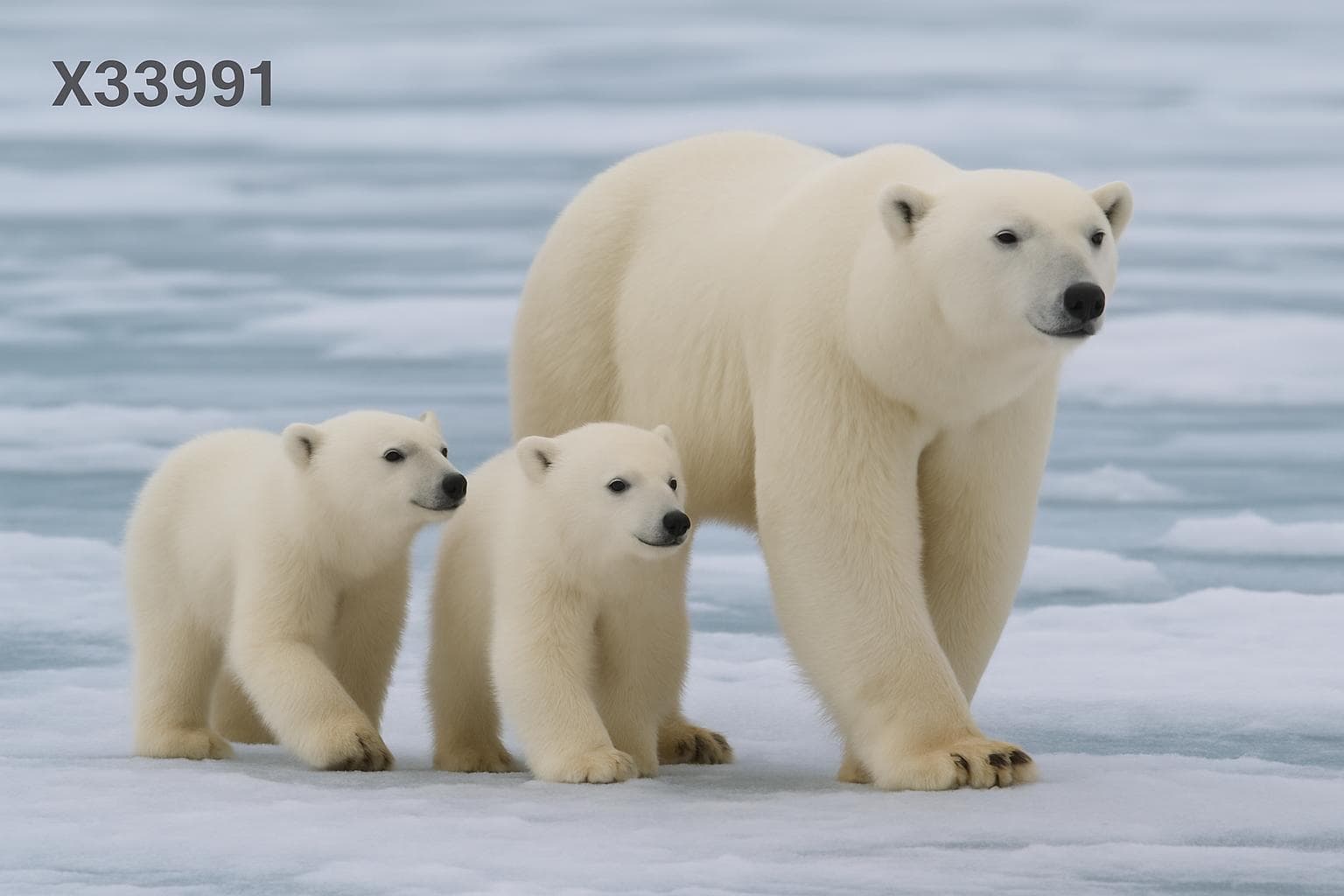
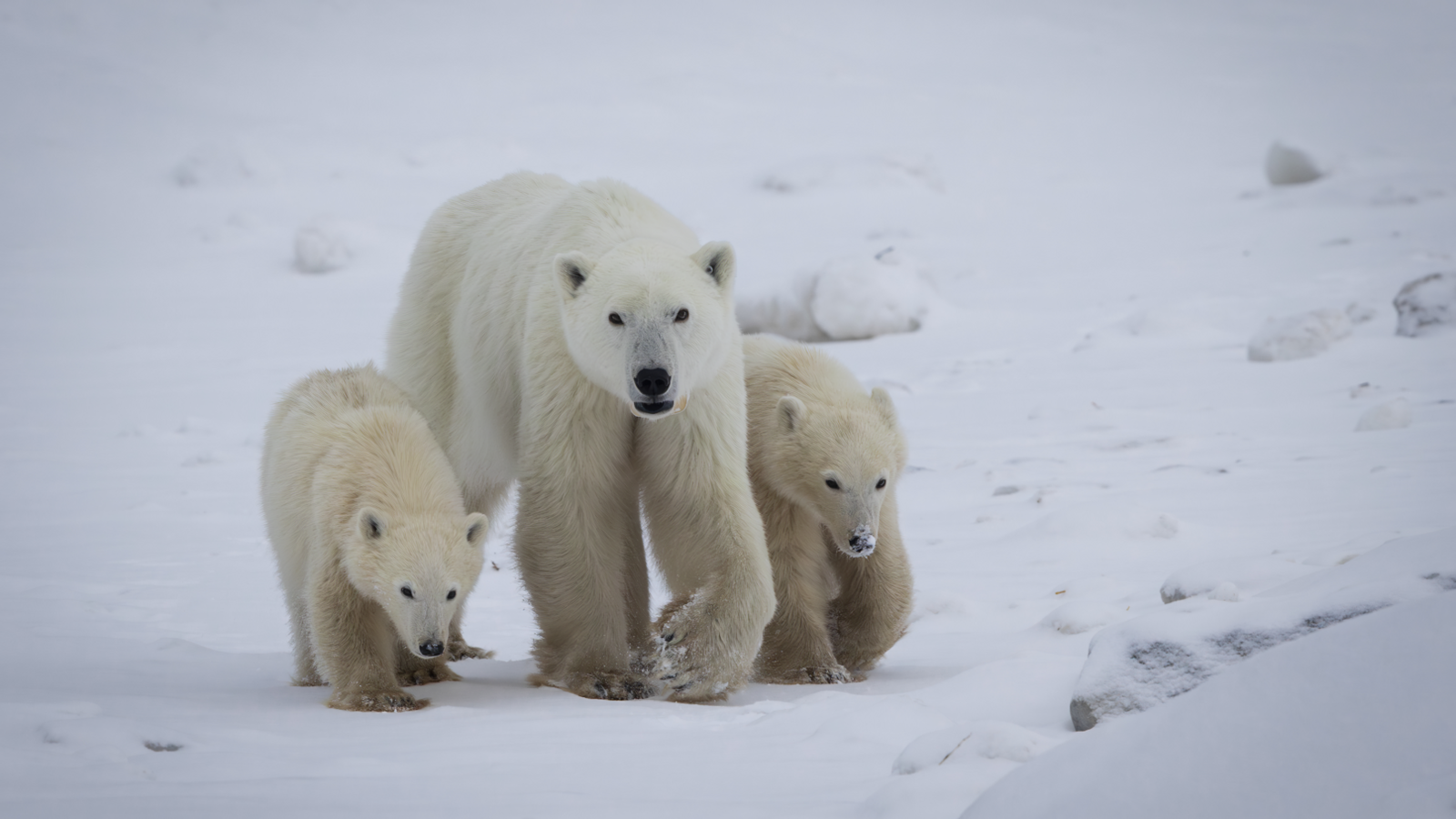
The adoption was first noted when scientists from Polar Bears International placed a GPS collar on a female polar bear, identified as bear X33991, in the spring. At that time, she was accompanied by a single cub. However, by the fall, the same bear was seen with two cubs of similar age, indicating an adoption had occurred. "Female polar bears are really good moms," said Evan Richardson, a research scientist with Environment and Climate Change Canada. "They’re just primed for looking after and caring for their offspring."
Understanding the Adoption
This case marks only the 13th documented adoption among the 4,600 polar bears studied over nearly five decades in the area. Researchers are currently analyzing genetic samples to determine the fate of the adopted cub's biological mother. Alysa McCall of Polar Bears International expressed mixed feelings about the adoption, noting that while it is an "amazing" sight, the reasons behind such behavior remain unclear.
Implications for Polar Bear Survival
The adoption could have significant implications for polar bear survival, particularly in the face of climate change. Polar bears in the wild face a 50% chance of reaching adulthood, but having a mother increases their odds. The adopted cubs, now on the sea ice with their adoptive mother, will learn essential survival skills, such as hunting seals. "It's just nice to know that the bears are looking out for each other," Richardson added.
WHAT THIS MIGHT MEAN
The rare adoption event highlights the complex social behaviors of polar bears and raises questions about the impact of climate change on their survival strategies. As Arctic ice continues to diminish, such adoptions could become more critical for the species' survival. Future research may focus on understanding the genetic and environmental factors influencing these adoptions, potentially offering insights into conservation strategies. The findings also underscore the importance of continued monitoring and protection of polar bear habitats to ensure their long-term survival in a rapidly changing environment.
Images from the Web
Related Articles

Canada and Australia Forge Strategic Partnership Amid Global Uncertainty

Canada Calls for De-escalation Amid US-Israel Strikes on Iran

Violence Erupts Across Mexico Following Death of Drug Lord El Mencho

OpenAI's Missed Warning: Tumbler Ridge Shooting Raises Questions on AI's Role in Violence Prevention

US Supreme Court Ruling on Trump's Tariffs Sparks Trade Policy Uncertainty

Trump's Tariff Strategy Faces Supreme Court Setback, New Measures Announced
Rare Polar Bear Adoption Documented in Canada: A Glimpse into Arctic Wildlife Behavior
In This Article
HIGHLIGHTS
- A rare case of polar bear adoption was documented in Western Hudson Bay, Canada, involving a mother bear adopting a cub not biologically her own.
- This is only the 13th recorded adoption among 4,600 polar bears studied over nearly five decades in the region.
- The mother bear, initially tagged with one cub, was later observed with two cubs, both appearing healthy and well-nourished.
- Researchers are investigating the biological mother's fate through genetic samples, as adoption cases sometimes involve "switching of litters."
- Polar bear adoptions are rare, but such behavior could enhance cub survival rates amid climate change challenges.
In a remarkable instance of wildlife behavior, researchers in northern Canada have documented a rare case of a polar bear adopting a cub that is not her biological offspring. This unusual event was observed during the annual polar bear migration along the Western Hudson Bay, near Churchill, Manitoba, a region renowned for its polar bear population.
A Rare Phenomenon in Polar Bear Behavior
The adoption was first noted when scientists from Polar Bears International placed a GPS collar on a female polar bear, identified as bear X33991, in the spring. At that time, she was accompanied by a single cub. However, by the fall, the same bear was seen with two cubs of similar age, indicating an adoption had occurred. "Female polar bears are really good moms," said Evan Richardson, a research scientist with Environment and Climate Change Canada. "They’re just primed for looking after and caring for their offspring."
Understanding the Adoption
This case marks only the 13th documented adoption among the 4,600 polar bears studied over nearly five decades in the area. Researchers are currently analyzing genetic samples to determine the fate of the adopted cub's biological mother. Alysa McCall of Polar Bears International expressed mixed feelings about the adoption, noting that while it is an "amazing" sight, the reasons behind such behavior remain unclear.
Implications for Polar Bear Survival
The adoption could have significant implications for polar bear survival, particularly in the face of climate change. Polar bears in the wild face a 50% chance of reaching adulthood, but having a mother increases their odds. The adopted cubs, now on the sea ice with their adoptive mother, will learn essential survival skills, such as hunting seals. "It's just nice to know that the bears are looking out for each other," Richardson added.
WHAT THIS MIGHT MEAN
The rare adoption event highlights the complex social behaviors of polar bears and raises questions about the impact of climate change on their survival strategies. As Arctic ice continues to diminish, such adoptions could become more critical for the species' survival. Future research may focus on understanding the genetic and environmental factors influencing these adoptions, potentially offering insights into conservation strategies. The findings also underscore the importance of continued monitoring and protection of polar bear habitats to ensure their long-term survival in a rapidly changing environment.
Images from the Web
Related Articles
Canada and Australia Forge Strategic Partnership Amid Global Uncertainty
Canada Calls for De-escalation Amid US-Israel Strikes on Iran
Violence Erupts Across Mexico Following Death of Drug Lord El Mencho
OpenAI's Missed Warning: Tumbler Ridge Shooting Raises Questions on AI's Role in Violence Prevention
US Supreme Court Ruling on Trump's Tariffs Sparks Trade Policy Uncertainty
Trump's Tariff Strategy Faces Supreme Court Setback, New Measures Announced