
RHS Unveils Strategic Plans to Safeguard UK Gardens Against Future Droughts
In This Article
HIGHLIGHTS
- The Royal Horticultural Society (RHS) plans to invest in water management projects by 2026 to combat future droughts.
- The UK experienced its driest spring in 132 years and its hottest summer on record last year, leading to widespread drought conditions.
- The RHS encourages gardeners to adopt water-saving practices like rain gardens and rainwater storage to prepare for erratic weather patterns.
- Projects will include increasing water storage, using grey water, and researching soil health to enhance drought resilience.
- Tim Upson of RHS emphasizes the importance of adapting to climate change to protect gardens and the environment.
In response to the increasing threat of climate change, the Royal Horticultural Society (RHS) has announced a comprehensive plan to protect its gardens from future water shortages. The initiative, set to be the charity's largest investment area by 2026, aims to enhance water capture and management across its five renowned gardens in England.
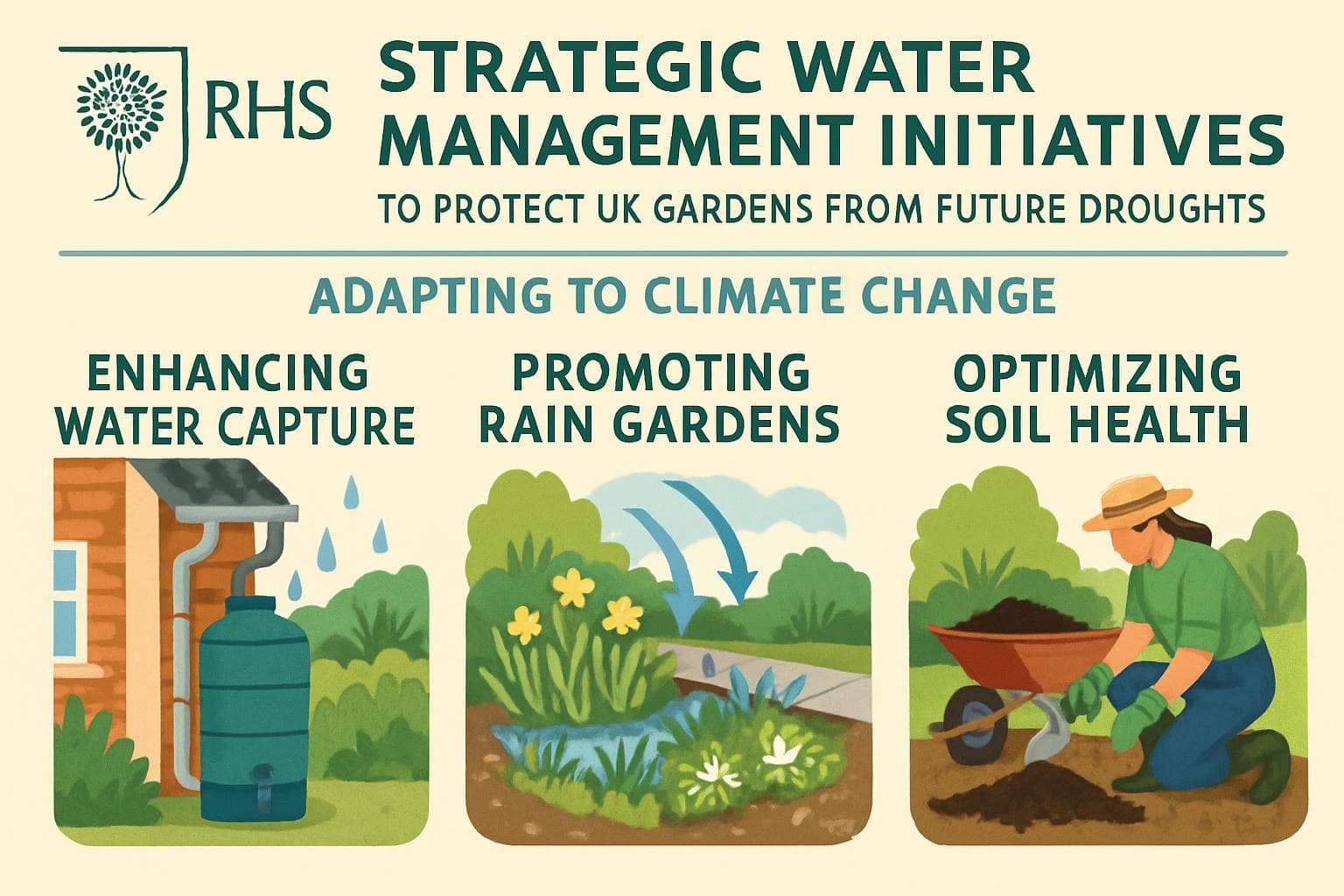
The UK faced its driest spring in 132 years and the hottest summer on record last year, resulting in severe drought conditions that affected many regions. As global warming continues to disrupt weather patterns, the RHS is urging gardeners to adopt similar water-saving measures this winter and spring. Recommended practices include improving soil structure through hollow tining and mulching, creating rain gardens, and installing rainwater storage systems.
Tim Upson, RHS director of horticulture, highlighted the critical role of water in maintaining garden health and biodiversity. "Water is the lifeblood of any garden," Upson stated, emphasizing the need for adaptation to the "new normal" of climate volatility.
Strategic Water Management Initiatives
The RHS's 2026 projects will focus on increasing water storage capacity in tanks and lakes, installing ebb-and-flow benches in retail centers to reduce water usage, and investing in rain garden installations. Additionally, the charity plans to research soil health and explore the use of grey water from domestic sources like baths and sinks.
The RHS is also reviewing water allocation strategies across its gardens, including Wisley in Surrey and Hyde Hall in Essex, to ensure efficient use of resources. By recording water use in various garden landscapes, the RHS aims to predict future water needs and optimize planting strategies.
Adapting to Climate Change
This initiative marks a significant shift in the RHS's approach to the climate crisis, focusing on adaptation to mitigate the impacts of global warming. Upson noted the importance of building plant resilience by balancing water provision to withstand drier periods.
As the climate crisis accelerates, the RHS's efforts to future-proof its gardens serve as a model for gardeners nationwide. By prioritizing rainwater collection and management, the charity aims to safeguard the environment and promote sustainable gardening practices.
WHAT THIS MIGHT MEAN
Looking ahead, the RHS's proactive measures could set a precedent for other environmental organizations and gardeners to follow. By investing in water management and soil health, the charity not only addresses immediate drought concerns but also contributes to long-term climate resilience. As the impacts of climate change become more pronounced, similar strategies may become essential for preserving biodiversity and ensuring sustainable water resources. Experts suggest that such initiatives could also influence policy changes, encouraging broader adoption of sustainable practices across the UK.
Related Articles

UK Government Eases Deer Culling to Protect Woodlands and Farmland

Canada and Australia Forge Strategic Partnership Amid Global Uncertainty

UK Government to Reform Asylum Seeker Support and Employment Policies

Middle East Conflict Drives UK Energy Prices to New Highs

UK Faces Dilemmas Amid Iran Conflict and China Spying Allegations

UK Reinforces Military Presence in Cyprus Amid Middle East Tensions
RHS Unveils Strategic Plans to Safeguard UK Gardens Against Future Droughts
In This Article
 Leila Hassan| Published
 HIGHLIGHTS
- The Royal Horticultural Society (RHS) plans to invest in water management projects by 2026 to combat future droughts.
- The UK experienced its driest spring in 132 years and its hottest summer on record last year, leading to widespread drought conditions.
- The RHS encourages gardeners to adopt water-saving practices like rain gardens and rainwater storage to prepare for erratic weather patterns.
- Projects will include increasing water storage, using grey water, and researching soil health to enhance drought resilience.
- Tim Upson of RHS emphasizes the importance of adapting to climate change to protect gardens and the environment.
In response to the increasing threat of climate change, the Royal Horticultural Society (RHS) has announced a comprehensive plan to protect its gardens from future water shortages. The initiative, set to be the charity's largest investment area by 2026, aims to enhance water capture and management across its five renowned gardens in England.
The UK faced its driest spring in 132 years and the hottest summer on record last year, resulting in severe drought conditions that affected many regions. As global warming continues to disrupt weather patterns, the RHS is urging gardeners to adopt similar water-saving measures this winter and spring. Recommended practices include improving soil structure through hollow tining and mulching, creating rain gardens, and installing rainwater storage systems.
Tim Upson, RHS director of horticulture, highlighted the critical role of water in maintaining garden health and biodiversity. "Water is the lifeblood of any garden," Upson stated, emphasizing the need for adaptation to the "new normal" of climate volatility.
Strategic Water Management Initiatives
The RHS's 2026 projects will focus on increasing water storage capacity in tanks and lakes, installing ebb-and-flow benches in retail centers to reduce water usage, and investing in rain garden installations. Additionally, the charity plans to research soil health and explore the use of grey water from domestic sources like baths and sinks.
The RHS is also reviewing water allocation strategies across its gardens, including Wisley in Surrey and Hyde Hall in Essex, to ensure efficient use of resources. By recording water use in various garden landscapes, the RHS aims to predict future water needs and optimize planting strategies.
Adapting to Climate Change
This initiative marks a significant shift in the RHS's approach to the climate crisis, focusing on adaptation to mitigate the impacts of global warming. Upson noted the importance of building plant resilience by balancing water provision to withstand drier periods.
As the climate crisis accelerates, the RHS's efforts to future-proof its gardens serve as a model for gardeners nationwide. By prioritizing rainwater collection and management, the charity aims to safeguard the environment and promote sustainable gardening practices.
WHAT THIS MIGHT MEAN
Looking ahead, the RHS's proactive measures could set a precedent for other environmental organizations and gardeners to follow. By investing in water management and soil health, the charity not only addresses immediate drought concerns but also contributes to long-term climate resilience. As the impacts of climate change become more pronounced, similar strategies may become essential for preserving biodiversity and ensuring sustainable water resources. Experts suggest that such initiatives could also influence policy changes, encouraging broader adoption of sustainable practices across the UK.
Related Articles
UK Government Eases Deer Culling to Protect Woodlands and Farmland
Canada and Australia Forge Strategic Partnership Amid Global Uncertainty
UK Government to Reform Asylum Seeker Support and Employment Policies
Middle East Conflict Drives UK Energy Prices to New Highs
UK Faces Dilemmas Amid Iran Conflict and China Spying Allegations
UK Reinforces Military Presence in Cyprus Amid Middle East Tensions