
Roman Industrial Hub Unearthed in Sunderland: A Historic Discovery
In This Article
HIGHLIGHTS
- A Roman industrial hub was discovered at Offerton near Sunderland, revealing over 800 whetstones used for sharpening tools.
- The site, found by the River Wear, is the largest known whetstone production site in north-west Europe.
- Excavations led by the Vedra Hylton Community Association and Durham University suggest the site was active between AD104 and AD238.
- The discovery includes other historical artifacts, indicating Offerton's continuous significance through different eras.
- This find places Sunderland on the Roman map, highlighting its role in Roman Britain's trade network.
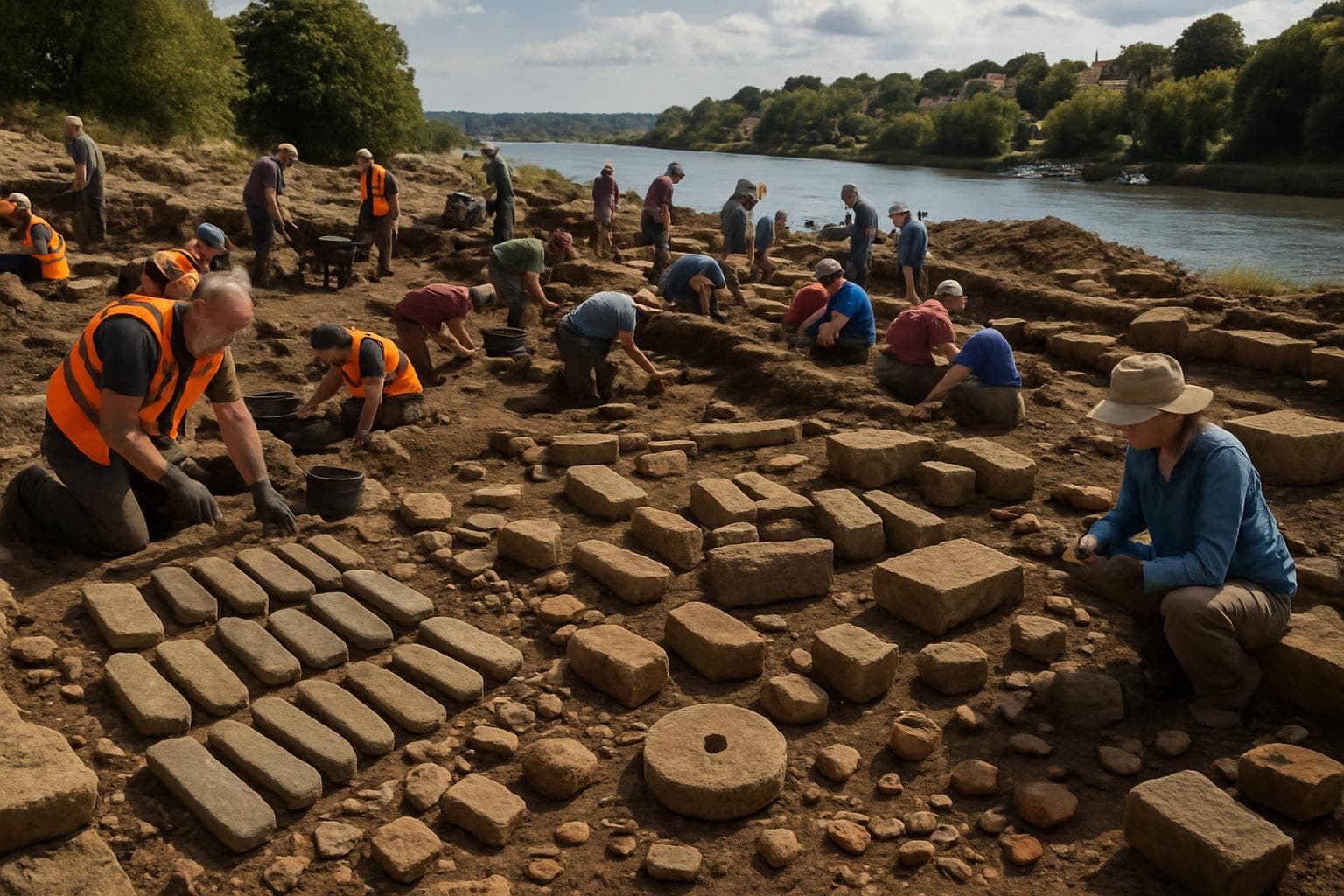
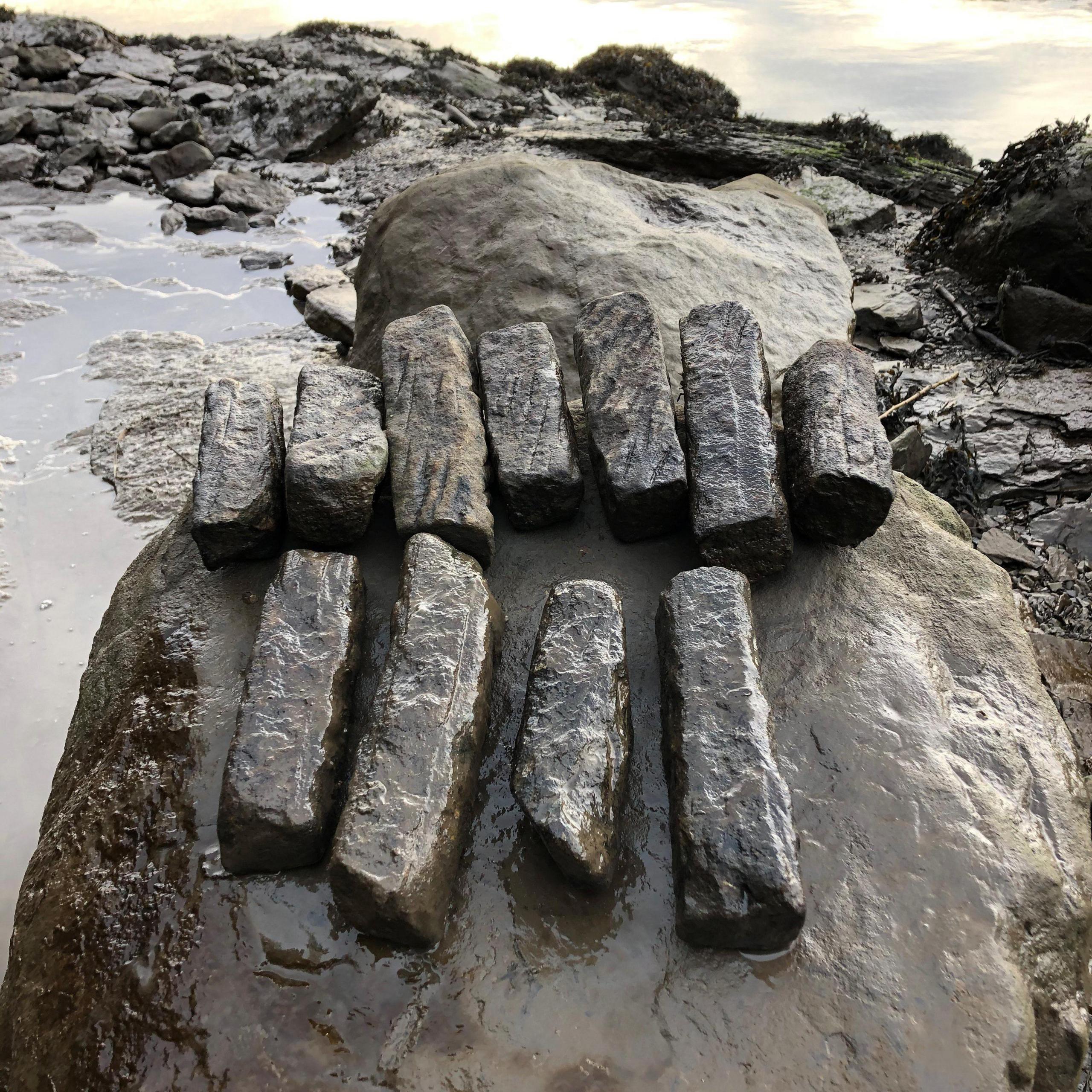
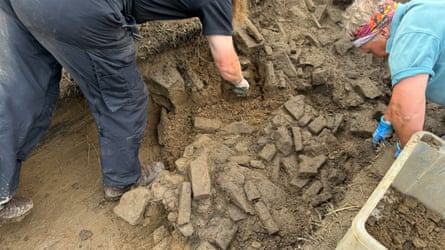
A remarkable archaeological discovery has unveiled a significant Roman industrial hub on the banks of the River Wear at Offerton, near Sunderland. This site, hidden in plain sight for centuries, has yielded over 800 whetstones, marking it as the largest known whetstone production site in north-west Europe.
Uncovering the Past
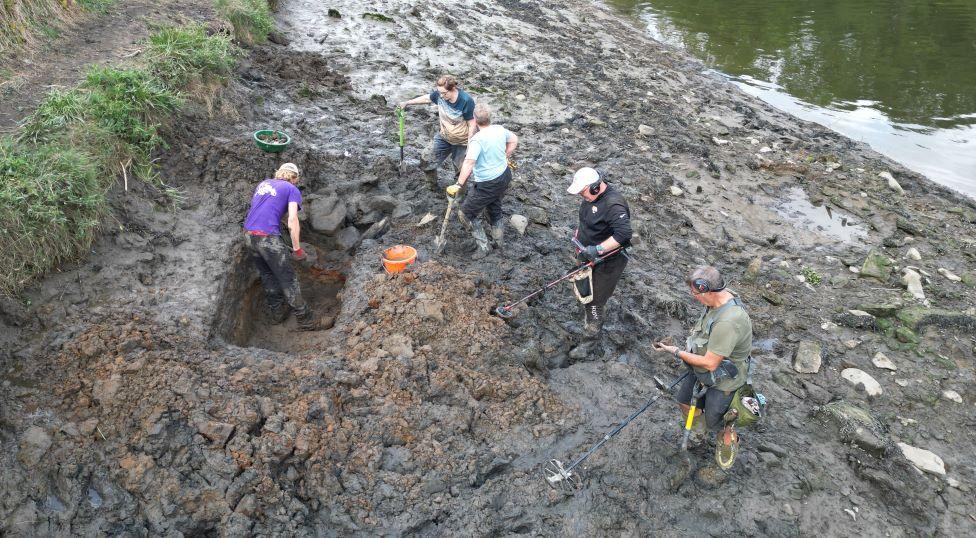
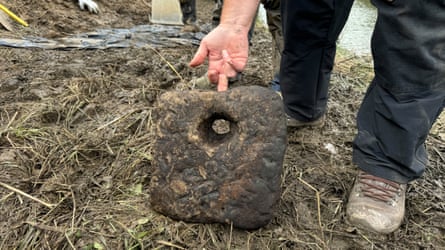
The excavation, which began in February 2025, was spearheaded by the Vedra Hylton Community Association with support from Durham University. Allyson Timm, a member of the excavation team, initially mistook the whetstones for "Mars Bar stones" due to their shape. "I'm so pleased to be part of the dig," she remarked, highlighting the collaborative effort that led to this historic find.
A Hub of Roman Manufacturing
The Offerton site is believed to have been a bustling center for whetstone production, utilizing sandstone quarried from the north riverbank. Gary Bankhead, president of the Vedra Hylton Community Association and an honorary fellow at Durham University, emphasized the site's significance. "It's probably the largest number of whetstones found in the entire north-west of Europe," he stated.
The discovery of 11 stone anchors further supports the theory that Offerton was a key trading hub, facilitating the transport of whetstones across the British Isles and beyond. This positions Sunderland as an integral part of Roman Britain's sophisticated manufacturing and trade network.
A Tapestry of History
Beyond the Roman era, the site has revealed artifacts from various periods, including a Tudor leather shoe and cannonballs from the English Civil War. These findings suggest that Offerton was a site of continuous historical importance, with evidence of a post-medieval settlement and a Civil War skirmish.
"This isn't just a Roman site; it's Sunderland's story revealed through the dedication of local volunteers and researchers," Bankhead noted, underscoring the site's rich historical tapestry.
WHAT THIS MIGHT MEAN
The discovery at Offerton could significantly alter our understanding of Roman Britain's industrial landscape, particularly in the north of England. As further excavations continue, more artifacts may emerge, providing deeper insights into the site's historical significance and its role in ancient trade networks.
Experts suggest that this find could lead to increased archaeological interest in the region, potentially uncovering more sites that contribute to the narrative of Roman Britain. Additionally, the discovery may attract tourism and educational opportunities, fostering a greater appreciation for Sunderland's historical heritage.
As researchers delve deeper into the Offerton site, the potential for rewriting parts of Roman Britain's history becomes increasingly likely, offering a new perspective on the region's past and its connections to the broader Roman Empire.
Images from the Web
Related Articles

Discovery of Roman Villa in Wales Redefines Historical Understanding of Region

UK New Year's Eve Celebrations: Joy in Sunderland, Disappointment in Birmingham

Tragic Funfair Accident Claims Life of Worker in North Tyneside

Tragic Police Chase Ends in Fatal Care Home Crash in Sunderland

Nissan's New Leaf: A Boost for UK Electric Vehicle Production

UK Government Pledges to Boost Electric Vehicle Affordability and Infrastructure
Roman Industrial Hub Unearthed in Sunderland: A Historic Discovery
In This Article
 Ethan Brooks| Published
 HIGHLIGHTS
- A Roman industrial hub was discovered at Offerton near Sunderland, revealing over 800 whetstones used for sharpening tools.
- The site, found by the River Wear, is the largest known whetstone production site in north-west Europe.
- Excavations led by the Vedra Hylton Community Association and Durham University suggest the site was active between AD104 and AD238.
- The discovery includes other historical artifacts, indicating Offerton's continuous significance through different eras.
- This find places Sunderland on the Roman map, highlighting its role in Roman Britain's trade network.
A remarkable archaeological discovery has unveiled a significant Roman industrial hub on the banks of the River Wear at Offerton, near Sunderland. This site, hidden in plain sight for centuries, has yielded over 800 whetstones, marking it as the largest known whetstone production site in north-west Europe.
Uncovering the Past
The excavation, which began in February 2025, was spearheaded by the Vedra Hylton Community Association with support from Durham University. Allyson Timm, a member of the excavation team, initially mistook the whetstones for "Mars Bar stones" due to their shape. "I'm so pleased to be part of the dig," she remarked, highlighting the collaborative effort that led to this historic find.
A Hub of Roman Manufacturing
The Offerton site is believed to have been a bustling center for whetstone production, utilizing sandstone quarried from the north riverbank. Gary Bankhead, president of the Vedra Hylton Community Association and an honorary fellow at Durham University, emphasized the site's significance. "It's probably the largest number of whetstones found in the entire north-west of Europe," he stated.
The discovery of 11 stone anchors further supports the theory that Offerton was a key trading hub, facilitating the transport of whetstones across the British Isles and beyond. This positions Sunderland as an integral part of Roman Britain's sophisticated manufacturing and trade network.
A Tapestry of History
Beyond the Roman era, the site has revealed artifacts from various periods, including a Tudor leather shoe and cannonballs from the English Civil War. These findings suggest that Offerton was a site of continuous historical importance, with evidence of a post-medieval settlement and a Civil War skirmish.
"This isn't just a Roman site; it's Sunderland's story revealed through the dedication of local volunteers and researchers," Bankhead noted, underscoring the site's rich historical tapestry.
WHAT THIS MIGHT MEAN
The discovery at Offerton could significantly alter our understanding of Roman Britain's industrial landscape, particularly in the north of England. As further excavations continue, more artifacts may emerge, providing deeper insights into the site's historical significance and its role in ancient trade networks.
Experts suggest that this find could lead to increased archaeological interest in the region, potentially uncovering more sites that contribute to the narrative of Roman Britain. Additionally, the discovery may attract tourism and educational opportunities, fostering a greater appreciation for Sunderland's historical heritage.
As researchers delve deeper into the Offerton site, the potential for rewriting parts of Roman Britain's history becomes increasingly likely, offering a new perspective on the region's past and its connections to the broader Roman Empire.
Images from the Web
Related Articles
Discovery of Roman Villa in Wales Redefines Historical Understanding of Region
UK New Year's Eve Celebrations: Joy in Sunderland, Disappointment in Birmingham
Tragic Funfair Accident Claims Life of Worker in North Tyneside
Tragic Police Chase Ends in Fatal Care Home Crash in Sunderland
Nissan's New Leaf: A Boost for UK Electric Vehicle Production
UK Government Pledges to Boost Electric Vehicle Affordability and Infrastructure