
Controversial Fresco in Rome Church Erased Amid Likeness to Italian PM
In This Article
HIGHLIGHTS
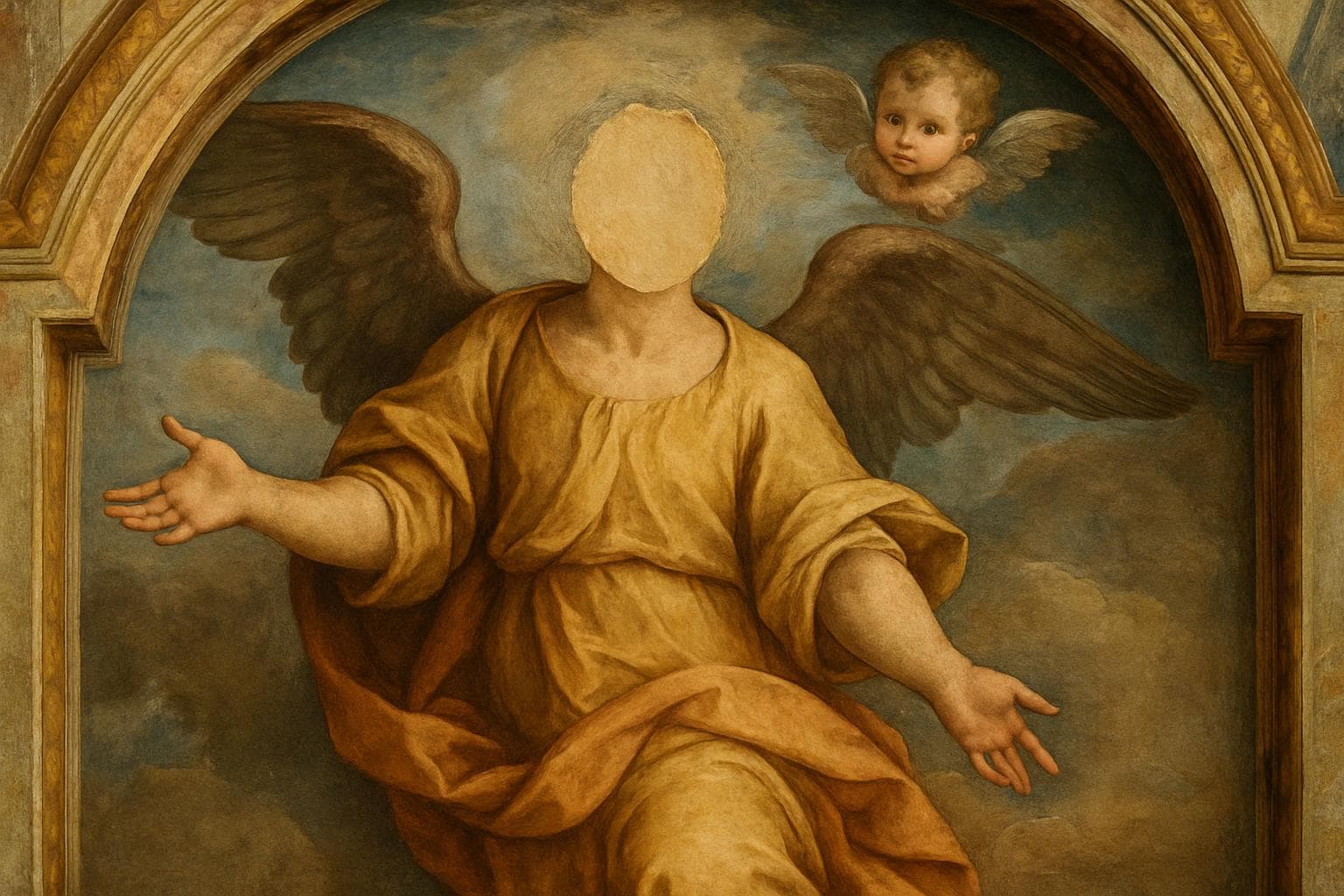
- An angel's face in a Rome church fresco resembling Italian PM Giorgia Meloni was erased after sparking controversy.
- Artist Bruno Valentinetti admitted to painting Meloni's likeness, leading to a Vatican-ordered removal.
- The fresco, located in the Basilica of St Lawrence, drew crowds and prompted investigations by church and government officials.
- The incident raised concerns about the misuse of sacred art, with opposition politicians criticizing potential propaganda.
- The fresco was originally painted in 2000 and is not heritage protected, requiring future restorations to be authorized.
A fresco in Rome's historic Basilica of St Lawrence in Lucina has become the center of a heated debate after an angel's face, bearing a striking resemblance to Italian Prime Minister Giorgia Meloni, was removed. The controversy erupted after the fresco's restoration by artist Bruno Valentinetti, who initially denied but later admitted to painting Meloni's likeness.
Artistic Controversy and Vatican Intervention
The fresco, which was originally painted in 2000 and is not protected by heritage regulations, depicted a cherub holding a map of Italy. Valentinetti, 83, confessed to La Repubblica that the resemblance to Meloni was intentional, though he claimed it was similar to the original. Following public outcry and media attention, the Vatican instructed Valentinetti to erase the face, leaving the cherub headless.
Public Reaction and Investigations
The incident attracted numerous visitors to the basilica, eager to witness the controversial artwork. Rev. Daniele Michelett, the church's priest, noted the influx of curious onlookers, which disrupted regular worship activities. Both the Italian culture ministry and the Diocese of Rome launched investigations, with Cardinal Baldassare Reina expressing disappointment over the misuse of sacred art.
Political and Cultural Implications
Opposition politicians, including members of the Five Star Movement, criticized the incident, warning against the potential use of art as propaganda. Meloni herself responded lightheartedly, sharing an image of the fresco on Instagram with the caption, "No, I definitely don’t look like an angel," accompanied by a laughing emoji.
Future Restoration Guidelines
In light of the controversy, the government agency responsible for preserving Rome's cultural sites has mandated that any future restoration work on the fresco must receive prior authorization and include a sketch of the proposed image.
WHAT THIS MIGHT MEAN
The removal of the fresco's controversial likeness to Prime Minister Giorgia Meloni highlights the delicate balance between artistic expression and the preservation of sacred art. Moving forward, the Vatican and Italian cultural authorities may implement stricter guidelines for art restoration in religious settings to prevent similar incidents. This case also underscores the potential for art to become entangled in political discourse, prompting discussions on the role of cultural heritage in contemporary society. As the investigations continue, the outcome could influence future policies on art restoration and the protection of cultural sites in Italy.
Related Articles
Rai Sport Chief Resigns Amid Olympic Commentary Controversy
Fujiyoshida Cancels Cherry Blossom Festival Amid Tourist Crisis
Valentino Garavani: A Legacy of Italian Glamour and Elegance
St Francis of Assisi's Bones Draw Global Pilgrims to Italy
Sicilian Man Trains Dog for Illegal Rubbish Dumping, Faces Fine

Avalanche Risks Surge Amidst Extreme Weather Conditions in California and Europe
Controversial Fresco in Rome Church Erased Amid Likeness to Italian PM
In This Article
 Marcus Blake| Published
 HIGHLIGHTS
- An angel's face in a Rome church fresco resembling Italian PM Giorgia Meloni was erased after sparking controversy.
- Artist Bruno Valentinetti admitted to painting Meloni's likeness, leading to a Vatican-ordered removal.
- The fresco, located in the Basilica of St Lawrence, drew crowds and prompted investigations by church and government officials.
- The incident raised concerns about the misuse of sacred art, with opposition politicians criticizing potential propaganda.
- The fresco was originally painted in 2000 and is not heritage protected, requiring future restorations to be authorized.
A fresco in Rome's historic Basilica of St Lawrence in Lucina has become the center of a heated debate after an angel's face, bearing a striking resemblance to Italian Prime Minister Giorgia Meloni, was removed. The controversy erupted after the fresco's restoration by artist Bruno Valentinetti, who initially denied but later admitted to painting Meloni's likeness.
Artistic Controversy and Vatican Intervention
The fresco, which was originally painted in 2000 and is not protected by heritage regulations, depicted a cherub holding a map of Italy. Valentinetti, 83, confessed to La Repubblica that the resemblance to Meloni was intentional, though he claimed it was similar to the original. Following public outcry and media attention, the Vatican instructed Valentinetti to erase the face, leaving the cherub headless.
Public Reaction and Investigations
The incident attracted numerous visitors to the basilica, eager to witness the controversial artwork. Rev. Daniele Michelett, the church's priest, noted the influx of curious onlookers, which disrupted regular worship activities. Both the Italian culture ministry and the Diocese of Rome launched investigations, with Cardinal Baldassare Reina expressing disappointment over the misuse of sacred art.
Political and Cultural Implications
Opposition politicians, including members of the Five Star Movement, criticized the incident, warning against the potential use of art as propaganda. Meloni herself responded lightheartedly, sharing an image of the fresco on Instagram with the caption, "No, I definitely don’t look like an angel," accompanied by a laughing emoji.
Future Restoration Guidelines
In light of the controversy, the government agency responsible for preserving Rome's cultural sites has mandated that any future restoration work on the fresco must receive prior authorization and include a sketch of the proposed image.
WHAT THIS MIGHT MEAN
The removal of the fresco's controversial likeness to Prime Minister Giorgia Meloni highlights the delicate balance between artistic expression and the preservation of sacred art. Moving forward, the Vatican and Italian cultural authorities may implement stricter guidelines for art restoration in religious settings to prevent similar incidents. This case also underscores the potential for art to become entangled in political discourse, prompting discussions on the role of cultural heritage in contemporary society. As the investigations continue, the outcome could influence future policies on art restoration and the protection of cultural sites in Italy.
Related Articles
Rai Sport Chief Resigns Amid Olympic Commentary Controversy
Fujiyoshida Cancels Cherry Blossom Festival Amid Tourist Crisis
Valentino Garavani: A Legacy of Italian Glamour and Elegance
St Francis of Assisi's Bones Draw Global Pilgrims to Italy
Sicilian Man Trains Dog for Illegal Rubbish Dumping, Faces Fine
Avalanche Risks Surge Amidst Extreme Weather Conditions in California and Europe