
EU Prepares Response to Trump's Greenland Tariff Threat Amid Rising Tensions
In This Article
HIGHLIGHTS
- The EU is considering retaliatory tariffs against the US following President Trump's threat over Greenland.
- An emergency EU summit is planned to discuss potential countermeasures, including the Anti-Coercion Instrument.
- European leaders, including Emmanuel Macron, have criticized Trump's actions as "blackmail" and a threat to transatlantic relations.
- Italy's Giorgia Meloni suggests a diplomatic approach, highlighting a "problem of understanding" with Trump's administration.
- The EU's response remains uncertain, with a focus on dialogue and maintaining international order.
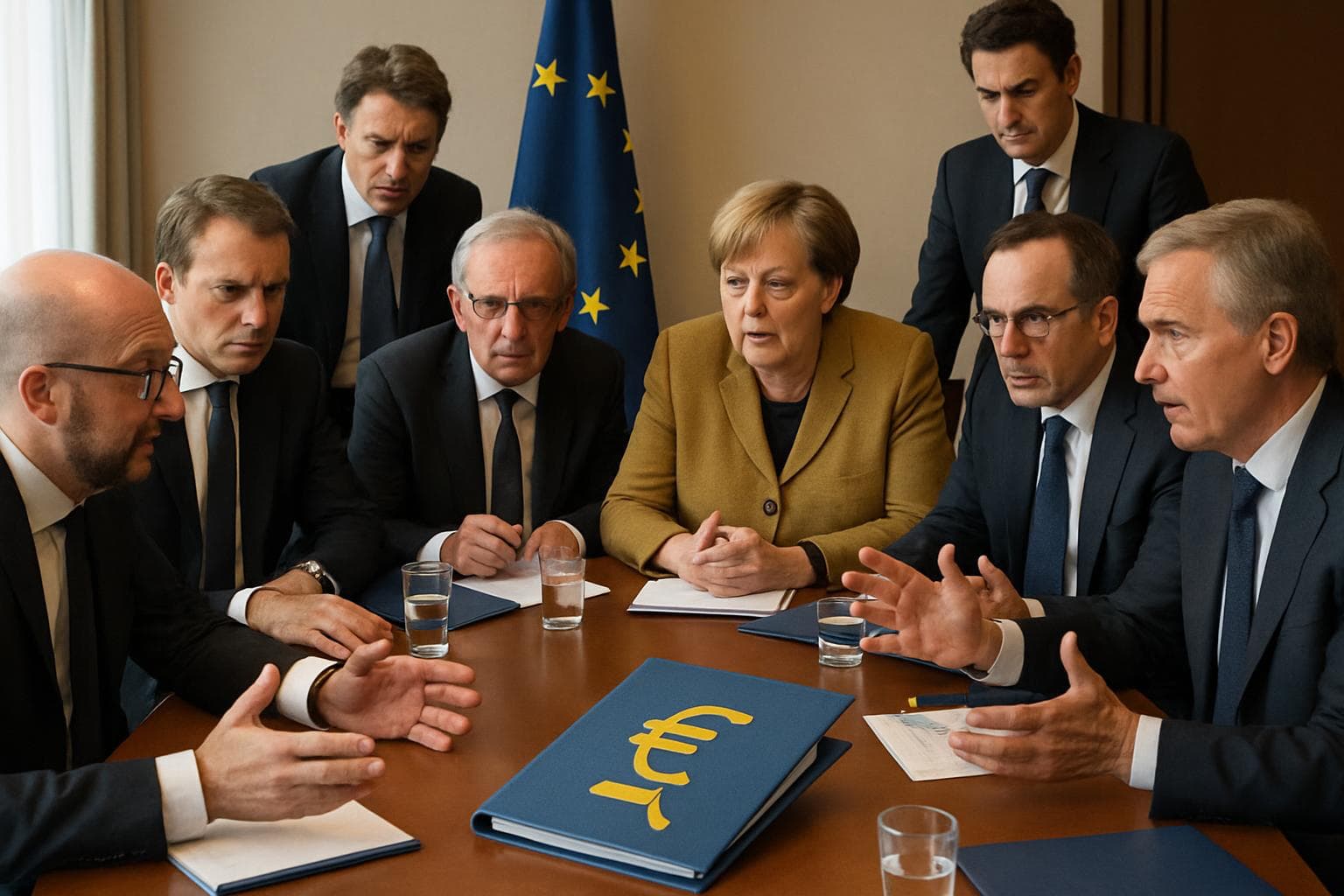
The European Union is on high alert following President Donald Trump's recent threat to impose tariffs on EU countries opposing his controversial plans regarding Greenland. This development has prompted European leaders to consider a range of retaliatory measures, including the activation of the Anti-Coercion Instrument (ACI), a powerful economic tool designed to counter external economic pressure.
EU Leaders Weigh Options
In response to Trump's aggressive stance, EU leaders are convening an emergency summit to deliberate on potential countermeasures. French President Emmanuel Macron has been vocal about employing the ACI, often referred to as the "trade bazooka," to defend European sovereignty. This instrument would enable the EU to impose counter-tariffs, restrict access to the Single Market, and block applications for lucrative EU contracts.
Diplomatic Strains and Calls for Unity
The situation has sparked a wave of criticism from European leaders, who have described Trump's actions as "blackmail" and a threat to transatlantic diplomacy. A joint statement from Denmark, Norway, Sweden, France, Germany, the UK, the Netherlands, and Finland emphasized their commitment to upholding sovereignty and warned against a dangerous downward spiral in EU-US trade relations.
Divergent Views Within the EU
Despite the urgency, the EU remains divided on the best course of action. Italy's Prime Minister Giorgia Meloni has advocated for a more diplomatic approach, citing a "problem of understanding and communication" with the US. Her stance suggests a preference for dialogue over immediate economic retaliation.
Uncertain Path Forward
As the EU grapples with its response, the potential for a full-blown trade war looms large. The bloc's previous package of counter-tariffs on €93 billion worth of US goods, suspended after a trade deal last summer, could be reactivated. However, EU diplomats stress the importance of maintaining dialogue with the US to avoid escalating tensions further.
WHAT THIS MIGHT MEAN
The EU's decision on how to respond to Trump's tariff threats could significantly impact transatlantic relations. If the bloc opts for economic retaliation, it risks a trade war that could destabilize global markets. Conversely, a diplomatic approach might preserve dialogue but could be perceived as weakness, potentially emboldening further US demands. Experts suggest that the EU's ability to present a united front will be crucial in navigating this complex geopolitical challenge. As the situation unfolds, the international community will be watching closely to see how these developments influence the broader landscape of global trade and diplomacy.
Related Articles

UK-Iran Tensions: Starmer Defends Cautious Approach Amid Trump Criticism
Canada and Australia Forge Strategic Partnership Amid Global Uncertainty
Tech Giants Pledge to Cover AI Data Center Energy Costs Amid Rising Electricity Concerns
UK Government to Reform Asylum Seeker Support and Employment Policies
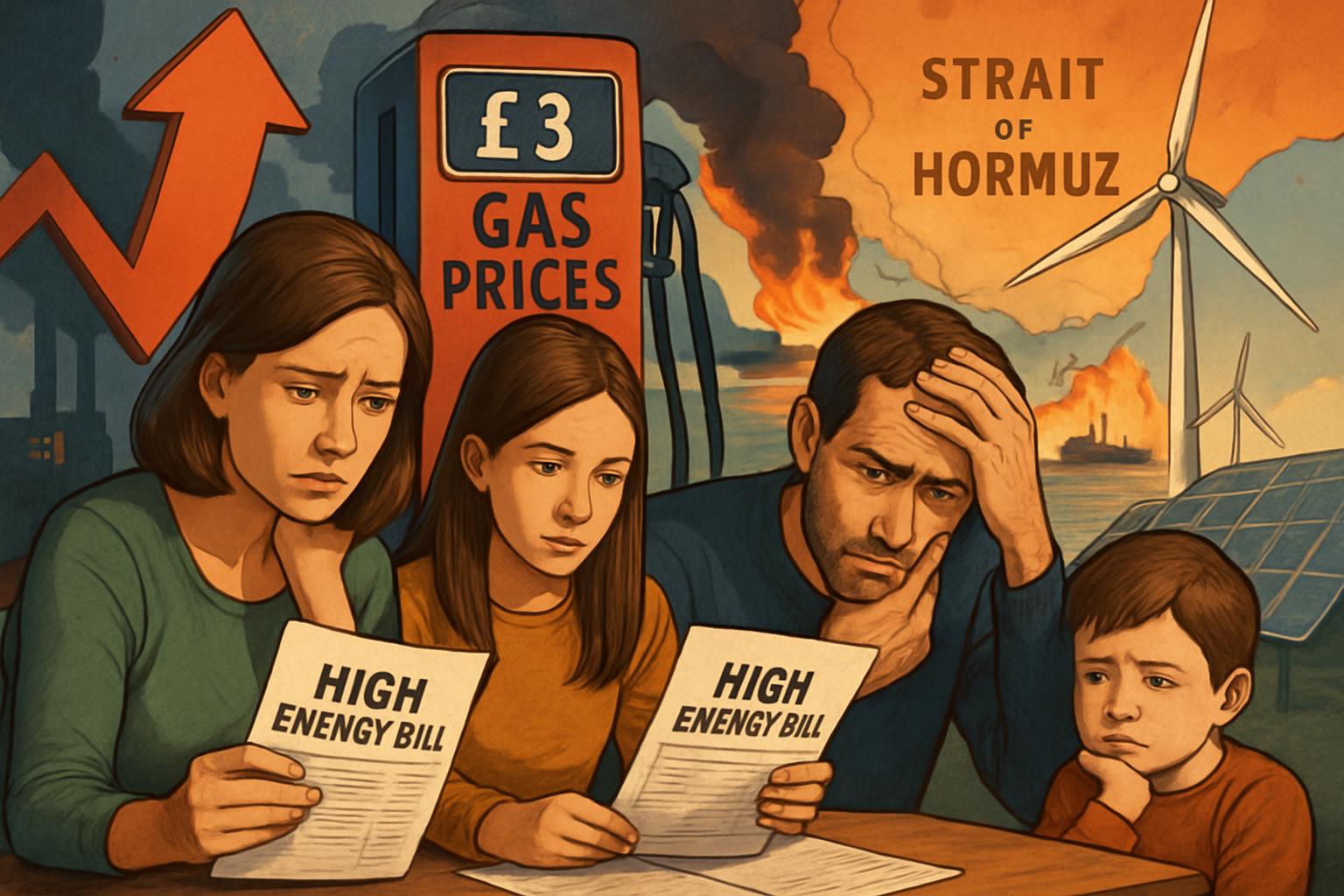
Middle East Conflict Drives UK Energy Prices to New Highs

UK Faces Dilemmas Amid Iran Conflict and China Spying Allegations
EU Prepares Response to Trump's Greenland Tariff Threat Amid Rising Tensions
In This Article
 Alex Carter| Published
 HIGHLIGHTS
- The EU is considering retaliatory tariffs against the US following President Trump's threat over Greenland.
- An emergency EU summit is planned to discuss potential countermeasures, including the Anti-Coercion Instrument.
- European leaders, including Emmanuel Macron, have criticized Trump's actions as "blackmail" and a threat to transatlantic relations.
- Italy's Giorgia Meloni suggests a diplomatic approach, highlighting a "problem of understanding" with Trump's administration.
- The EU's response remains uncertain, with a focus on dialogue and maintaining international order.
The European Union is on high alert following President Donald Trump's recent threat to impose tariffs on EU countries opposing his controversial plans regarding Greenland. This development has prompted European leaders to consider a range of retaliatory measures, including the activation of the Anti-Coercion Instrument (ACI), a powerful economic tool designed to counter external economic pressure.
EU Leaders Weigh Options
In response to Trump's aggressive stance, EU leaders are convening an emergency summit to deliberate on potential countermeasures. French President Emmanuel Macron has been vocal about employing the ACI, often referred to as the "trade bazooka," to defend European sovereignty. This instrument would enable the EU to impose counter-tariffs, restrict access to the Single Market, and block applications for lucrative EU contracts.
Diplomatic Strains and Calls for Unity
The situation has sparked a wave of criticism from European leaders, who have described Trump's actions as "blackmail" and a threat to transatlantic diplomacy. A joint statement from Denmark, Norway, Sweden, France, Germany, the UK, the Netherlands, and Finland emphasized their commitment to upholding sovereignty and warned against a dangerous downward spiral in EU-US trade relations.
Divergent Views Within the EU
Despite the urgency, the EU remains divided on the best course of action. Italy's Prime Minister Giorgia Meloni has advocated for a more diplomatic approach, citing a "problem of understanding and communication" with the US. Her stance suggests a preference for dialogue over immediate economic retaliation.
Uncertain Path Forward
As the EU grapples with its response, the potential for a full-blown trade war looms large. The bloc's previous package of counter-tariffs on €93 billion worth of US goods, suspended after a trade deal last summer, could be reactivated. However, EU diplomats stress the importance of maintaining dialogue with the US to avoid escalating tensions further.
WHAT THIS MIGHT MEAN
The EU's decision on how to respond to Trump's tariff threats could significantly impact transatlantic relations. If the bloc opts for economic retaliation, it risks a trade war that could destabilize global markets. Conversely, a diplomatic approach might preserve dialogue but could be perceived as weakness, potentially emboldening further US demands. Experts suggest that the EU's ability to present a united front will be crucial in navigating this complex geopolitical challenge. As the situation unfolds, the international community will be watching closely to see how these developments influence the broader landscape of global trade and diplomacy.
Related Articles
UK-Iran Tensions: Starmer Defends Cautious Approach Amid Trump Criticism
Canada and Australia Forge Strategic Partnership Amid Global Uncertainty
Tech Giants Pledge to Cover AI Data Center Energy Costs Amid Rising Electricity Concerns
UK Government to Reform Asylum Seeker Support and Employment Policies
Middle East Conflict Drives UK Energy Prices to New Highs
UK Faces Dilemmas Amid Iran Conflict and China Spying Allegations