
Increased Security Measures for Jewish Communities After Bondi Beach Terror Attack

In This Article
HIGHLIGHTS
- Two gunmen, Sajid and Naveed Akram, killed 15 people at a Hanukkah event in Bondi Beach, Sydney, in what has been declared a terror attack.
- The Police Service of Northern Ireland and West Midlands Police have increased patrols to reassure Jewish communities following the attack.
- Australian Prime Minister Anthony Albanese has dismissed claims linking the attack to an Islamic State cell and announced plans for stricter gun control laws.
- Jewish communities worldwide are in shock, with leaders calling for stronger actions against antisemitism and hate crimes.
- A Pakistani man falsely identified as a shooter has experienced significant distress, while a hero who tackled a gunman is recovering in hospital.
In the wake of a devastating terror attack at Bondi Beach, Sydney, where 15 people were killed during a Hanukkah celebration, police forces across the UK and Ireland have heightened security measures to protect Jewish communities. The attack, carried out by Sajid Akram, 50, and his son Naveed Akram, 24, has been condemned globally as an act of antisemitism.
Heightened Security Across Regions
The Police Service of Northern Ireland (PSNI) and West Midlands Police have announced increased patrols in areas with significant Jewish populations. Superintendent Yvonne McManus of the PSNI emphasized the importance of providing a "visible and reassuring policing presence" to support the Jewish community in Northern Ireland. Similarly, West Midlands Police have engaged with local Jewish leaders to offer support and safety advice as numerous Hanukkah events are scheduled in the coming days.
Global Shock and Calls for Action
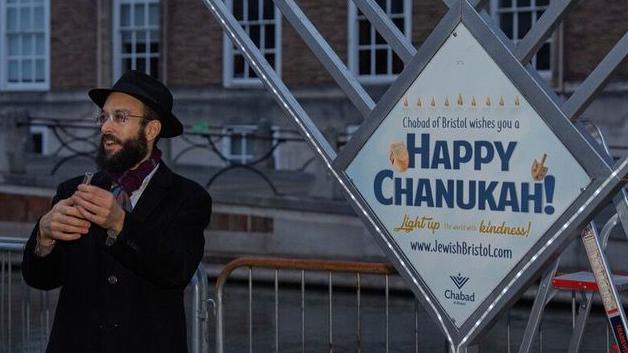
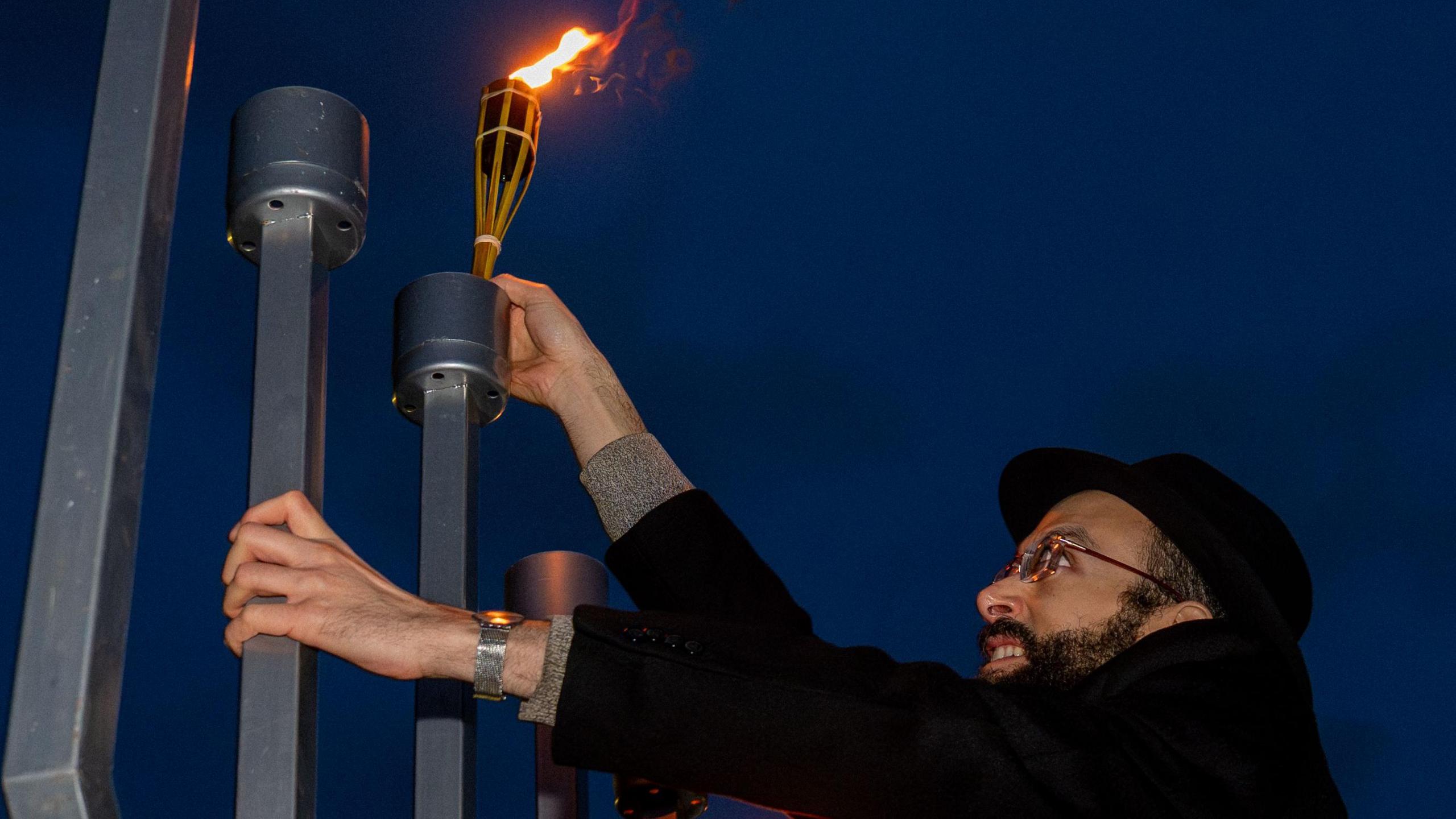
The attack has sent shockwaves through Jewish communities worldwide. Rabbi Mendy from Bristol expressed the collective grief and fear felt by many, yet noted the resilience and unity within the community. Leaders like Nathan Hartley of the Bath & North East Somerset Faith Foundation have called for legislative action against Holocaust denial in the UK, aligning with laws in several other countries.
Australian Response and Gun Control Debate
In Australia, Prime Minister Anthony Albanese has announced intentions to tighten gun control laws, limiting firearm ownership to Australian citizens. He refuted claims of the attackers' links to an Islamic State cell and dismissed suggestions that Australia's recognition of a Palestinian state contributed to the attack. The incident, Australia's deadliest since 1996, has reignited debates on gun violence and antisemitism.
Personal Stories and Misinformation
The attack has also led to personal tragedies and misinformation. A Pakistani man, wrongly identified as one of the shooters, described his ordeal as a "nightmare." Meanwhile, Ahmed al-Ahmed, who bravely confronted one of the gunmen, is recovering in hospital, with a GoFundMe campaign raising over $1.3 million for his medical expenses.
WHAT THIS MIGHT MEAN
The Bondi Beach attack has prompted a swift response from law enforcement and political leaders, highlighting the ongoing threat of antisemitism. Increased security measures may provide temporary reassurance, but long-term solutions require addressing the root causes of hate crimes. The proposed gun control reforms in Australia could set a precedent for other nations grappling with similar issues. However, the effectiveness of these measures will depend on their implementation and the broader societal commitment to combating antisemitism and misinformation. As communities mourn, the global Jewish community's resilience and calls for action may drive significant policy changes in the fight against hate.
Images from the Web
Related Articles

Tragedy Strikes County Armagh: Three Dead in Multi-Vehicle Collision

Canada and Australia Forge Strategic Partnership Amid Global Uncertainty

UK Government to Reform Asylum Seeker Support and Employment Policies

Sisters Tragically Drown at Eryri National Park's Watkin Path

UK Faces Dilemmas Amid Iran Conflict and China Spying Allegations

UK Reinforces Military Presence in Cyprus Amid Middle East Tensions
Increased Security Measures for Jewish Communities After Bondi Beach Terror Attack
In This Article
 Ethan Brooks| Published
 HIGHLIGHTS
- Two gunmen, Sajid and Naveed Akram, killed 15 people at a Hanukkah event in Bondi Beach, Sydney, in what has been declared a terror attack.
- The Police Service of Northern Ireland and West Midlands Police have increased patrols to reassure Jewish communities following the attack.
- Australian Prime Minister Anthony Albanese has dismissed claims linking the attack to an Islamic State cell and announced plans for stricter gun control laws.
- Jewish communities worldwide are in shock, with leaders calling for stronger actions against antisemitism and hate crimes.
- A Pakistani man falsely identified as a shooter has experienced significant distress, while a hero who tackled a gunman is recovering in hospital.
In the wake of a devastating terror attack at Bondi Beach, Sydney, where 15 people were killed during a Hanukkah celebration, police forces across the UK and Ireland have heightened security measures to protect Jewish communities. The attack, carried out by Sajid Akram, 50, and his son Naveed Akram, 24, has been condemned globally as an act of antisemitism.
Heightened Security Across Regions
The Police Service of Northern Ireland (PSNI) and West Midlands Police have announced increased patrols in areas with significant Jewish populations. Superintendent Yvonne McManus of the PSNI emphasized the importance of providing a "visible and reassuring policing presence" to support the Jewish community in Northern Ireland. Similarly, West Midlands Police have engaged with local Jewish leaders to offer support and safety advice as numerous Hanukkah events are scheduled in the coming days.
Global Shock and Calls for Action
The attack has sent shockwaves through Jewish communities worldwide. Rabbi Mendy from Bristol expressed the collective grief and fear felt by many, yet noted the resilience and unity within the community. Leaders like Nathan Hartley of the Bath & North East Somerset Faith Foundation have called for legislative action against Holocaust denial in the UK, aligning with laws in several other countries.
Australian Response and Gun Control Debate
In Australia, Prime Minister Anthony Albanese has announced intentions to tighten gun control laws, limiting firearm ownership to Australian citizens. He refuted claims of the attackers' links to an Islamic State cell and dismissed suggestions that Australia's recognition of a Palestinian state contributed to the attack. The incident, Australia's deadliest since 1996, has reignited debates on gun violence and antisemitism.
Personal Stories and Misinformation
The attack has also led to personal tragedies and misinformation. A Pakistani man, wrongly identified as one of the shooters, described his ordeal as a "nightmare." Meanwhile, Ahmed al-Ahmed, who bravely confronted one of the gunmen, is recovering in hospital, with a GoFundMe campaign raising over $1.3 million for his medical expenses.
WHAT THIS MIGHT MEAN
The Bondi Beach attack has prompted a swift response from law enforcement and political leaders, highlighting the ongoing threat of antisemitism. Increased security measures may provide temporary reassurance, but long-term solutions require addressing the root causes of hate crimes. The proposed gun control reforms in Australia could set a precedent for other nations grappling with similar issues. However, the effectiveness of these measures will depend on their implementation and the broader societal commitment to combating antisemitism and misinformation. As communities mourn, the global Jewish community's resilience and calls for action may drive significant policy changes in the fight against hate.
Images from the Web
Related Articles
Tragedy Strikes County Armagh: Three Dead in Multi-Vehicle Collision
Canada and Australia Forge Strategic Partnership Amid Global Uncertainty
UK Government to Reform Asylum Seeker Support and Employment Policies
Sisters Tragically Drown at Eryri National Park's Watkin Path
UK Faces Dilemmas Amid Iran Conflict and China Spying Allegations
UK Reinforces Military Presence in Cyprus Amid Middle East Tensions