
Senate Debates Trump's Budget Bill Amid Concerns Over Healthcare Cuts and National Debt
In This Article
HIGHLIGHTS
- The US Senate is debating President Trump's budget bill, which could cut health coverage for nearly 12 million Americans and add $3.3 trillion to the national debt.
- The Congressional Budget Office estimates the bill would result in $1 trillion in healthcare funding cuts, affecting Medicaid and other programs.
- Republican Senators Thom Tillis and Rand Paul opposed the bill, citing concerns over state funding and debt increases.
- The bill's passage is uncertain, with Republicans holding a slim majority and facing internal divisions over the proposed cuts.
- President Trump is pushing for the bill's approval by July 4, warning of political consequences for dissenting Republicans.
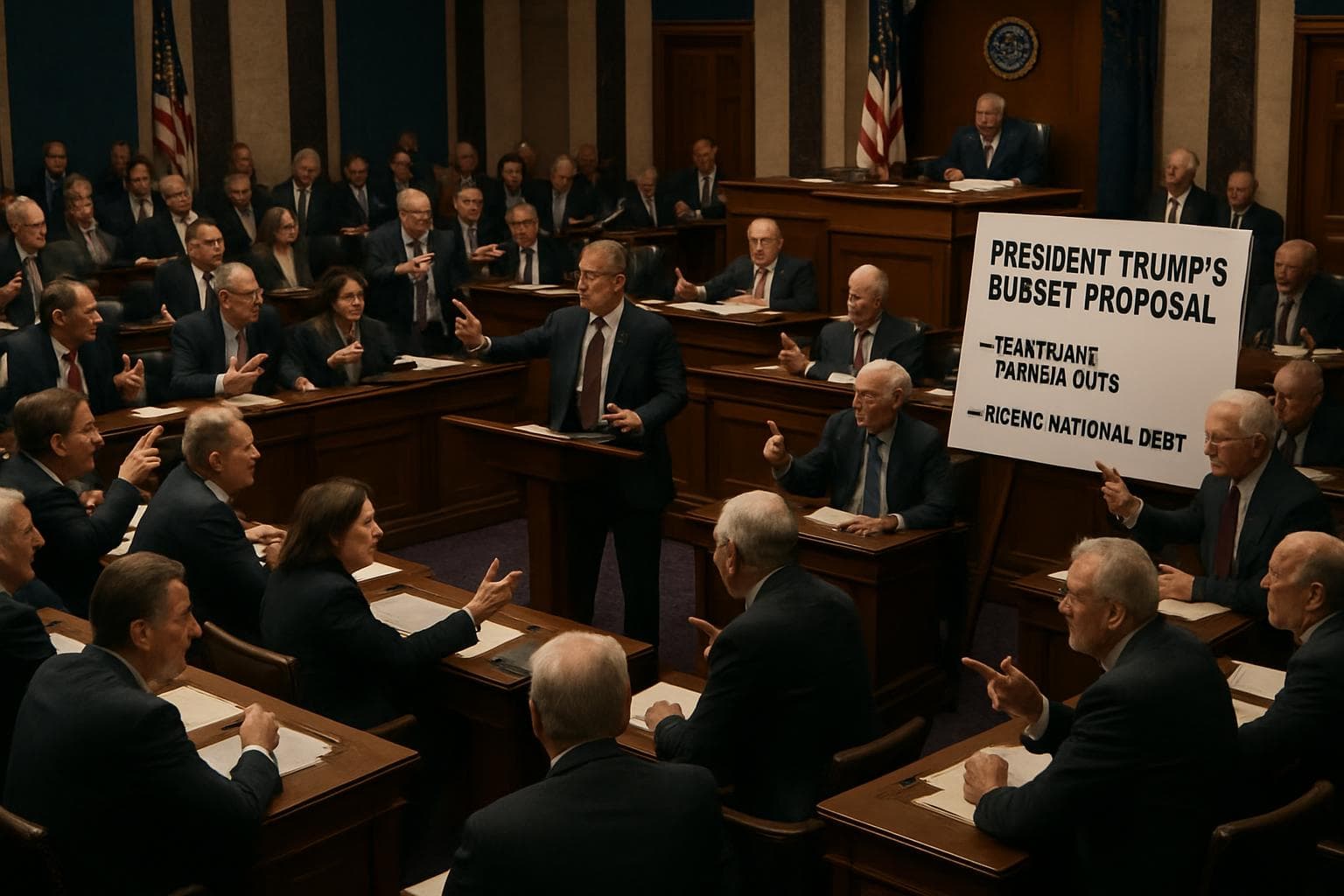
The US Senate is currently embroiled in a heated debate over President Donald Trump's ambitious budget proposal, a legislative package that promises sweeping tax cuts but also significant reductions in healthcare funding. The bill, which Trump has dubbed his "big beautiful bill," is estimated by the Congressional Budget Office (CBO) to potentially strip nearly 12 million Americans of their health coverage and add $3.3 trillion to the national debt over the next decade.
Healthcare Cuts and Debt Concerns
Central to the controversy are the bill's proposed $1 trillion cuts to healthcare programs, including Medicaid, which serves millions of low-income, elderly, and disabled Americans. The CBO's analysis has intensified the debate, revealing that the Senate version of the bill would increase the deficit by nearly $3.3 trillion from 2025 to 2034, a significant rise from the House-passed version.
Republican Divisions
The bill's progress is further complicated by divisions within the Republican Party. Senators Thom Tillis of North Carolina and Rand Paul of Kentucky have broken ranks, voting against the bill. Tillis cited the potential financial impact on his state, while Paul expressed concerns over the increase in the national debt. With a slim majority of 53 seats, Republicans can only afford three defections, making every vote crucial.
Political Maneuvering and Delays
As the Senate debate unfolds, Democrats have employed procedural tactics to delay the vote, including a 16-hour reading of the bill. The legislative process allows for 20 hours of debate, during which amendments may be proposed. Despite these hurdles, President Trump remains adamant about passing the bill by his self-imposed deadline of July 4, warning Republicans of political repercussions for opposing the legislation.
Trump's Pressure Campaign
In a bid to rally support, Trump has taken to his social media platform, Truth Social, to urge Republican lawmakers to back the bill, reminding them of the electoral consequences of dissent. His pressure campaign follows a series of threats and insults directed at Senator Tillis, who announced he would not seek re-election after voting against the bill.
WHAT THIS MIGHT MEAN
As the Senate continues to debate the budget bill, the outcome remains uncertain. If the bill passes, it will need to return to the House of Representatives for final approval before reaching the president's desk. The proposed cuts to Medicaid and other programs could face legal challenges, particularly from states that stand to lose significant funding. Politically, the bill's passage could deepen divisions within the Republican Party, potentially affecting the 2024 elections. Experts suggest that the long-term implications of increased national debt and reduced healthcare coverage could have far-reaching effects on the US economy and public health.
Related Articles
Senate Blocks Resolution to Limit Trump's Military Actions in Iran

Greenland Politely Declines Trump's Hospital Ship Offer Amid Healthcare Debate

Tech Giants Pledge to Cover AI Data Center Energy Costs Amid Rising Electricity Concerns

Congress Subpoenas Attorney General Bondi in Epstein Investigation

Cuba Faces Widespread Blackout Amid Deepening Fuel Crisis

UK Faces Dilemmas Amid Iran Conflict and China Spying Allegations
Senate Debates Trump's Budget Bill Amid Concerns Over Healthcare Cuts and National Debt
In This Article
 Maya Singh| Published
 HIGHLIGHTS
- The US Senate is debating President Trump's budget bill, which could cut health coverage for nearly 12 million Americans and add $3.3 trillion to the national debt.
- The Congressional Budget Office estimates the bill would result in $1 trillion in healthcare funding cuts, affecting Medicaid and other programs.
- Republican Senators Thom Tillis and Rand Paul opposed the bill, citing concerns over state funding and debt increases.
- The bill's passage is uncertain, with Republicans holding a slim majority and facing internal divisions over the proposed cuts.
- President Trump is pushing for the bill's approval by July 4, warning of political consequences for dissenting Republicans.
The US Senate is currently embroiled in a heated debate over President Donald Trump's ambitious budget proposal, a legislative package that promises sweeping tax cuts but also significant reductions in healthcare funding. The bill, which Trump has dubbed his "big beautiful bill," is estimated by the Congressional Budget Office (CBO) to potentially strip nearly 12 million Americans of their health coverage and add $3.3 trillion to the national debt over the next decade.
Healthcare Cuts and Debt Concerns
Central to the controversy are the bill's proposed $1 trillion cuts to healthcare programs, including Medicaid, which serves millions of low-income, elderly, and disabled Americans. The CBO's analysis has intensified the debate, revealing that the Senate version of the bill would increase the deficit by nearly $3.3 trillion from 2025 to 2034, a significant rise from the House-passed version.
Republican Divisions
The bill's progress is further complicated by divisions within the Republican Party. Senators Thom Tillis of North Carolina and Rand Paul of Kentucky have broken ranks, voting against the bill. Tillis cited the potential financial impact on his state, while Paul expressed concerns over the increase in the national debt. With a slim majority of 53 seats, Republicans can only afford three defections, making every vote crucial.
Political Maneuvering and Delays
As the Senate debate unfolds, Democrats have employed procedural tactics to delay the vote, including a 16-hour reading of the bill. The legislative process allows for 20 hours of debate, during which amendments may be proposed. Despite these hurdles, President Trump remains adamant about passing the bill by his self-imposed deadline of July 4, warning Republicans of political repercussions for opposing the legislation.
Trump's Pressure Campaign
In a bid to rally support, Trump has taken to his social media platform, Truth Social, to urge Republican lawmakers to back the bill, reminding them of the electoral consequences of dissent. His pressure campaign follows a series of threats and insults directed at Senator Tillis, who announced he would not seek re-election after voting against the bill.
WHAT THIS MIGHT MEAN
As the Senate continues to debate the budget bill, the outcome remains uncertain. If the bill passes, it will need to return to the House of Representatives for final approval before reaching the president's desk. The proposed cuts to Medicaid and other programs could face legal challenges, particularly from states that stand to lose significant funding. Politically, the bill's passage could deepen divisions within the Republican Party, potentially affecting the 2024 elections. Experts suggest that the long-term implications of increased national debt and reduced healthcare coverage could have far-reaching effects on the US economy and public health.
Related Articles
Senate Blocks Resolution to Limit Trump's Military Actions in Iran
Greenland Politely Declines Trump's Hospital Ship Offer Amid Healthcare Debate
Tech Giants Pledge to Cover AI Data Center Energy Costs Amid Rising Electricity Concerns
Congress Subpoenas Attorney General Bondi in Epstein Investigation
Cuba Faces Widespread Blackout Amid Deepening Fuel Crisis
UK Faces Dilemmas Amid Iran Conflict and China Spying Allegations