
Turmoil in Sheku Bayoh Inquiry as Calls to Downgrade Investigation Emerge
In This Article
HIGHLIGHTS
- The Sheku Bayoh inquiry faces turmoil after the resignation of its chair, Lord Bracadale, and four counsel members.
- The Scottish Police Federation suggests downgrading the inquiry to a fatal accident inquiry, citing cost concerns.
- Sheku Bayoh died in 2015 after being restrained by six officers; his family alleges racial bias influenced police actions.
- Nicole Short, an officer involved, describes ongoing PTSD from the incident, highlighting the personal toll on those involved.
- The Bayoh family's lawyer, Aamer Anwar, argues a public inquiry is necessary to fully address the issues surrounding Bayoh's death.
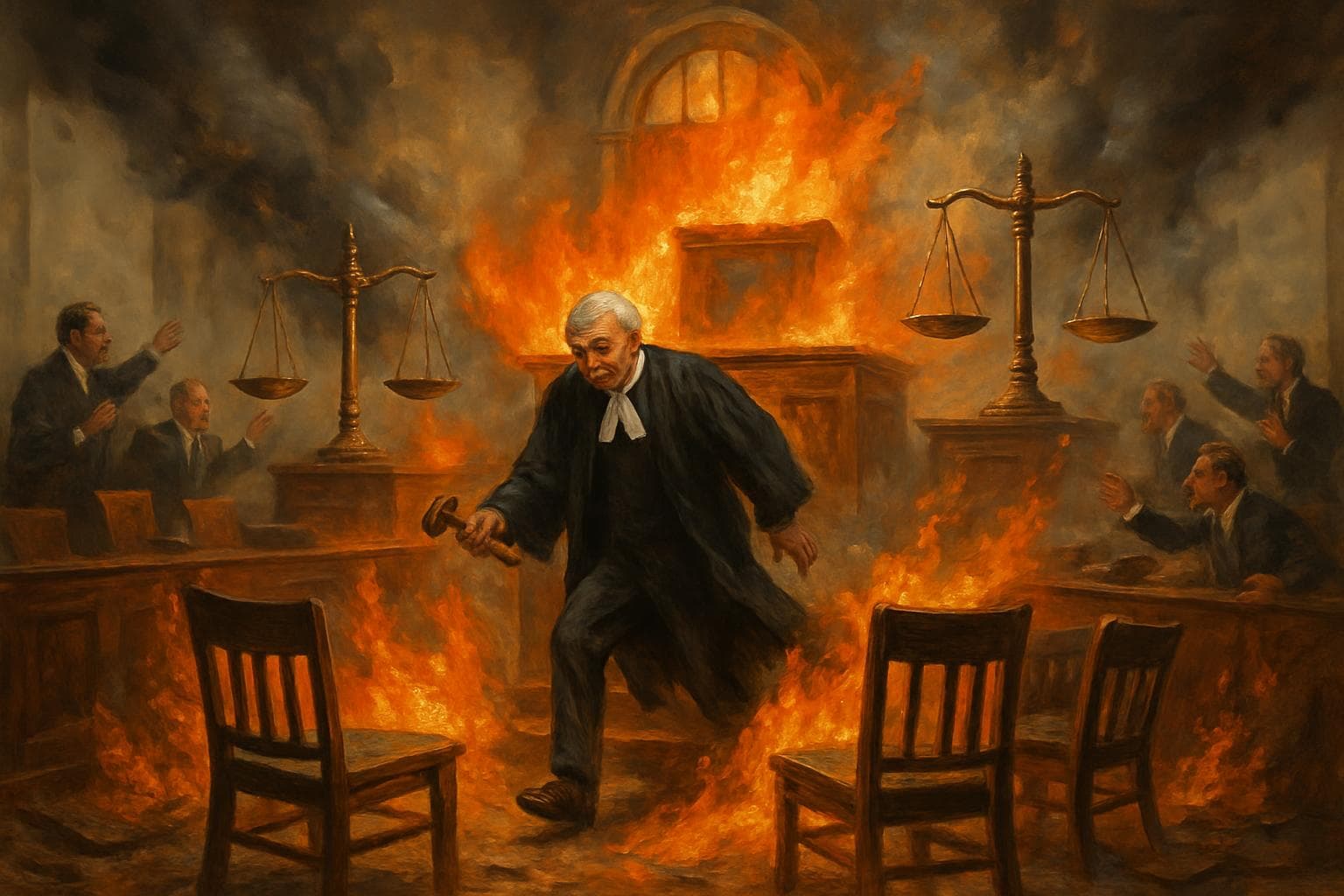
The inquiry into the death of Sheku Bayoh, a 31-year-old man who died in police custody in 2015, has been thrown into disarray following the resignation of its chair, Lord Bracadale, and four counsel members. This development has reignited debates over the scope and necessity of the public inquiry, with the Scottish Police Federation (SPF) suggesting a shift to a fatal accident inquiry (FAI) to manage costs and expedite proceedings.
Resignations and Controversy
The inquiry, which began in November 2020, was tasked with examining the circumstances surrounding Bayoh's death after he was restrained by six police officers in Kirkcaldy, Fife. The SPF has questioned the need for a public inquiry, arguing that an FAI could adequately address the issues, including potential racial bias. David Kennedy, the federation's general secretary, emphasized the desire for a "fair and transparent" investigation, suggesting that the £50 million cost of the current inquiry could have been avoided.
Personal Impact on Officers
Nicole Short, a former officer involved in the incident, shared her personal struggles with PTSD, describing how the events of that day have left a lasting impact on her life. "It's like my life was reset that day," she said, highlighting the mental health challenges faced by those involved in high-stress policing situations.
Family's Call for Comprehensive Inquiry
Aamer Anwar, representing the Bayoh family, criticized the SPF's suggestion to downgrade the inquiry, arguing that an FAI would be too narrow in scope. He stressed the importance of a public inquiry to address broader issues, including the management of the aftermath by police and prosecutors. Anwar pointed out that the Lord Advocate had determined an FAI would not suffice to explore all necessary issues.
Political Reactions and Implications
The situation has also drawn political attention, with First Minister John Swinney criticized by the SPF for meeting with Bayoh's family. The federation claims this undermines the inquiry's fairness, while the family expresses feelings of betrayal over the legal challenges against Bracadale.
WHAT THIS MIGHT MEAN
The future of the Sheku Bayoh inquiry remains uncertain, with the appointment of a new chair being a critical next step. If the inquiry is downgraded to a fatal accident inquiry, it may limit the scope of investigation, potentially leaving key issues unaddressed. This could lead to further public outcry and calls for justice reform, particularly concerning racial bias in policing. Legal experts suggest that maintaining the public inquiry's breadth is essential to ensure comprehensive accountability and transparency in such high-profile cases.
Related Articles
Scottish Government Faces Legal Challenge Over Transgender Inmate Policy
Scottish Troops May Join Ukraine Peacekeeping Efforts Amid Rising Geopolitical Tensions
Nigel Farage Faces Mounting Racism Allegations Amid Criticism of Broadcasters
Rachel Reeves Faces Calls for Resignation Amid Allegations of Misleading Budget Forecasts
King Charles Leads Nation in Remembrance Sunday Tributes
Pro-Palestinian Protests Disrupt Edinburgh Fringe Event as First Minister Labels Gaza Situation 'Genocide'
Turmoil in Sheku Bayoh Inquiry as Calls to Downgrade Investigation Emerge
In This Article
 Ethan Brooks| Published
 HIGHLIGHTS
- The Sheku Bayoh inquiry faces turmoil after the resignation of its chair, Lord Bracadale, and four counsel members.
- The Scottish Police Federation suggests downgrading the inquiry to a fatal accident inquiry, citing cost concerns.
- Sheku Bayoh died in 2015 after being restrained by six officers; his family alleges racial bias influenced police actions.
- Nicole Short, an officer involved, describes ongoing PTSD from the incident, highlighting the personal toll on those involved.
- The Bayoh family's lawyer, Aamer Anwar, argues a public inquiry is necessary to fully address the issues surrounding Bayoh's death.
The inquiry into the death of Sheku Bayoh, a 31-year-old man who died in police custody in 2015, has been thrown into disarray following the resignation of its chair, Lord Bracadale, and four counsel members. This development has reignited debates over the scope and necessity of the public inquiry, with the Scottish Police Federation (SPF) suggesting a shift to a fatal accident inquiry (FAI) to manage costs and expedite proceedings.
Resignations and Controversy
The inquiry, which began in November 2020, was tasked with examining the circumstances surrounding Bayoh's death after he was restrained by six police officers in Kirkcaldy, Fife. The SPF has questioned the need for a public inquiry, arguing that an FAI could adequately address the issues, including potential racial bias. David Kennedy, the federation's general secretary, emphasized the desire for a "fair and transparent" investigation, suggesting that the £50 million cost of the current inquiry could have been avoided.
Personal Impact on Officers
Nicole Short, a former officer involved in the incident, shared her personal struggles with PTSD, describing how the events of that day have left a lasting impact on her life. "It's like my life was reset that day," she said, highlighting the mental health challenges faced by those involved in high-stress policing situations.
Family's Call for Comprehensive Inquiry
Aamer Anwar, representing the Bayoh family, criticized the SPF's suggestion to downgrade the inquiry, arguing that an FAI would be too narrow in scope. He stressed the importance of a public inquiry to address broader issues, including the management of the aftermath by police and prosecutors. Anwar pointed out that the Lord Advocate had determined an FAI would not suffice to explore all necessary issues.
Political Reactions and Implications
The situation has also drawn political attention, with First Minister John Swinney criticized by the SPF for meeting with Bayoh's family. The federation claims this undermines the inquiry's fairness, while the family expresses feelings of betrayal over the legal challenges against Bracadale.
WHAT THIS MIGHT MEAN
The future of the Sheku Bayoh inquiry remains uncertain, with the appointment of a new chair being a critical next step. If the inquiry is downgraded to a fatal accident inquiry, it may limit the scope of investigation, potentially leaving key issues unaddressed. This could lead to further public outcry and calls for justice reform, particularly concerning racial bias in policing. Legal experts suggest that maintaining the public inquiry's breadth is essential to ensure comprehensive accountability and transparency in such high-profile cases.
Related Articles
Scottish Government Faces Legal Challenge Over Transgender Inmate Policy
Scottish Troops May Join Ukraine Peacekeeping Efforts Amid Rising Geopolitical Tensions
Nigel Farage Faces Mounting Racism Allegations Amid Criticism of Broadcasters
Rachel Reeves Faces Calls for Resignation Amid Allegations of Misleading Budget Forecasts
King Charles Leads Nation in Remembrance Sunday Tributes
Pro-Palestinian Protests Disrupt Edinburgh Fringe Event as First Minister Labels Gaza Situation 'Genocide'