
Sheringham Bus Shelter Protest: A Community's Stand Against Demolition
In This Article
HIGHLIGHTS
- Protesters have been occupying a 1950s bus shelter in Sheringham since December 1, contesting its demolition by Norfolk County Council.
- Bailiffs arrived at the shelter at 4:00 AM on Monday, but were asked to "stand down" by the council until after a local meeting.
- The council claims the shelter does not meet modern accessibility standards, while protesters argue it is part of Sheringham's heritage.
- Local MP Steffan Aquarone criticized the council's actions as "outrageous" and called for a common-sense resolution.
- A public meeting is scheduled to discuss the future of the bus shelter, with protesters maintaining a constant presence at the site.
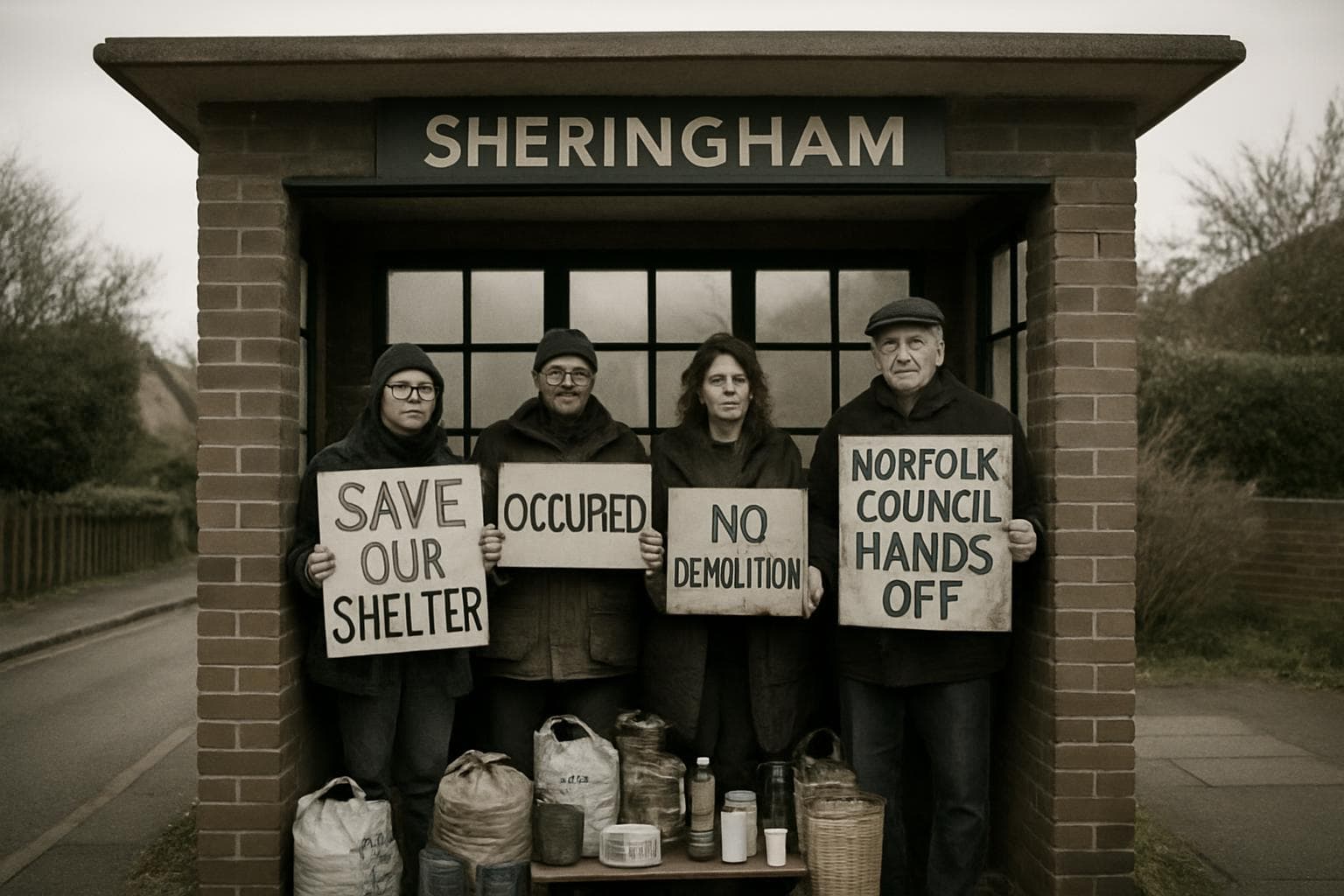
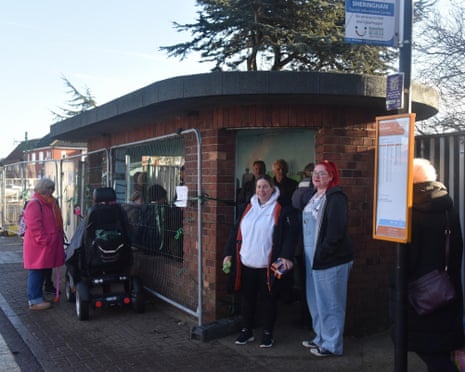
The ongoing dispute over the fate of a 1950s bus shelter in Sheringham has reached a critical juncture, as protesters continue to occupy the site in defiance of Norfolk County Council's plans to demolish it. The shelter, located on Station Approach near the heritage railway station, has become a focal point for local activism since December 1, when demonstrators began a sit-in to prevent its destruction.
Protesters Stand Firm
The conflict escalated early Monday morning when bailiffs arrived at the shelter at 4:00 AM, intending to enforce an eviction notice issued by the council. However, the council later instructed the bailiffs to "stand down" until after a scheduled meeting of the Sheringham Town Council. Protesters, who have been maintaining a round-the-clock presence, argue that the shelter is a cherished part of the town's heritage and should be preserved.
Council's Justification and Public Backlash
Norfolk County Council has justified the demolition by citing the shelter's failure to meet modern accessibility standards and safety concerns. The council conducted a three-week public consultation in May as part of its Sheringham Travel Hub project, which includes plans for a new bus stop. Despite these efforts, the council's actions have faced significant backlash from the community and local representatives.
Political Support and Legal Dispute
Steffan Aquarone, the Liberal Democrat MP for North Norfolk, has been vocal in his support for the protesters, describing the council's approach as "outrageous" and "bullying." He emphasized the need for a resolution that respects the community's voice. The legal ownership of the land has also been contested, with protesters asserting that it belongs to Sheringham Town Council, despite Norfolk County Council's current control during the construction phase.
Community Mobilization
The protest has galvanized local support, with residents providing food and supplies to those occupying the shelter. Liz Withington, a councillor for North Norfolk district, highlighted the community's determination, noting that the campaign has inspired many to stand in solidarity. A public meeting is set to take place, offering a platform for discussion and potential resolution.
WHAT THIS MIGHT MEAN
The upcoming public meeting will be crucial in determining the future of the Sheringham bus shelter. If a compromise is not reached, the legal dispute over land ownership could escalate, potentially involving further legal action. Politically, the situation underscores the tension between local authorities and communities over heritage preservation and modern development. Experts suggest that a collaborative approach, involving all stakeholders, could pave the way for a solution that honors both the town's history and its future needs.
Images from the Web


Related Articles

Government U-turn on Election Delays Sparks Local Council Turmoil

Keir Starmer Faces Resignation Calls Amid Mandelson-Epstein Scandal

Mandelson's Emails to Epstein Reveal Insider Details of 2010 UK Political Turmoil

UK Prime Minister and West Midlands Mayor Seek Stronger Trade Ties in China Amid Political Criticism

Matt Goodwin to Stand for Reform UK in Gorton and Denton By-Election Amidst Political Tensions

UK Government Postpones Local Elections Amid Major Council Reorganisation
Sheringham Bus Shelter Protest: A Community's Stand Against Demolition
In This Article
 Ethan Brooks| Published
 HIGHLIGHTS
- Protesters have been occupying a 1950s bus shelter in Sheringham since December 1, contesting its demolition by Norfolk County Council.
- Bailiffs arrived at the shelter at 4:00 AM on Monday, but were asked to "stand down" by the council until after a local meeting.
- The council claims the shelter does not meet modern accessibility standards, while protesters argue it is part of Sheringham's heritage.
- Local MP Steffan Aquarone criticized the council's actions as "outrageous" and called for a common-sense resolution.
- A public meeting is scheduled to discuss the future of the bus shelter, with protesters maintaining a constant presence at the site.
The ongoing dispute over the fate of a 1950s bus shelter in Sheringham has reached a critical juncture, as protesters continue to occupy the site in defiance of Norfolk County Council's plans to demolish it. The shelter, located on Station Approach near the heritage railway station, has become a focal point for local activism since December 1, when demonstrators began a sit-in to prevent its destruction.
Protesters Stand Firm
The conflict escalated early Monday morning when bailiffs arrived at the shelter at 4:00 AM, intending to enforce an eviction notice issued by the council. However, the council later instructed the bailiffs to "stand down" until after a scheduled meeting of the Sheringham Town Council. Protesters, who have been maintaining a round-the-clock presence, argue that the shelter is a cherished part of the town's heritage and should be preserved.
Council's Justification and Public Backlash
Norfolk County Council has justified the demolition by citing the shelter's failure to meet modern accessibility standards and safety concerns. The council conducted a three-week public consultation in May as part of its Sheringham Travel Hub project, which includes plans for a new bus stop. Despite these efforts, the council's actions have faced significant backlash from the community and local representatives.
Political Support and Legal Dispute
Steffan Aquarone, the Liberal Democrat MP for North Norfolk, has been vocal in his support for the protesters, describing the council's approach as "outrageous" and "bullying." He emphasized the need for a resolution that respects the community's voice. The legal ownership of the land has also been contested, with protesters asserting that it belongs to Sheringham Town Council, despite Norfolk County Council's current control during the construction phase.
Community Mobilization
The protest has galvanized local support, with residents providing food and supplies to those occupying the shelter. Liz Withington, a councillor for North Norfolk district, highlighted the community's determination, noting that the campaign has inspired many to stand in solidarity. A public meeting is set to take place, offering a platform for discussion and potential resolution.
WHAT THIS MIGHT MEAN
The upcoming public meeting will be crucial in determining the future of the Sheringham bus shelter. If a compromise is not reached, the legal dispute over land ownership could escalate, potentially involving further legal action. Politically, the situation underscores the tension between local authorities and communities over heritage preservation and modern development. Experts suggest that a collaborative approach, involving all stakeholders, could pave the way for a solution that honors both the town's history and its future needs.
Images from the Web
Related Articles
Government U-turn on Election Delays Sparks Local Council Turmoil
Keir Starmer Faces Resignation Calls Amid Mandelson-Epstein Scandal
Mandelson's Emails to Epstein Reveal Insider Details of 2010 UK Political Turmoil
UK Prime Minister and West Midlands Mayor Seek Stronger Trade Ties in China Amid Political Criticism
Matt Goodwin to Stand for Reform UK in Gorton and Denton By-Election Amidst Political Tensions
UK Government Postpones Local Elections Amid Major Council Reorganisation