
Southern Syria Engulfed in Sectarian Violence, Nearly 600 Dead
In This Article
HIGHLIGHTS
- Nearly 600 people have died in recent sectarian violence in southern Syria, according to the Syrian Observatory for Human Rights (SOHR).
- The conflict in Suweida province involved Druze and Bedouin communities, with significant casualties on both sides, including 146 Druze fighters and 257 government personnel.
- Israeli air strikes targeted Syrian government forces, aiming to protect the Druze community and prevent military deployment in southern Syria.
- A ceasefire was announced by the Syrian government, but prominent Druze leader Sheikh Hikmat al-Hajri rejected it, calling for continued resistance.
- The violence marks a severe escalation in Syria's ongoing conflict, with implications for regional stability and minority protection.
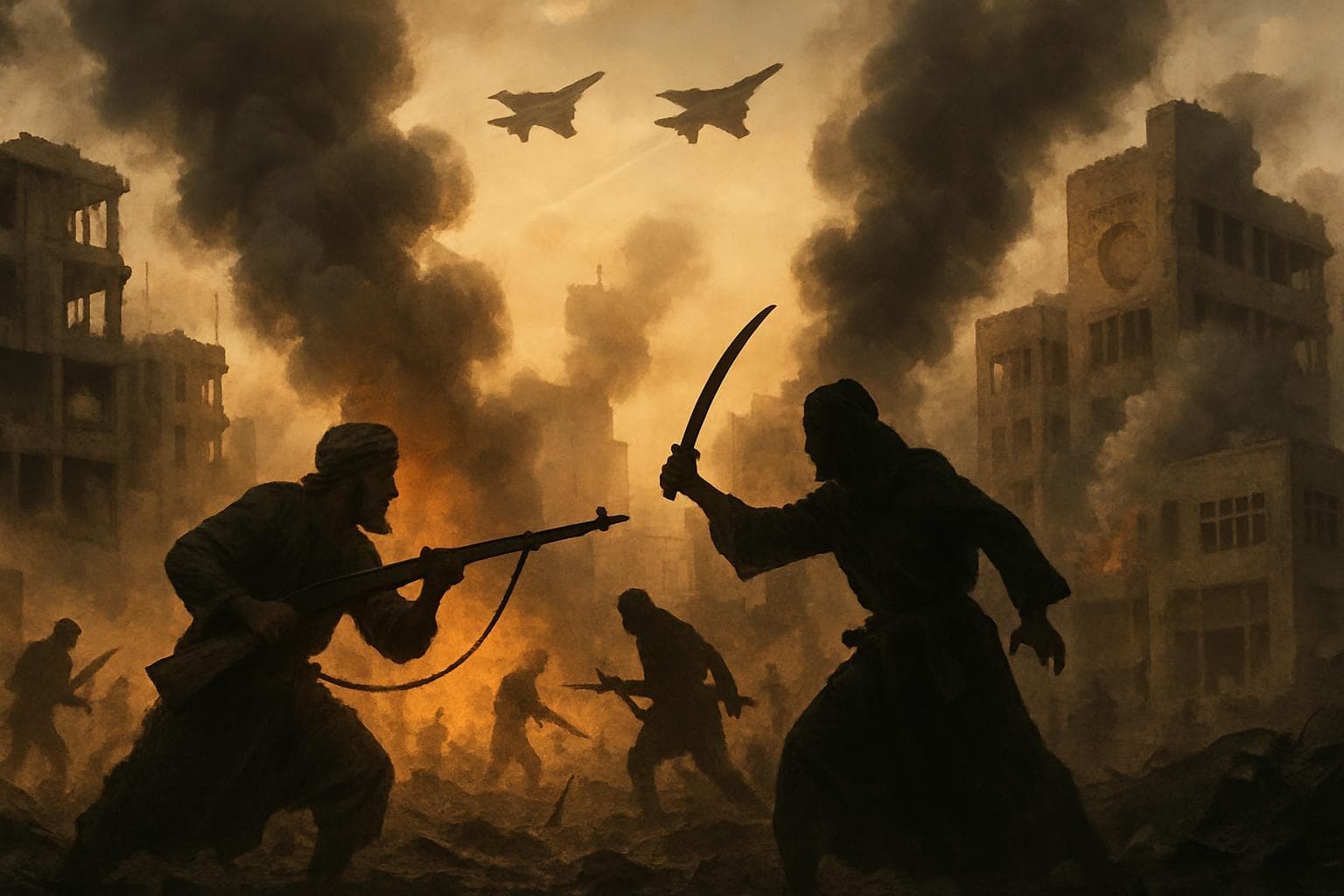
Southern Syria has been plunged into chaos as sectarian violence between Druze and Bedouin communities has resulted in nearly 600 deaths, according to the UK-based Syrian Observatory for Human Rights (SOHR). The violence, which erupted in Suweida province, has seen significant casualties among both civilians and fighters, marking one of the deadliest episodes in the region's recent history.
Sectarian Tensions and Casualties
The conflict began as a local dispute between the Druze and Bedouin communities but quickly escalated into a broader sectarian clash. The SOHR reported that 300 members of the Druze religious minority were killed, including 146 fighters and 154 civilians. Among the civilian casualties, 83 were reportedly executed by government forces. On the other side, 257 government personnel and 18 Bedouin fighters lost their lives, with three Bedouin civilians executed by Druze fighters.
Israeli Intervention and Ceasefire Rejection
In a dramatic turn, Israeli air strikes targeted Syrian government forces, with Prime Minister Benjamin Netanyahu stating that the intervention aimed to protect the Druze community and prevent Syrian military deployment in the south. Despite a ceasefire announced by the Syrian government, Sheikh Hikmat al-Hajri, a prominent Druze leader, rejected the truce, urging continued resistance against what he termed "gangs" of government forces.
Humanitarian Impact and Regional Implications
The violence has left a profound humanitarian impact, with hospitals overwhelmed by casualties. Bahaa, a surgeon at Sweida National Hospital, described scenes of chaos with hallways lined with corpses and bodies stacked outside due to lack of space. The conflict has also exacerbated regional tensions, with Israel asserting its interests in Syria and the Syrian government struggling to maintain control amid sectarian divisions.
WHAT THIS MIGHT MEAN
The recent violence in southern Syria underscores the fragile nature of the region's stability. The rejection of the ceasefire by Druze leaders suggests that tensions may continue to simmer, potentially leading to further clashes. Israel's involvement highlights the broader geopolitical stakes, as it seeks to protect its interests and allies in the region. The international community may need to engage more actively to prevent further escalation and address the underlying sectarian tensions that threaten to destabilize Syria and its neighbors. As the situation evolves, the protection of minority communities and the pursuit of transitional justice will be crucial in fostering long-term peace and reconciliation.
Related Articles

US Ambassador's Biblical Land Remarks Spark Outcry from Arab Nations
Israeli Airstrikes in Lebanon's Bekaa Valley Leave 10 Dead Amid Rising Tensions
Hamas Leadership Vote Amidst Critical Crossroads for the Movement

Trump's Board of Peace Pledges $7 Billion for Gaza Amidst International Skepticism

Middle East Conflict Drives UK Energy Prices to New Highs
US and Israel Intensify Military Campaign as Iran's Capabilities Dwindle
Southern Syria Engulfed in Sectarian Violence, Nearly 600 Dead
In This Article
 James Okoro| Published
 HIGHLIGHTS
- Nearly 600 people have died in recent sectarian violence in southern Syria, according to the Syrian Observatory for Human Rights (SOHR).
- The conflict in Suweida province involved Druze and Bedouin communities, with significant casualties on both sides, including 146 Druze fighters and 257 government personnel.
- Israeli air strikes targeted Syrian government forces, aiming to protect the Druze community and prevent military deployment in southern Syria.
- A ceasefire was announced by the Syrian government, but prominent Druze leader Sheikh Hikmat al-Hajri rejected it, calling for continued resistance.
- The violence marks a severe escalation in Syria's ongoing conflict, with implications for regional stability and minority protection.
Southern Syria has been plunged into chaos as sectarian violence between Druze and Bedouin communities has resulted in nearly 600 deaths, according to the UK-based Syrian Observatory for Human Rights (SOHR). The violence, which erupted in Suweida province, has seen significant casualties among both civilians and fighters, marking one of the deadliest episodes in the region's recent history.
Sectarian Tensions and Casualties
The conflict began as a local dispute between the Druze and Bedouin communities but quickly escalated into a broader sectarian clash. The SOHR reported that 300 members of the Druze religious minority were killed, including 146 fighters and 154 civilians. Among the civilian casualties, 83 were reportedly executed by government forces. On the other side, 257 government personnel and 18 Bedouin fighters lost their lives, with three Bedouin civilians executed by Druze fighters.
Israeli Intervention and Ceasefire Rejection
In a dramatic turn, Israeli air strikes targeted Syrian government forces, with Prime Minister Benjamin Netanyahu stating that the intervention aimed to protect the Druze community and prevent Syrian military deployment in the south. Despite a ceasefire announced by the Syrian government, Sheikh Hikmat al-Hajri, a prominent Druze leader, rejected the truce, urging continued resistance against what he termed "gangs" of government forces.
Humanitarian Impact and Regional Implications
The violence has left a profound humanitarian impact, with hospitals overwhelmed by casualties. Bahaa, a surgeon at Sweida National Hospital, described scenes of chaos with hallways lined with corpses and bodies stacked outside due to lack of space. The conflict has also exacerbated regional tensions, with Israel asserting its interests in Syria and the Syrian government struggling to maintain control amid sectarian divisions.
WHAT THIS MIGHT MEAN
The recent violence in southern Syria underscores the fragile nature of the region's stability. The rejection of the ceasefire by Druze leaders suggests that tensions may continue to simmer, potentially leading to further clashes. Israel's involvement highlights the broader geopolitical stakes, as it seeks to protect its interests and allies in the region. The international community may need to engage more actively to prevent further escalation and address the underlying sectarian tensions that threaten to destabilize Syria and its neighbors. As the situation evolves, the protection of minority communities and the pursuit of transitional justice will be crucial in fostering long-term peace and reconciliation.
Related Articles
US Ambassador's Biblical Land Remarks Spark Outcry from Arab Nations
Israeli Airstrikes in Lebanon's Bekaa Valley Leave 10 Dead Amid Rising Tensions
Hamas Leadership Vote Amidst Critical Crossroads for the Movement
Trump's Board of Peace Pledges $7 Billion for Gaza Amidst International Skepticism
Middle East Conflict Drives UK Energy Prices to New Highs
US and Israel Intensify Military Campaign as Iran's Capabilities Dwindle