
Starmer Defends Reeves Amid Budget Controversy, Promises Long-Term Economic Reforms
In This Article
HIGHLIGHTS
- Chancellor Rachel Reeves faces accusations of misleading the public about the UK's economic outlook, sparking calls for an ethics inquiry.
- Prime Minister Keir Starmer supports Reeves, emphasizing a long-term economic plan to address cost of living and inflation.
- The Office for Budget Responsibility's forecasts have been central to the controversy, with differing interpretations by political parties.
- Conservative leader Kemi Badenoch has called for Reeves's resignation, citing alleged dishonesty in her budget presentation.
- Starmer plans to outline further reforms in infrastructure and welfare to bolster economic growth and stability.
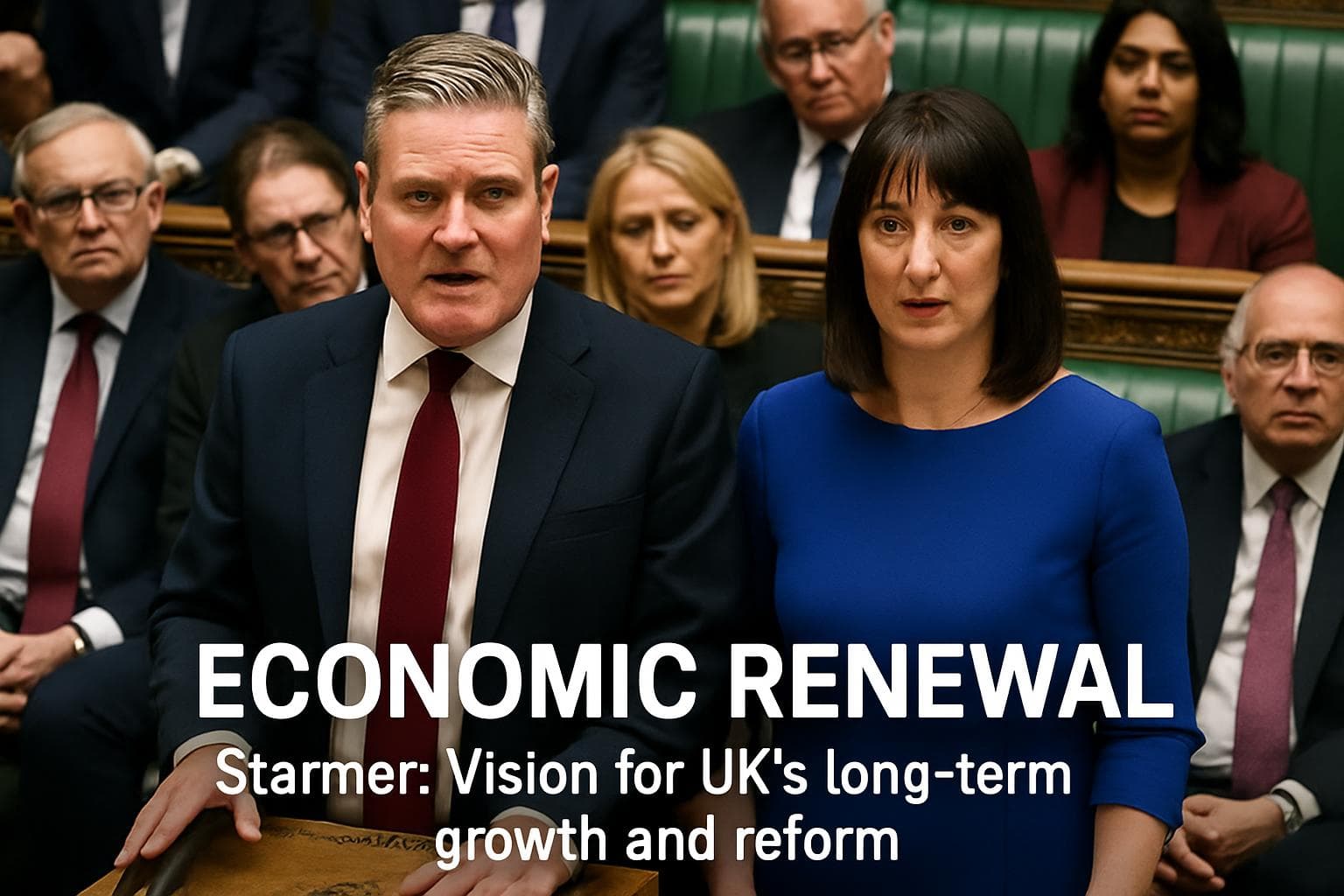
In the wake of a contentious budget presentation, UK Chancellor Rachel Reeves is under fire for allegedly misleading the public about the nation's economic health. The controversy has prompted calls for an ethics inquiry, with Conservative leader Kemi Badenoch leading the charge for Reeves's resignation. Despite the turmoil, Prime Minister Keir Starmer has thrown his support behind Reeves, emphasizing a comprehensive economic strategy aimed at alleviating cost of living pressures and fostering growth.
Budget Controversy and Political Reactions
The budget row centers on accusations that Reeves painted an overly pessimistic picture of the UK's economic outlook, using it as a pretext for significant tax hikes. The Office for Budget Responsibility (OBR) had downgraded productivity forecasts but simultaneously upgraded projections for wages and tax receipts, leaving room for debate on the true state of public finances. Badenoch accused Reeves of using these forecasts as a "smokescreen" to justify tax increases, a claim Reeves and her allies deny.
Starmer's Strategic Response
In response to the mounting pressure, Starmer is set to deliver a speech reinforcing his commitment to a "big, bold long-term plan" for the UK economy. He argues that the budget decisions, including welfare reform and deregulation, are necessary steps to renew Britain's economic landscape. Starmer's plan includes cutting unnecessary red tape in infrastructure projects and reforming the welfare system to better support those with mental health and disability challenges.
Economic Implications and Future Plans
The prime minister's speech aims to shift the narrative from immediate budgetary disputes to broader economic goals. Starmer insists that the government's strategy should be judged over the long term, rather than through the lens of short-term political skirmishes. He has tasked Business Secretary Peter Kyle with applying lessons from a recent report on nuclear power infrastructure to streamline broader infrastructure projects across the UK.
WHAT THIS MIGHT MEAN
The unfolding budget controversy could have significant political and economic implications. If Reeves is forced to resign, it could destabilize Starmer's leadership and the Labour Party's economic agenda. Conversely, if Starmer successfully shifts focus to long-term reforms, it may bolster his position and provide a stable platform for future elections. Experts suggest that the government's ability to effectively communicate and implement its economic strategy will be crucial in navigating the current political landscape and ensuring public confidence in its fiscal policies.
Related Articles
Middle East Conflict Drives UK Energy Prices to New Highs
Conservatives Propose Interest Rate Cap on Student Loans Amid Growing Debt Concerns
UK Achieves Record Budget Surplus Amid Calls for Fiscal Policy Reform
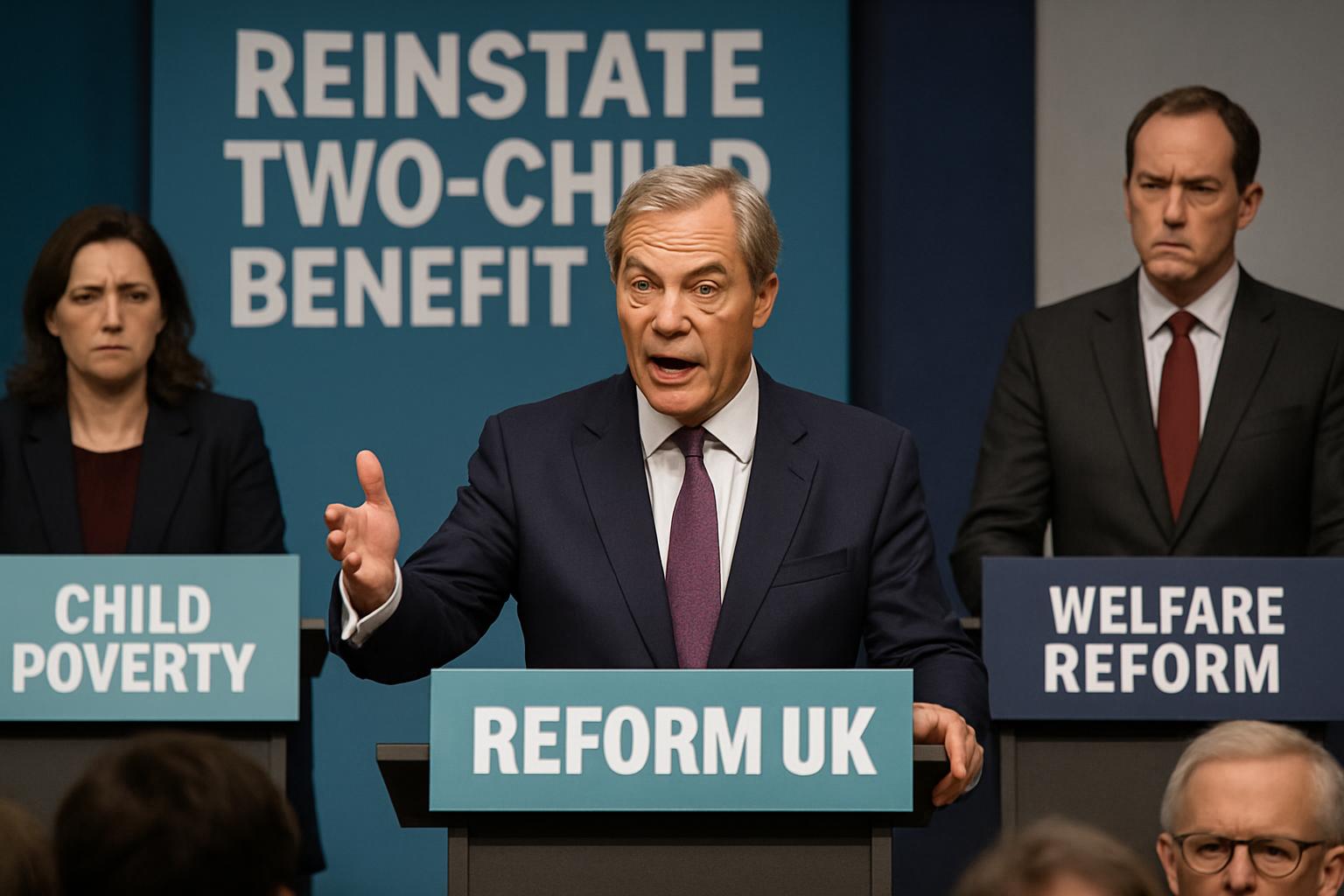
Reform UK to Reinstate Two-Child Benefit Cap Amidst Political Controversy

UK Faces Dilemmas Amid Iran Conflict and China Spying Allegations

Labour MP's Husband Arrested in UK-China Espionage Probe
Starmer Defends Reeves Amid Budget Controversy, Promises Long-Term Economic Reforms
In This Article
 Daniel Rivera| Published
 HIGHLIGHTS
- Chancellor Rachel Reeves faces accusations of misleading the public about the UK's economic outlook, sparking calls for an ethics inquiry.
- Prime Minister Keir Starmer supports Reeves, emphasizing a long-term economic plan to address cost of living and inflation.
- The Office for Budget Responsibility's forecasts have been central to the controversy, with differing interpretations by political parties.
- Conservative leader Kemi Badenoch has called for Reeves's resignation, citing alleged dishonesty in her budget presentation.
- Starmer plans to outline further reforms in infrastructure and welfare to bolster economic growth and stability.
In the wake of a contentious budget presentation, UK Chancellor Rachel Reeves is under fire for allegedly misleading the public about the nation's economic health. The controversy has prompted calls for an ethics inquiry, with Conservative leader Kemi Badenoch leading the charge for Reeves's resignation. Despite the turmoil, Prime Minister Keir Starmer has thrown his support behind Reeves, emphasizing a comprehensive economic strategy aimed at alleviating cost of living pressures and fostering growth.
Budget Controversy and Political Reactions
The budget row centers on accusations that Reeves painted an overly pessimistic picture of the UK's economic outlook, using it as a pretext for significant tax hikes. The Office for Budget Responsibility (OBR) had downgraded productivity forecasts but simultaneously upgraded projections for wages and tax receipts, leaving room for debate on the true state of public finances. Badenoch accused Reeves of using these forecasts as a "smokescreen" to justify tax increases, a claim Reeves and her allies deny.
Starmer's Strategic Response
In response to the mounting pressure, Starmer is set to deliver a speech reinforcing his commitment to a "big, bold long-term plan" for the UK economy. He argues that the budget decisions, including welfare reform and deregulation, are necessary steps to renew Britain's economic landscape. Starmer's plan includes cutting unnecessary red tape in infrastructure projects and reforming the welfare system to better support those with mental health and disability challenges.
Economic Implications and Future Plans
The prime minister's speech aims to shift the narrative from immediate budgetary disputes to broader economic goals. Starmer insists that the government's strategy should be judged over the long term, rather than through the lens of short-term political skirmishes. He has tasked Business Secretary Peter Kyle with applying lessons from a recent report on nuclear power infrastructure to streamline broader infrastructure projects across the UK.
WHAT THIS MIGHT MEAN
The unfolding budget controversy could have significant political and economic implications. If Reeves is forced to resign, it could destabilize Starmer's leadership and the Labour Party's economic agenda. Conversely, if Starmer successfully shifts focus to long-term reforms, it may bolster his position and provide a stable platform for future elections. Experts suggest that the government's ability to effectively communicate and implement its economic strategy will be crucial in navigating the current political landscape and ensuring public confidence in its fiscal policies.
Related Articles
Middle East Conflict Drives UK Energy Prices to New Highs
Conservatives Propose Interest Rate Cap on Student Loans Amid Growing Debt Concerns
UK Achieves Record Budget Surplus Amid Calls for Fiscal Policy Reform
Reform UK to Reinstate Two-Child Benefit Cap Amidst Political Controversy
UK Faces Dilemmas Amid Iran Conflict and China Spying Allegations
Labour MP's Husband Arrested in UK-China Espionage Probe