
Keir Starmer Faces Labour Rebellion Over Welfare Reform U-Turn
In This Article
HIGHLIGHTS
- UK Prime Minister Keir Starmer faces backlash over proposed welfare reforms, despite concessions to exempt current claimants from cuts.
- The reforms, which include a £7bn annual reduction in disability benefits, have led to significant opposition from Labour MPs and disability rights groups.
- The concessions have not fully quelled the rebellion, with around 50 MPs still opposing the bill, citing concerns over a "two-tier" system.
- The Labour government is expected to address the fiscal impact of the U-turn by potentially freezing income tax thresholds.
- Disability charities warn that the reforms could lead to increased hardship for future claimants, despite government assurances.
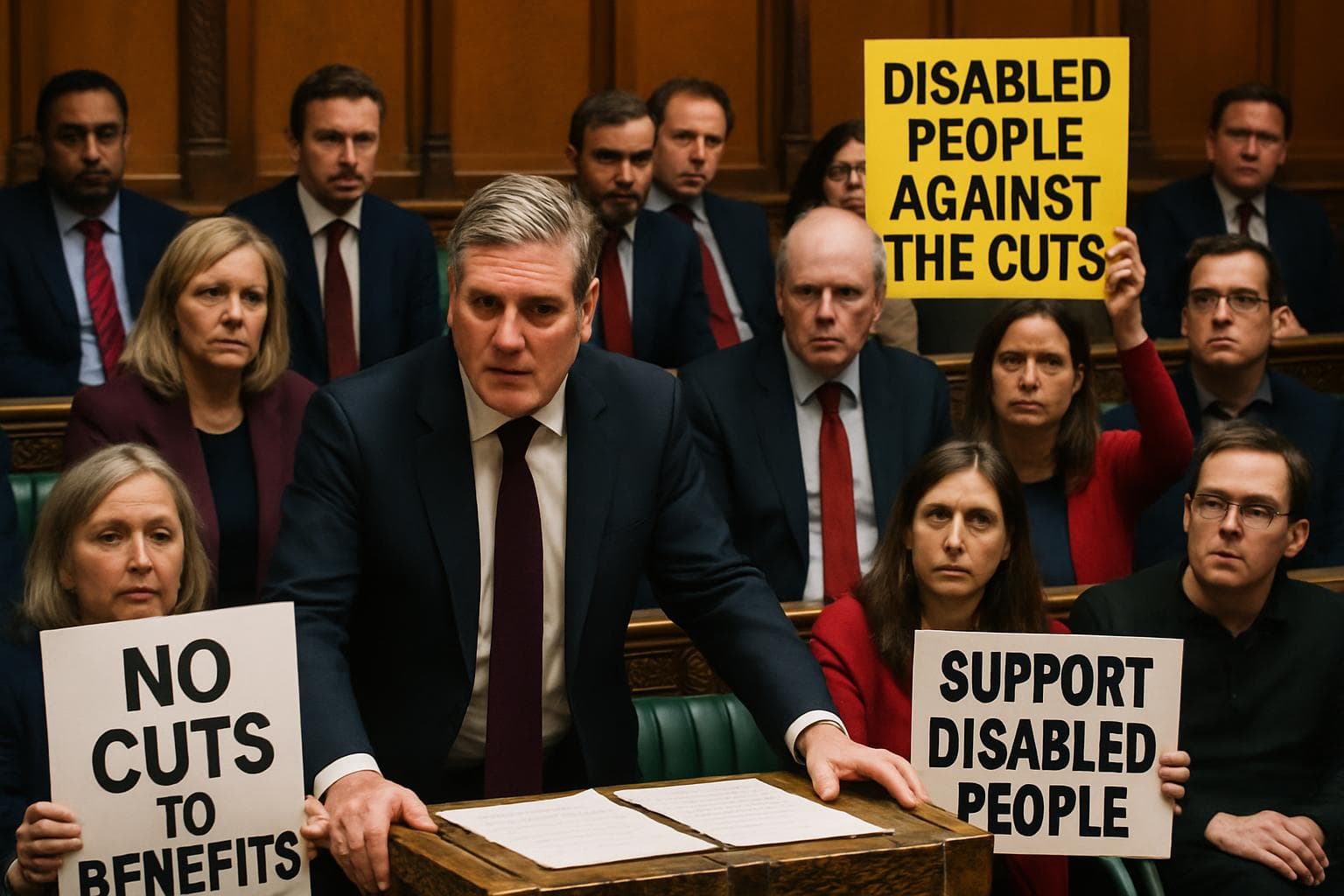
UK Prime Minister Keir Starmer is grappling with a significant rebellion within his party over proposed welfare reforms, despite making concessions to exempt current claimants from cuts. The reforms, which aim to reduce disability benefits by £7bn annually, have sparked widespread opposition among Labour MPs and disability rights advocates.
Concessions and Continued Opposition
The government announced concessions last week, stating that existing recipients of Personal Independence Payments (PIP) and the health element of Universal Credit would not be affected by the cuts. However, these changes will apply only to new claimants, leading to accusations of creating a "two-tier" welfare system. Labour MP Steve Witherden, representing Montgomeryshire and Glyndwr, criticized the concessions as insufficient, emphasizing the ongoing impact on future claimants.
Political and Fiscal Implications
The Labour government, led by Chancellor Rachel Reeves, faces a fiscal challenge following the U-turn, with a potential £4.25bn budget shortfall. To address this, the government is considering extending a freeze on income tax thresholds. The concessions have not fully pacified the rebellion, with around 50 MPs still planning to oppose the bill. Disability rights groups continue to urge MPs to reject the reforms, arguing they will exacerbate poverty among future claimants.
Broader Political Context
This episode is the latest in a series of policy reversals by Starmer's government, which has previously backtracked on issues such as winter fuel payments and a national grooming gangs inquiry. Critics argue that these U-turns undermine the government's credibility and raise questions about its political direction. Despite the concessions, Starmer defended the welfare bill, stating it strikes the right balance and protects 370,000 existing recipients.
WHAT THIS MIGHT MEAN
The ongoing rebellion within the Labour Party highlights the challenges Starmer faces in maintaining party unity while implementing contentious policies. If the welfare reforms pass, the government may need to address the long-term implications of a two-tier system, potentially leading to further policy adjustments. The fiscal impact of the U-turn could prompt additional tax measures, affecting public perception of the government's economic management. As the situation unfolds, Starmer's ability to navigate these challenges will be crucial in shaping his leadership and the Labour Party's future.
Images from the Web

Related Articles

UK Faces Dilemmas Amid Iran Conflict and China Spying Allegations

Labour MP's Husband Arrested in UK-China Espionage Probe

UK Government to Reform Asylum Seeker Support and Employment Policies
Middle East Conflict Drives UK Energy Prices to New Highs

UK-Iran Tensions: Starmer Defends Cautious Approach Amid Trump Criticism

Diplomatic Tensions Rise as Trump Criticizes Starmer's Iran Policy
Keir Starmer Faces Labour Rebellion Over Welfare Reform U-Turn
In This Article
 Daniel Rivera| Published
 HIGHLIGHTS
- UK Prime Minister Keir Starmer faces backlash over proposed welfare reforms, despite concessions to exempt current claimants from cuts.
- The reforms, which include a £7bn annual reduction in disability benefits, have led to significant opposition from Labour MPs and disability rights groups.
- The concessions have not fully quelled the rebellion, with around 50 MPs still opposing the bill, citing concerns over a "two-tier" system.
- The Labour government is expected to address the fiscal impact of the U-turn by potentially freezing income tax thresholds.
- Disability charities warn that the reforms could lead to increased hardship for future claimants, despite government assurances.
UK Prime Minister Keir Starmer is grappling with a significant rebellion within his party over proposed welfare reforms, despite making concessions to exempt current claimants from cuts. The reforms, which aim to reduce disability benefits by £7bn annually, have sparked widespread opposition among Labour MPs and disability rights advocates.
Concessions and Continued Opposition
The government announced concessions last week, stating that existing recipients of Personal Independence Payments (PIP) and the health element of Universal Credit would not be affected by the cuts. However, these changes will apply only to new claimants, leading to accusations of creating a "two-tier" welfare system. Labour MP Steve Witherden, representing Montgomeryshire and Glyndwr, criticized the concessions as insufficient, emphasizing the ongoing impact on future claimants.
Political and Fiscal Implications
The Labour government, led by Chancellor Rachel Reeves, faces a fiscal challenge following the U-turn, with a potential £4.25bn budget shortfall. To address this, the government is considering extending a freeze on income tax thresholds. The concessions have not fully pacified the rebellion, with around 50 MPs still planning to oppose the bill. Disability rights groups continue to urge MPs to reject the reforms, arguing they will exacerbate poverty among future claimants.
Broader Political Context
This episode is the latest in a series of policy reversals by Starmer's government, which has previously backtracked on issues such as winter fuel payments and a national grooming gangs inquiry. Critics argue that these U-turns undermine the government's credibility and raise questions about its political direction. Despite the concessions, Starmer defended the welfare bill, stating it strikes the right balance and protects 370,000 existing recipients.
WHAT THIS MIGHT MEAN
The ongoing rebellion within the Labour Party highlights the challenges Starmer faces in maintaining party unity while implementing contentious policies. If the welfare reforms pass, the government may need to address the long-term implications of a two-tier system, potentially leading to further policy adjustments. The fiscal impact of the U-turn could prompt additional tax measures, affecting public perception of the government's economic management. As the situation unfolds, Starmer's ability to navigate these challenges will be crucial in shaping his leadership and the Labour Party's future.
Images from the Web
Related Articles
UK Faces Dilemmas Amid Iran Conflict and China Spying Allegations
Labour MP's Husband Arrested in UK-China Espionage Probe
UK Government to Reform Asylum Seeker Support and Employment Policies
Middle East Conflict Drives UK Energy Prices to New Highs
UK-Iran Tensions: Starmer Defends Cautious Approach Amid Trump Criticism
Diplomatic Tensions Rise as Trump Criticizes Starmer's Iran Policy