
Keir Starmer Offers Concessions to Labour MPs Amid Welfare Reform Rebellion
In This Article
HIGHLIGHTS
- Keir Starmer has shifted his tone, offering concessions to Labour MPs to pass the welfare reform bill.
- The proposed welfare reforms aim to save £5bn annually by 2030, focusing on personal independence payments and universal credit.
- Over 120 Labour MPs initially opposed the bill, prompting Starmer to consider changes to eligibility criteria.
- Concessions include applying cuts only to new claimants and consulting on disability benefits, potentially costing £8bn over three years.
- The government aims to implement reforms with Labour values of fairness, amid internal party tensions.
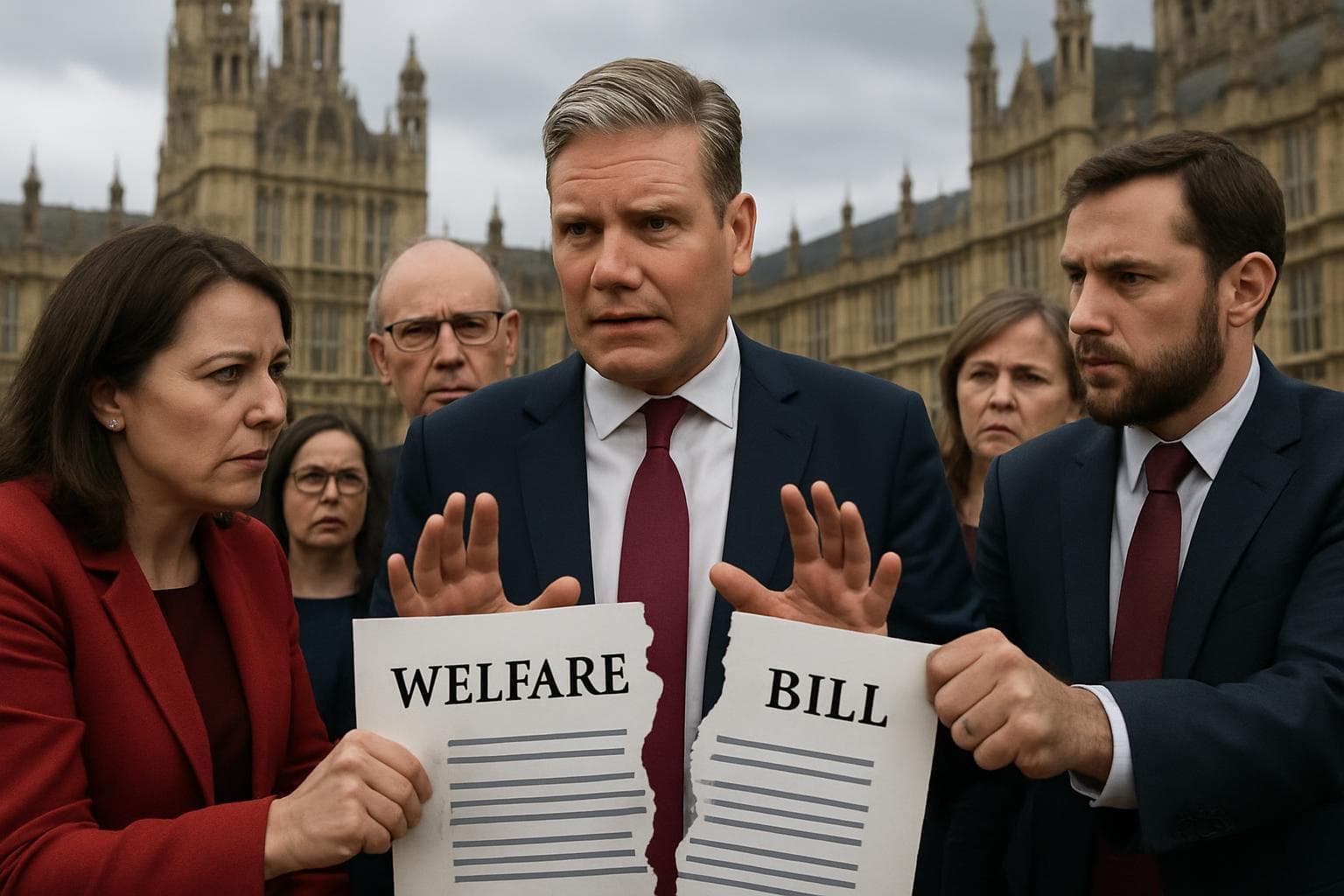
In a bid to quell a significant rebellion within his party, UK Prime Minister Keir Starmer has offered substantial concessions to Labour MPs over the contentious welfare reform bill. The proposed legislation, which aims to overhaul the UK welfare system, has faced fierce opposition from more than 120 Labour MPs, threatening Starmer's authority and the bill's passage.
Concessions and Internal Party Dynamics
Starmer's government initially proposed reforms to tighten eligibility for personal independence payments (PIPs) and reduce the health-related component of universal credit (UC), with the goal of saving £5bn annually by 2030. However, the backlash from Labour MPs, who argued these changes undermined the party's core values, prompted a reconsideration of the bill's provisions.
In response, Starmer has offered to apply the cuts only to new claimants and to engage in further consultations on the most controversial aspects of disability benefits. These concessions are expected to cost the government an additional £8bn over the next three years, a significant financial commitment that will require adjustments in the upcoming budget.
Political Repercussions and Strategic Moves
The prime minister's shift in stance marks a notable U-turn, as he had previously insisted on the necessity of the reforms. The concessions were negotiated through intense discussions led by Starmer's chief of staff, Morgan McSweeney, and Deputy Prime Minister Angela Rayner. The move appears to have placated key rebels, potentially averting a damaging defeat in the Commons vote scheduled for next week.
Despite the concessions, some hardline MPs continue to urge their colleagues to maintain their objections. However, with the government determined to hold the vote on Tuesday, moderate MPs are reportedly rallying behind the revised proposals. The Labour leadership has emphasized the importance of implementing reforms with fairness, reflecting the party's values.
WHAT THIS MIGHT MEAN
The outcome of the upcoming Commons vote will be pivotal for Starmer's leadership and the future of the UK's welfare system. If the bill passes, it could strengthen Starmer's position within the party, demonstrating his ability to navigate internal dissent and achieve legislative goals. However, the financial implications of the concessions may necessitate further budgetary adjustments, potentially leading to tax increases or cuts in other areas.
Politically, the episode highlights the challenges of balancing party unity with policy objectives, particularly on issues as sensitive as welfare reform. The concessions may also set a precedent for future negotiations, as Labour MPs have shown their willingness to challenge leadership decisions. As the government moves forward, maintaining open dialogue with party members and stakeholders will be crucial to ensuring the successful implementation of the reforms.
Related Articles

Middle East Conflict Drives UK Energy Prices to New Highs

UK Faces Dilemmas Amid Iran Conflict and China Spying Allegations

UK-Iran Tensions: Starmer Defends Cautious Approach Amid Trump Criticism

Diplomatic Tensions Rise as Trump Criticizes Starmer's Iran Policy

Canada and Australia Forge Strategic Partnership Amid Global Uncertainty
UK Government to Reform Asylum Seeker Support and Employment Policies
Keir Starmer Offers Concessions to Labour MPs Amid Welfare Reform Rebellion
In This Article
 Daniel Rivera| Published
 HIGHLIGHTS
- Keir Starmer has shifted his tone, offering concessions to Labour MPs to pass the welfare reform bill.
- The proposed welfare reforms aim to save £5bn annually by 2030, focusing on personal independence payments and universal credit.
- Over 120 Labour MPs initially opposed the bill, prompting Starmer to consider changes to eligibility criteria.
- Concessions include applying cuts only to new claimants and consulting on disability benefits, potentially costing £8bn over three years.
- The government aims to implement reforms with Labour values of fairness, amid internal party tensions.
In a bid to quell a significant rebellion within his party, UK Prime Minister Keir Starmer has offered substantial concessions to Labour MPs over the contentious welfare reform bill. The proposed legislation, which aims to overhaul the UK welfare system, has faced fierce opposition from more than 120 Labour MPs, threatening Starmer's authority and the bill's passage.
Concessions and Internal Party Dynamics
Starmer's government initially proposed reforms to tighten eligibility for personal independence payments (PIPs) and reduce the health-related component of universal credit (UC), with the goal of saving £5bn annually by 2030. However, the backlash from Labour MPs, who argued these changes undermined the party's core values, prompted a reconsideration of the bill's provisions.
In response, Starmer has offered to apply the cuts only to new claimants and to engage in further consultations on the most controversial aspects of disability benefits. These concessions are expected to cost the government an additional £8bn over the next three years, a significant financial commitment that will require adjustments in the upcoming budget.
Political Repercussions and Strategic Moves
The prime minister's shift in stance marks a notable U-turn, as he had previously insisted on the necessity of the reforms. The concessions were negotiated through intense discussions led by Starmer's chief of staff, Morgan McSweeney, and Deputy Prime Minister Angela Rayner. The move appears to have placated key rebels, potentially averting a damaging defeat in the Commons vote scheduled for next week.
Despite the concessions, some hardline MPs continue to urge their colleagues to maintain their objections. However, with the government determined to hold the vote on Tuesday, moderate MPs are reportedly rallying behind the revised proposals. The Labour leadership has emphasized the importance of implementing reforms with fairness, reflecting the party's values.
WHAT THIS MIGHT MEAN
The outcome of the upcoming Commons vote will be pivotal for Starmer's leadership and the future of the UK's welfare system. If the bill passes, it could strengthen Starmer's position within the party, demonstrating his ability to navigate internal dissent and achieve legislative goals. However, the financial implications of the concessions may necessitate further budgetary adjustments, potentially leading to tax increases or cuts in other areas.
Politically, the episode highlights the challenges of balancing party unity with policy objectives, particularly on issues as sensitive as welfare reform. The concessions may also set a precedent for future negotiations, as Labour MPs have shown their willingness to challenge leadership decisions. As the government moves forward, maintaining open dialogue with party members and stakeholders will be crucial to ensuring the successful implementation of the reforms.
Related Articles
Middle East Conflict Drives UK Energy Prices to New Highs
UK Faces Dilemmas Amid Iran Conflict and China Spying Allegations
UK-Iran Tensions: Starmer Defends Cautious Approach Amid Trump Criticism
Diplomatic Tensions Rise as Trump Criticizes Starmer's Iran Policy
Canada and Australia Forge Strategic Partnership Amid Global Uncertainty
UK Government to Reform Asylum Seeker Support and Employment Policies