
Storm Bram Causes Widespread Disruption Across UK and Ireland
In This Article
HIGHLIGHTS
- Storm Bram has caused severe travel disruptions across the UK and Ireland, with flights, trains, and ferries cancelled.
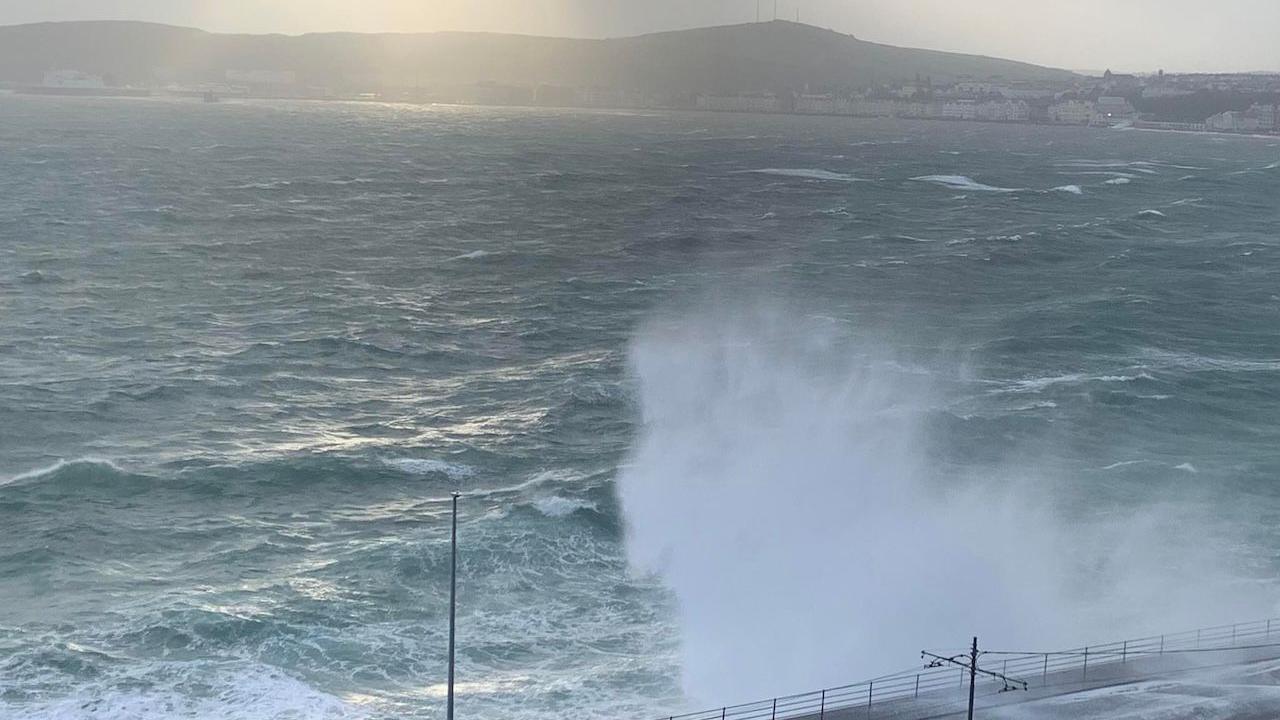
- The Isle of Man issued a rare red weather warning due to major coastal flooding and debris, urging people to avoid affected areas.
- Over 300 flood warnings were in place across the UK, with heavy rain and winds causing power outages for thousands of homes.
- Emergency services conducted multiple rescues from flooded vehicles, highlighting the storm's impact on public safety.
- The Met Office reported significant rainfall, with some areas receiving up to two weeks' worth of rain in just 24 hours.
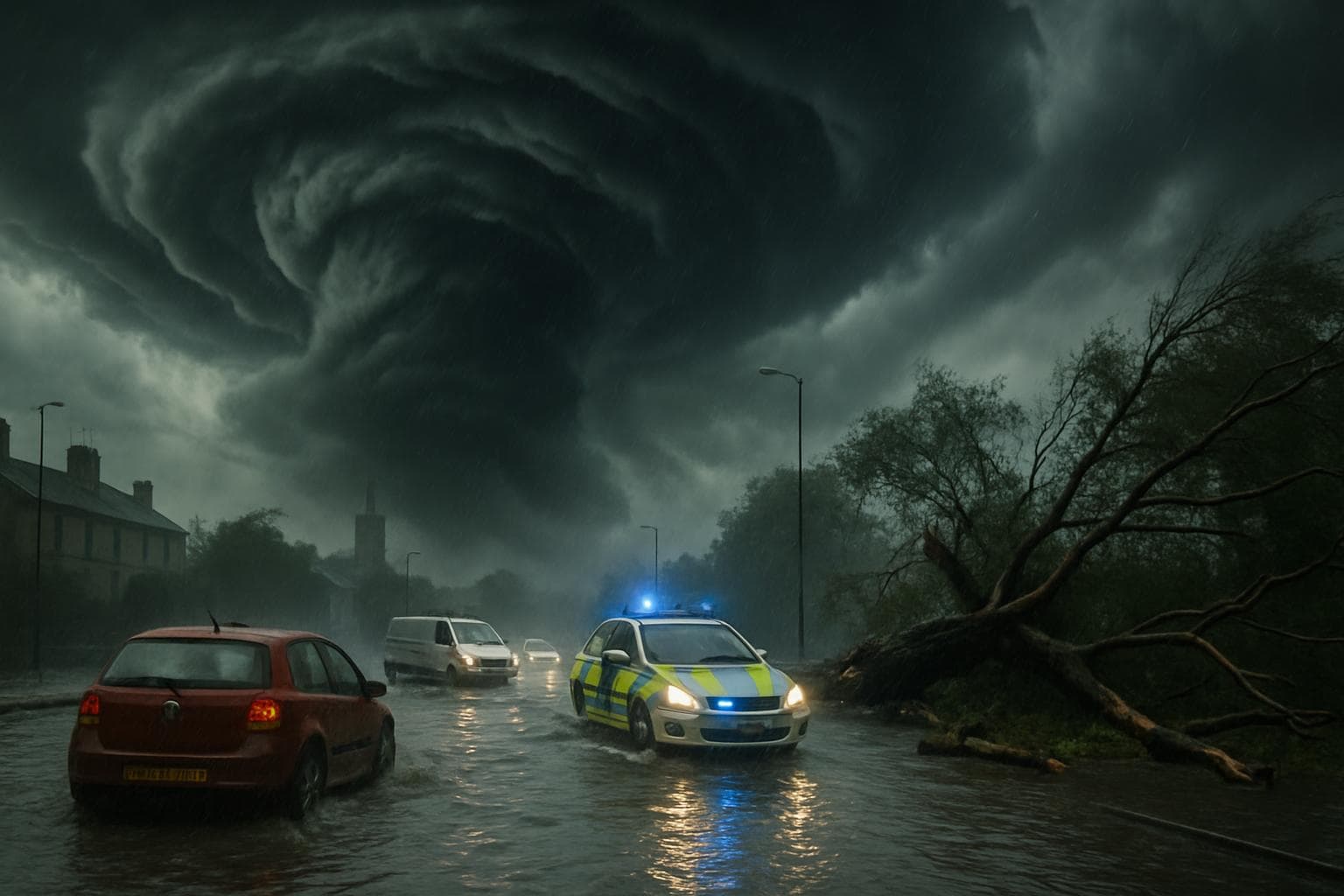
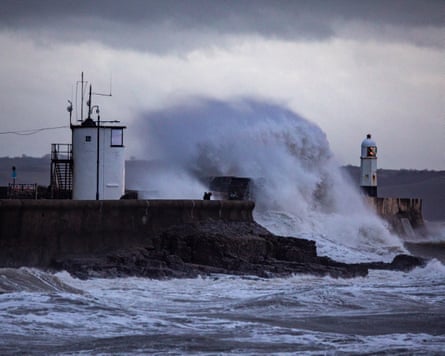
Storm Bram has unleashed chaos across the UK and Ireland, bringing severe weather conditions that have led to significant travel disruptions, power outages, and emergency rescues. The storm, characterized by heavy rain and strong winds, has prompted authorities to issue numerous weather warnings and advisories.
Severe Weather Warnings and Travel Disruptions
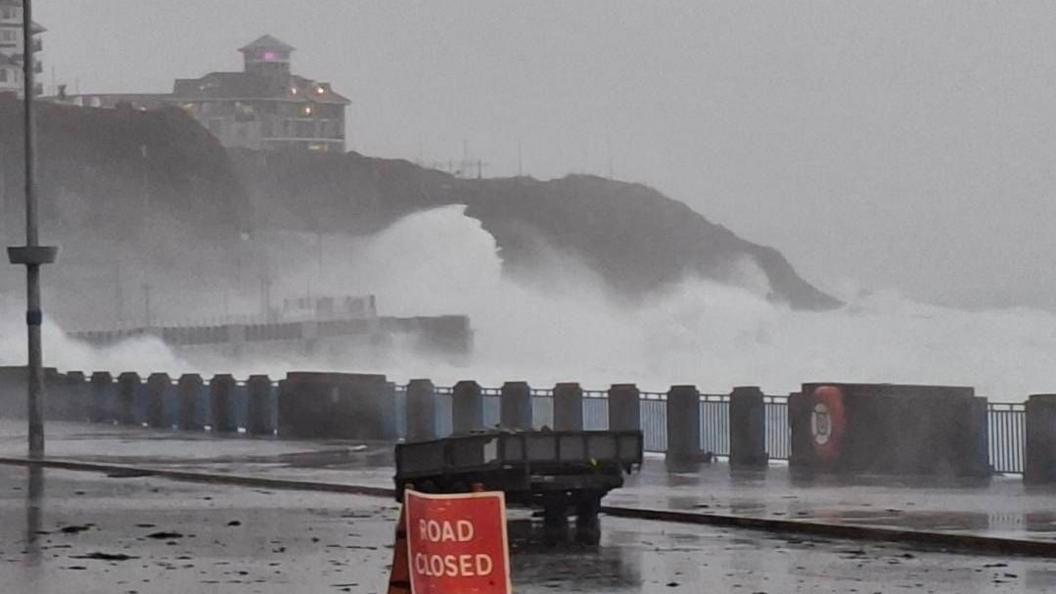
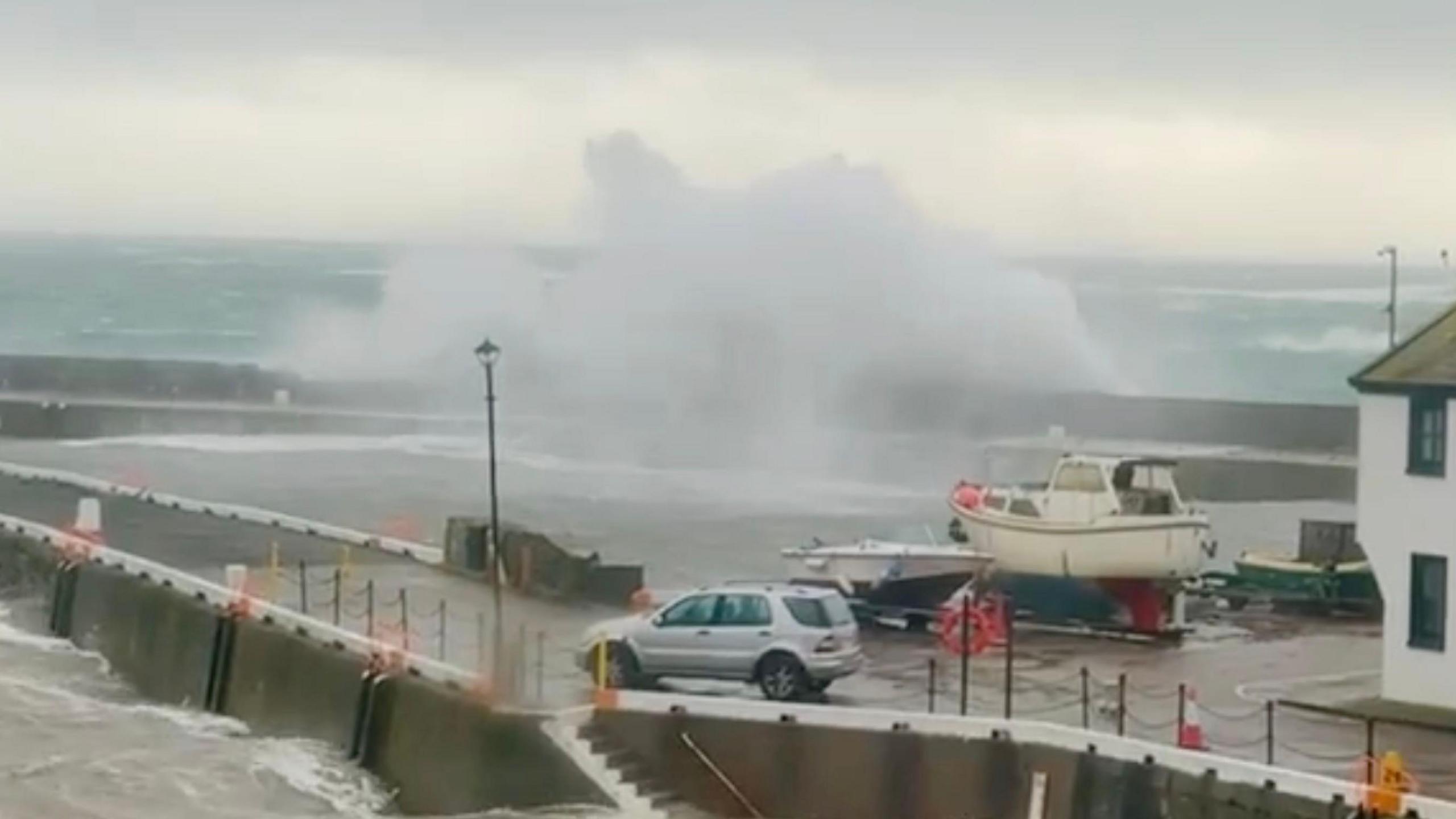
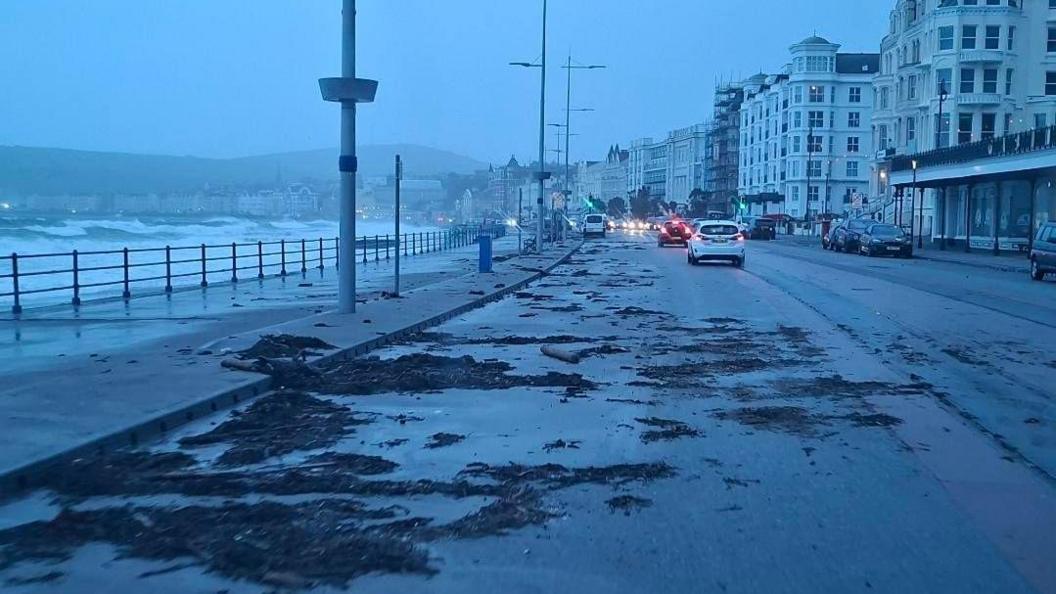
The Isle of Man faced one of the most severe impacts, with the Ronaldsway Met Office issuing a rare red weather warning for coastal flooding and debris. This warning, in effect until 16:00 GMT, led to the closure of several exposed roads and the suspension of ferry services. Flights to and from the island were also cancelled or delayed, as gusts reached up to 70mph (113km/h), causing damage to buildings and infrastructure.
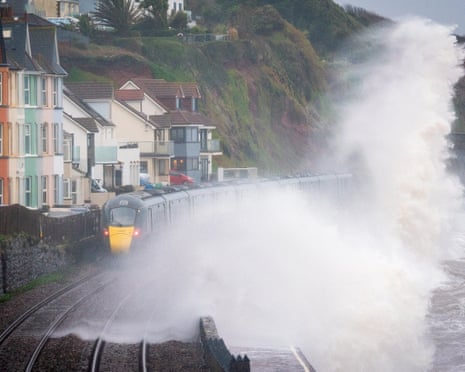
Across the UK, more than 300 flood warnings were issued, with the Met Office reporting that some areas experienced up to two weeks' worth of rain in just 24 hours. In Devon, White Barrow recorded 11.2cm of rain, while Princetown saw 7.9cm, significantly impacting local transport services. Great Western Railway reported severe disruptions, with lines between London and the southwest affected by flooding.
Power Outages and Emergency Rescues
The storm left thousands of homes without power, particularly in southwest England, the Midlands, and Wales. In Ireland, approximately 25,000 homes and businesses experienced power outages by Tuesday evening. Emergency services were kept busy, conducting multiple rescues from flooded vehicles. In Hampshire, a driver was saved after her car was swept downstream, while in Devon, two people were rescued from the roof of their car.
Impact on Infrastructure and Public Safety
The storm's impact extended to infrastructure, with concerns over lighting columns on the Prince of Wales Bridge leading to lane closures. In Greater Manchester, part of the M66 was shut due to flooding and a multi-vehicle crash. The Scottish west coast ferry operator CalMac also reported service disruptions due to adverse weather conditions.
WHAT THIS MIGHT MEAN
As Storm Bram continues to move across the region, the immediate focus remains on public safety and restoring essential services. The extensive flooding and power outages highlight the need for robust infrastructure and emergency preparedness in the face of increasingly severe weather events. Experts suggest that climate change may be contributing to the frequency and intensity of such storms, urging policymakers to prioritize climate resilience in future planning.
In the aftermath of the storm, there will likely be a comprehensive assessment of the damage to infrastructure and properties. This could lead to increased investment in flood defenses and improved weather forecasting systems. Additionally, the disruption to travel and daily life underscores the importance of effective communication and coordination among emergency services and local authorities during such crises.
Images from the Web
Related Articles

Saharan Dust to Illuminate UK Skies with Vivid Sunrises and Sunsets

Police Federation Chief Arrested Amid Fraud Investigation
Canada and Australia Forge Strategic Partnership Amid Global Uncertainty

UK Government to Reform Asylum Seeker Support and Employment Policies

Sisters Tragically Drown at Eryri National Park's Watkin Path

Middle East Conflict Drives UK Energy Prices to New Highs
Storm Bram Causes Widespread Disruption Across UK and Ireland
In This Article
 Leila Hassan| Published
 HIGHLIGHTS
- Storm Bram has caused severe travel disruptions across the UK and Ireland, with flights, trains, and ferries cancelled.
- The Isle of Man issued a rare red weather warning due to major coastal flooding and debris, urging people to avoid affected areas.
- Over 300 flood warnings were in place across the UK, with heavy rain and winds causing power outages for thousands of homes.
- Emergency services conducted multiple rescues from flooded vehicles, highlighting the storm's impact on public safety.
- The Met Office reported significant rainfall, with some areas receiving up to two weeks' worth of rain in just 24 hours.
Storm Bram has unleashed chaos across the UK and Ireland, bringing severe weather conditions that have led to significant travel disruptions, power outages, and emergency rescues. The storm, characterized by heavy rain and strong winds, has prompted authorities to issue numerous weather warnings and advisories.
Severe Weather Warnings and Travel Disruptions
The Isle of Man faced one of the most severe impacts, with the Ronaldsway Met Office issuing a rare red weather warning for coastal flooding and debris. This warning, in effect until 16:00 GMT, led to the closure of several exposed roads and the suspension of ferry services. Flights to and from the island were also cancelled or delayed, as gusts reached up to 70mph (113km/h), causing damage to buildings and infrastructure.
Across the UK, more than 300 flood warnings were issued, with the Met Office reporting that some areas experienced up to two weeks' worth of rain in just 24 hours. In Devon, White Barrow recorded 11.2cm of rain, while Princetown saw 7.9cm, significantly impacting local transport services. Great Western Railway reported severe disruptions, with lines between London and the southwest affected by flooding.
Power Outages and Emergency Rescues
The storm left thousands of homes without power, particularly in southwest England, the Midlands, and Wales. In Ireland, approximately 25,000 homes and businesses experienced power outages by Tuesday evening. Emergency services were kept busy, conducting multiple rescues from flooded vehicles. In Hampshire, a driver was saved after her car was swept downstream, while in Devon, two people were rescued from the roof of their car.
Impact on Infrastructure and Public Safety
The storm's impact extended to infrastructure, with concerns over lighting columns on the Prince of Wales Bridge leading to lane closures. In Greater Manchester, part of the M66 was shut due to flooding and a multi-vehicle crash. The Scottish west coast ferry operator CalMac also reported service disruptions due to adverse weather conditions.
WHAT THIS MIGHT MEAN
As Storm Bram continues to move across the region, the immediate focus remains on public safety and restoring essential services. The extensive flooding and power outages highlight the need for robust infrastructure and emergency preparedness in the face of increasingly severe weather events. Experts suggest that climate change may be contributing to the frequency and intensity of such storms, urging policymakers to prioritize climate resilience in future planning.
In the aftermath of the storm, there will likely be a comprehensive assessment of the damage to infrastructure and properties. This could lead to increased investment in flood defenses and improved weather forecasting systems. Additionally, the disruption to travel and daily life underscores the importance of effective communication and coordination among emergency services and local authorities during such crises.
Images from the Web
Related Articles
Saharan Dust to Illuminate UK Skies with Vivid Sunrises and Sunsets
Police Federation Chief Arrested Amid Fraud Investigation
Canada and Australia Forge Strategic Partnership Amid Global Uncertainty
UK Government to Reform Asylum Seeker Support and Employment Policies
Sisters Tragically Drown at Eryri National Park's Watkin Path
Middle East Conflict Drives UK Energy Prices to New Highs