
Storm Bram Causes Widespread Disruption Across the UK
In This Article
HIGHLIGHTS
- Storm Bram has caused significant travel disruptions across the UK, with trains, flights, and ferries cancelled due to heavy rain and strong winds.
- Thousands of flood defences in England are below standard, with 9% of 98,000 defences inspected by the Environment Agency failing to meet required conditions.
- Amber weather warnings, indicating potential danger to life, were issued for north-west Scotland and Northern Ireland, with gusts up to 90mph.
- Over 80 flood warnings are in place across Britain, with the most severe impacts in Scotland, Wales, and parts of England.
- Power outages have affected thousands of properties, particularly in the Midlands, south-west England, and south Wales.
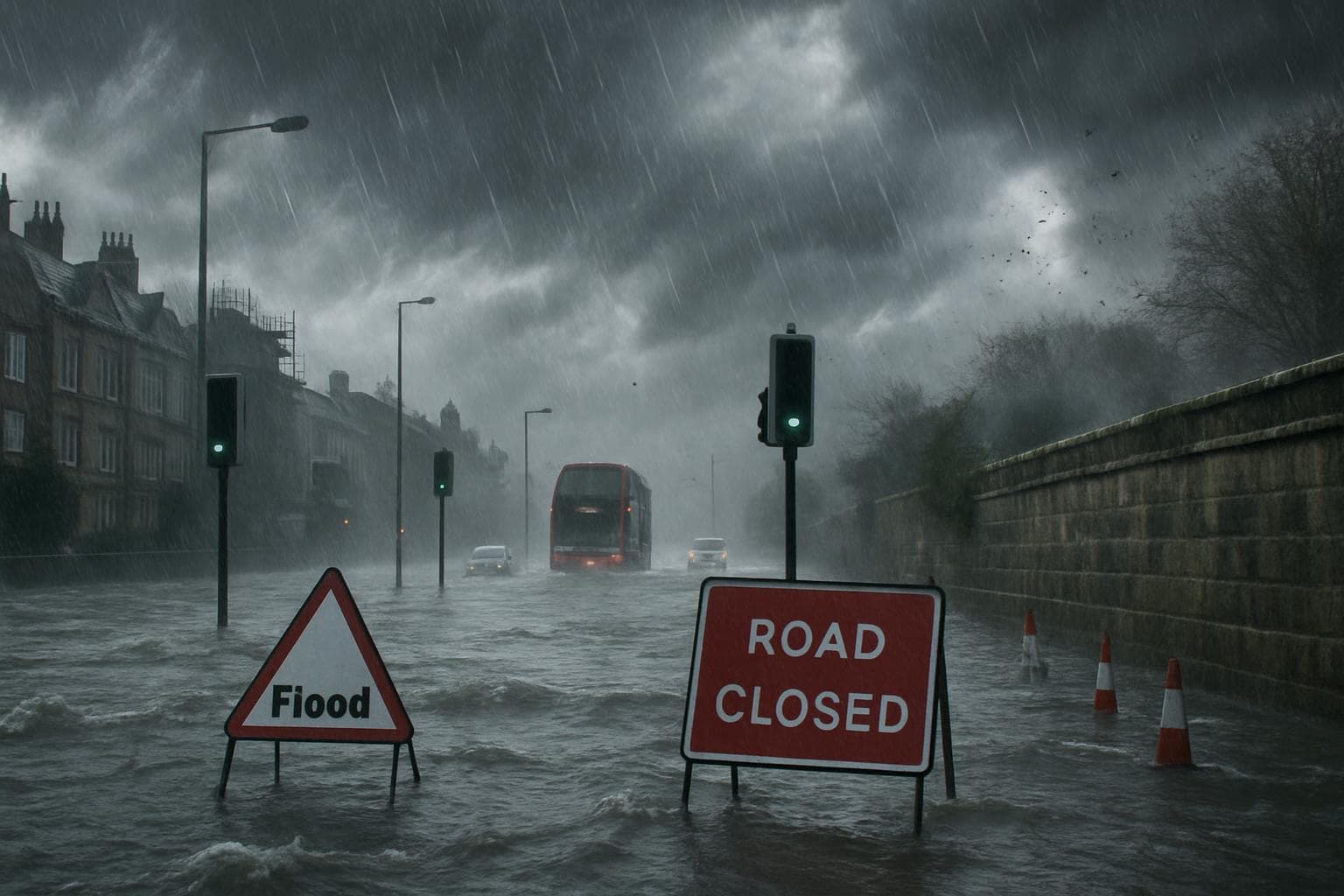
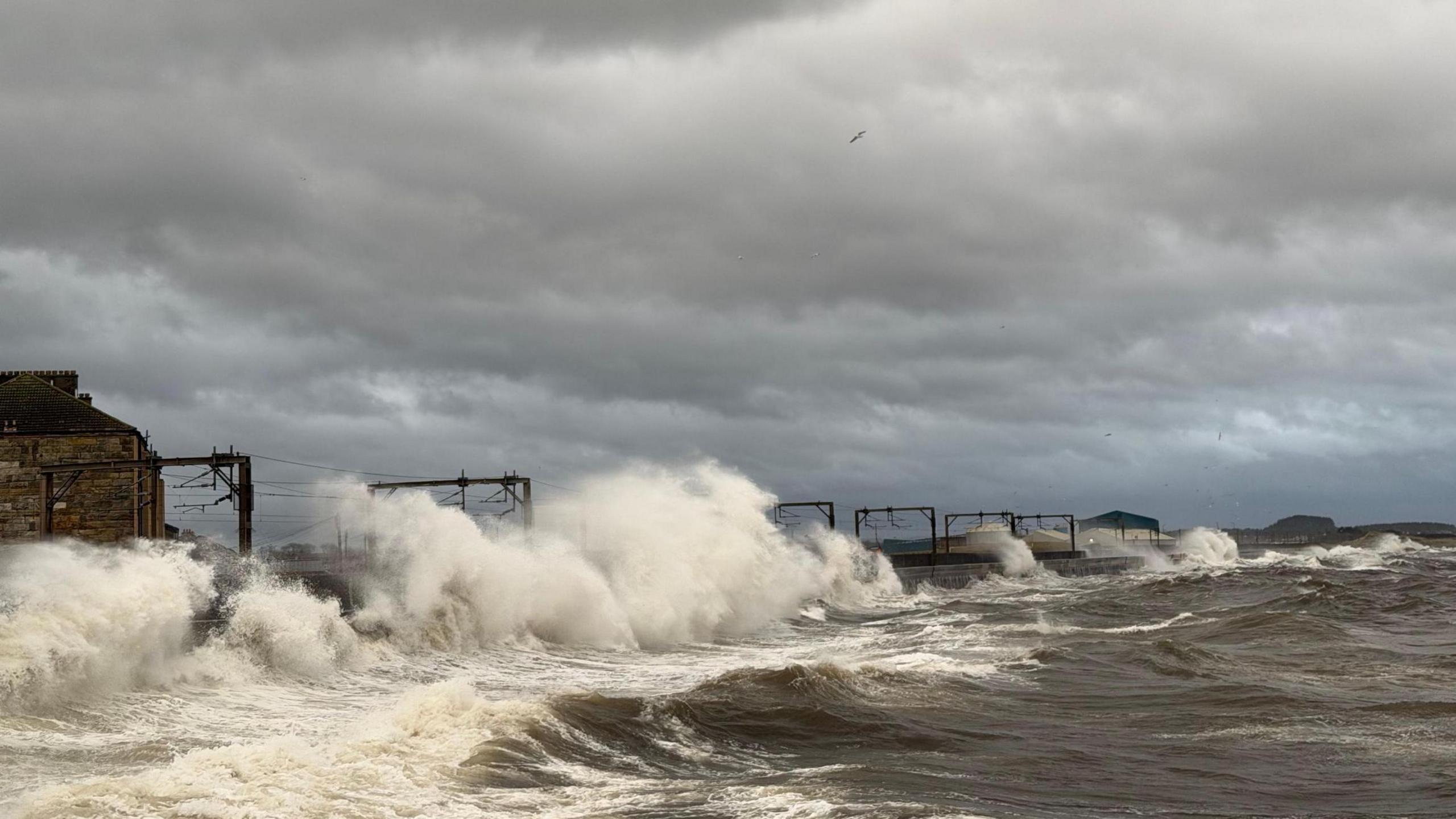
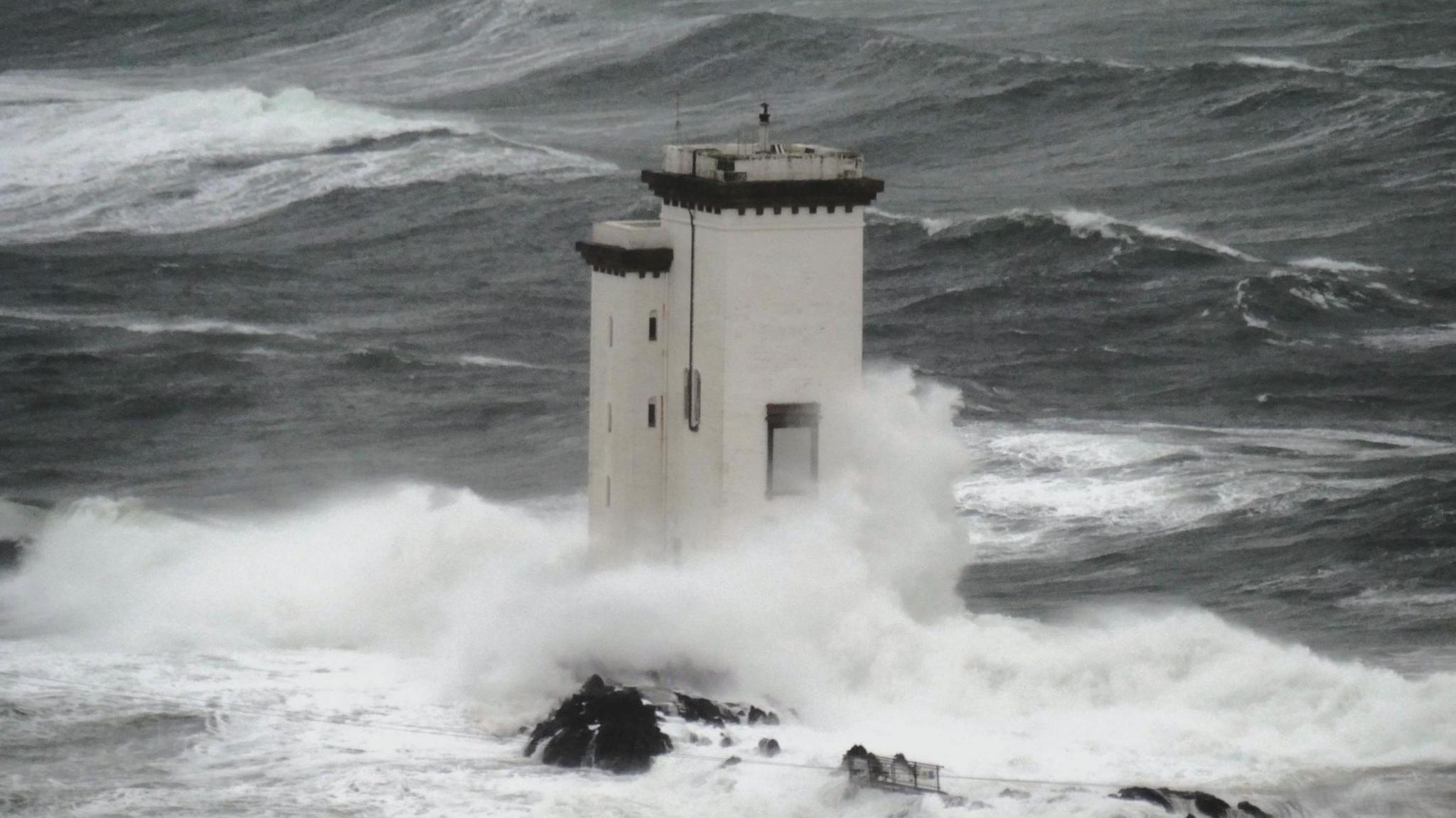
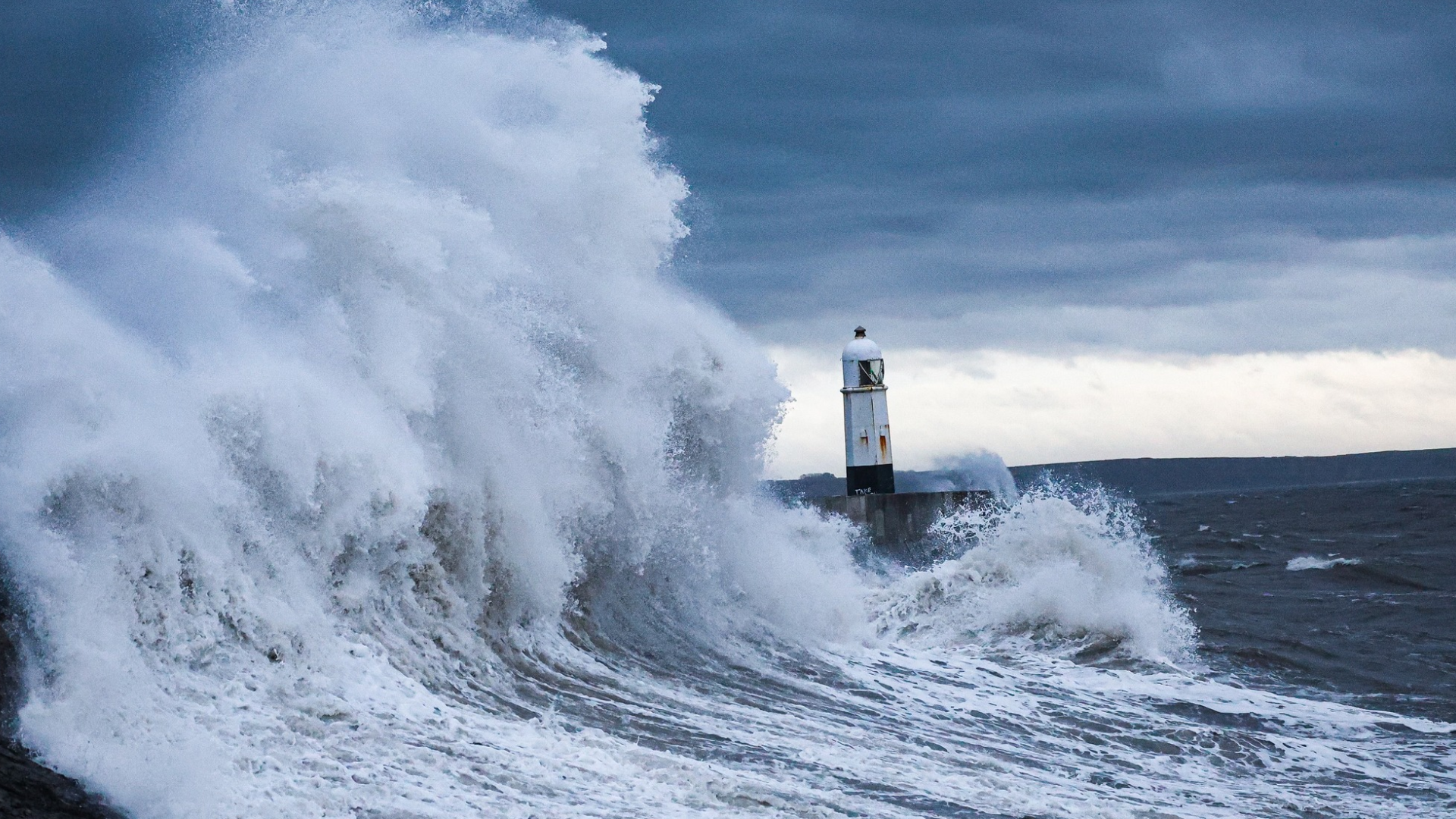
Storm Bram has wreaked havoc across the UK, bringing heavy rain, strong winds, and widespread travel disruptions. The storm, named by Ireland's Met Éireann, has led to the cancellation of numerous trains, flights, and ferries, leaving thousands stranded and without power.
Impact on Travel and Infrastructure
The Met Office issued amber weather warnings for north-west Scotland and Northern Ireland, predicting gusts of up to 90mph. These warnings, which indicate a potential danger to life, have resulted in significant travel disruptions. In Scotland, several ferry routes were cancelled, and ScotRail announced early terminations and delays on various lines. The M48 Severn Bridge was closed due to high winds, while the Prince of Wales Bridge faced temporary closures for safety measures.
Flood Defences Under Strain
An analysis revealed that thousands of flood defences in England are below the required standard. The Environment Agency found that 9% of the 98,000 defences inspected were not fully operational, with significant regional disparities. Areas like North Tyneside, Brentwood in Essex, and Hart in Hampshire reported over 40% of defences below standard. The Thames corridor also faced challenges, with a fifth of its defences failing to meet conditions due to record rainfall and tidal surges.
Widespread Flood Warnings
More than 80 flood warnings were issued across Britain, with the most severe impacts in Scotland, Wales, and parts of England. The Scottish Environment Protection Agency reported risks of coastal flooding and high water levels on rivers. In Wales, roads were closed due to flooding, and power outages affected over 1,600 properties. The National Grid reported thousands of properties without power in the Midlands and south-west England.
Government Response and Future Plans
Floods minister Emma Hardy stated that the Labour government inherited flood defences in poor condition and has redirected £108m for immediate repairs. The government plans to invest £10.5bn in flood defences by 2036, aiming to build new defences and repair existing ones to protect communities for decades.
WHAT THIS MIGHT MEAN
As Storm Bram continues to impact the UK, the immediate focus remains on managing travel disruptions and restoring power to affected areas. The government's long-term investment in flood defences is crucial to mitigating future risks, especially as climate change increases the frequency and severity of such storms. Experts suggest that improving infrastructure resilience and regional coordination will be key to minimizing the impact of extreme weather events. The ongoing assessment of flood defences will likely prompt further investment and policy adjustments to enhance the UK's preparedness for future storms.
Images from the Web

Related Articles

Saharan Dust to Illuminate UK Skies with Vivid Sunrises and Sunsets

Police Federation Chief Arrested Amid Fraud Investigation

Canada and Australia Forge Strategic Partnership Amid Global Uncertainty

UK Government to Reform Asylum Seeker Support and Employment Policies

Sisters Tragically Drown at Eryri National Park's Watkin Path

Middle East Conflict Drives UK Energy Prices to New Highs
Storm Bram Causes Widespread Disruption Across the UK
In This Article
 Leila Hassan| Published
 HIGHLIGHTS
- Storm Bram has caused significant travel disruptions across the UK, with trains, flights, and ferries cancelled due to heavy rain and strong winds.
- Thousands of flood defences in England are below standard, with 9% of 98,000 defences inspected by the Environment Agency failing to meet required conditions.
- Amber weather warnings, indicating potential danger to life, were issued for north-west Scotland and Northern Ireland, with gusts up to 90mph.
- Over 80 flood warnings are in place across Britain, with the most severe impacts in Scotland, Wales, and parts of England.
- Power outages have affected thousands of properties, particularly in the Midlands, south-west England, and south Wales.
Storm Bram has wreaked havoc across the UK, bringing heavy rain, strong winds, and widespread travel disruptions. The storm, named by Ireland's Met Éireann, has led to the cancellation of numerous trains, flights, and ferries, leaving thousands stranded and without power.
Impact on Travel and Infrastructure
The Met Office issued amber weather warnings for north-west Scotland and Northern Ireland, predicting gusts of up to 90mph. These warnings, which indicate a potential danger to life, have resulted in significant travel disruptions. In Scotland, several ferry routes were cancelled, and ScotRail announced early terminations and delays on various lines. The M48 Severn Bridge was closed due to high winds, while the Prince of Wales Bridge faced temporary closures for safety measures.
Flood Defences Under Strain
An analysis revealed that thousands of flood defences in England are below the required standard. The Environment Agency found that 9% of the 98,000 defences inspected were not fully operational, with significant regional disparities. Areas like North Tyneside, Brentwood in Essex, and Hart in Hampshire reported over 40% of defences below standard. The Thames corridor also faced challenges, with a fifth of its defences failing to meet conditions due to record rainfall and tidal surges.
Widespread Flood Warnings
More than 80 flood warnings were issued across Britain, with the most severe impacts in Scotland, Wales, and parts of England. The Scottish Environment Protection Agency reported risks of coastal flooding and high water levels on rivers. In Wales, roads were closed due to flooding, and power outages affected over 1,600 properties. The National Grid reported thousands of properties without power in the Midlands and south-west England.
Government Response and Future Plans
Floods minister Emma Hardy stated that the Labour government inherited flood defences in poor condition and has redirected £108m for immediate repairs. The government plans to invest £10.5bn in flood defences by 2036, aiming to build new defences and repair existing ones to protect communities for decades.
WHAT THIS MIGHT MEAN
As Storm Bram continues to impact the UK, the immediate focus remains on managing travel disruptions and restoring power to affected areas. The government's long-term investment in flood defences is crucial to mitigating future risks, especially as climate change increases the frequency and severity of such storms. Experts suggest that improving infrastructure resilience and regional coordination will be key to minimizing the impact of extreme weather events. The ongoing assessment of flood defences will likely prompt further investment and policy adjustments to enhance the UK's preparedness for future storms.
Images from the Web
Related Articles
Saharan Dust to Illuminate UK Skies with Vivid Sunrises and Sunsets
Police Federation Chief Arrested Amid Fraud Investigation
Canada and Australia Forge Strategic Partnership Amid Global Uncertainty
UK Government to Reform Asylum Seeker Support and Employment Policies
Sisters Tragically Drown at Eryri National Park's Watkin Path
Middle East Conflict Drives UK Energy Prices to New Highs