
Calls for Stricter VPN Regulations as Children's Online Porn Exposure Rises
In This Article
HIGHLIGHTS
- Children's exposure to pornography has increased despite the Online Safety Act, with some viewing it as young as six.
- Dame Rachel de Souza calls for age verification on VPNs to prevent bypassing age checks on adult sites.
- A survey found 70% of young people had seen porn before 18, with 27% exposed by age 11.
- The report highlights accidental exposure via social media, with 59% encountering porn unintentionally.
- Ofcom's new regulations aim to enhance online safety, but challenges remain in implementation.
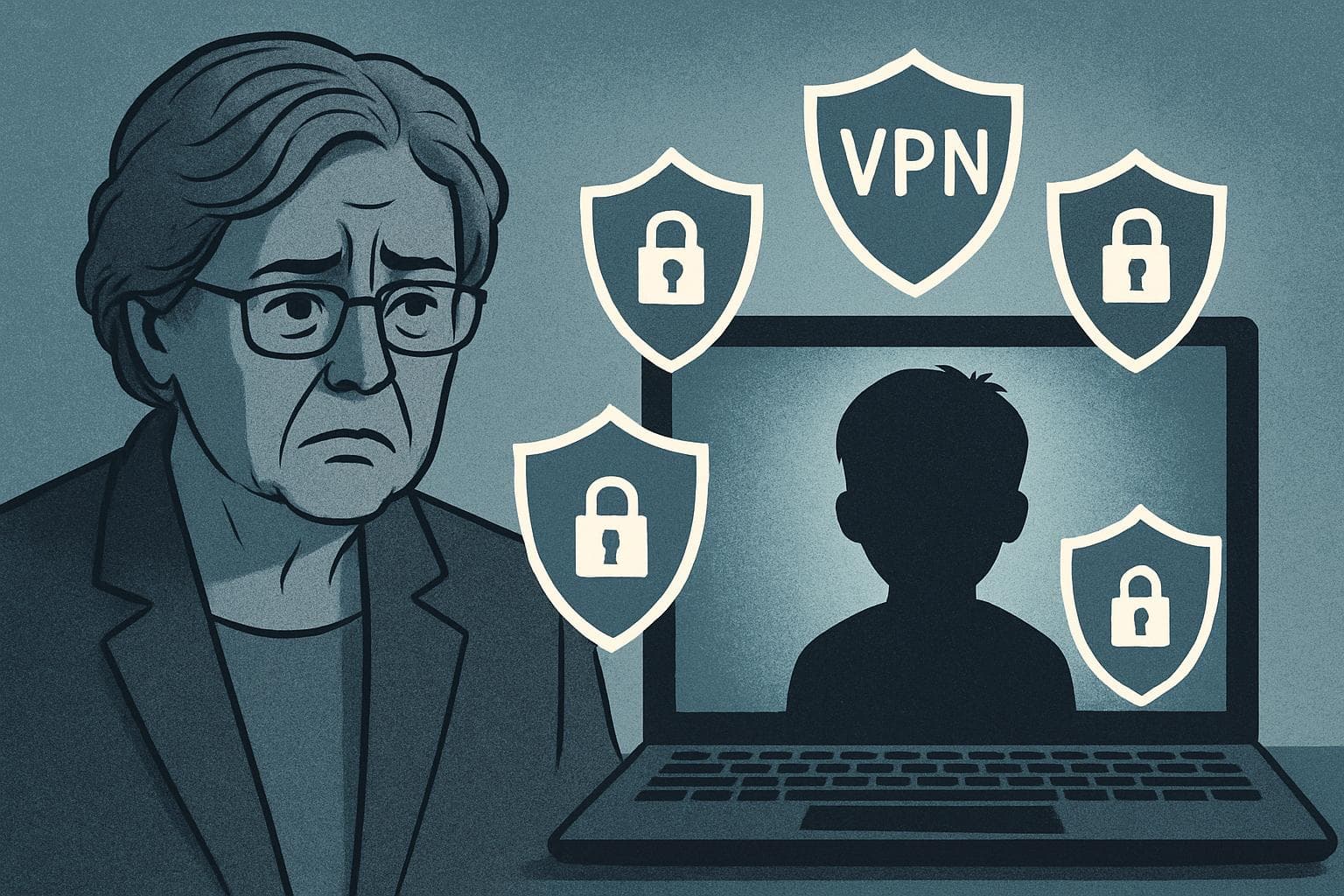
The exposure of children to online pornography has surged, prompting calls for stricter regulations on virtual private networks (VPNs) to prevent minors from bypassing age verification systems. Dame Rachel de Souza, the children's commissioner for England, has highlighted the need for age verification on VPNs, which are currently being used to circumvent the Online Safety Act's requirements.
Rising Concerns Over Children's Online Safety
Recent research conducted by the children's commissioner reveals a troubling increase in the number of children exposed to pornography, with some encountering it as early as six years old. The survey, which included 1,010 participants aged 16 to 21, found that 70% had viewed pornography before turning 18, with 27% having their first exposure by age 11. This data underscores the urgent need for effective measures to protect young internet users.
The Role of VPNs in Bypassing Age Checks
VPNs, which allow users to mask their location and access restricted content, have become a popular tool for bypassing age verification on adult websites. Dame Rachel de Souza has called for the implementation of age verification on VPNs, describing the current situation as a "loophole that needs closing." Despite these concerns, a government spokesperson stated that there are no plans to ban VPNs, emphasizing their legality for adult use.
Accidental Exposure and Its Impact
The report also highlights the prevalence of accidental exposure to pornography, with 59% of respondents encountering it unintentionally, often through social media platforms. This accidental exposure is linked to concerning shifts in attitudes and behaviors among young people, with many developing distorted views on consent and relationships.
New Regulations and Future Challenges
Ofcom's recent introduction of children's codes as part of the Online Safety Act aims to bolster protections for minors online. However, the effectiveness of these measures remains to be seen, as the report indicates that significant challenges persist in ensuring children's safety in the digital realm.
WHAT THIS MIGHT MEAN
The call for age verification on VPNs presents a complex challenge, balancing the need for child protection with the rights of adults to access legal tools. If implemented, such measures could significantly reduce minors' access to inappropriate content. However, enforcing these regulations may prove difficult, requiring cooperation from tech companies and policymakers.
The ongoing rise in children's exposure to pornography, despite legislative efforts, suggests that further action is needed. Experts argue that comprehensive education on digital literacy and online safety is crucial to equip young people with the skills to navigate the internet responsibly.
As the debate continues, the focus remains on finding effective solutions to protect children online while respecting individual freedoms. The success of Ofcom's new regulations will likely play a pivotal role in shaping future policies aimed at safeguarding young internet users.
Related Articles

Crackdown on Waste Crime: £1.2 Million Fine and New Drone Unit to Combat Illegal Dumping
UK to Enforce Swift Removal of Non-Consensual Intimate Images by Tech Firms

Government Announces £4 Billion Overhaul of SEND Support in England

Saharan Dust to Illuminate UK Skies with Vivid Sunrises and Sunsets

UK Government Announces Major Overhaul of SEND System with £3.4 Billion Investment
Government Unveils Ambitious Plan to Halve Attainment Gap in England's Schools
Calls for Stricter VPN Regulations as Children's Online Porn Exposure Rises
In This Article
 Sofia Romano| Published
 HIGHLIGHTS
- Children's exposure to pornography has increased despite the Online Safety Act, with some viewing it as young as six.
- Dame Rachel de Souza calls for age verification on VPNs to prevent bypassing age checks on adult sites.
- A survey found 70% of young people had seen porn before 18, with 27% exposed by age 11.
- The report highlights accidental exposure via social media, with 59% encountering porn unintentionally.
- Ofcom's new regulations aim to enhance online safety, but challenges remain in implementation.
The exposure of children to online pornography has surged, prompting calls for stricter regulations on virtual private networks (VPNs) to prevent minors from bypassing age verification systems. Dame Rachel de Souza, the children's commissioner for England, has highlighted the need for age verification on VPNs, which are currently being used to circumvent the Online Safety Act's requirements.
Rising Concerns Over Children's Online Safety
Recent research conducted by the children's commissioner reveals a troubling increase in the number of children exposed to pornography, with some encountering it as early as six years old. The survey, which included 1,010 participants aged 16 to 21, found that 70% had viewed pornography before turning 18, with 27% having their first exposure by age 11. This data underscores the urgent need for effective measures to protect young internet users.
The Role of VPNs in Bypassing Age Checks
VPNs, which allow users to mask their location and access restricted content, have become a popular tool for bypassing age verification on adult websites. Dame Rachel de Souza has called for the implementation of age verification on VPNs, describing the current situation as a "loophole that needs closing." Despite these concerns, a government spokesperson stated that there are no plans to ban VPNs, emphasizing their legality for adult use.
Accidental Exposure and Its Impact
The report also highlights the prevalence of accidental exposure to pornography, with 59% of respondents encountering it unintentionally, often through social media platforms. This accidental exposure is linked to concerning shifts in attitudes and behaviors among young people, with many developing distorted views on consent and relationships.
New Regulations and Future Challenges
Ofcom's recent introduction of children's codes as part of the Online Safety Act aims to bolster protections for minors online. However, the effectiveness of these measures remains to be seen, as the report indicates that significant challenges persist in ensuring children's safety in the digital realm.
WHAT THIS MIGHT MEAN
The call for age verification on VPNs presents a complex challenge, balancing the need for child protection with the rights of adults to access legal tools. If implemented, such measures could significantly reduce minors' access to inappropriate content. However, enforcing these regulations may prove difficult, requiring cooperation from tech companies and policymakers.
The ongoing rise in children's exposure to pornography, despite legislative efforts, suggests that further action is needed. Experts argue that comprehensive education on digital literacy and online safety is crucial to equip young people with the skills to navigate the internet responsibly.
As the debate continues, the focus remains on finding effective solutions to protect children online while respecting individual freedoms. The success of Ofcom's new regulations will likely play a pivotal role in shaping future policies aimed at safeguarding young internet users.
Related Articles
Crackdown on Waste Crime: £1.2 Million Fine and New Drone Unit to Combat Illegal Dumping
UK to Enforce Swift Removal of Non-Consensual Intimate Images by Tech Firms
Government Announces £4 Billion Overhaul of SEND Support in England
Saharan Dust to Illuminate UK Skies with Vivid Sunrises and Sunsets
UK Government Announces Major Overhaul of SEND System with £3.4 Billion Investment
Government Unveils Ambitious Plan to Halve Attainment Gap in England's Schools