
Escalating Tensions: Suicide Bombing in Pakistan and Retaliatory Strikes in Afghanistan
In This Article
HIGHLIGHTS
- A suicide bombing in Peshawar, Pakistan, killed three security officials and injured at least 12 others.
- The Pakistani government has accused Afghan nationals of involvement in the attack, linking them to the Tehreek-e-Taliban Pakistan.
- In retaliation, Pakistan conducted airstrikes in Afghanistan, reportedly killing 10 civilians, including nine children.
- Tensions between Pakistan and Afghanistan have escalated, with both countries accusing each other of harboring militants.
- The situation remains volatile, with ongoing security concerns and strained diplomatic relations.
A suicide bombing targeting the headquarters of Pakistan's paramilitary Federal Constabulary in Peshawar has left three security officials dead and at least 12 others wounded. The attack, which occurred on Monday morning, involved two armed assailants who breached multiple security layers before being neutralized at the gate. No group has claimed responsibility, but Pakistani authorities suspect Afghan nationals linked to the Tehreek-e-Taliban Pakistan (TTP).
Immediate Aftermath and Government Response
The attack has been described by Pakistani officials as a "foiled terrorist plot," with Prime Minister Shehbaz Sharif calling for swift justice against the perpetrators. The Federal Constabulary, tasked with handling complex security situations, plays a crucial role in maintaining order in the volatile Khyber Pakhtunkhwa province, a region frequently targeted by militant violence.
Retaliatory Strikes and Civilian Casualties
In response to the Peshawar attack, Pakistan launched airstrikes in Afghanistan's Khost province, reportedly killing 10 civilians, including nine children. The Taliban government in Afghanistan condemned the strikes, accusing Pakistan of targeting civilian areas. Zabihullah Mujahid, a Taliban spokesperson, highlighted the tragic loss of life, further straining the already tense relations between the two nations.
Historical Context and Ongoing Tensions
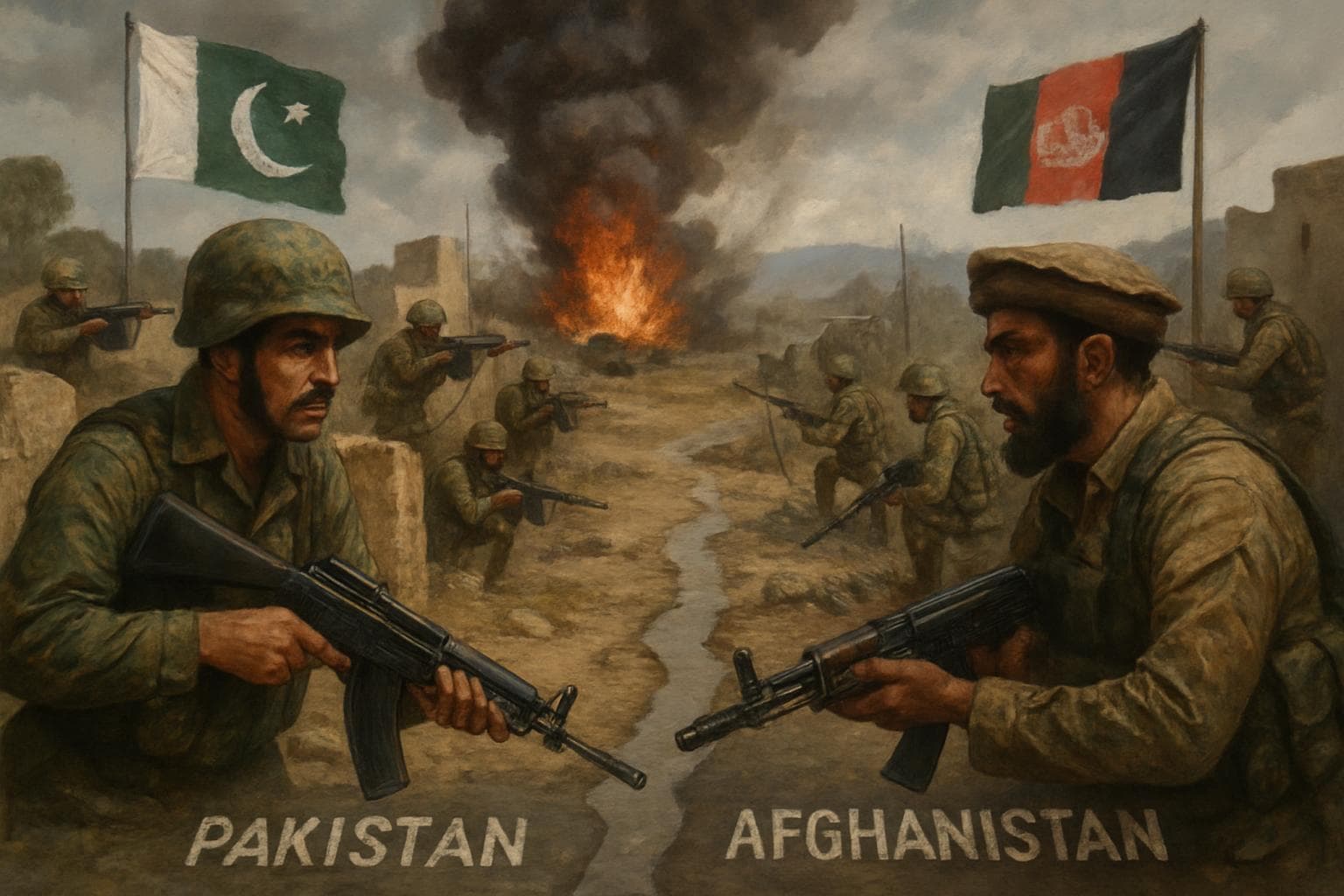
Relations between Pakistan and Afghanistan have been fraught since the Taliban's return to power in 2021. Recent border clashes and failed diplomatic talks have exacerbated tensions, with both countries accusing each other of harboring hostile militant groups. Pakistan's demands for Kabul to curb TTP activities remain a significant point of contention, while Afghanistan counters with accusations of Pakistani interference in its sovereignty.
WHAT THIS MIGHT MEAN
The recent escalation in violence and retaliatory actions between Pakistan and Afghanistan underscores the fragile security situation in the region. If diplomatic efforts remain stalled, the potential for further conflict looms large, with both nations facing internal and external pressures. Experts suggest that international mediation, possibly involving key regional players like Qatar and Turkey, could be crucial in de-escalating tensions and fostering dialogue. However, without concrete steps towards addressing mutual security concerns, the cycle of violence may persist, posing significant risks to regional stability.
Related Articles
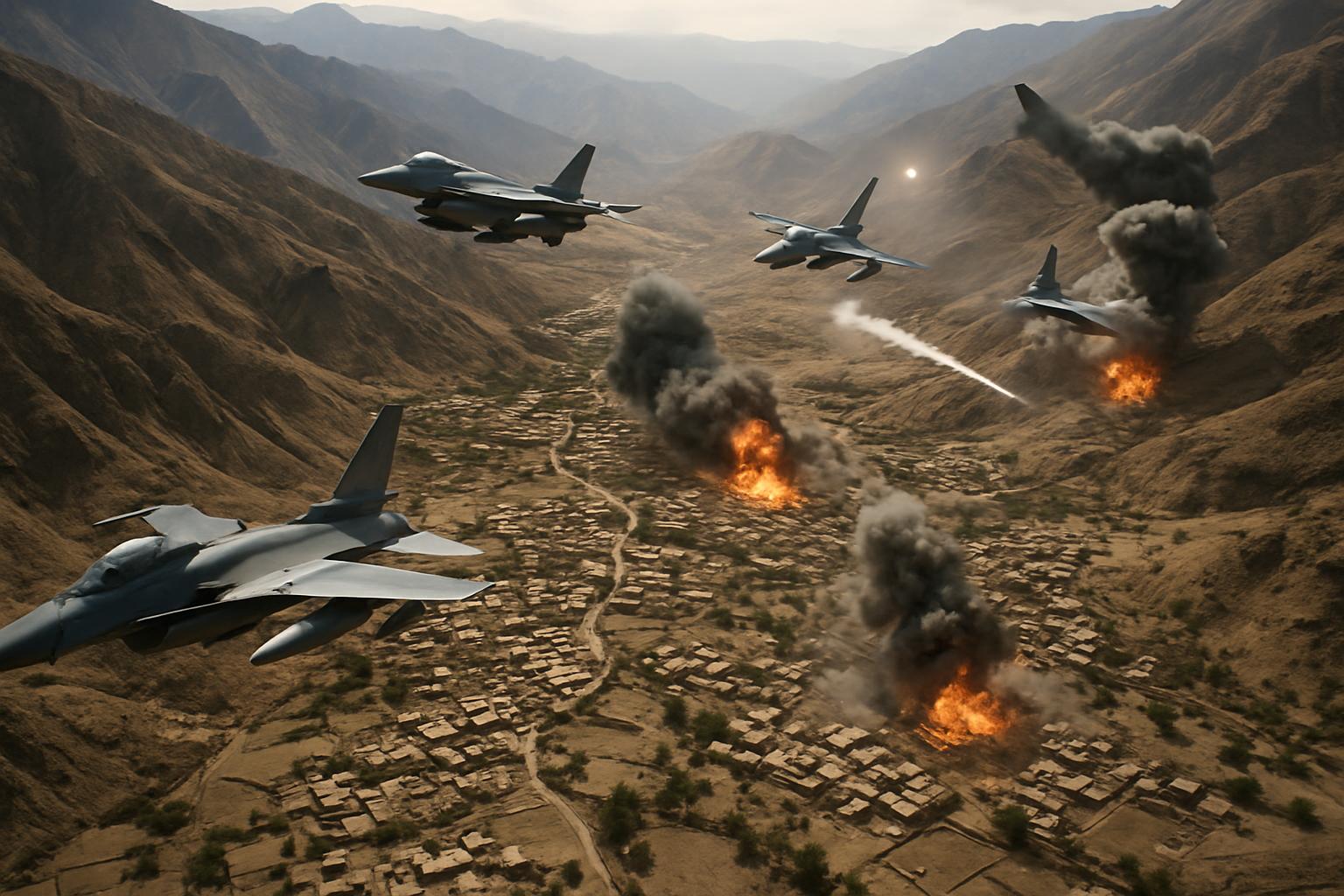
Pakistan's Airstrikes on Afghanistan Escalate Cross-Border Tensions
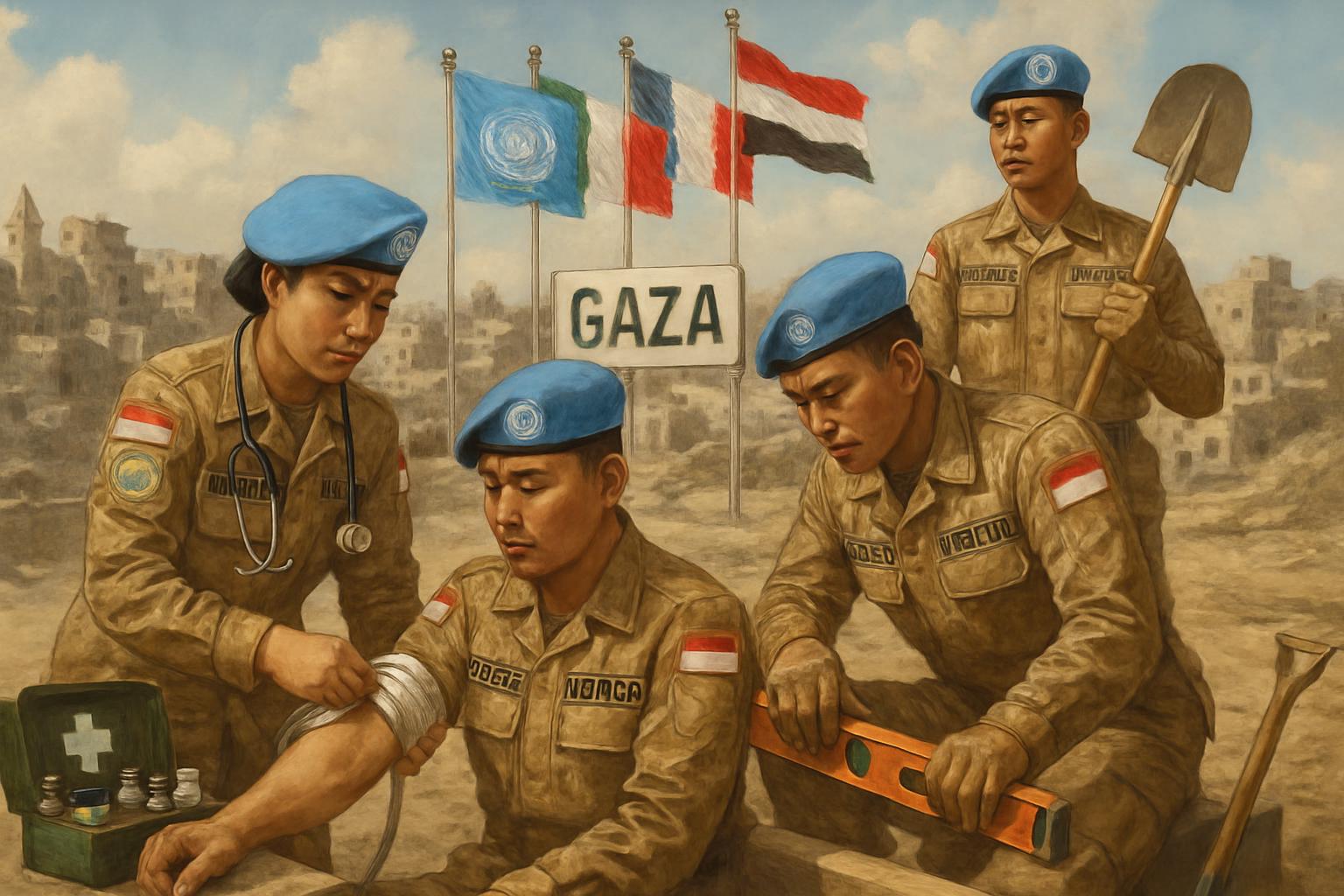
Indonesia Prepares Historic Troop Deployment to Gaza Under US Peace Plan
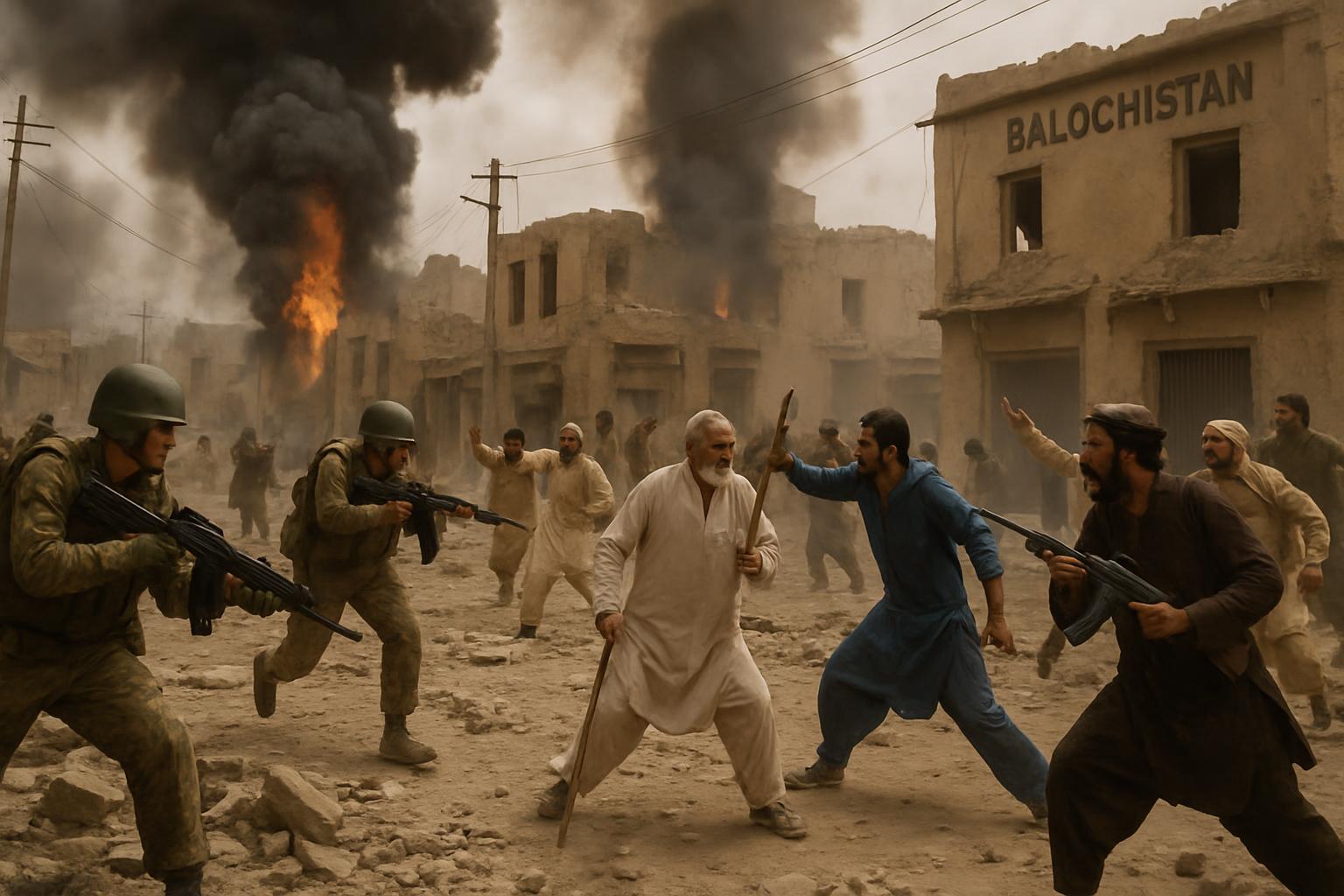
Deadly Attacks in Balochistan Highlight Ongoing Insurgency
Deadly Suicide Bombing at Islamabad Mosque Claims Over 30 Lives
Iran Signals Openness to US Talks Amid Rising Tensions
Israeli Air Strikes in Gaza Result in Significant Casualties Amid Ceasefire Tensions
Escalating Tensions: Suicide Bombing in Pakistan and Retaliatory Strikes in Afghanistan
In This Article
 James Okoro| Published
 HIGHLIGHTS
- A suicide bombing in Peshawar, Pakistan, killed three security officials and injured at least 12 others.
- The Pakistani government has accused Afghan nationals of involvement in the attack, linking them to the Tehreek-e-Taliban Pakistan.
- In retaliation, Pakistan conducted airstrikes in Afghanistan, reportedly killing 10 civilians, including nine children.
- Tensions between Pakistan and Afghanistan have escalated, with both countries accusing each other of harboring militants.
- The situation remains volatile, with ongoing security concerns and strained diplomatic relations.
A suicide bombing targeting the headquarters of Pakistan's paramilitary Federal Constabulary in Peshawar has left three security officials dead and at least 12 others wounded. The attack, which occurred on Monday morning, involved two armed assailants who breached multiple security layers before being neutralized at the gate. No group has claimed responsibility, but Pakistani authorities suspect Afghan nationals linked to the Tehreek-e-Taliban Pakistan (TTP).
Immediate Aftermath and Government Response
The attack has been described by Pakistani officials as a "foiled terrorist plot," with Prime Minister Shehbaz Sharif calling for swift justice against the perpetrators. The Federal Constabulary, tasked with handling complex security situations, plays a crucial role in maintaining order in the volatile Khyber Pakhtunkhwa province, a region frequently targeted by militant violence.
Retaliatory Strikes and Civilian Casualties
In response to the Peshawar attack, Pakistan launched airstrikes in Afghanistan's Khost province, reportedly killing 10 civilians, including nine children. The Taliban government in Afghanistan condemned the strikes, accusing Pakistan of targeting civilian areas. Zabihullah Mujahid, a Taliban spokesperson, highlighted the tragic loss of life, further straining the already tense relations between the two nations.
Historical Context and Ongoing Tensions
Relations between Pakistan and Afghanistan have been fraught since the Taliban's return to power in 2021. Recent border clashes and failed diplomatic talks have exacerbated tensions, with both countries accusing each other of harboring hostile militant groups. Pakistan's demands for Kabul to curb TTP activities remain a significant point of contention, while Afghanistan counters with accusations of Pakistani interference in its sovereignty.
WHAT THIS MIGHT MEAN
The recent escalation in violence and retaliatory actions between Pakistan and Afghanistan underscores the fragile security situation in the region. If diplomatic efforts remain stalled, the potential for further conflict looms large, with both nations facing internal and external pressures. Experts suggest that international mediation, possibly involving key regional players like Qatar and Turkey, could be crucial in de-escalating tensions and fostering dialogue. However, without concrete steps towards addressing mutual security concerns, the cycle of violence may persist, posing significant risks to regional stability.
Related Articles
Pakistan's Airstrikes on Afghanistan Escalate Cross-Border Tensions
Indonesia Prepares Historic Troop Deployment to Gaza Under US Peace Plan
Deadly Attacks in Balochistan Highlight Ongoing Insurgency
Deadly Suicide Bombing at Islamabad Mosque Claims Over 30 Lives
Iran Signals Openness to US Talks Amid Rising Tensions
Israeli Air Strikes in Gaza Result in Significant Casualties Amid Ceasefire Tensions