
US-Iran Nuclear Talks in Oman: A Last-Ditch Effort to Avert Conflict
In This Article
HIGHLIGHTS
- US and Iran are set to hold nuclear talks in Oman amid heightened military tensions and threats of conflict.
- The discussions aim to address Iran's nuclear program, with the US pushing for broader topics including ballistic missiles and regional security.
- President Trump has threatened military action if Iran does not agree to a deal, while Iran insists on focusing solely on its nuclear activities.
- The talks were nearly derailed over disagreements on location and scope but were salvaged by diplomatic interventions from Arab states.
- Iran's economic crisis and recent protests add pressure on its leadership to negotiate, despite its firm stance on the agenda.
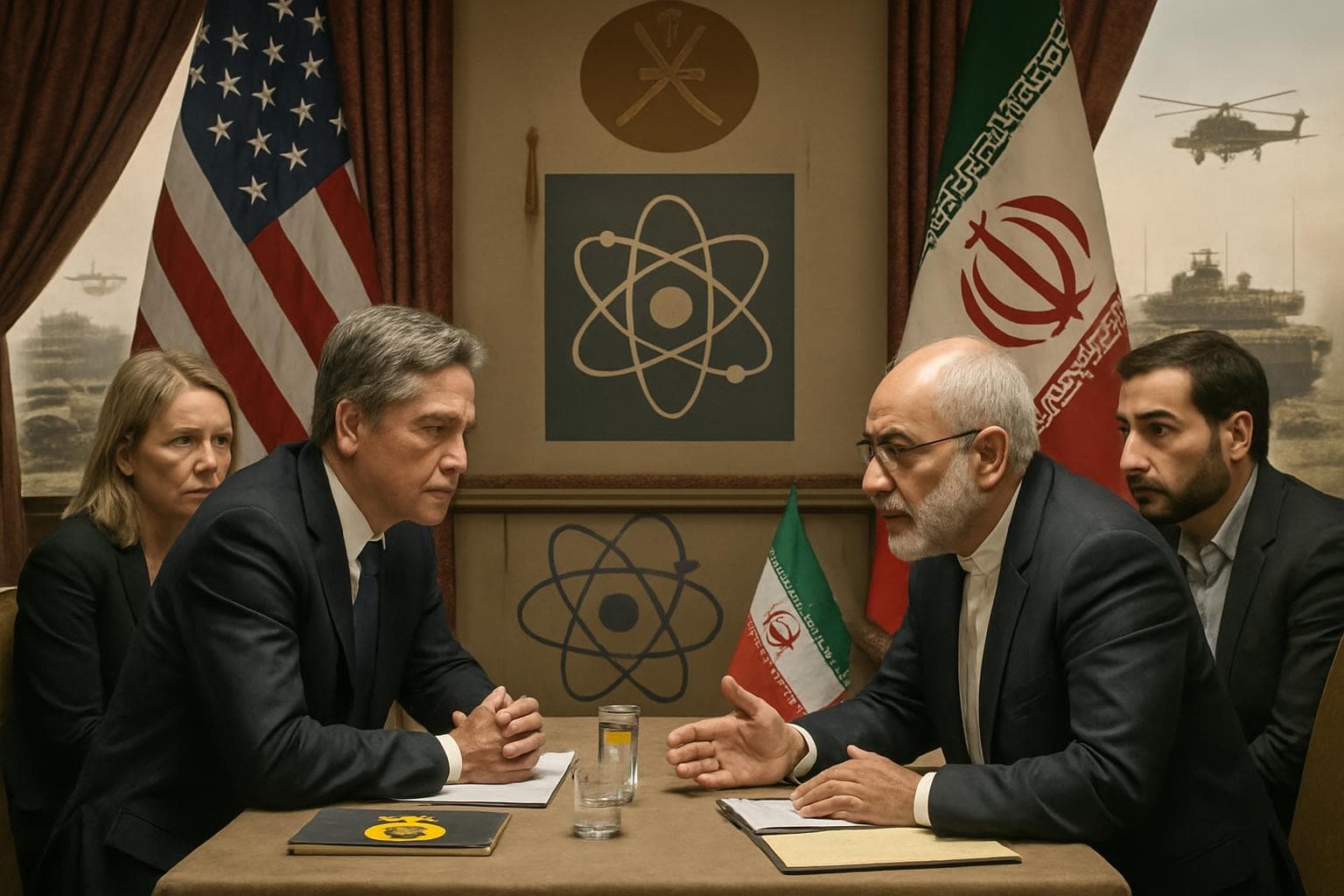
In a critical diplomatic move, the United States and Iran have commenced nuclear talks in Oman, seeking to defuse escalating tensions that have brought the two nations to the brink of conflict. The discussions, which began on Friday in Muscat, are seen as a pivotal opportunity to address longstanding disputes over Iran's nuclear program amid a backdrop of military threats and regional instability.
Diplomatic Efforts Amid Military Build-Up
The talks come after a significant build-up of US military forces in the Middle East, following Iran's violent crackdown on nationwide protests that resulted in thousands of deaths, according to human rights groups. President Donald Trump has issued stark warnings to Iran's Supreme Leader Ayatollah Ali Khamenei, emphasizing the urgency of reaching a deal. "He should be very worried," Trump remarked, underscoring the potential for military action if negotiations fail.
Contentious Agenda and Diplomatic Maneuvering
The negotiations have been fraught with challenges, including disputes over the agenda. While the US insists on addressing Iran's ballistic missile program and regional activities, Iran remains adamant that discussions should focus solely on its nuclear activities. The talks were nearly derailed by disagreements over the venue, with Iran successfully pushing for Oman over Turkey, thanks to last-minute diplomatic interventions by Arab states.
Economic Pressures and Internal Unrest
Iran's economy is in turmoil, exacerbated by US sanctions and internal unrest. The Iranian currency has plummeted, and inflation is soaring, fueling public discontent. These economic pressures, coupled with the regime's weakened position following a conflict with Israel, add urgency to the negotiations. However, Iran's negotiators remain resolute, leveraging their experience to maintain a firm stance.
A Pivotal Moment for US-Iran Relations
The outcome of these talks could significantly impact US-Iran relations and regional stability. Both nations have much at stake, with Iran seeking relief from crippling sanctions and the US aiming to curb Iran's nuclear ambitions. As the world watches, the negotiations in Oman represent a critical juncture in a decades-long geopolitical struggle.
WHAT THIS MIGHT MEAN
The success or failure of the Oman talks could have profound implications for regional and global security. If a deal is reached, it may pave the way for easing tensions and potentially lifting some US sanctions on Iran, providing much-needed economic relief. Conversely, a breakdown in negotiations could escalate military confrontations, with Iran likely to retaliate against US and Israeli interests, further destabilizing the Middle East.
Experts suggest that a comprehensive agreement addressing both nuclear and regional security issues is crucial for lasting peace. However, given the entrenched positions of both parties, achieving such an outcome remains challenging. The international community, particularly regional allies, will play a vital role in mediating and supporting a diplomatic resolution to this complex and volatile situation.
Related Articles

Intensified US-Israel Strikes on Iran Spark Global Outcry
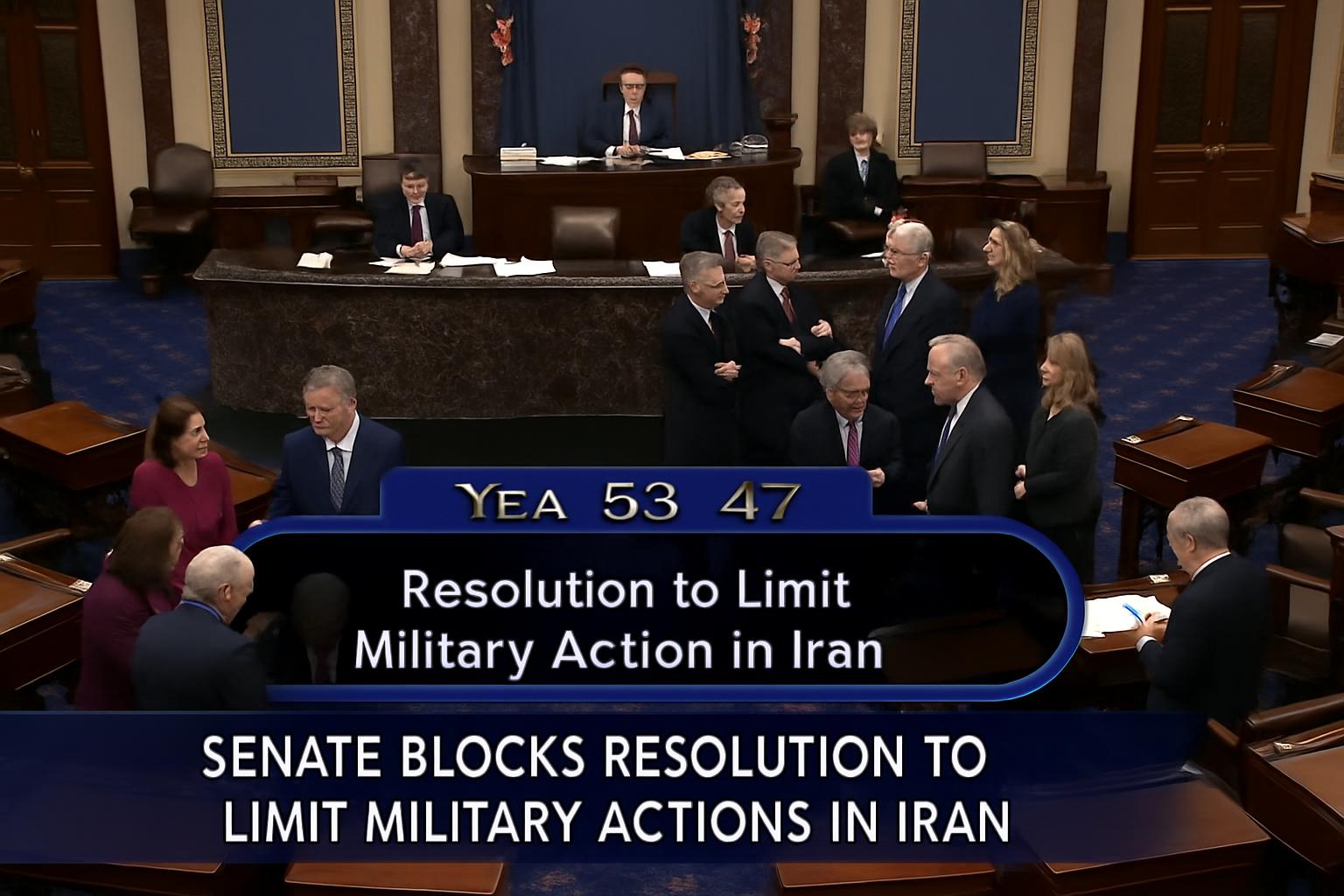
Senate Blocks Resolution to Limit Trump's Military Actions in Iran
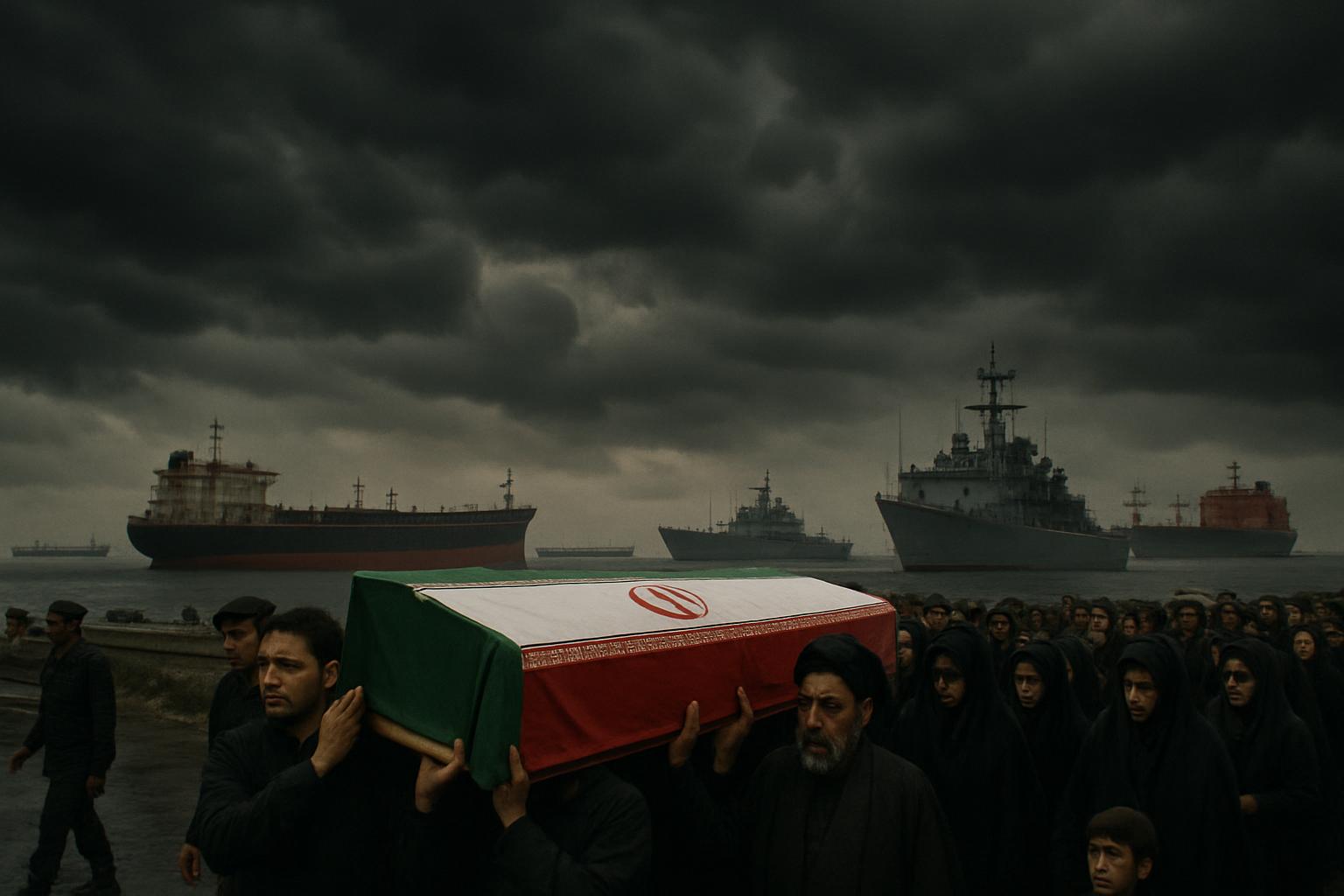
Iran Postpones Khamenei Funeral Amid Escalating US-Israeli Strikes
Spain's Sánchez Stands Firm Against Trump's Trade Threat Over Iran Stance

UK Faces Dilemmas Amid Iran Conflict and China Spying Allegations
US and Israel Intensify Military Campaign as Iran's Capabilities Dwindle
US-Iran Nuclear Talks in Oman: A Last-Ditch Effort to Avert Conflict
In This Article
 Ethan Brooks| Published
 HIGHLIGHTS
- US and Iran are set to hold nuclear talks in Oman amid heightened military tensions and threats of conflict.
- The discussions aim to address Iran's nuclear program, with the US pushing for broader topics including ballistic missiles and regional security.
- President Trump has threatened military action if Iran does not agree to a deal, while Iran insists on focusing solely on its nuclear activities.
- The talks were nearly derailed over disagreements on location and scope but were salvaged by diplomatic interventions from Arab states.
- Iran's economic crisis and recent protests add pressure on its leadership to negotiate, despite its firm stance on the agenda.
In a critical diplomatic move, the United States and Iran have commenced nuclear talks in Oman, seeking to defuse escalating tensions that have brought the two nations to the brink of conflict. The discussions, which began on Friday in Muscat, are seen as a pivotal opportunity to address longstanding disputes over Iran's nuclear program amid a backdrop of military threats and regional instability.
Diplomatic Efforts Amid Military Build-Up
The talks come after a significant build-up of US military forces in the Middle East, following Iran's violent crackdown on nationwide protests that resulted in thousands of deaths, according to human rights groups. President Donald Trump has issued stark warnings to Iran's Supreme Leader Ayatollah Ali Khamenei, emphasizing the urgency of reaching a deal. "He should be very worried," Trump remarked, underscoring the potential for military action if negotiations fail.
Contentious Agenda and Diplomatic Maneuvering
The negotiations have been fraught with challenges, including disputes over the agenda. While the US insists on addressing Iran's ballistic missile program and regional activities, Iran remains adamant that discussions should focus solely on its nuclear activities. The talks were nearly derailed by disagreements over the venue, with Iran successfully pushing for Oman over Turkey, thanks to last-minute diplomatic interventions by Arab states.
Economic Pressures and Internal Unrest
Iran's economy is in turmoil, exacerbated by US sanctions and internal unrest. The Iranian currency has plummeted, and inflation is soaring, fueling public discontent. These economic pressures, coupled with the regime's weakened position following a conflict with Israel, add urgency to the negotiations. However, Iran's negotiators remain resolute, leveraging their experience to maintain a firm stance.
A Pivotal Moment for US-Iran Relations
The outcome of these talks could significantly impact US-Iran relations and regional stability. Both nations have much at stake, with Iran seeking relief from crippling sanctions and the US aiming to curb Iran's nuclear ambitions. As the world watches, the negotiations in Oman represent a critical juncture in a decades-long geopolitical struggle.
WHAT THIS MIGHT MEAN
The success or failure of the Oman talks could have profound implications for regional and global security. If a deal is reached, it may pave the way for easing tensions and potentially lifting some US sanctions on Iran, providing much-needed economic relief. Conversely, a breakdown in negotiations could escalate military confrontations, with Iran likely to retaliate against US and Israeli interests, further destabilizing the Middle East.
Experts suggest that a comprehensive agreement addressing both nuclear and regional security issues is crucial for lasting peace. However, given the entrenched positions of both parties, achieving such an outcome remains challenging. The international community, particularly regional allies, will play a vital role in mediating and supporting a diplomatic resolution to this complex and volatile situation.
Related Articles
Intensified US-Israel Strikes on Iran Spark Global Outcry
Senate Blocks Resolution to Limit Trump's Military Actions in Iran
Iran Postpones Khamenei Funeral Amid Escalating US-Israeli Strikes
Spain's Sánchez Stands Firm Against Trump's Trade Threat Over Iran Stance
UK Faces Dilemmas Amid Iran Conflict and China Spying Allegations
US and Israel Intensify Military Campaign as Iran's Capabilities Dwindle