
Catastrophic Sumatra Floods Threaten Survival of World's Rarest Ape
In This Article
HIGHLIGHTS
- Cyclone Senyar has devastated Sumatra, causing catastrophic floods and landslides that threaten the critically endangered Tapanuli orangutans.
- Conservationists fear that between 33 and 54 orangutans may have perished, representing a significant loss to the population of fewer than 800.
- Satellite imagery reveals that up to 7,200 hectares of orangutan habitat have been destroyed, exacerbating the extinction threat.
- The floods are described as an "extinction-level disturbance," with experts warning that even a small population loss could drive the species to extinction.
- The Tapanuli orangutans' habitat is further threatened by human activities such as mining and palm oil plantations.
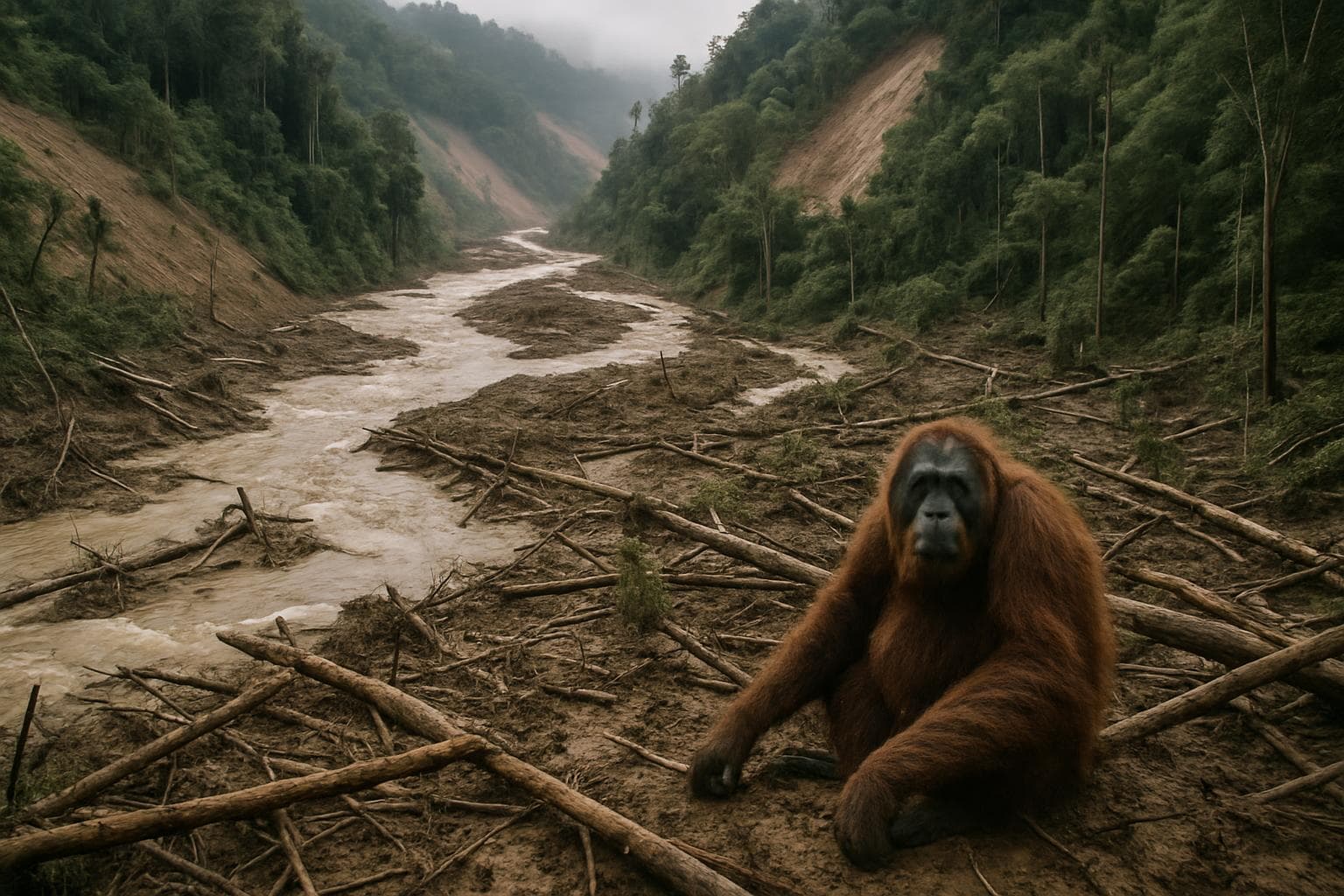
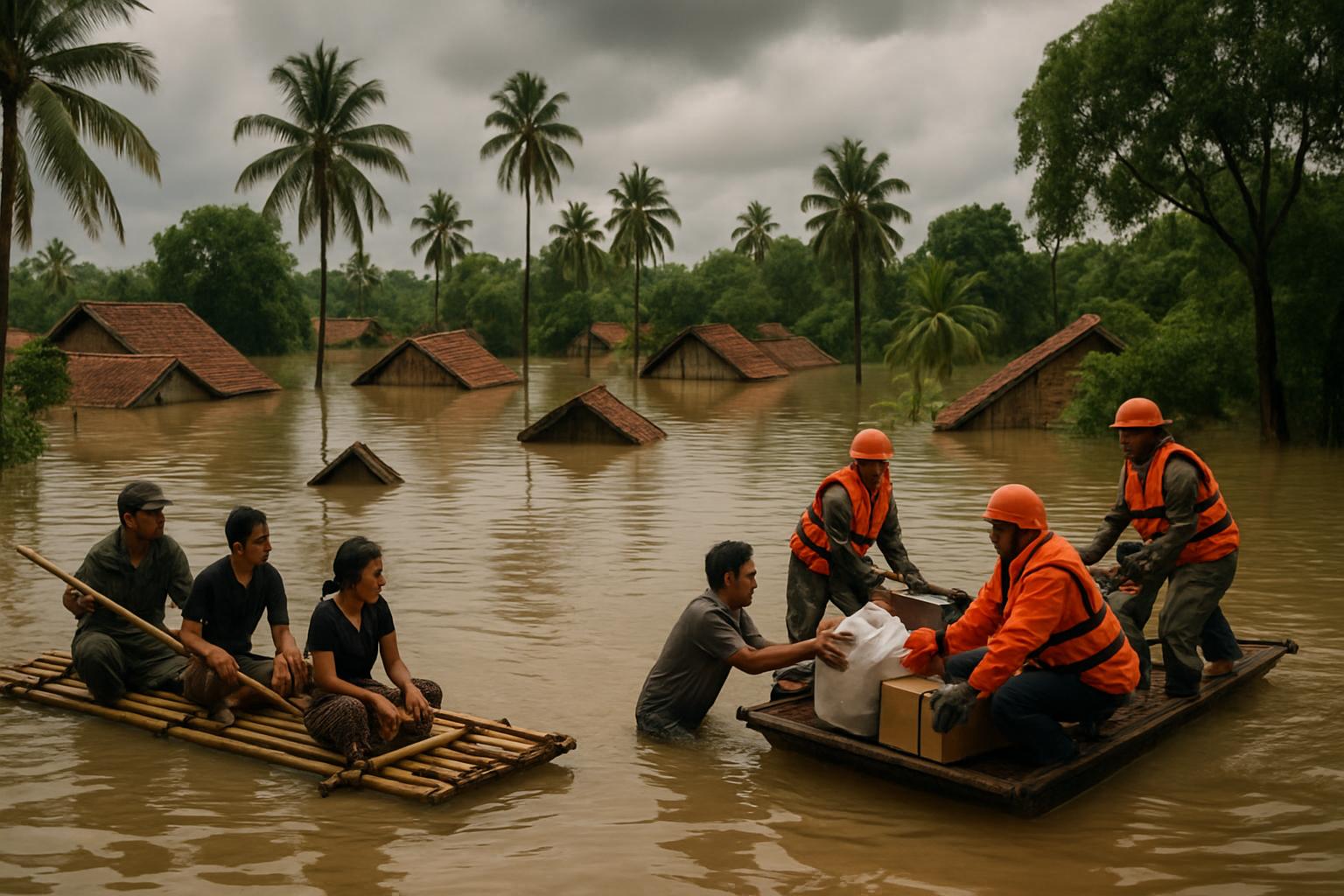
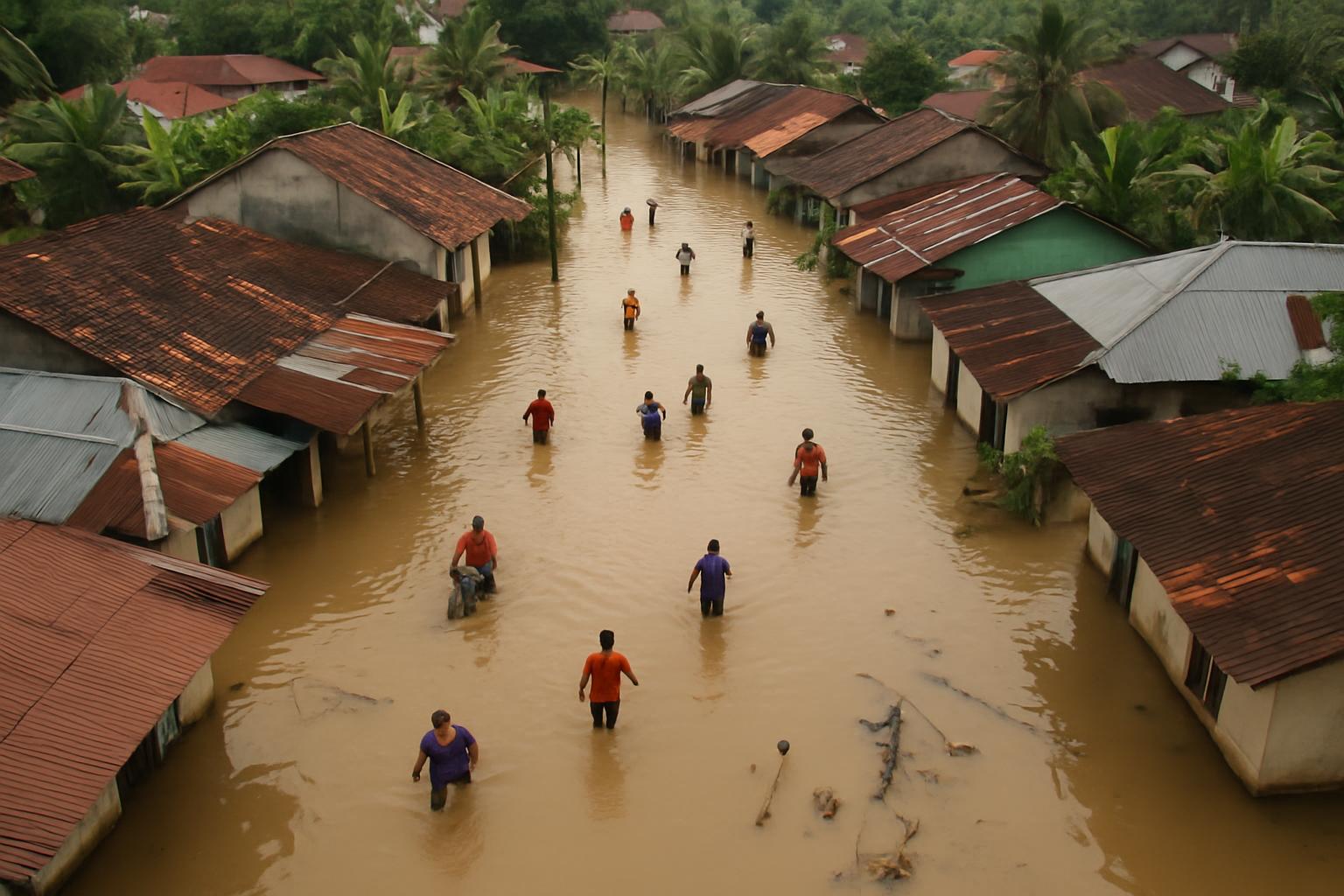
The recent devastation caused by Cyclone Senyar in Sumatra has raised grave concerns for the survival of the critically endangered Tapanuli orangutans. The cyclone, which struck in late November, unleashed torrential rains that led to catastrophic floods and landslides, severely impacting the orangutans' habitat in the Batang Toru forests of North Sumatra.
Impact on Tapanuli Orangutans
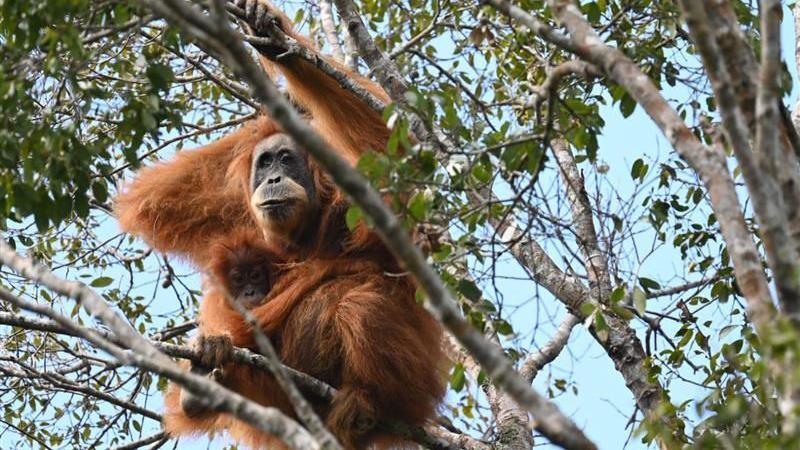
Conservationists fear that the floods have resulted in the deaths of between 33 and 54 Tapanuli orangutans, a significant blow to a population already numbering fewer than 800. The discovery of a carcass, believed to be that of an orangutan, buried in mud and debris has intensified these concerns. "It's a total disaster," said Erik Meijaard, a biological anthropologist, emphasizing the steepened path to extinction for the species.
Habitat Destruction
Satellite imagery analyzed by experts like Professor Meijaard reveals that up to 7,200 hectares of the orangutans' habitat have been destroyed. The images show vast areas of forest reduced to bare soil, with landslides carving deep gashes into the landscape. "The destroyed areas would have contained some 35 orangutans," Meijaard noted, highlighting the severe impact on the population.
Extinction Threat
The Tapanuli orangutans, discovered as a distinct species only in 2017, are now facing an "extinction-level disturbance," according to a draft paper by Meijaard. The species' survival is further threatened by human activities such as mining and palm oil plantations, which continue to encroach on their habitat.
Conservation Efforts
Conservationists are calling for urgent action to protect the remaining orangutans and their habitat. The Orangutan Information Centre in Indonesia is among the organizations working to assess the damage and develop strategies to safeguard the species' future.
WHAT THIS MIGHT MEAN
The catastrophic impact of Cyclone Senyar on the Tapanuli orangutans underscores the urgent need for enhanced conservation efforts. If immediate action is not taken to protect their habitat, the species could face extinction within a few decades. Experts warn that even a small annual population loss could be catastrophic, given the orangutans' slow reproductive rate. The situation also highlights the broader environmental challenges posed by climate change and human encroachment, which threaten not only the Tapanuli orangutans but countless other species worldwide. As conservationists and policymakers grapple with these challenges, the fate of the world's rarest ape hangs in the balance.
Images from the Web


Catastrophic Sumatra Floods Threaten Survival of World's Rarest Ape
In This Article
 Leila Hassan| Published
 HIGHLIGHTS
- Cyclone Senyar has devastated Sumatra, causing catastrophic floods and landslides that threaten the critically endangered Tapanuli orangutans.
- Conservationists fear that between 33 and 54 orangutans may have perished, representing a significant loss to the population of fewer than 800.
- Satellite imagery reveals that up to 7,200 hectares of orangutan habitat have been destroyed, exacerbating the extinction threat.
- The floods are described as an "extinction-level disturbance," with experts warning that even a small population loss could drive the species to extinction.
- The Tapanuli orangutans' habitat is further threatened by human activities such as mining and palm oil plantations.
The recent devastation caused by Cyclone Senyar in Sumatra has raised grave concerns for the survival of the critically endangered Tapanuli orangutans. The cyclone, which struck in late November, unleashed torrential rains that led to catastrophic floods and landslides, severely impacting the orangutans' habitat in the Batang Toru forests of North Sumatra.
Impact on Tapanuli Orangutans
Conservationists fear that the floods have resulted in the deaths of between 33 and 54 Tapanuli orangutans, a significant blow to a population already numbering fewer than 800. The discovery of a carcass, believed to be that of an orangutan, buried in mud and debris has intensified these concerns. "It's a total disaster," said Erik Meijaard, a biological anthropologist, emphasizing the steepened path to extinction for the species.
Habitat Destruction
Satellite imagery analyzed by experts like Professor Meijaard reveals that up to 7,200 hectares of the orangutans' habitat have been destroyed. The images show vast areas of forest reduced to bare soil, with landslides carving deep gashes into the landscape. "The destroyed areas would have contained some 35 orangutans," Meijaard noted, highlighting the severe impact on the population.
Extinction Threat
The Tapanuli orangutans, discovered as a distinct species only in 2017, are now facing an "extinction-level disturbance," according to a draft paper by Meijaard. The species' survival is further threatened by human activities such as mining and palm oil plantations, which continue to encroach on their habitat.
Conservation Efforts
Conservationists are calling for urgent action to protect the remaining orangutans and their habitat. The Orangutan Information Centre in Indonesia is among the organizations working to assess the damage and develop strategies to safeguard the species' future.
WHAT THIS MIGHT MEAN
The catastrophic impact of Cyclone Senyar on the Tapanuli orangutans underscores the urgent need for enhanced conservation efforts. If immediate action is not taken to protect their habitat, the species could face extinction within a few decades. Experts warn that even a small annual population loss could be catastrophic, given the orangutans' slow reproductive rate. The situation also highlights the broader environmental challenges posed by climate change and human encroachment, which threaten not only the Tapanuli orangutans but countless other species worldwide. As conservationists and policymakers grapple with these challenges, the fate of the world's rarest ape hangs in the balance.
Images from the Web