
US Supreme Court Upholds Texas Age Verification Law for Porn Sites

In This Article
HIGHLIGHTS
- The US Supreme Court upheld a Texas law requiring age verification for accessing pornography sites, citing child protection.
- The decision was split 6-3 along ideological lines, with Justice Clarence Thomas writing the majority opinion.
- Critics argue the law infringes on First Amendment rights and raises privacy concerns for adults.
- The ruling impacts over a dozen states with similar laws and has led to Pornhub's unavailability in Texas.
- The Free Speech Coalition, representing adult sites, contends the law is ineffective and risks privacy.
In a landmark decision, the US Supreme Court has upheld a Texas law mandating age verification for users accessing pornography websites, a move aimed at protecting minors from explicit content. The ruling, delivered on Friday, saw a 6-3 split among the justices, with the majority opinion authored by Justice Clarence Thomas. He emphasized the state's vested interest in shielding children from sexually explicit material, asserting that the law is appropriately tailored to achieve this goal.
Legal Context and Arguments
The Texas statute, enacted in 2023, requires individuals to verify their age using government-issued identification or face scans before accessing sites with significant pornographic content. This law was challenged by major adult entertainment platforms, including Pornhub, which argued that such measures infringe upon the constitutional rights of consenting adults and expose them to potential privacy breaches. The Free Speech Coalition, representing these sites, highlighted concerns over inadvertent disclosures of personal information, arguing that the law effectively impedes First Amendment rights.
Impact and Reactions
The ruling has significant implications for over a dozen states with similar age verification laws. In Texas, the law's enforcement has led to Pornhub's unavailability, with the site labeling the regulation as "ineffective, haphazard, and dangerous." Meanwhile, Texas Attorney General Ken Paxton hailed the decision as a victory for child protection, asserting that companies must implement reasonable age verification measures to prevent minors' exposure to pornography.
Privacy and Free Speech Concerns
Critics, including the Free Speech Coalition's Executive Director Alison Boden, argue that the law sets a concerning precedent for online privacy and free expression. Boden stated, "Pornography is once again the canary in the coal mine of free expression," warning against government overreach in demanding personal information for internet access. The coalition maintains that such laws have historically failed to protect minors effectively.
WHAT THIS MIGHT MEAN
The Supreme Court's decision may pave the way for more states to adopt similar age verification laws, potentially leading to a patchwork of regulations across the country. Legal experts suggest that this could prompt further challenges on constitutional grounds, particularly concerning privacy and free speech. As states navigate these legal waters, the adult entertainment industry may seek technological solutions to balance compliance with privacy concerns. Additionally, the ruling could influence global debates on regulating online content, as countries grapple with protecting minors while respecting individual rights.
Related Articles

British Woman's Death in Texas Ruled Unlawful Killing by Coroner
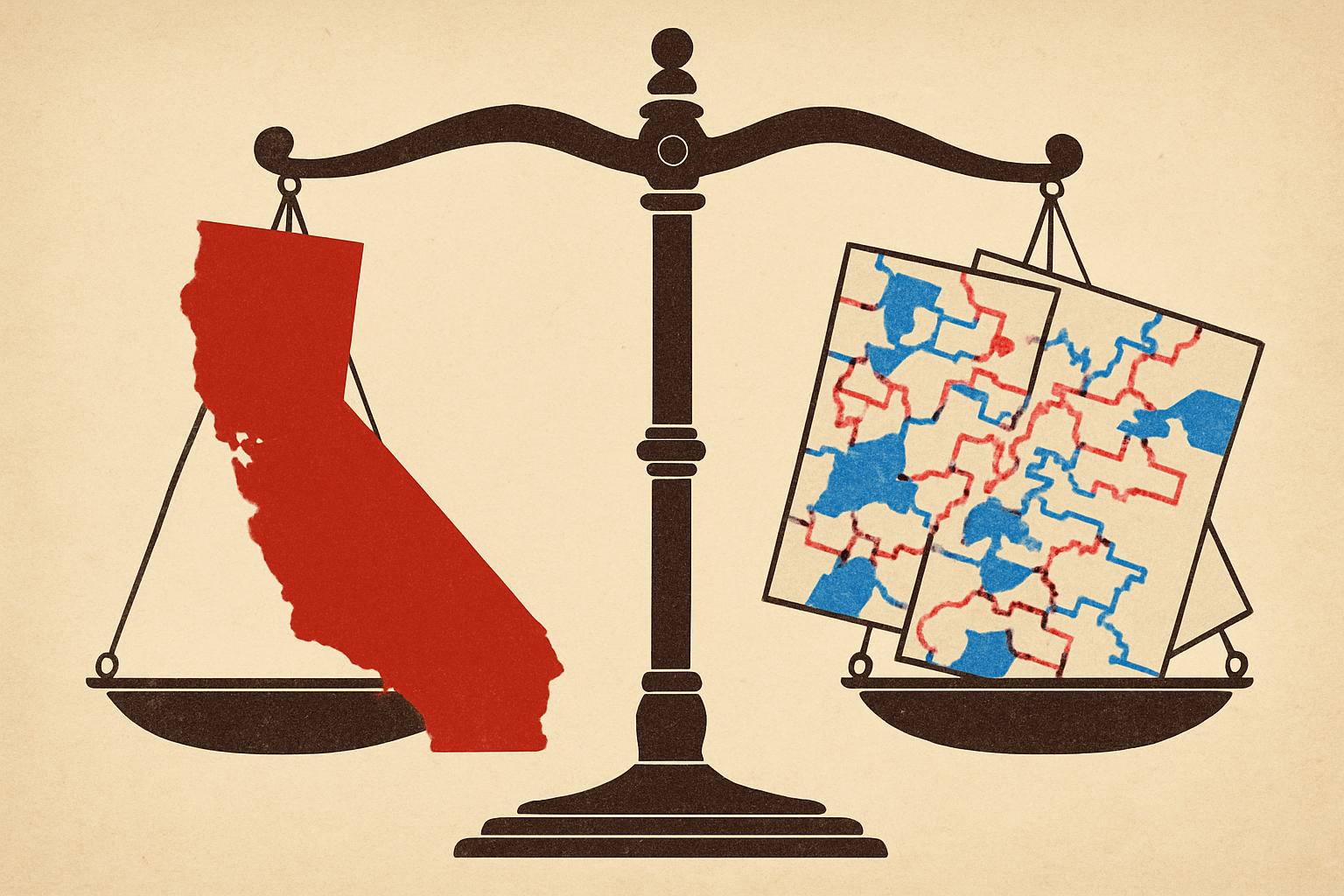
Supreme Court Upholds California's New Voting Map, Boosting Democratic Prospects
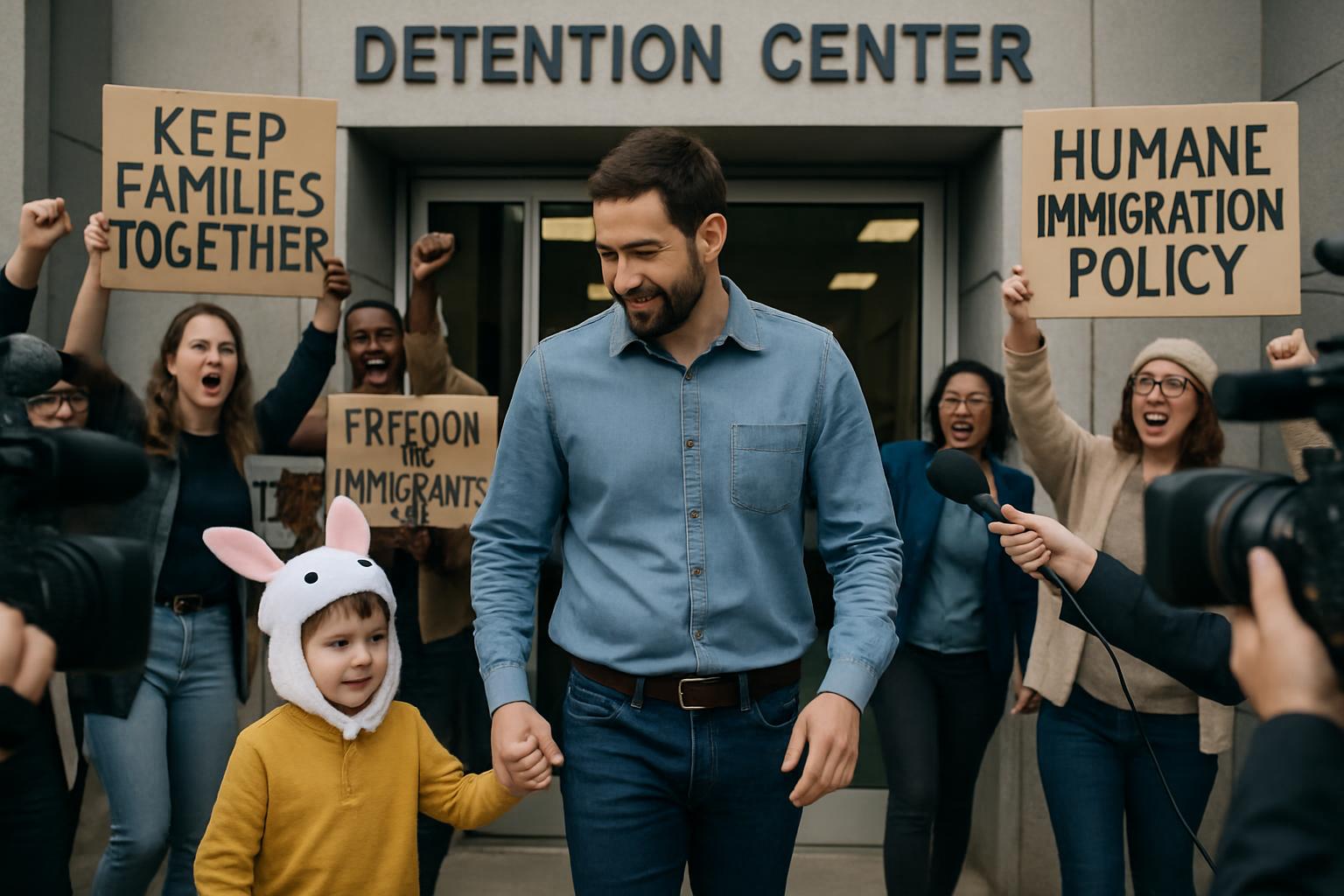
Five-Year-Old and Father Released from ICE Detention Amid National Outcry

James Talarico Secures Democratic Nomination in Texas Senate Race Amidst Republican Runoff
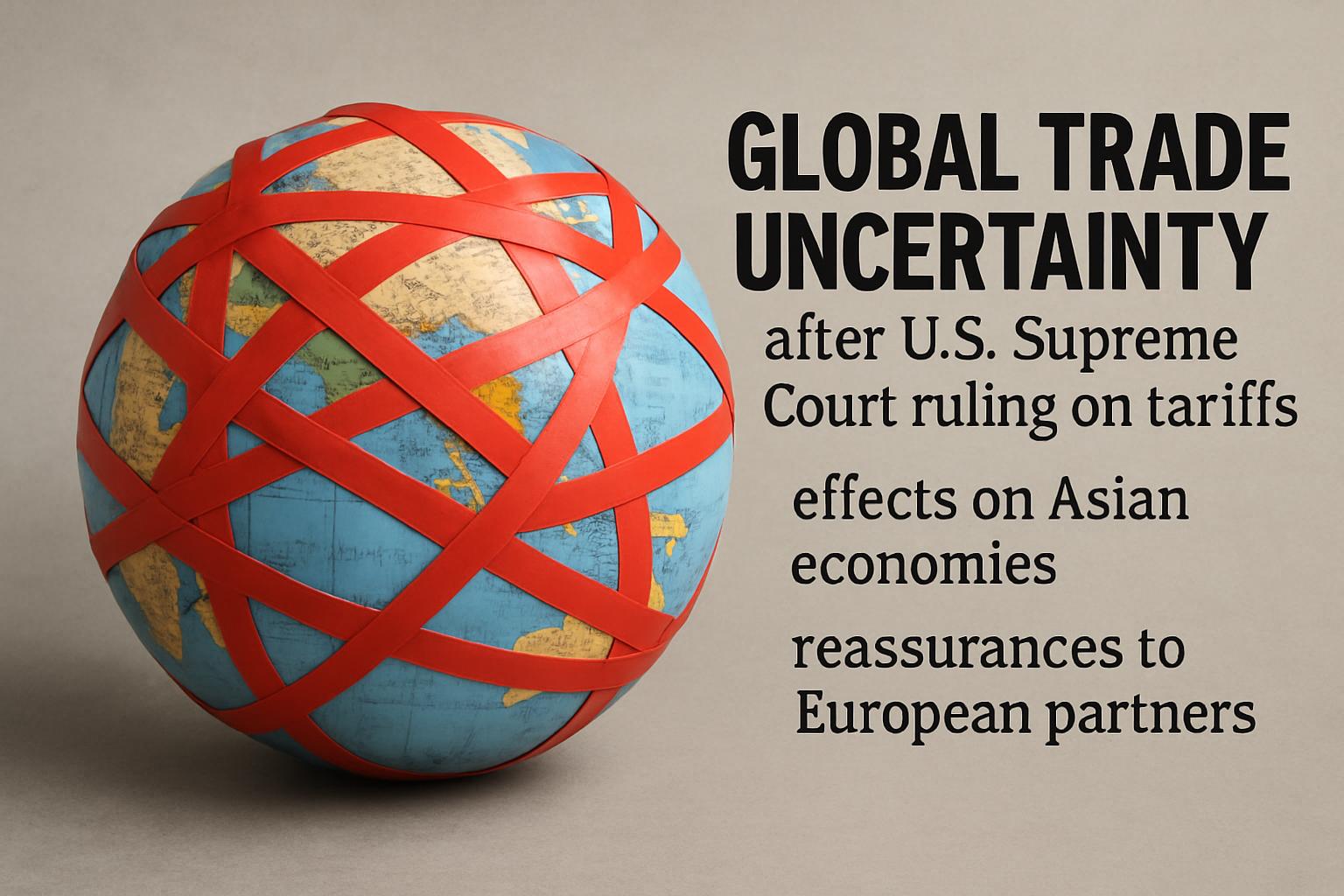
US Supreme Court Ruling Sparks Trade Uncertainty in Asia and Beyond
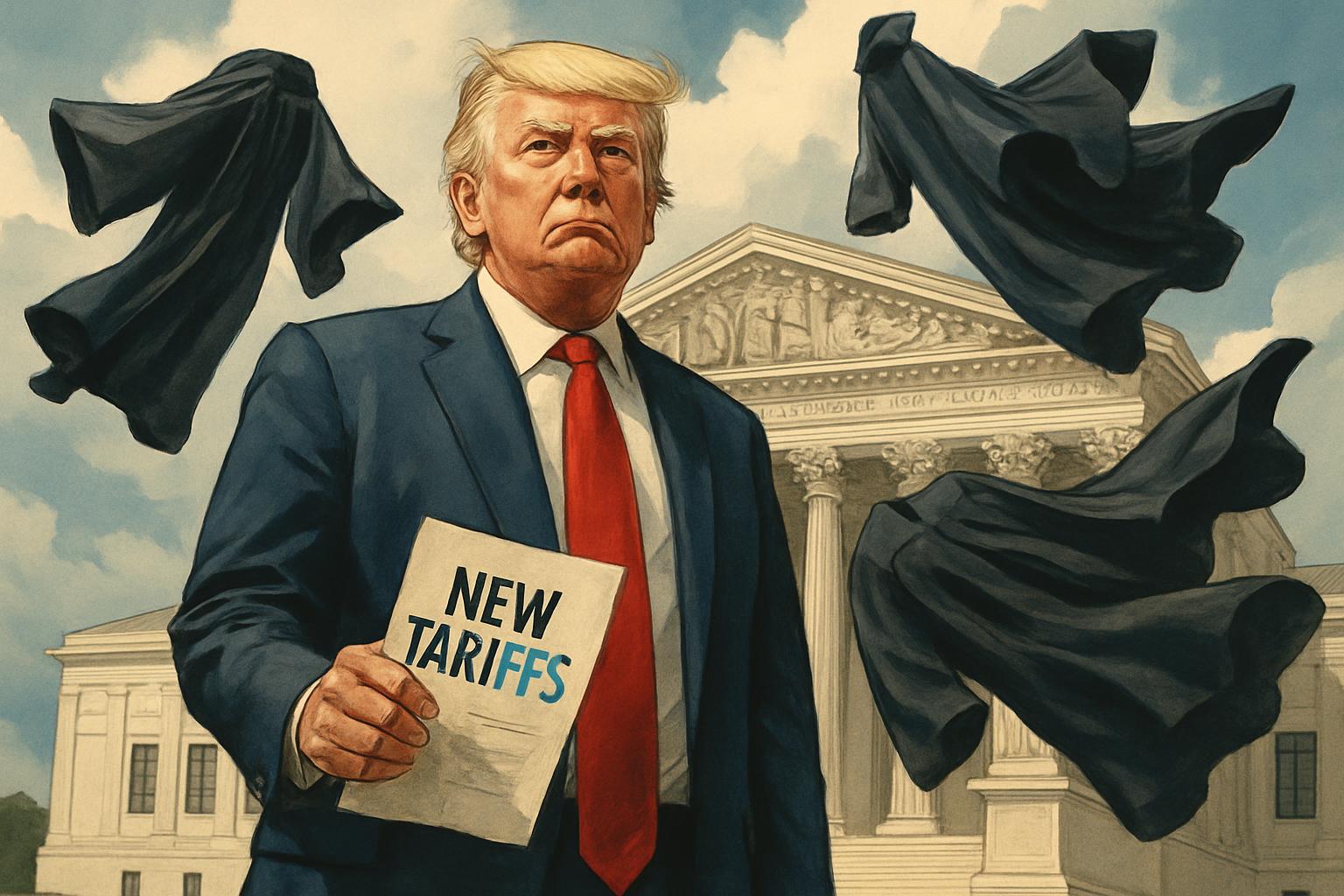
Trump Criticizes Supreme Court After Tariff Ruling, Imposes New Global Tariff
US Supreme Court Upholds Texas Age Verification Law for Porn Sites
In This Article
 Sofia Romano| Published
 HIGHLIGHTS
- The US Supreme Court upheld a Texas law requiring age verification for accessing pornography sites, citing child protection.
- The decision was split 6-3 along ideological lines, with Justice Clarence Thomas writing the majority opinion.
- Critics argue the law infringes on First Amendment rights and raises privacy concerns for adults.
- The ruling impacts over a dozen states with similar laws and has led to Pornhub's unavailability in Texas.
- The Free Speech Coalition, representing adult sites, contends the law is ineffective and risks privacy.
In a landmark decision, the US Supreme Court has upheld a Texas law mandating age verification for users accessing pornography websites, a move aimed at protecting minors from explicit content. The ruling, delivered on Friday, saw a 6-3 split among the justices, with the majority opinion authored by Justice Clarence Thomas. He emphasized the state's vested interest in shielding children from sexually explicit material, asserting that the law is appropriately tailored to achieve this goal.
Legal Context and Arguments
The Texas statute, enacted in 2023, requires individuals to verify their age using government-issued identification or face scans before accessing sites with significant pornographic content. This law was challenged by major adult entertainment platforms, including Pornhub, which argued that such measures infringe upon the constitutional rights of consenting adults and expose them to potential privacy breaches. The Free Speech Coalition, representing these sites, highlighted concerns over inadvertent disclosures of personal information, arguing that the law effectively impedes First Amendment rights.
Impact and Reactions
The ruling has significant implications for over a dozen states with similar age verification laws. In Texas, the law's enforcement has led to Pornhub's unavailability, with the site labeling the regulation as "ineffective, haphazard, and dangerous." Meanwhile, Texas Attorney General Ken Paxton hailed the decision as a victory for child protection, asserting that companies must implement reasonable age verification measures to prevent minors' exposure to pornography.
Privacy and Free Speech Concerns
Critics, including the Free Speech Coalition's Executive Director Alison Boden, argue that the law sets a concerning precedent for online privacy and free expression. Boden stated, "Pornography is once again the canary in the coal mine of free expression," warning against government overreach in demanding personal information for internet access. The coalition maintains that such laws have historically failed to protect minors effectively.
WHAT THIS MIGHT MEAN
The Supreme Court's decision may pave the way for more states to adopt similar age verification laws, potentially leading to a patchwork of regulations across the country. Legal experts suggest that this could prompt further challenges on constitutional grounds, particularly concerning privacy and free speech. As states navigate these legal waters, the adult entertainment industry may seek technological solutions to balance compliance with privacy concerns. Additionally, the ruling could influence global debates on regulating online content, as countries grapple with protecting minors while respecting individual rights.
Related Articles
British Woman's Death in Texas Ruled Unlawful Killing by Coroner
Supreme Court Upholds California's New Voting Map, Boosting Democratic Prospects
Five-Year-Old and Father Released from ICE Detention Amid National Outcry
James Talarico Secures Democratic Nomination in Texas Senate Race Amidst Republican Runoff
US Supreme Court Ruling Sparks Trade Uncertainty in Asia and Beyond
Trump Criticizes Supreme Court After Tariff Ruling, Imposes New Global Tariff