
Teenager Sentenced to 10 Years for Planned Mosque Attack in Scotland

In This Article
HIGHLIGHTS
- A 17-year-old was sentenced to 10 years for planning a terror attack on the Inverclyde Muslim Centre in Greenock.
- The teenager, radicalized online, listed Hitler and Breivik as inspirations and intended to set the mosque on fire.
- He was arrested in January with weapons and incendiary materials outside the mosque.
- The court imposed an additional eight-year supervision period post-release.
- The mosque's chairman expressed forgiveness and emphasized community understanding.
A 17-year-old boy has been sentenced to 10 years in custody for plotting a terrorist attack on the Inverclyde Muslim Centre in Greenock, Scotland. The teenager, who cannot be named due to his age, was apprehended in January at the mosque's entrance, armed with a rucksack containing a Glock-type air pistol, ammunition, and aerosol cans intended to set the building ablaze.
The High Court in Glasgow heard that the youth had been radicalized online from the age of 13, drawing inspiration from figures such as Adolf Hitler and Anders Breivik. His plan involved infiltrating the mosque by pretending to convert to Islam, mapping the building's interior, and intending to carry out the attack when the mosque was at its fullest.
Lord Arthurson, presiding over the case, described the planned attack as a "diabolical atrocity" that could have resulted in extreme violence and multiple deaths. The teenager's arrest, facilitated by police intelligence, prevented the attack from being executed. He had pleaded guilty to two terrorism charges and will be subject to an additional eight-year supervision period upon release.
Mohammed Akhtar, chairman of the mosque, expressed shock and sadness over the incident but emphasized forgiveness and the importance of understanding within the community. He praised the police for their swift action and reassured local residents of their safety.
The court was informed that the teenager had initially considered targeting his school before deciding on the mosque. He had communicated his plans through the Telegram messaging app, even requesting that the attack be livestreamed alongside a manifesto.
WHAT THIS MIGHT MEAN
The sentencing of the teenager highlights the ongoing challenge of youth radicalization, particularly through online platforms. Authorities may need to enhance monitoring and intervention strategies to prevent similar incidents. The case also underscores the importance of community resilience and dialogue in countering hate crimes and fostering understanding across different cultural and religious groups.
In the broader legal context, this case could prompt discussions on the adequacy of current counter-terrorism laws and the balance between punishment and rehabilitation for young offenders. Experts might advocate for more comprehensive deradicalization programs to address the root causes of extremist beliefs among youth.
Images from the Web

Related Articles

Saharan Dust to Illuminate UK Skies with Vivid Sunrises and Sunsets

Avalanche Risks Surge Amidst Extreme Weather Conditions in California and Europe

Peter Murrell Faces Embezzlement Charges Amid SNP Financial Probe

Hopeful Signs for Scotland's Endangered Capercaillie as Conservation Efforts Show Promise

Aberdeen Basks in Sunshine After Record Sunless Streak Amid UK Weather Warnings
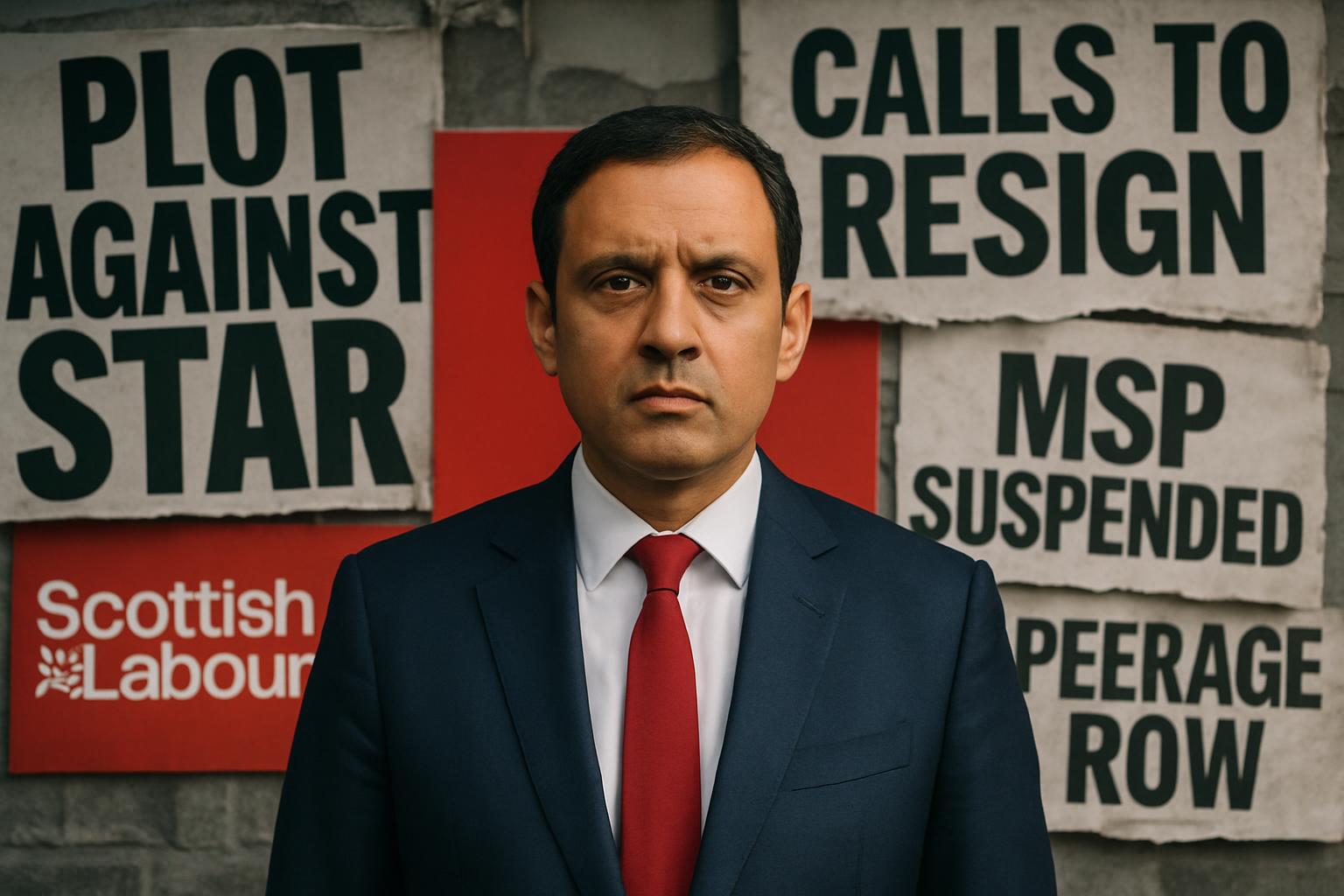
Anas Sarwar Denies Plot Against Starmer Amid Labour Party Turmoil
Teenager Sentenced to 10 Years for Planned Mosque Attack in Scotland
In This Article
 Sofia Romano| Published
 HIGHLIGHTS
- A 17-year-old was sentenced to 10 years for planning a terror attack on the Inverclyde Muslim Centre in Greenock.
- The teenager, radicalized online, listed Hitler and Breivik as inspirations and intended to set the mosque on fire.
- He was arrested in January with weapons and incendiary materials outside the mosque.
- The court imposed an additional eight-year supervision period post-release.
- The mosque's chairman expressed forgiveness and emphasized community understanding.
A 17-year-old boy has been sentenced to 10 years in custody for plotting a terrorist attack on the Inverclyde Muslim Centre in Greenock, Scotland. The teenager, who cannot be named due to his age, was apprehended in January at the mosque's entrance, armed with a rucksack containing a Glock-type air pistol, ammunition, and aerosol cans intended to set the building ablaze.
The High Court in Glasgow heard that the youth had been radicalized online from the age of 13, drawing inspiration from figures such as Adolf Hitler and Anders Breivik. His plan involved infiltrating the mosque by pretending to convert to Islam, mapping the building's interior, and intending to carry out the attack when the mosque was at its fullest.
Lord Arthurson, presiding over the case, described the planned attack as a "diabolical atrocity" that could have resulted in extreme violence and multiple deaths. The teenager's arrest, facilitated by police intelligence, prevented the attack from being executed. He had pleaded guilty to two terrorism charges and will be subject to an additional eight-year supervision period upon release.
Mohammed Akhtar, chairman of the mosque, expressed shock and sadness over the incident but emphasized forgiveness and the importance of understanding within the community. He praised the police for their swift action and reassured local residents of their safety.
The court was informed that the teenager had initially considered targeting his school before deciding on the mosque. He had communicated his plans through the Telegram messaging app, even requesting that the attack be livestreamed alongside a manifesto.
WHAT THIS MIGHT MEAN
The sentencing of the teenager highlights the ongoing challenge of youth radicalization, particularly through online platforms. Authorities may need to enhance monitoring and intervention strategies to prevent similar incidents. The case also underscores the importance of community resilience and dialogue in countering hate crimes and fostering understanding across different cultural and religious groups.
In the broader legal context, this case could prompt discussions on the adequacy of current counter-terrorism laws and the balance between punishment and rehabilitation for young offenders. Experts might advocate for more comprehensive deradicalization programs to address the root causes of extremist beliefs among youth.
Images from the Web
Related Articles
Saharan Dust to Illuminate UK Skies with Vivid Sunrises and Sunsets
Avalanche Risks Surge Amidst Extreme Weather Conditions in California and Europe
Peter Murrell Faces Embezzlement Charges Amid SNP Financial Probe
Hopeful Signs for Scotland's Endangered Capercaillie as Conservation Efforts Show Promise
Aberdeen Basks in Sunshine After Record Sunless Streak Amid UK Weather Warnings
Anas Sarwar Denies Plot Against Starmer Amid Labour Party Turmoil