
Tennessee Executes Inmate Amid Controversy Over Heart Device
In This Article
HIGHLIGHTS
- Byron Black, 69, was executed in Tennessee despite concerns his heart implant could cause extreme pain during the lethal injection.
- Black's lawyers argued that the defibrillator should be deactivated to prevent cruel punishment, but the state supreme court overruled this.
- Witnesses reported Black appeared to suffer during the execution, with some hearing him express pain.
- Black was convicted of a triple homicide in 1989 and maintained his innocence until his death.
- This execution marks the 28th in the US this year, with capital punishment legal in 27 states.
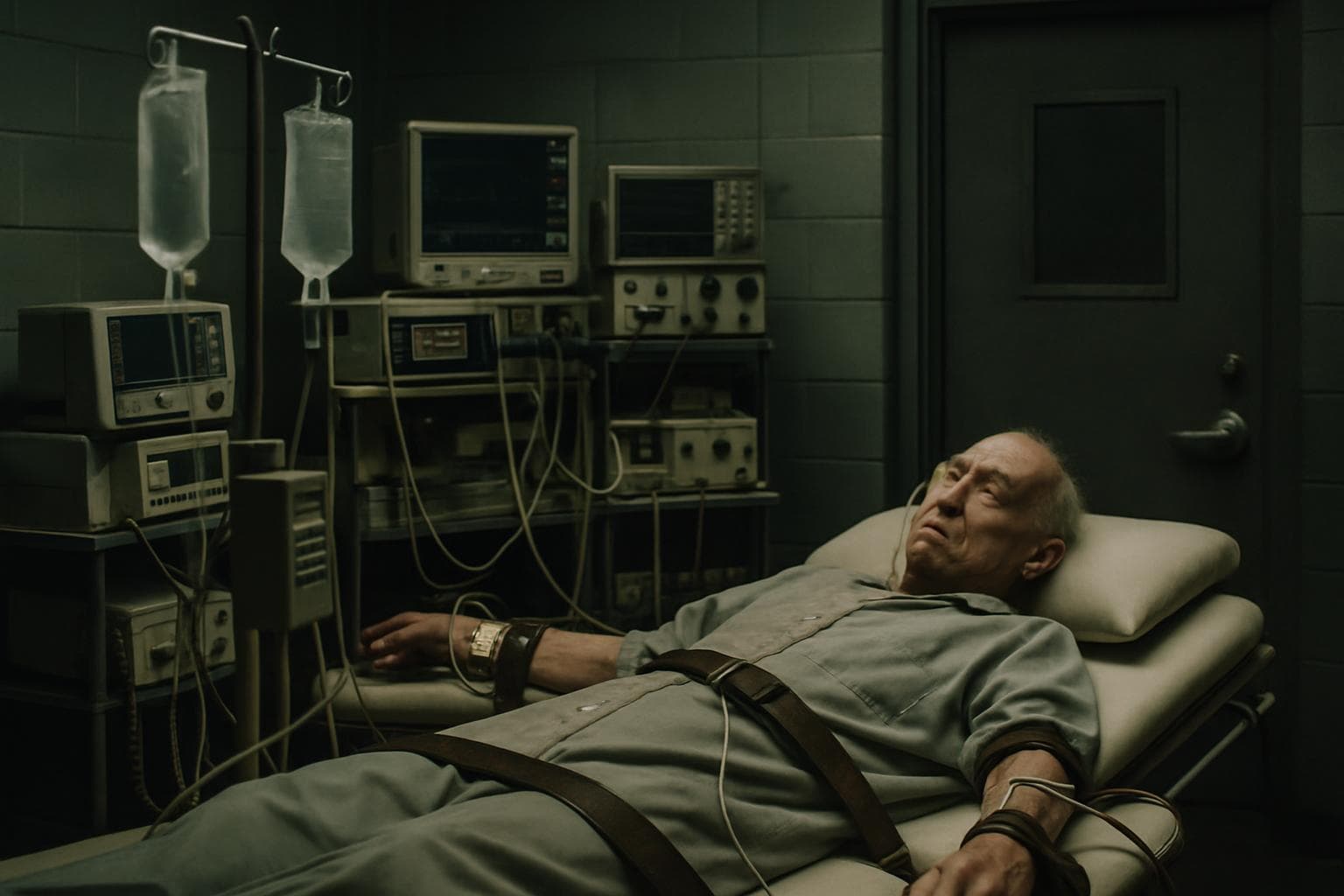
The state of Tennessee has executed Byron Black, a 69-year-old inmate, despite significant concerns that his implanted defibrillator could cause him extreme pain during the lethal injection process. Black, convicted of a triple homicide in 1989, was pronounced dead at 10:43 AM local time at the Riverbend Maximum Security Institution in Nashville.
Legal Battle Over Defibrillator
Black's execution was fraught with legal controversy, centering on whether his cardioverter-defibrillator should be deactivated to prevent potential shocks during the lethal injection. His attorneys argued that failing to do so would violate the US Constitution's prohibition against cruel and unusual punishment. However, the Tennessee Supreme Court intervened, overruling a lower court's decision that had agreed with Black's legal team. The state maintained that the defibrillator would not activate or cause pain during the execution.
Witness Accounts and Family Reactions
Witnesses to the execution reported that Black appeared to suffer, with some hearing him groan and express that he was in pain. Despite these reports, the state proceeded with the execution, marking the second in Tennessee since a five-year hiatus due to COVID-19 and procedural errors. Linette Bell, the sister of Black's victim Angela Clay, expressed closure for her family, noting that Black never admitted guilt or apologized for the murders.
A Broader Context of Capital Punishment
Black's execution is part of a broader trend, as he became the 28th person executed in the US this year. Capital punishment remains legal in 27 states, and the number of executions in 2023 has already surpassed those in previous years. Black's case highlights ongoing debates over the ethical and legal implications of the death penalty, particularly concerning inmates with severe health issues.
WHAT THIS MIGHT MEAN
The execution of Byron Black raises significant questions about the intersection of capital punishment and medical ethics. Legal experts suggest that this case could prompt further scrutiny of how states handle executions involving inmates with complex medical conditions. The controversy may lead to renewed calls for reform or even abolition of the death penalty, especially in cases where the method of execution could inflict undue suffering.
Politically, the case could influence future legislative discussions on the death penalty, potentially impacting how states implement and regulate capital punishment. As more executions are scheduled, the debate over humane treatment and legal oversight is likely to intensify, with advocates on both sides pushing for changes in policy and practice.
Related Articles

Venezuelan Political Prisoners Seek Amnesty Amidst Hopes for Democratic Transition

China Sets Lowest GDP Growth Target in Decades Amid Economic Challenges

Cuba Faces Widespread Blackout Amid Deepening Fuel Crisis

UK Faces Dilemmas Amid Iran Conflict and China Spying Allegations

Google Faces Legal Battle Over AI Chatbot's Alleged Role in Tragic Death

Senate Blocks Resolution to Limit Trump's Military Actions in Iran
Tennessee Executes Inmate Amid Controversy Over Heart Device
In This Article
 Sofia Romano| Published
 HIGHLIGHTS
- Byron Black, 69, was executed in Tennessee despite concerns his heart implant could cause extreme pain during the lethal injection.
- Black's lawyers argued that the defibrillator should be deactivated to prevent cruel punishment, but the state supreme court overruled this.
- Witnesses reported Black appeared to suffer during the execution, with some hearing him express pain.
- Black was convicted of a triple homicide in 1989 and maintained his innocence until his death.
- This execution marks the 28th in the US this year, with capital punishment legal in 27 states.
The state of Tennessee has executed Byron Black, a 69-year-old inmate, despite significant concerns that his implanted defibrillator could cause him extreme pain during the lethal injection process. Black, convicted of a triple homicide in 1989, was pronounced dead at 10:43 AM local time at the Riverbend Maximum Security Institution in Nashville.
Legal Battle Over Defibrillator
Black's execution was fraught with legal controversy, centering on whether his cardioverter-defibrillator should be deactivated to prevent potential shocks during the lethal injection. His attorneys argued that failing to do so would violate the US Constitution's prohibition against cruel and unusual punishment. However, the Tennessee Supreme Court intervened, overruling a lower court's decision that had agreed with Black's legal team. The state maintained that the defibrillator would not activate or cause pain during the execution.
Witness Accounts and Family Reactions
Witnesses to the execution reported that Black appeared to suffer, with some hearing him groan and express that he was in pain. Despite these reports, the state proceeded with the execution, marking the second in Tennessee since a five-year hiatus due to COVID-19 and procedural errors. Linette Bell, the sister of Black's victim Angela Clay, expressed closure for her family, noting that Black never admitted guilt or apologized for the murders.
A Broader Context of Capital Punishment
Black's execution is part of a broader trend, as he became the 28th person executed in the US this year. Capital punishment remains legal in 27 states, and the number of executions in 2023 has already surpassed those in previous years. Black's case highlights ongoing debates over the ethical and legal implications of the death penalty, particularly concerning inmates with severe health issues.
WHAT THIS MIGHT MEAN
The execution of Byron Black raises significant questions about the intersection of capital punishment and medical ethics. Legal experts suggest that this case could prompt further scrutiny of how states handle executions involving inmates with complex medical conditions. The controversy may lead to renewed calls for reform or even abolition of the death penalty, especially in cases where the method of execution could inflict undue suffering.
Politically, the case could influence future legislative discussions on the death penalty, potentially impacting how states implement and regulate capital punishment. As more executions are scheduled, the debate over humane treatment and legal oversight is likely to intensify, with advocates on both sides pushing for changes in policy and practice.
Related Articles
Venezuelan Political Prisoners Seek Amnesty Amidst Hopes for Democratic Transition
China Sets Lowest GDP Growth Target in Decades Amid Economic Challenges
Cuba Faces Widespread Blackout Amid Deepening Fuel Crisis
UK Faces Dilemmas Amid Iran Conflict and China Spying Allegations
Google Faces Legal Battle Over AI Chatbot's Alleged Role in Tragic Death
Senate Blocks Resolution to Limit Trump's Military Actions in Iran