
Tesla Faces Legal Setback as Jury Finds Company Partly Liable in Fatal Autopilot Crash
In This Article
HIGHLIGHTS
- A Florida jury found Tesla partly liable for a 2019 crash involving its Autopilot software, awarding $329 million in damages.
- Tesla is responsible for $42.5 million in compensatory damages and $200 million in punitive damages, though the latter may be capped.
- The crash resulted in the death of Naibel Benavides Leon and severe injuries to Dillon Angulo, sparking criticism of Tesla's self-driving technology.
- The verdict challenges Tesla's safety claims and may lead to more lawsuits against the company, impacting its reputation and future developments.
- Tesla plans to appeal, arguing the driver was solely at fault for the crash due to reckless behavior.
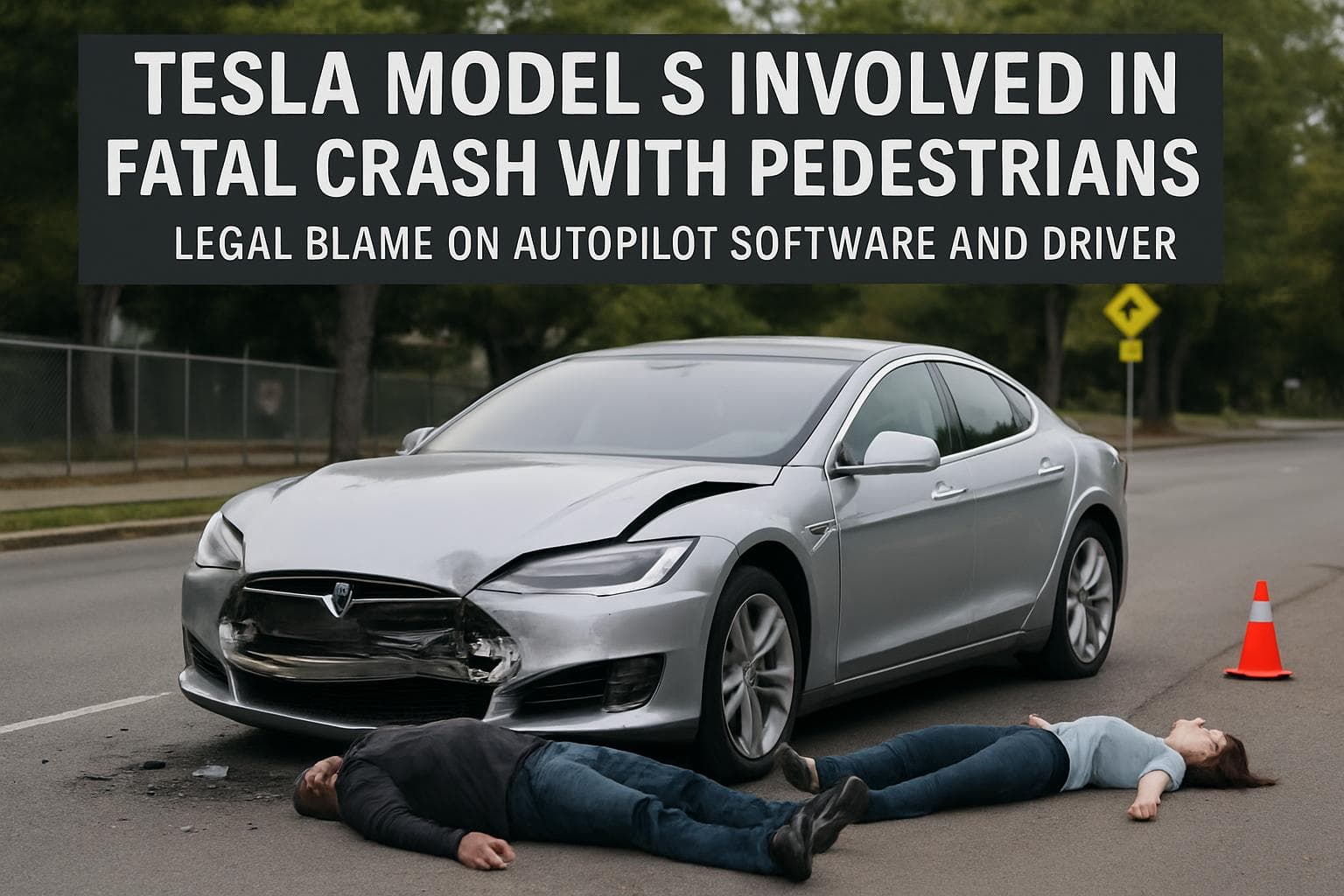
In a significant legal development, a Florida jury has found Tesla partly responsible for a 2019 crash involving its Autopilot driver assistance software, resulting in the death of a pedestrian and severe injuries to another. The verdict, delivered on Friday, mandates Tesla to pay $329 million in total damages, including $42.5 million in compensatory damages and $200 million in punitive damages, although the latter may be reduced.
The Incident and Legal Proceedings
The crash occurred in the Florida Keys when a Tesla Model S, operated by George McGee, struck Naibel Benavides Leon and her boyfriend, Dillon Angulo, at a T-intersection. The jury determined that Tesla's Autopilot software failed to alert the driver or activate the brakes, contributing to the tragic outcome. McGee, who admitted to being distracted by his cellphone, was also found partly responsible for the incident.
Impact on Tesla and Self-Driving Technology
The ruling is a setback for Tesla and its CEO, Elon Musk, who have heavily promoted the company's self-driving technology as a cornerstone of its future. The decision has raised questions about the safety and reliability of Tesla's driver assistance software, potentially opening the door to further legal challenges. Brett Schreiber, the plaintiffs' attorney, criticized Tesla for exaggerating the capabilities of its Autopilot system, stating that the company prioritized "self-driving hype at the expense of human lives."
Tesla's Response and Future Implications
Tesla has announced plans to appeal the verdict, maintaining that the driver was solely at fault due to reckless driving. The company argued that no vehicle, in 2019 or today, could have prevented the crash under the circumstances. Despite this, the verdict has already impacted Tesla's stock, which fell nearly 2% following the news.
WHAT THIS MIGHT MEAN
The jury's decision could have far-reaching implications for Tesla and the broader automotive industry. As other car manufacturers develop self-driving technologies, they will closely monitor the outcome of Tesla's appeal and any subsequent legal actions. The ruling may embolden other plaintiffs to pursue similar lawsuits, potentially leading to increased scrutiny and regulatory challenges for companies in the autonomous vehicle sector. Legal experts suggest that this case could set a precedent for how liability is assigned in accidents involving driver assistance technologies, influencing future developments in automotive safety standards.
Related Articles
SpaceX and xAI Merge in $1.25 Trillion Deal to Propel Space-Based AI Innovation
Elon Musk Defends Tweets in Twitter Takeover Trial

Google Faces Legal Battle Over AI Chatbot's Alleged Role in Tragic Death
China's Ban on Hidden Car Door Handles Sparks Global Safety Debate
Armed Intruder Fatally Shot at Mar-a-Lago by Secret Service
NASA's Artemis II Moon Mission Faces Delay Due to Helium Flow Issue
Tesla Faces Legal Setback as Jury Finds Company Partly Liable in Fatal Autopilot Crash
In This Article
 Himanshu Kaushik| Published
 HIGHLIGHTS
- A Florida jury found Tesla partly liable for a 2019 crash involving its Autopilot software, awarding $329 million in damages.
- Tesla is responsible for $42.5 million in compensatory damages and $200 million in punitive damages, though the latter may be capped.
- The crash resulted in the death of Naibel Benavides Leon and severe injuries to Dillon Angulo, sparking criticism of Tesla's self-driving technology.
- The verdict challenges Tesla's safety claims and may lead to more lawsuits against the company, impacting its reputation and future developments.
- Tesla plans to appeal, arguing the driver was solely at fault for the crash due to reckless behavior.
In a significant legal development, a Florida jury has found Tesla partly responsible for a 2019 crash involving its Autopilot driver assistance software, resulting in the death of a pedestrian and severe injuries to another. The verdict, delivered on Friday, mandates Tesla to pay $329 million in total damages, including $42.5 million in compensatory damages and $200 million in punitive damages, although the latter may be reduced.
The Incident and Legal Proceedings
The crash occurred in the Florida Keys when a Tesla Model S, operated by George McGee, struck Naibel Benavides Leon and her boyfriend, Dillon Angulo, at a T-intersection. The jury determined that Tesla's Autopilot software failed to alert the driver or activate the brakes, contributing to the tragic outcome. McGee, who admitted to being distracted by his cellphone, was also found partly responsible for the incident.
Impact on Tesla and Self-Driving Technology
The ruling is a setback for Tesla and its CEO, Elon Musk, who have heavily promoted the company's self-driving technology as a cornerstone of its future. The decision has raised questions about the safety and reliability of Tesla's driver assistance software, potentially opening the door to further legal challenges. Brett Schreiber, the plaintiffs' attorney, criticized Tesla for exaggerating the capabilities of its Autopilot system, stating that the company prioritized "self-driving hype at the expense of human lives."
Tesla's Response and Future Implications
Tesla has announced plans to appeal the verdict, maintaining that the driver was solely at fault due to reckless driving. The company argued that no vehicle, in 2019 or today, could have prevented the crash under the circumstances. Despite this, the verdict has already impacted Tesla's stock, which fell nearly 2% following the news.
WHAT THIS MIGHT MEAN
The jury's decision could have far-reaching implications for Tesla and the broader automotive industry. As other car manufacturers develop self-driving technologies, they will closely monitor the outcome of Tesla's appeal and any subsequent legal actions. The ruling may embolden other plaintiffs to pursue similar lawsuits, potentially leading to increased scrutiny and regulatory challenges for companies in the autonomous vehicle sector. Legal experts suggest that this case could set a precedent for how liability is assigned in accidents involving driver assistance technologies, influencing future developments in automotive safety standards.
Related Articles
SpaceX and xAI Merge in $1.25 Trillion Deal to Propel Space-Based AI Innovation
Elon Musk Defends Tweets in Twitter Takeover Trial
Google Faces Legal Battle Over AI Chatbot's Alleged Role in Tragic Death
China's Ban on Hidden Car Door Handles Sparks Global Safety Debate
Armed Intruder Fatally Shot at Mar-a-Lago by Secret Service
NASA's Artemis II Moon Mission Faces Delay Due to Helium Flow Issue