
Thames Water Faces Scrutiny Over Bonuses Amid Oxford Water Supply Disruption
In This Article
HIGHLIGHTS
- Water supplies in Oxford are set to resume after a burst pipe on Mill Lane was repaired overnight, affecting OX3, OX2, and OX33 postcodes.
- Thames Water is using tankers to stabilize the water system and has set up a bottled water station at Oxford Thornhill Park & Ride.
- Thames Water paid £2.46m in bonuses to 21 managers from a £3bn emergency loan, with further payments planned despite controversy.
- The Water (Special Measures) Act limits bonus payouts to top executives, but Thames Water's retention payments are not performance-related.
- Ofwat and Defra have not attempted to recover the funds, and Thames Water faces potential renationalization if it fails to raise funds.
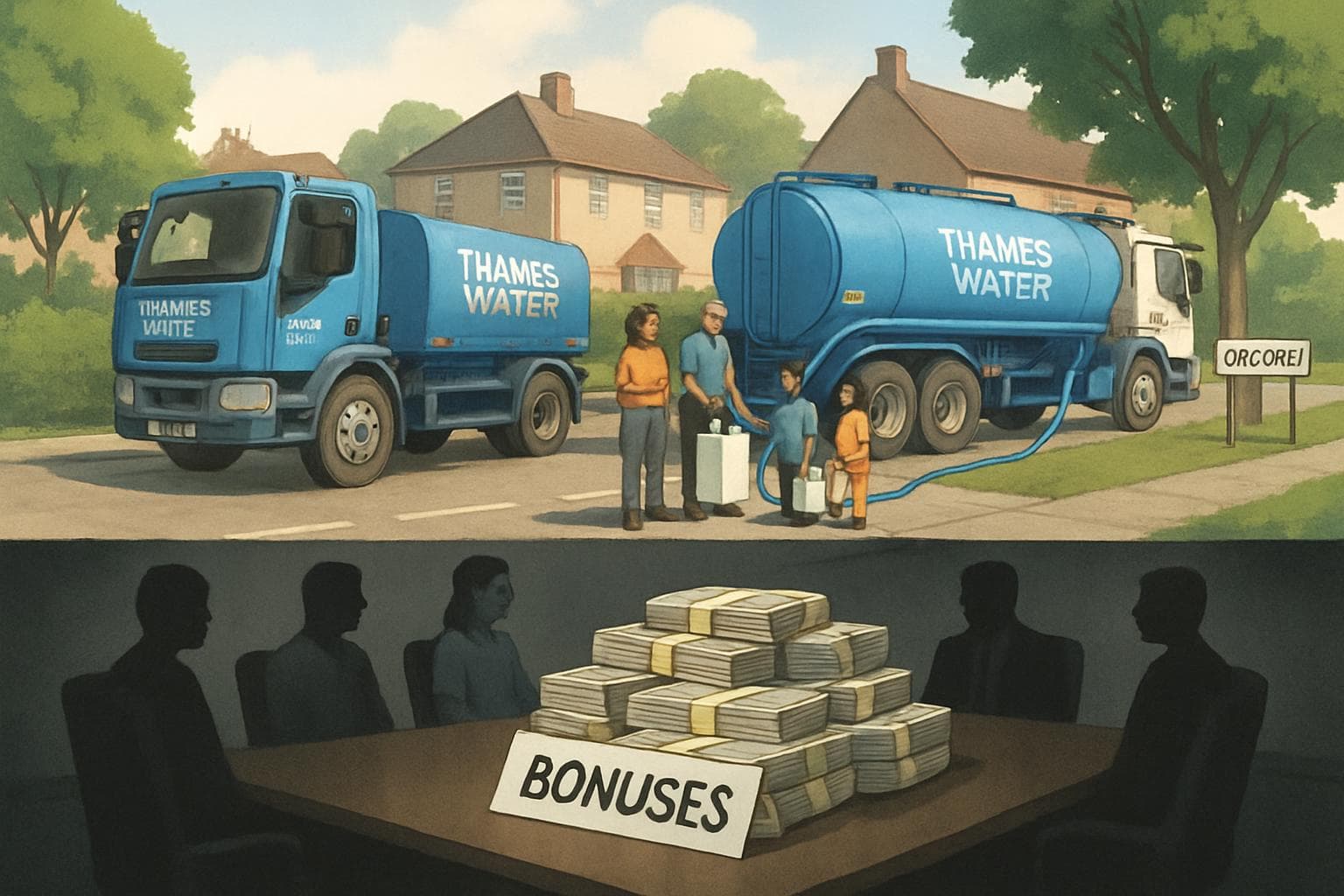
Water supplies in Oxford are gradually returning to normal after a burst pipe on Mill Lane left several areas without water or with low pressure. Thames Water, the utility company responsible, has been working overnight to fix the issue, which affected the OX3, OX2, and OX33 postcodes. To stabilize the system, the company is deploying tankers and has set up a bottled water station at Oxford Thornhill Park & Ride for affected residents.
While the water supply disruption is being addressed, Thames Water is embroiled in a separate controversy over the use of a £3bn emergency loan. Documents reveal that the company paid £2.46m in bonuses to 21 senior managers from this loan, intended to keep the struggling utility afloat. Despite calls to recover these payments, the company has refused, and further bonuses are scheduled for December and next June.
Bonus Controversy and Legal Framework
The bonuses, described as retention payments, are not subject to the Water (Special Measures) Act, which restricts performance-related bonuses for top executives. This legal nuance has allowed Thames Water to proceed with the payments, despite criticism from the environment select committee and the environment secretary, Steve Reed. Reed has indicated that payments to the finance chief, Steve Buck, could be blocked under existing rules.
Thames Water's chair, Sir Adrian Montague, has stated that the management retention plan is paused, but no decision has been made to recover the funds. The company is under pressure to raise funds and negotiate with the water regulator, Ofwat, to avoid potential renationalization.
Regulatory and Financial Challenges
The situation highlights the complex regulatory environment surrounding utility companies in the UK. Ofwat and the Department for Environment, Food and Rural Affairs (Defra) have not intervened to recoup the bonuses, raising questions about regulatory oversight. Meanwhile, Thames Water's financial struggles continue, with the risk of renationalization looming if it fails to secure additional funding.
WHAT THIS MIGHT MEAN
The unfolding situation with Thames Water could have significant implications for the utility sector. If the company fails to raise the necessary funds, it may face renationalization, a move that could set a precedent for other struggling utilities. The controversy over bonuses could also prompt a review of the Water (Special Measures) Act, potentially leading to stricter regulations on executive compensation in the sector.
Experts suggest that increased regulatory scrutiny may be on the horizon, with Ofwat potentially taking a more active role in overseeing financial practices within utility companies. This could lead to a shift in how bonuses and retention payments are structured, ensuring that emergency funds are used appropriately to maintain essential services.
Related Articles
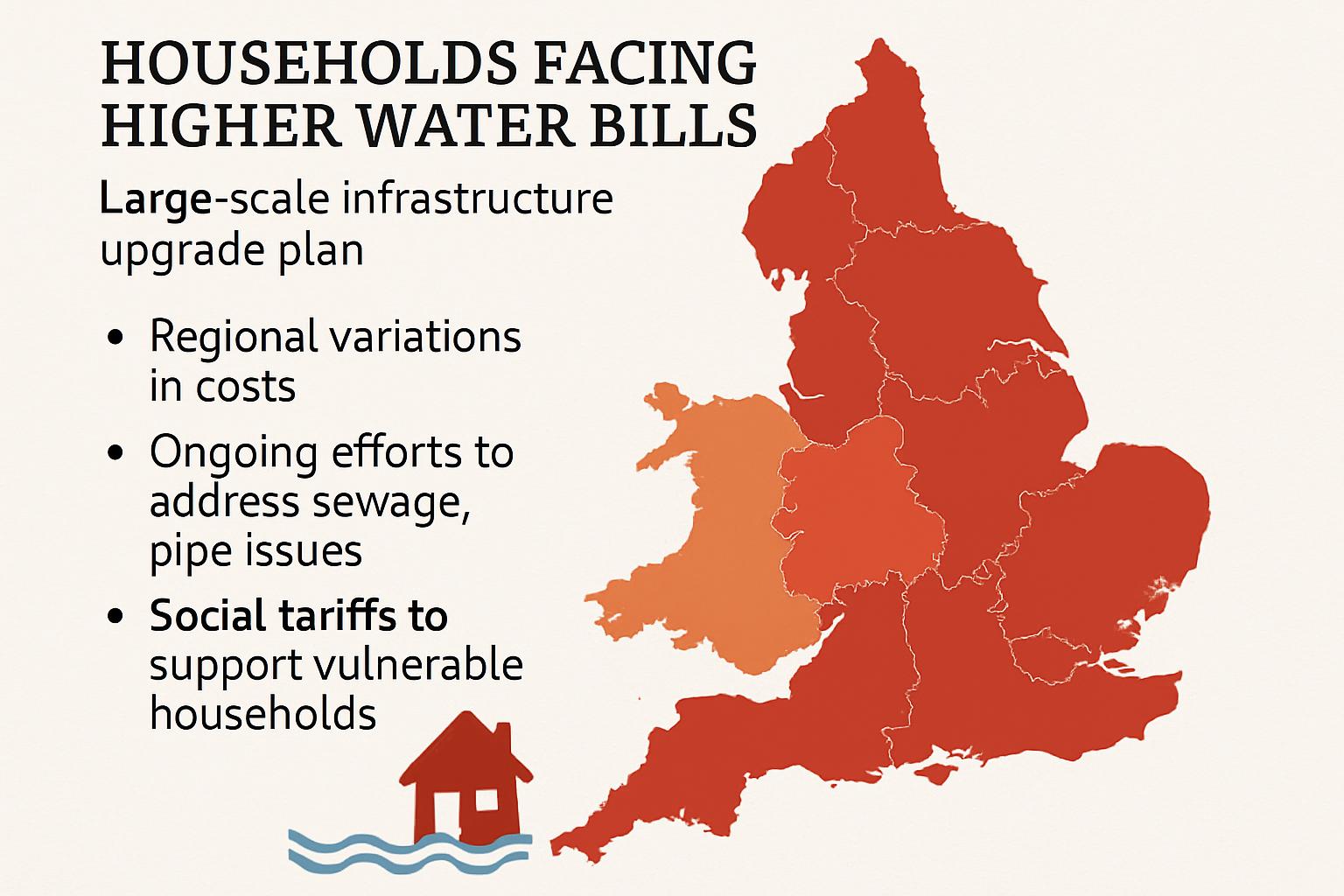
Water Bills Set to Rise as Companies Invest in Infrastructure Upgrades

UK Government Caps Ground Rent at £250 for Leaseholders in Landmark Reform
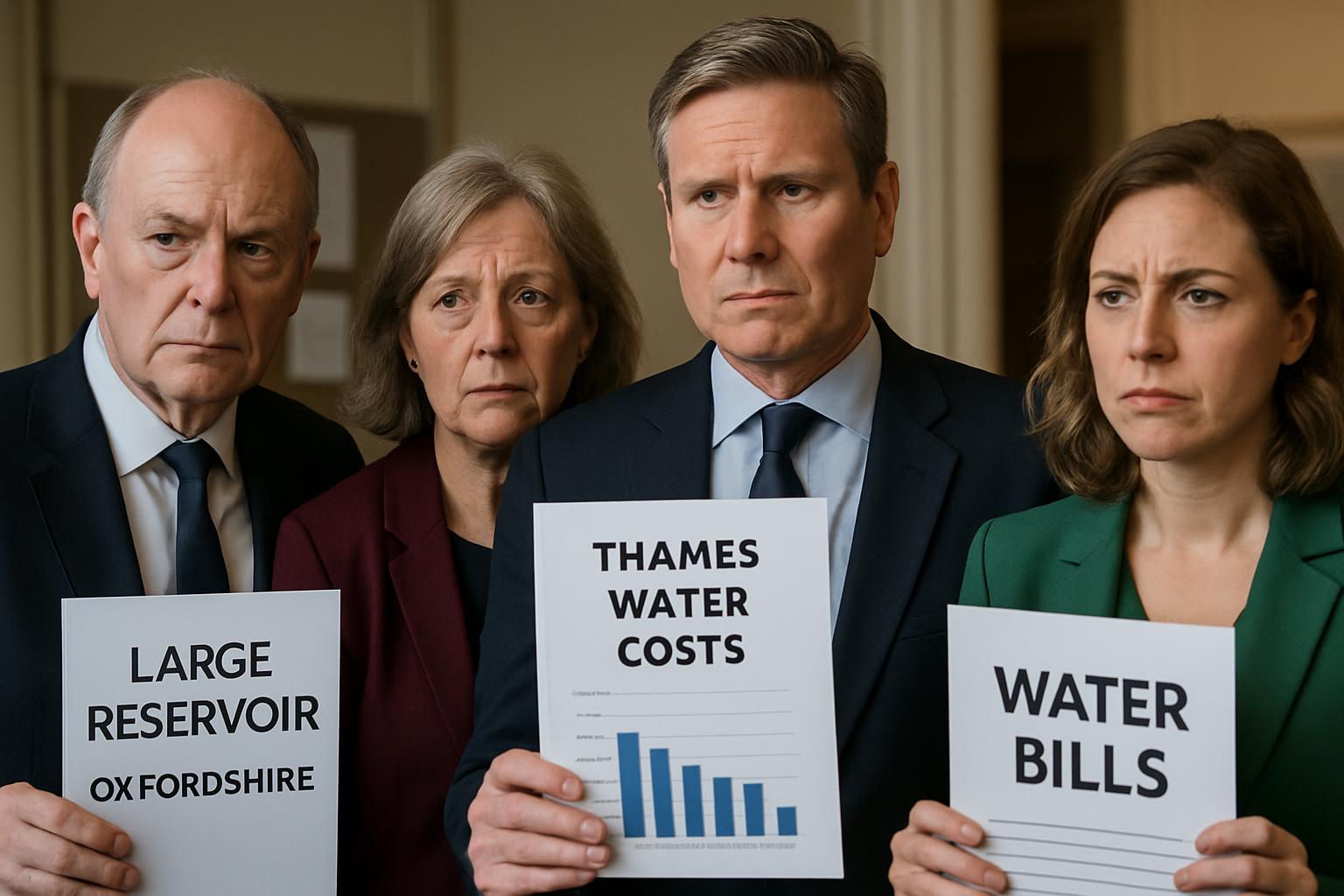
MPs Challenge Rising Costs of Thames Water's Reservoir Amid Regulatory Overhaul Plans
UK Government Unveils Major Reforms to Water Industry Amidst Pollution Concerns

South East Water Faces Regulatory Scrutiny Amid Widespread Outages
Government U-turn Forces Local Elections in Lancashire and Essex Amid Reorganisation Plans
Thames Water Faces Scrutiny Over Bonuses Amid Oxford Water Supply Disruption
In This Article
 Daniel Rivera| Published
 HIGHLIGHTS
- Water supplies in Oxford are set to resume after a burst pipe on Mill Lane was repaired overnight, affecting OX3, OX2, and OX33 postcodes.
- Thames Water is using tankers to stabilize the water system and has set up a bottled water station at Oxford Thornhill Park & Ride.
- Thames Water paid £2.46m in bonuses to 21 managers from a £3bn emergency loan, with further payments planned despite controversy.
- The Water (Special Measures) Act limits bonus payouts to top executives, but Thames Water's retention payments are not performance-related.
- Ofwat and Defra have not attempted to recover the funds, and Thames Water faces potential renationalization if it fails to raise funds.
Water supplies in Oxford are gradually returning to normal after a burst pipe on Mill Lane left several areas without water or with low pressure. Thames Water, the utility company responsible, has been working overnight to fix the issue, which affected the OX3, OX2, and OX33 postcodes. To stabilize the system, the company is deploying tankers and has set up a bottled water station at Oxford Thornhill Park & Ride for affected residents.
While the water supply disruption is being addressed, Thames Water is embroiled in a separate controversy over the use of a £3bn emergency loan. Documents reveal that the company paid £2.46m in bonuses to 21 senior managers from this loan, intended to keep the struggling utility afloat. Despite calls to recover these payments, the company has refused, and further bonuses are scheduled for December and next June.
Bonus Controversy and Legal Framework
The bonuses, described as retention payments, are not subject to the Water (Special Measures) Act, which restricts performance-related bonuses for top executives. This legal nuance has allowed Thames Water to proceed with the payments, despite criticism from the environment select committee and the environment secretary, Steve Reed. Reed has indicated that payments to the finance chief, Steve Buck, could be blocked under existing rules.
Thames Water's chair, Sir Adrian Montague, has stated that the management retention plan is paused, but no decision has been made to recover the funds. The company is under pressure to raise funds and negotiate with the water regulator, Ofwat, to avoid potential renationalization.
Regulatory and Financial Challenges
The situation highlights the complex regulatory environment surrounding utility companies in the UK. Ofwat and the Department for Environment, Food and Rural Affairs (Defra) have not intervened to recoup the bonuses, raising questions about regulatory oversight. Meanwhile, Thames Water's financial struggles continue, with the risk of renationalization looming if it fails to secure additional funding.
WHAT THIS MIGHT MEAN
The unfolding situation with Thames Water could have significant implications for the utility sector. If the company fails to raise the necessary funds, it may face renationalization, a move that could set a precedent for other struggling utilities. The controversy over bonuses could also prompt a review of the Water (Special Measures) Act, potentially leading to stricter regulations on executive compensation in the sector.
Experts suggest that increased regulatory scrutiny may be on the horizon, with Ofwat potentially taking a more active role in overseeing financial practices within utility companies. This could lead to a shift in how bonuses and retention payments are structured, ensuring that emergency funds are used appropriately to maintain essential services.
Related Articles
Water Bills Set to Rise as Companies Invest in Infrastructure Upgrades
UK Government Caps Ground Rent at £250 for Leaseholders in Landmark Reform
MPs Challenge Rising Costs of Thames Water's Reservoir Amid Regulatory Overhaul Plans
UK Government Unveils Major Reforms to Water Industry Amidst Pollution Concerns
South East Water Faces Regulatory Scrutiny Amid Widespread Outages
Government U-turn Forces Local Elections in Lancashire and Essex Amid Reorganisation Plans