
Trump Withdraws US from Key Climate Treaty, Sparking Global Outrage
In This Article
HIGHLIGHTS
- President Donald Trump has withdrawn the US from the UN Framework Convention on Climate Change and 65 other international organizations, citing conflicts with US interests.
- The decision has sparked global outrage, isolating the US from international climate efforts and potentially facing legal challenges due to Senate ratification of the UNFCCC.
- Critics argue the move undermines US climate leadership and economic opportunities in clean energy, while reinforcing reliance on fossil fuels.
- The withdrawal includes key UN bodies like the Intergovernmental Panel on Climate Change, affecting global climate science collaboration.
- The Trump administration's stance has been criticized as anti-science and detrimental to global cooperation on climate change.
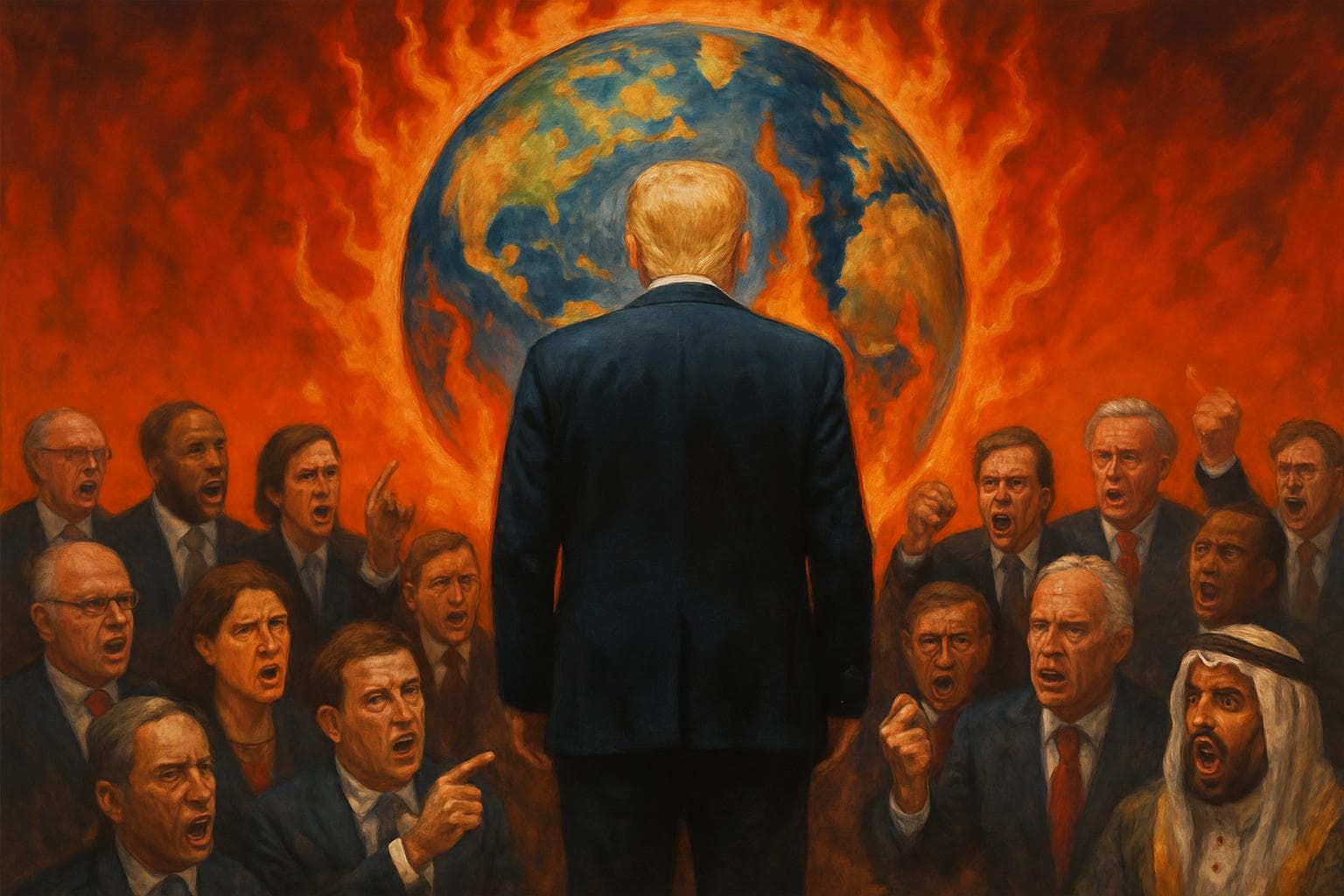
In a controversial move, President Donald Trump has announced the withdrawal of the United States from the United Nations Framework Convention on Climate Change (UNFCCC) and 65 other international organizations. This decision, formalized in a presidential memorandum on Wednesday, has drawn widespread criticism and isolated the US from global efforts to combat climate change.
The UNFCCC, a foundational treaty ratified by the US Senate in 1992, has been a cornerstone of international cooperation on climate issues. Trump's withdrawal, justified by the White House as a measure to protect American interests from "ineffective or hostile agendas," has been met with strong opposition both domestically and internationally. Critics argue that this move undermines decades of US climate leadership and forfeits economic opportunities in the burgeoning clean energy sector.
Impact on Global Climate Efforts
The withdrawal from the UNFCCC and other organizations, including the Intergovernmental Panel on Climate Change, signals a significant shift in US climate policy. The Trump administration has consistently dismissed climate science, labeling it a "hoax," and has prioritized fossil fuel industries over renewable energy initiatives. This stance has been criticized by environmental advocates and former climate advisors, who warn that the decision could have long-term detrimental effects on global climate cooperation.
Gina McCarthy, a former top climate advisor, described the move as "shortsighted" and "foolish," emphasizing the loss of US influence in shaping global climate policies and investments. Manish Bapna, president of the Natural Resources Defense Council, echoed these sentiments, calling the decision an "unforced error" that hampers US competitiveness in clean energy technologies.
Legal and Political Ramifications
The legal implications of Trump's withdrawal remain uncertain, as the UNFCCC was ratified by the Senate. This raises questions about whether the president can unilaterally exit the treaty or if future administrations could rejoin without further Senate approval. The decision also highlights the administration's broader hostility towards international environmental agreements, having previously exited the Paris climate agreement and declined participation in UN climate talks.
WHAT THIS MIGHT MEAN
The withdrawal from the UNFCCC and other international organizations could have significant legal and political ramifications. Legal challenges may arise, questioning the president's authority to unilaterally exit a treaty ratified by the Senate. This could set a precedent for future administrations, potentially complicating efforts to re-engage with international climate frameworks.
Politically, the decision may further isolate the US on the global stage, as other nations continue to advance their climate agendas and invest in clean energy technologies. This could weaken US influence in international climate negotiations and economic opportunities in the rapidly growing clean energy sector.
Experts suggest that the move could also impact domestic climate policies, as the US cedes leadership in global climate initiatives. The long-term effects on international cooperation and the global fight against climate change remain to be seen, but the decision underscores the Trump administration's prioritization of national interests over global environmental collaboration.
Related Articles
Congress Subpoenas Attorney General Bondi in Epstein Investigation
Senate Blocks Resolution to Limit Trump's Military Actions in Iran

Tech Giants Pledge to Cover AI Data Center Energy Costs Amid Rising Electricity Concerns
Cuba Faces Widespread Blackout Amid Deepening Fuel Crisis

UK Faces Dilemmas Amid Iran Conflict and China Spying Allegations
Spain's Sánchez Stands Firm Against Trump's Trade Threat Over Iran Stance
Trump Withdraws US from Key Climate Treaty, Sparking Global Outrage
In This Article
 Alex Carter| Published
 HIGHLIGHTS
- President Donald Trump has withdrawn the US from the UN Framework Convention on Climate Change and 65 other international organizations, citing conflicts with US interests.
- The decision has sparked global outrage, isolating the US from international climate efforts and potentially facing legal challenges due to Senate ratification of the UNFCCC.
- Critics argue the move undermines US climate leadership and economic opportunities in clean energy, while reinforcing reliance on fossil fuels.
- The withdrawal includes key UN bodies like the Intergovernmental Panel on Climate Change, affecting global climate science collaboration.
- The Trump administration's stance has been criticized as anti-science and detrimental to global cooperation on climate change.
In a controversial move, President Donald Trump has announced the withdrawal of the United States from the United Nations Framework Convention on Climate Change (UNFCCC) and 65 other international organizations. This decision, formalized in a presidential memorandum on Wednesday, has drawn widespread criticism and isolated the US from global efforts to combat climate change.
The UNFCCC, a foundational treaty ratified by the US Senate in 1992, has been a cornerstone of international cooperation on climate issues. Trump's withdrawal, justified by the White House as a measure to protect American interests from "ineffective or hostile agendas," has been met with strong opposition both domestically and internationally. Critics argue that this move undermines decades of US climate leadership and forfeits economic opportunities in the burgeoning clean energy sector.
Impact on Global Climate Efforts
The withdrawal from the UNFCCC and other organizations, including the Intergovernmental Panel on Climate Change, signals a significant shift in US climate policy. The Trump administration has consistently dismissed climate science, labeling it a "hoax," and has prioritized fossil fuel industries over renewable energy initiatives. This stance has been criticized by environmental advocates and former climate advisors, who warn that the decision could have long-term detrimental effects on global climate cooperation.
Gina McCarthy, a former top climate advisor, described the move as "shortsighted" and "foolish," emphasizing the loss of US influence in shaping global climate policies and investments. Manish Bapna, president of the Natural Resources Defense Council, echoed these sentiments, calling the decision an "unforced error" that hampers US competitiveness in clean energy technologies.
Legal and Political Ramifications
The legal implications of Trump's withdrawal remain uncertain, as the UNFCCC was ratified by the Senate. This raises questions about whether the president can unilaterally exit the treaty or if future administrations could rejoin without further Senate approval. The decision also highlights the administration's broader hostility towards international environmental agreements, having previously exited the Paris climate agreement and declined participation in UN climate talks.
WHAT THIS MIGHT MEAN
The withdrawal from the UNFCCC and other international organizations could have significant legal and political ramifications. Legal challenges may arise, questioning the president's authority to unilaterally exit a treaty ratified by the Senate. This could set a precedent for future administrations, potentially complicating efforts to re-engage with international climate frameworks.
Politically, the decision may further isolate the US on the global stage, as other nations continue to advance their climate agendas and invest in clean energy technologies. This could weaken US influence in international climate negotiations and economic opportunities in the rapidly growing clean energy sector.
Experts suggest that the move could also impact domestic climate policies, as the US cedes leadership in global climate initiatives. The long-term effects on international cooperation and the global fight against climate change remain to be seen, but the decision underscores the Trump administration's prioritization of national interests over global environmental collaboration.
Related Articles
Congress Subpoenas Attorney General Bondi in Epstein Investigation
Senate Blocks Resolution to Limit Trump's Military Actions in Iran
Tech Giants Pledge to Cover AI Data Center Energy Costs Amid Rising Electricity Concerns
Cuba Faces Widespread Blackout Amid Deepening Fuel Crisis
UK Faces Dilemmas Amid Iran Conflict and China Spying Allegations
Spain's Sánchez Stands Firm Against Trump's Trade Threat Over Iran Stance