
Trump Imposes High Tariffs on South African Exports Amid Strained Relations

In This Article
HIGHLIGHTS
- President Trump announced a 30% tariff on South African exports to the US, the highest in sub-Saharan Africa.
- The tariffs, effective from 7 August, also impact other African nations with varying rates, such as Nigeria and Ghana at 15%.
- South Africa's duty-free access under the African Growth and Opportunity Act is effectively ended by these tariffs.
- President Ramaphosa is negotiating with the US to mitigate the impact and has submitted a framework deal.
- The tariffs are part of a broader executive order affecting 69 countries, with rates ranging from 10% to 41%.
In a significant escalation of trade tensions, President Donald Trump has announced a 30% tariff on South African exports to the United States, marking the highest rate imposed on any sub-Saharan African country. This move, effective from 7 August, underscores the deteriorating relationship between the Trump administration and the government of President Cyril Ramaphosa.
The tariffs are part of a broader executive order targeting 69 countries with reciprocal tariffs ranging from 10% to 41%. While South Africa faces the steepest rate, other African nations such as Nigeria, Ghana, and Zimbabwe will see a 15% tariff. In North Africa, Algeria and Libya will also be subject to the 30% rate, while Tunisia faces a 25% tariff.
Impact on South African Economy
The announcement is a severe blow to South Africa, which counts the US as its second-largest trading partner. The tariffs effectively dismantle the benefits South Africa enjoyed under the African Growth and Opportunity Act (Agoa), a program designed to boost African economies by providing duty-free access to the US market. Key sectors such as automobiles, farming, and textiles are expected to be hit hardest.
President Ramaphosa has expressed his commitment to continue negotiations with the US, having already submitted a framework deal aimed at easing tensions. The South African government is also preparing a support package for industries most vulnerable to these tariffs.
Broader Global Trade Implications
The tariffs are part of Trump's wider strategy to protect American businesses by imposing taxes on foreign goods. The executive order lists countries like India, Iraq, and Syria, with tariffs as high as 41% in some cases. This aggressive trade policy has sparked concerns about potential retaliatory measures and the broader impact on global trade relations.
Strained US-South Africa Relations
Relations between the US and South Africa have been rocky since Trump took office, with the US president halting aid and accusing South Africa of discriminatory policies against its white minority—a claim South Africa denies. Despite a meeting between Trump and Ramaphosa in May, tensions remain high, with Trump recently suggesting he might not attend the upcoming G20 Leaders Summit in Johannesburg.
WHAT THIS MIGHT MEAN
The imposition of these tariffs could lead to significant economic repercussions for South Africa, potentially affecting its GDP and employment rates in key sectors. If negotiations between the US and South Africa fail to yield a compromise, the tariffs could become a long-term barrier to trade, prompting South Africa to seek new trading partners or alliances.
On a global scale, Trump's aggressive tariff strategy might provoke retaliatory measures from affected countries, potentially leading to a trade war that could disrupt international markets. Experts suggest that such protectionist policies could undermine global economic growth and strain diplomatic relations further.
As the September review of the African Growth and Opportunity Act approaches, the future of US-Africa trade relations hangs in the balance, with potential revisions to the act possibly offering a path to resolution or further complicating the situation.
Related Articles
Cuba Faces Widespread Blackout Amid Deepening Fuel Crisis

UK Faces Dilemmas Amid Iran Conflict and China Spying Allegations
UK-Iran Tensions: Starmer Defends Cautious Approach Amid Trump Criticism
Iran Postpones Khamenei Funeral Amid Escalating US-Israeli Strikes
Canada Calls for De-escalation Amid US-Israel Strikes on Iran
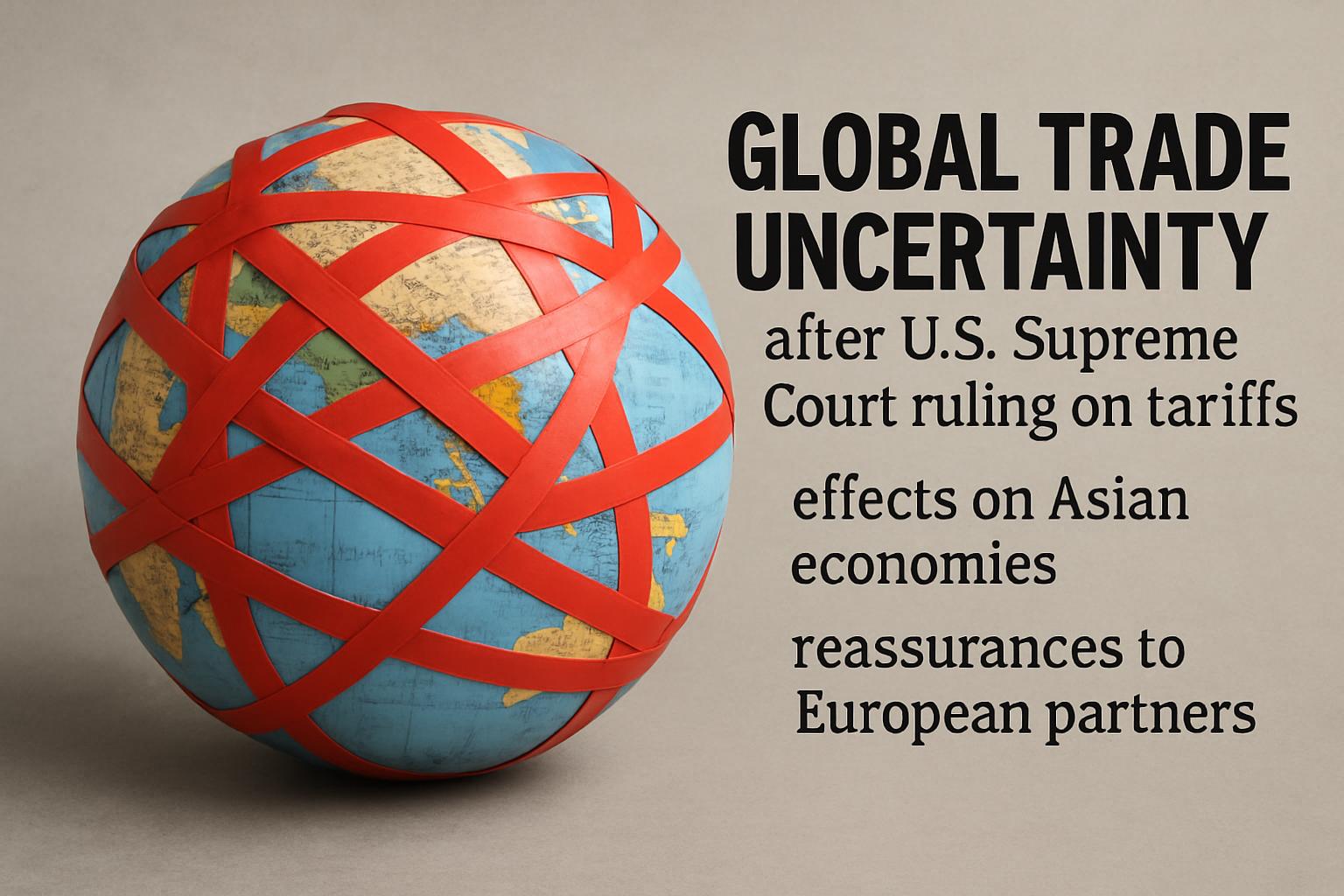
US Supreme Court Ruling Sparks Trade Uncertainty in Asia and Beyond
Trump Imposes High Tariffs on South African Exports Amid Strained Relations
In This Article
 James Okoro| Published
 HIGHLIGHTS
- President Trump announced a 30% tariff on South African exports to the US, the highest in sub-Saharan Africa.
- The tariffs, effective from 7 August, also impact other African nations with varying rates, such as Nigeria and Ghana at 15%.
- South Africa's duty-free access under the African Growth and Opportunity Act is effectively ended by these tariffs.
- President Ramaphosa is negotiating with the US to mitigate the impact and has submitted a framework deal.
- The tariffs are part of a broader executive order affecting 69 countries, with rates ranging from 10% to 41%.
In a significant escalation of trade tensions, President Donald Trump has announced a 30% tariff on South African exports to the United States, marking the highest rate imposed on any sub-Saharan African country. This move, effective from 7 August, underscores the deteriorating relationship between the Trump administration and the government of President Cyril Ramaphosa.
The tariffs are part of a broader executive order targeting 69 countries with reciprocal tariffs ranging from 10% to 41%. While South Africa faces the steepest rate, other African nations such as Nigeria, Ghana, and Zimbabwe will see a 15% tariff. In North Africa, Algeria and Libya will also be subject to the 30% rate, while Tunisia faces a 25% tariff.
Impact on South African Economy
The announcement is a severe blow to South Africa, which counts the US as its second-largest trading partner. The tariffs effectively dismantle the benefits South Africa enjoyed under the African Growth and Opportunity Act (Agoa), a program designed to boost African economies by providing duty-free access to the US market. Key sectors such as automobiles, farming, and textiles are expected to be hit hardest.
President Ramaphosa has expressed his commitment to continue negotiations with the US, having already submitted a framework deal aimed at easing tensions. The South African government is also preparing a support package for industries most vulnerable to these tariffs.
Broader Global Trade Implications
The tariffs are part of Trump's wider strategy to protect American businesses by imposing taxes on foreign goods. The executive order lists countries like India, Iraq, and Syria, with tariffs as high as 41% in some cases. This aggressive trade policy has sparked concerns about potential retaliatory measures and the broader impact on global trade relations.
Strained US-South Africa Relations
Relations between the US and South Africa have been rocky since Trump took office, with the US president halting aid and accusing South Africa of discriminatory policies against its white minority—a claim South Africa denies. Despite a meeting between Trump and Ramaphosa in May, tensions remain high, with Trump recently suggesting he might not attend the upcoming G20 Leaders Summit in Johannesburg.
WHAT THIS MIGHT MEAN
The imposition of these tariffs could lead to significant economic repercussions for South Africa, potentially affecting its GDP and employment rates in key sectors. If negotiations between the US and South Africa fail to yield a compromise, the tariffs could become a long-term barrier to trade, prompting South Africa to seek new trading partners or alliances.
On a global scale, Trump's aggressive tariff strategy might provoke retaliatory measures from affected countries, potentially leading to a trade war that could disrupt international markets. Experts suggest that such protectionist policies could undermine global economic growth and strain diplomatic relations further.
As the September review of the African Growth and Opportunity Act approaches, the future of US-Africa trade relations hangs in the balance, with potential revisions to the act possibly offering a path to resolution or further complicating the situation.
Related Articles
Cuba Faces Widespread Blackout Amid Deepening Fuel Crisis
UK Faces Dilemmas Amid Iran Conflict and China Spying Allegations
UK-Iran Tensions: Starmer Defends Cautious Approach Amid Trump Criticism
Iran Postpones Khamenei Funeral Amid Escalating US-Israeli Strikes
Canada Calls for De-escalation Amid US-Israel Strikes on Iran
US Supreme Court Ruling Sparks Trade Uncertainty in Asia and Beyond