
Trump Meets Venezuelan Opposition Leader Amidst Latin American Tensions
In This Article
HIGHLIGHTS
- Venezuelan opposition leader María Corina Machado is set to meet with President Donald Trump at the White House, following Nicolás Maduro's capture by US forces.
- Trump has not endorsed Machado as Venezuela's leader, instead supporting Delcy Rodríguez, Maduro's former vice-president, as interim president.
- Tensions between the US and Colombia have escalated, with Trump accusing Colombian President Gustavo Petro of drug trafficking and imposing sanctions.
- Despite the tensions, a recent phone call between Trump and Petro has helped ease the situation, with Trump inviting Petro to the White House.
- Machado, a Nobel Peace Prize winner, has expressed gratitude for US actions in Venezuela, while Rodríguez denies US influence over Venezuelan governance.
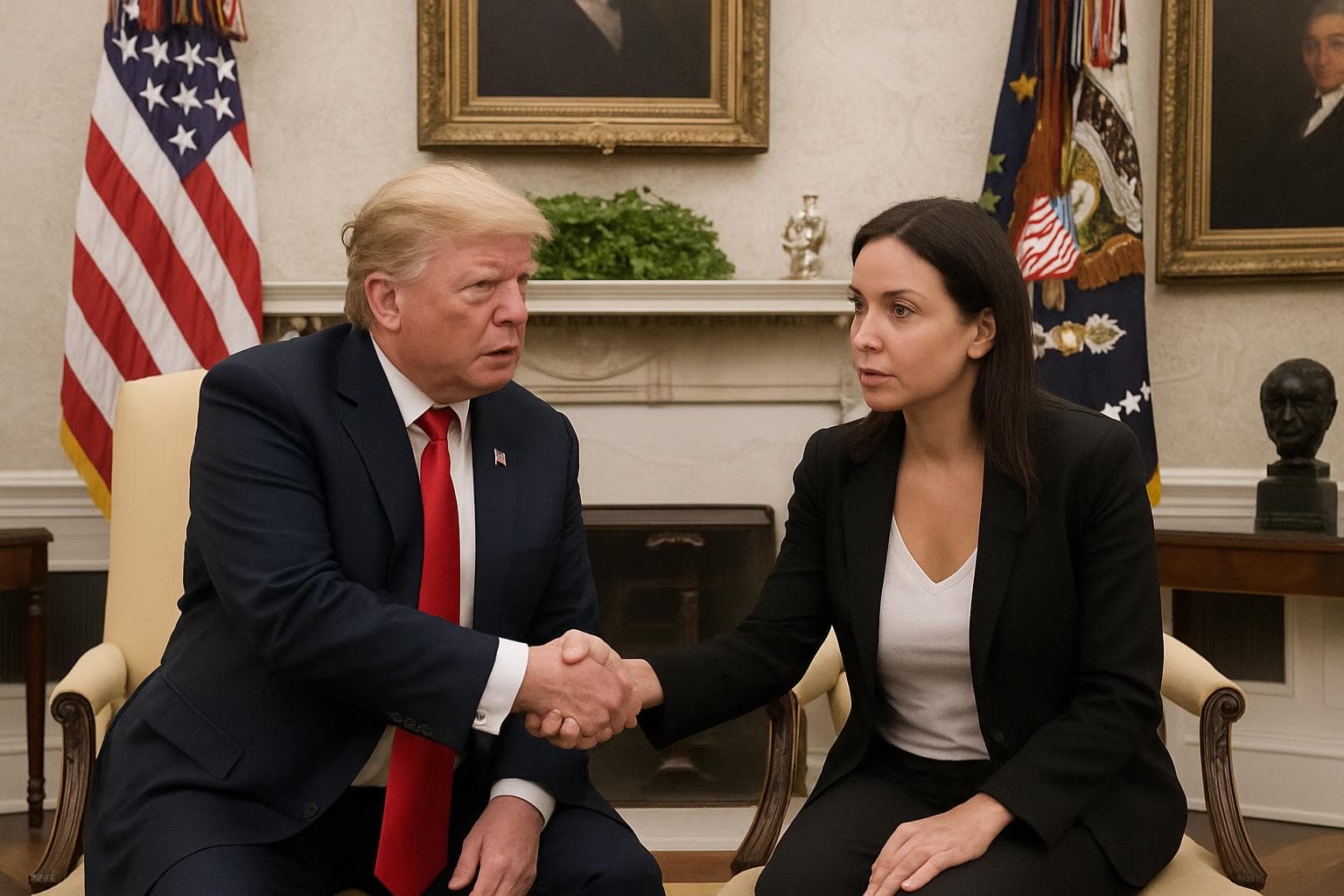
In a significant diplomatic move, Venezuelan opposition leader María Corina Machado is scheduled to meet President Donald Trump at the White House this Thursday. This meeting follows the dramatic capture of Venezuelan President Nicolás Maduro by US forces in Caracas earlier this month. Despite Machado's coalition claiming victory in Venezuela's contested 2024 elections, Trump has refrained from endorsing her as the country's leader. Instead, the US has thrown its support behind Delcy Rodríguez, Maduro's former vice-president, as the interim president.
US-Venezuela Relations
Machado, who was awarded the Nobel Peace Prize last year, has expressed her desire to personally thank Trump for the US's decisive actions against Maduro. However, Trump has shown reluctance to fully back Machado, citing her lack of support within Venezuela. "She's a very nice woman, but she doesn't have the respect," Trump remarked. Meanwhile, Rodríguez, described by Trump as an "ally," has not faced any charges from US officials, and the White House has praised her cooperation.
Colombia-US Tensions
Parallel to the developments in Venezuela, tensions between the US and Colombia have been on the rise. President Trump has accused Colombian President Gustavo Petro of flooding American streets with illegal drugs, leading to sanctions against Petro and his wife. The situation reached a boiling point when Trump threatened military action against Colombia, reminiscent of the operation in Caracas. However, a recent phone call between Trump and Petro, described as a "good meeting" by the Colombian foreign ministry, has helped defuse the situation. Trump has since invited Petro to the White House, signaling a potential thaw in relations.
Machado's Stance and Rodríguez's Rebuttal
Machado remains firm in her belief that her coalition should lead Venezuela, criticizing Rodríguez as a key figure in the country's repression. In contrast, Rodríguez has publicly denied any US control over Venezuelan governance, asserting, "The Venezuelan government rules our country, and no-one else does."
WHAT THIS MIGHT MEAN
The upcoming meeting between Trump and Machado could shape the future of US-Venezuela relations, potentially influencing the political landscape in Venezuela. If Trump decides to shift his support towards Machado, it could lead to significant changes in the country's leadership dynamics. Meanwhile, the easing of tensions between the US and Colombia may pave the way for improved diplomatic relations, although underlying differences between Trump and Petro could pose challenges. Experts suggest that continued diplomatic efforts will be crucial in maintaining stability in the region, as both Venezuela and Colombia navigate their complex relationships with the US.
Related Articles
Cuba Faces Widespread Blackout Amid Deepening Fuel Crisis
Spain's Sánchez Stands Firm Against Trump's Trade Threat Over Iran Stance
El Mencho's Death Sparks Violent Unrest Across Mexico

Tech Giants Pledge to Cover AI Data Center Energy Costs Amid Rising Electricity Concerns

UK Faces Dilemmas Amid Iran Conflict and China Spying Allegations
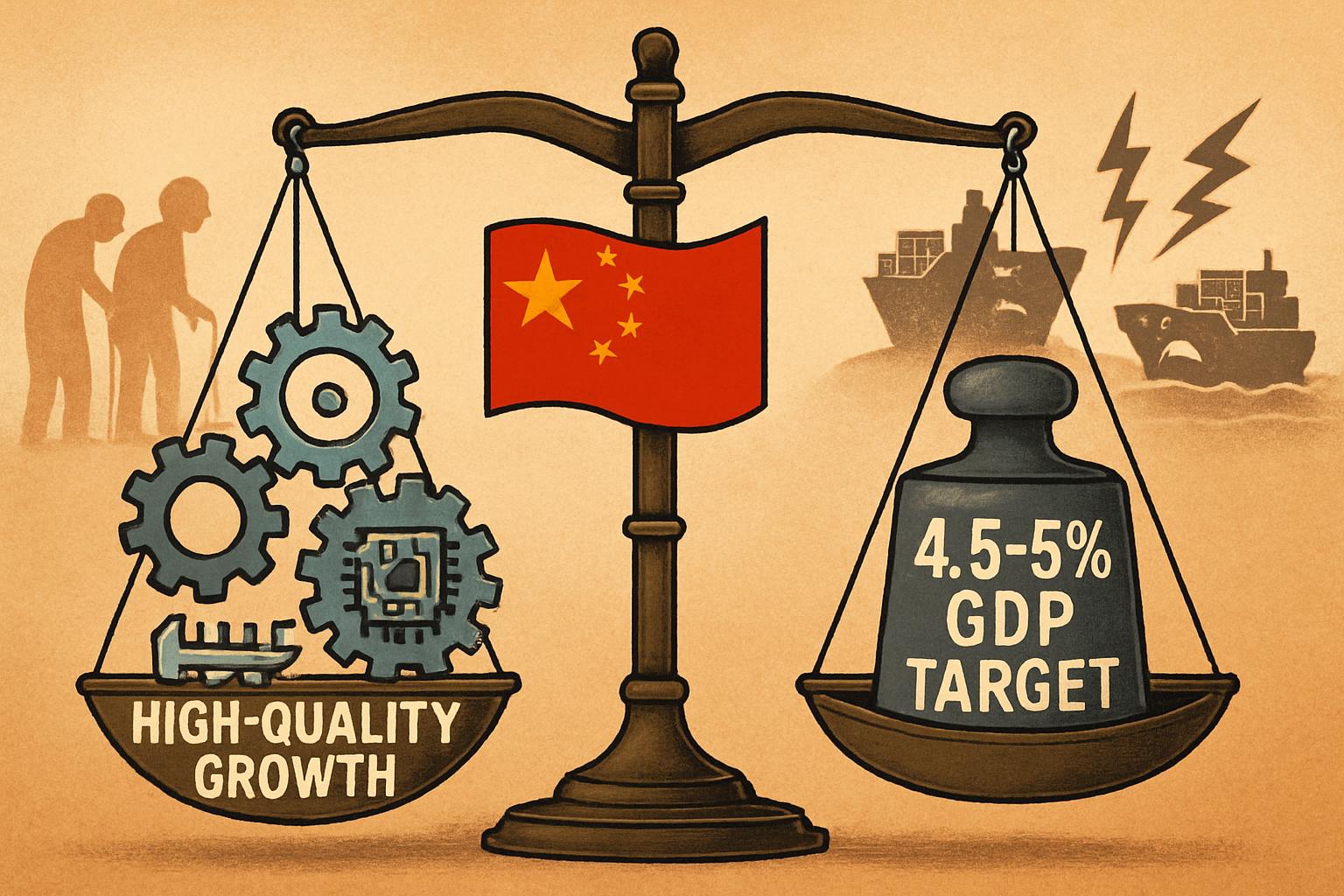
China Sets Lowest GDP Growth Target in Decades Amid Economic Challenges
Trump Meets Venezuelan Opposition Leader Amidst Latin American Tensions
In This Article
HIGHLIGHTS
- Venezuelan opposition leader María Corina Machado is set to meet with President Donald Trump at the White House, following Nicolás Maduro's capture by US forces.
- Trump has not endorsed Machado as Venezuela's leader, instead supporting Delcy Rodríguez, Maduro's former vice-president, as interim president.
- Tensions between the US and Colombia have escalated, with Trump accusing Colombian President Gustavo Petro of drug trafficking and imposing sanctions.
- Despite the tensions, a recent phone call between Trump and Petro has helped ease the situation, with Trump inviting Petro to the White House.
- Machado, a Nobel Peace Prize winner, has expressed gratitude for US actions in Venezuela, while Rodríguez denies US influence over Venezuelan governance.
In a significant diplomatic move, Venezuelan opposition leader María Corina Machado is scheduled to meet President Donald Trump at the White House this Thursday. This meeting follows the dramatic capture of Venezuelan President Nicolás Maduro by US forces in Caracas earlier this month. Despite Machado's coalition claiming victory in Venezuela's contested 2024 elections, Trump has refrained from endorsing her as the country's leader. Instead, the US has thrown its support behind Delcy Rodríguez, Maduro's former vice-president, as the interim president.
US-Venezuela Relations
Machado, who was awarded the Nobel Peace Prize last year, has expressed her desire to personally thank Trump for the US's decisive actions against Maduro. However, Trump has shown reluctance to fully back Machado, citing her lack of support within Venezuela. "She's a very nice woman, but she doesn't have the respect," Trump remarked. Meanwhile, Rodríguez, described by Trump as an "ally," has not faced any charges from US officials, and the White House has praised her cooperation.
Colombia-US Tensions
Parallel to the developments in Venezuela, tensions between the US and Colombia have been on the rise. President Trump has accused Colombian President Gustavo Petro of flooding American streets with illegal drugs, leading to sanctions against Petro and his wife. The situation reached a boiling point when Trump threatened military action against Colombia, reminiscent of the operation in Caracas. However, a recent phone call between Trump and Petro, described as a "good meeting" by the Colombian foreign ministry, has helped defuse the situation. Trump has since invited Petro to the White House, signaling a potential thaw in relations.
Machado's Stance and Rodríguez's Rebuttal
Machado remains firm in her belief that her coalition should lead Venezuela, criticizing Rodríguez as a key figure in the country's repression. In contrast, Rodríguez has publicly denied any US control over Venezuelan governance, asserting, "The Venezuelan government rules our country, and no-one else does."
WHAT THIS MIGHT MEAN
The upcoming meeting between Trump and Machado could shape the future of US-Venezuela relations, potentially influencing the political landscape in Venezuela. If Trump decides to shift his support towards Machado, it could lead to significant changes in the country's leadership dynamics. Meanwhile, the easing of tensions between the US and Colombia may pave the way for improved diplomatic relations, although underlying differences between Trump and Petro could pose challenges. Experts suggest that continued diplomatic efforts will be crucial in maintaining stability in the region, as both Venezuela and Colombia navigate their complex relationships with the US.
Related Articles
Cuba Faces Widespread Blackout Amid Deepening Fuel Crisis
Spain's Sánchez Stands Firm Against Trump's Trade Threat Over Iran Stance
El Mencho's Death Sparks Violent Unrest Across Mexico
Tech Giants Pledge to Cover AI Data Center Energy Costs Amid Rising Electricity Concerns
UK Faces Dilemmas Amid Iran Conflict and China Spying Allegations
China Sets Lowest GDP Growth Target in Decades Amid Economic Challenges