
Trump-Putin Summit in Alaska: A Tentative Step Towards Ukraine Peace
In This Article
HIGHLIGHTS
- The Trump-Putin summit in Alaska aimed to initiate peace talks for the Ukraine conflict but did not yield a ceasefire agreement.
- US President Trump emphasized that it is now up to Ukraine's President Zelenskyy to negotiate a ceasefire with Russia.
- UK Defence Secretary John Healey stated the UK is prepared to deploy troops to Ukraine if a ceasefire is reached.
- Russia launched attacks on Ukraine during the summit, highlighting ongoing hostilities despite diplomatic efforts.
- European leaders were not present at the summit but are seeking to influence the peace process through diplomatic channels.
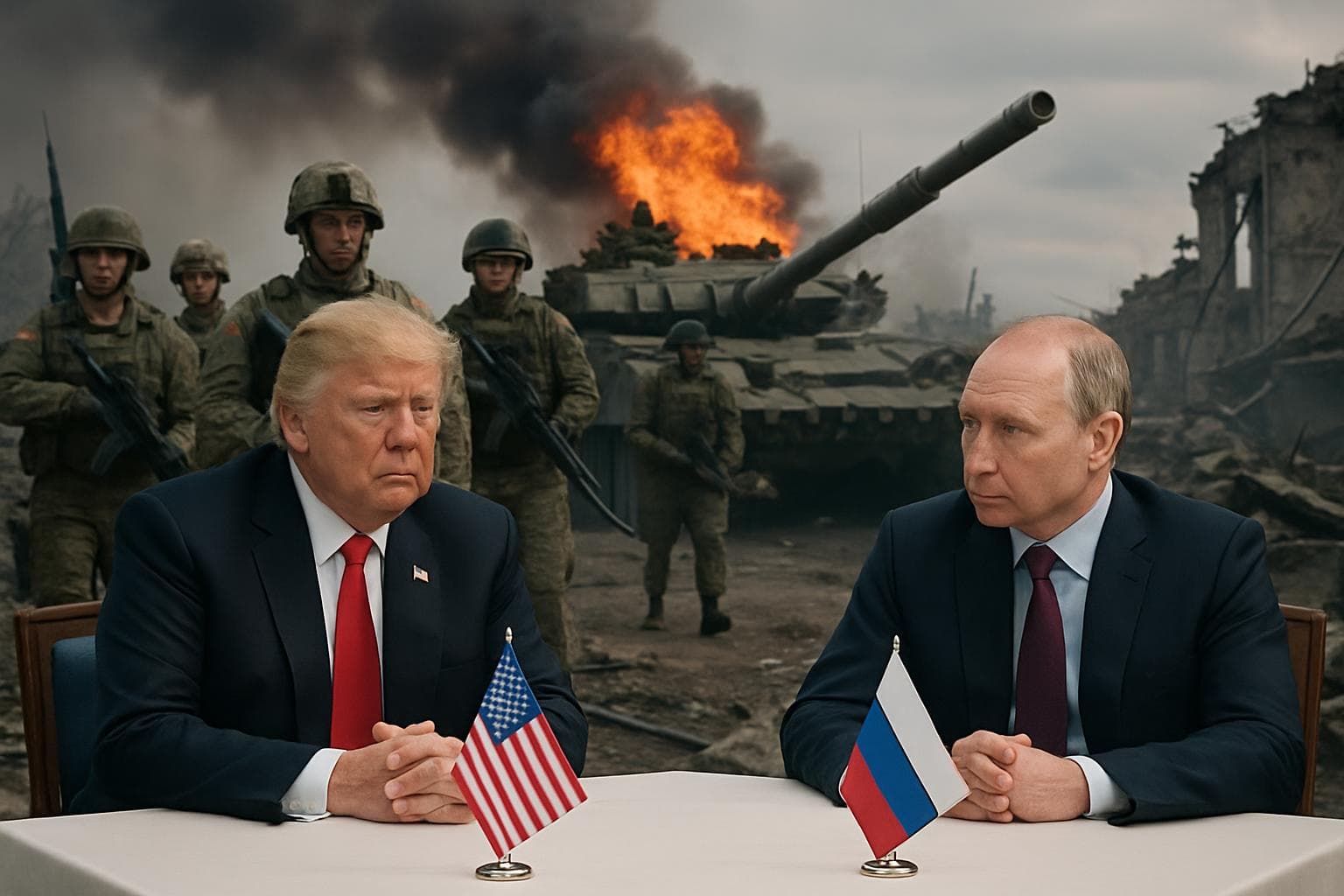
The recent summit between US President Donald Trump and Russian President Vladimir Putin in Alaska has been described as a potential first step towards resolving the ongoing conflict in Ukraine. Despite the high stakes, the meeting did not result in a ceasefire agreement, leaving the onus on Ukraine's President Volodymyr Zelenskyy to negotiate peace with Russia.
Diplomatic Efforts and Military Readiness
The summit, which took place on Friday, was characterized by Trump as "very productive," though it fell short of achieving a ceasefire. Trump stated that Zelenskyy and Putin are expected to meet to discuss a potential ceasefire, emphasizing that the responsibility now lies with Zelenskyy. "It's really up to President Zelenskyy to get it done," Trump remarked in a post-summit interview.
Meanwhile, UK Defence Secretary John Healey expressed the UK's readiness to support Ukraine militarily if a ceasefire is agreed upon. Healey highlighted the UK's commitment to a coalition of 30 nations prepared to enforce peace in Ukraine, stating, "We are ready to put UK boots on the ground in Ukraine."
Continued Hostilities and International Reactions
Despite diplomatic efforts, Russia continued its military aggression, launching attacks on Ukraine during the summit. Ukrainian forces reported a missile strike in the Dnipropetrovsk region, resulting in casualties and damage. Zelenskyy criticized Russia's actions, noting that the war persists due to Moscow's lack of commitment to peace.
European leaders, though absent from the Alaska summit, have been actively engaging with the US to influence the peace process. The Czech Defence Minister, Jana Černochová, expressed skepticism about Russia's intentions, stating that the summit did not indicate a genuine pursuit of peace by Putin.
WHAT THIS MIGHT MEAN
The outcome of the Trump-Putin summit leaves the future of the Ukraine conflict uncertain. While the meeting did not produce a ceasefire, it set the stage for potential negotiations between Zelenskyy and Putin. However, ongoing Russian aggression and the absence of European leaders from the talks may complicate efforts to achieve peace.
Experts suggest that the US could play a pivotal role in steering the negotiations towards a resolution, potentially through increased diplomatic pressure or economic sanctions on Russia. The international community will be closely watching the next steps taken by Ukraine and Russia, as well as the involvement of NATO and other allies in supporting a peaceful outcome.
Related Articles
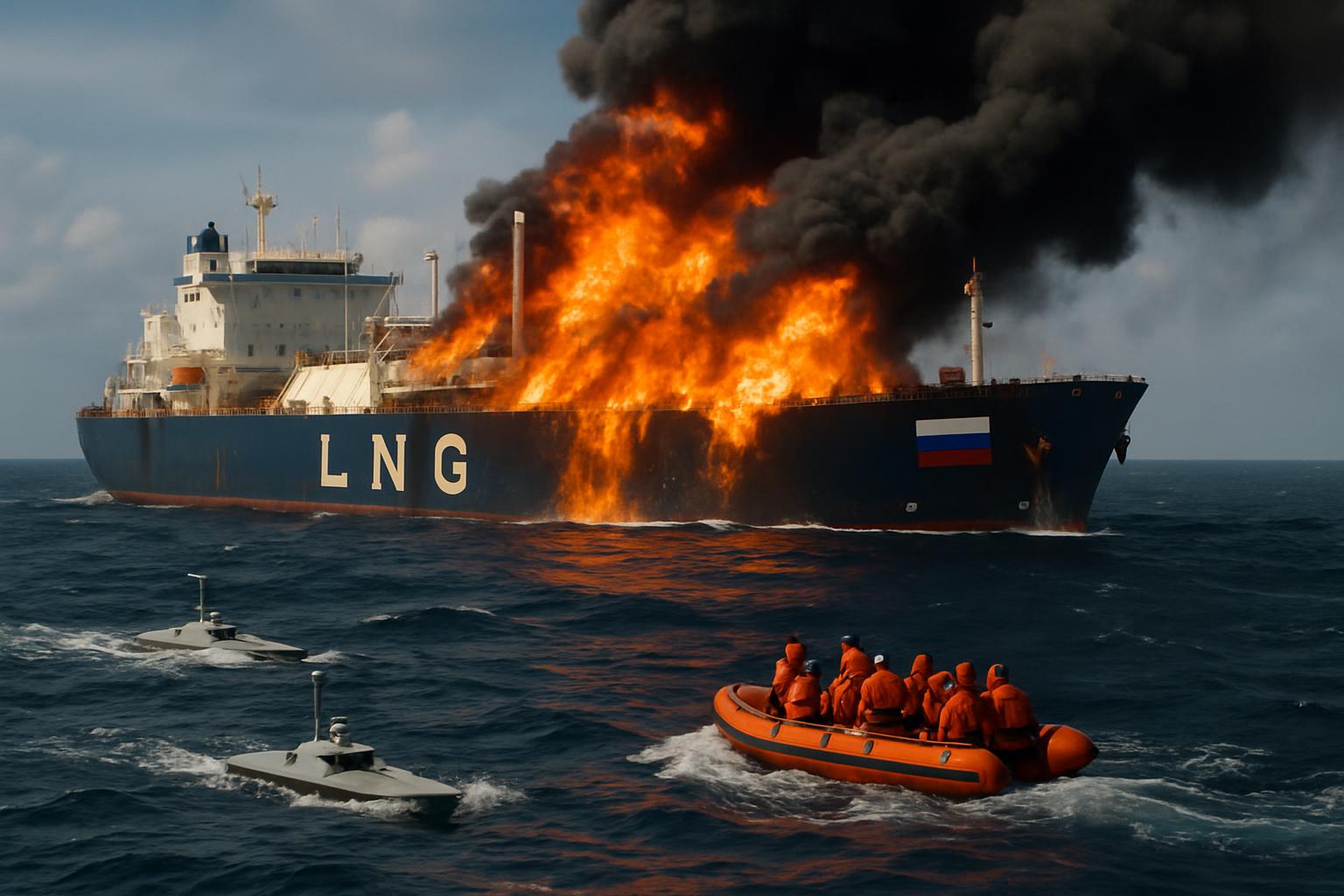
Russian LNG Tanker Sinks in Mediterranean Amid Accusations of Ukrainian Drone Attack

UK-Iran Tensions: Starmer Defends Cautious Approach Amid Trump Criticism

UK Faces Dilemmas Amid Iran Conflict and China Spying Allegations
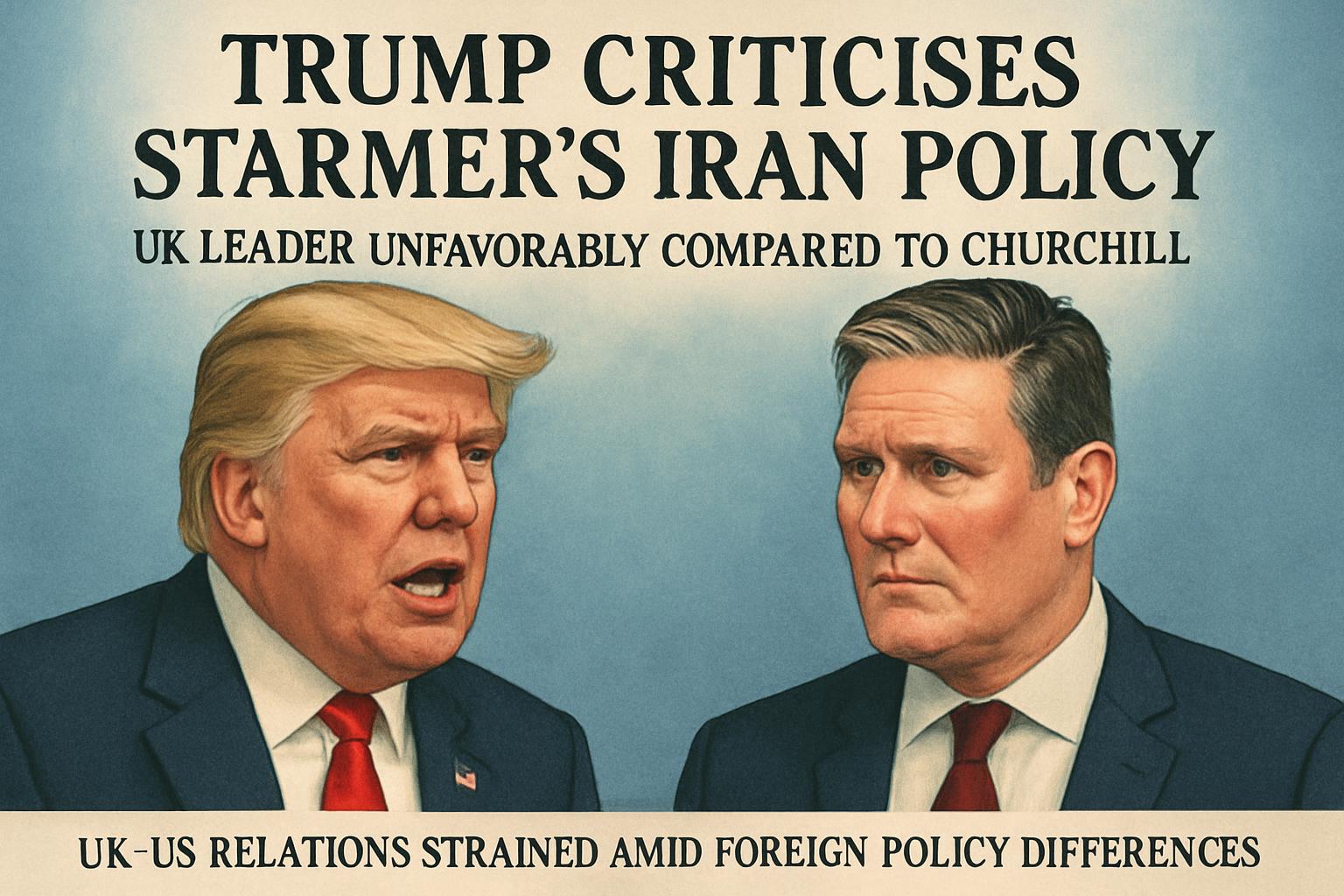
Diplomatic Tensions Rise as Trump Criticizes Starmer's Iran Policy

Breakthrough Drug Offers Hope for Children with Severe Epilepsy
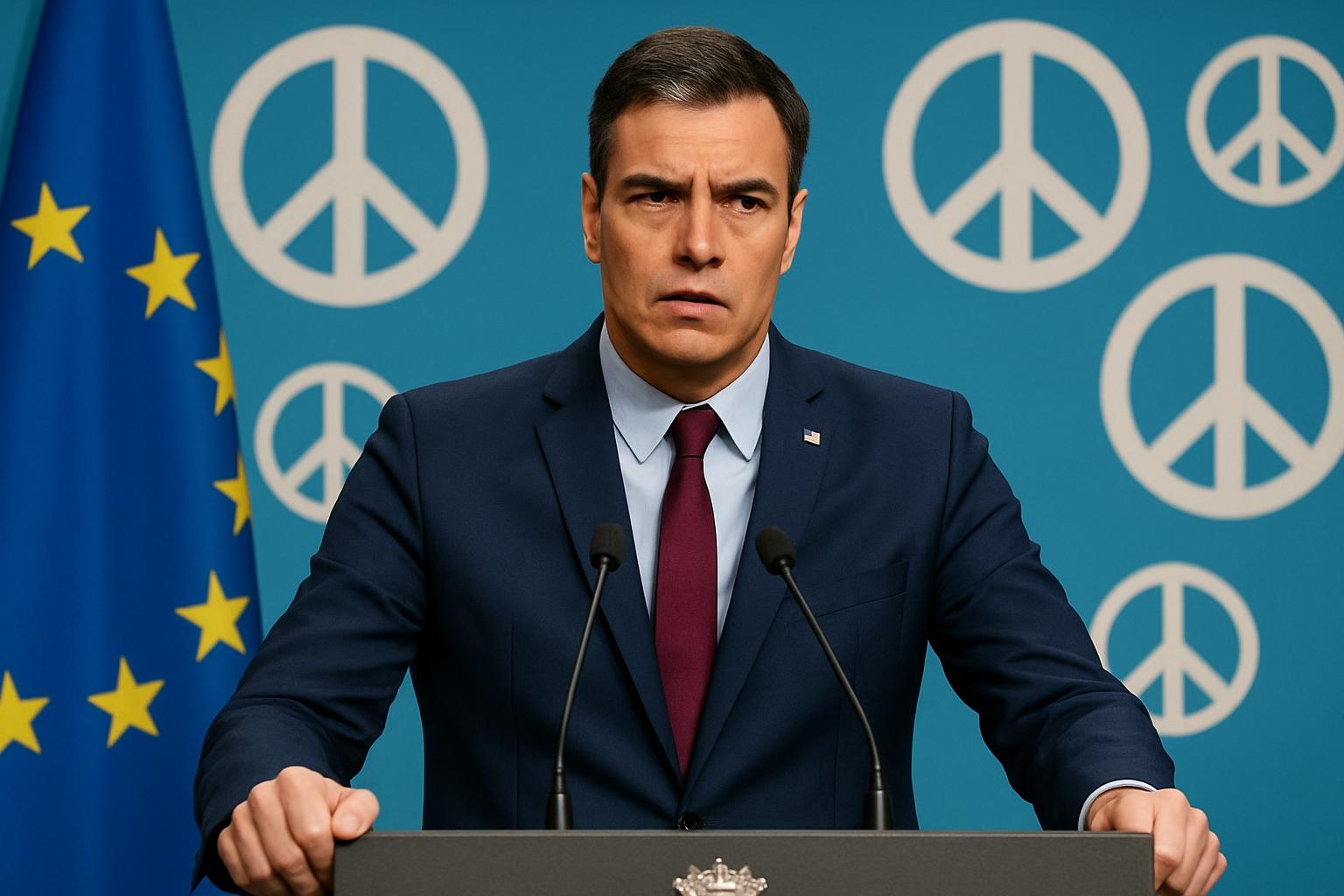
Spain's Sánchez Stands Firm Against Trump's Trade Threat Over Iran Stance
Trump-Putin Summit in Alaska: A Tentative Step Towards Ukraine Peace
In This Article
 Ethan Brooks| Published
 HIGHLIGHTS
- The Trump-Putin summit in Alaska aimed to initiate peace talks for the Ukraine conflict but did not yield a ceasefire agreement.
- US President Trump emphasized that it is now up to Ukraine's President Zelenskyy to negotiate a ceasefire with Russia.
- UK Defence Secretary John Healey stated the UK is prepared to deploy troops to Ukraine if a ceasefire is reached.
- Russia launched attacks on Ukraine during the summit, highlighting ongoing hostilities despite diplomatic efforts.
- European leaders were not present at the summit but are seeking to influence the peace process through diplomatic channels.
The recent summit between US President Donald Trump and Russian President Vladimir Putin in Alaska has been described as a potential first step towards resolving the ongoing conflict in Ukraine. Despite the high stakes, the meeting did not result in a ceasefire agreement, leaving the onus on Ukraine's President Volodymyr Zelenskyy to negotiate peace with Russia.
Diplomatic Efforts and Military Readiness
The summit, which took place on Friday, was characterized by Trump as "very productive," though it fell short of achieving a ceasefire. Trump stated that Zelenskyy and Putin are expected to meet to discuss a potential ceasefire, emphasizing that the responsibility now lies with Zelenskyy. "It's really up to President Zelenskyy to get it done," Trump remarked in a post-summit interview.
Meanwhile, UK Defence Secretary John Healey expressed the UK's readiness to support Ukraine militarily if a ceasefire is agreed upon. Healey highlighted the UK's commitment to a coalition of 30 nations prepared to enforce peace in Ukraine, stating, "We are ready to put UK boots on the ground in Ukraine."
Continued Hostilities and International Reactions
Despite diplomatic efforts, Russia continued its military aggression, launching attacks on Ukraine during the summit. Ukrainian forces reported a missile strike in the Dnipropetrovsk region, resulting in casualties and damage. Zelenskyy criticized Russia's actions, noting that the war persists due to Moscow's lack of commitment to peace.
European leaders, though absent from the Alaska summit, have been actively engaging with the US to influence the peace process. The Czech Defence Minister, Jana Černochová, expressed skepticism about Russia's intentions, stating that the summit did not indicate a genuine pursuit of peace by Putin.
WHAT THIS MIGHT MEAN
The outcome of the Trump-Putin summit leaves the future of the Ukraine conflict uncertain. While the meeting did not produce a ceasefire, it set the stage for potential negotiations between Zelenskyy and Putin. However, ongoing Russian aggression and the absence of European leaders from the talks may complicate efforts to achieve peace.
Experts suggest that the US could play a pivotal role in steering the negotiations towards a resolution, potentially through increased diplomatic pressure or economic sanctions on Russia. The international community will be closely watching the next steps taken by Ukraine and Russia, as well as the involvement of NATO and other allies in supporting a peaceful outcome.
Related Articles
Russian LNG Tanker Sinks in Mediterranean Amid Accusations of Ukrainian Drone Attack
UK-Iran Tensions: Starmer Defends Cautious Approach Amid Trump Criticism
UK Faces Dilemmas Amid Iran Conflict and China Spying Allegations
Diplomatic Tensions Rise as Trump Criticizes Starmer's Iran Policy
Breakthrough Drug Offers Hope for Children with Severe Epilepsy
Spain's Sánchez Stands Firm Against Trump's Trade Threat Over Iran Stance