
Trump Threatens BBC with $1 Billion Lawsuit Over Edited Speech in Panorama Documentary
In This Article
HIGHLIGHTS
- Donald Trump has threatened the BBC with a $1 billion lawsuit over a Panorama documentary that allegedly misrepresented his January 6, 2021, speech.
- The BBC's editing of Trump's speech has led to the resignations of its director-general Tim Davie and News CEO Deborah Turness.
- BBC chair Samir Shah acknowledged an "error of judgment" in the documentary's editing but defended the corporation against broader bias claims.
- The controversy has intensified debates over media bias and impartiality, with Trump accusing the BBC of defamation under Florida law.
- The BBC has received over 500 complaints following the publication of a critical memo, which also highlighted issues in its Gaza and transgender coverage.
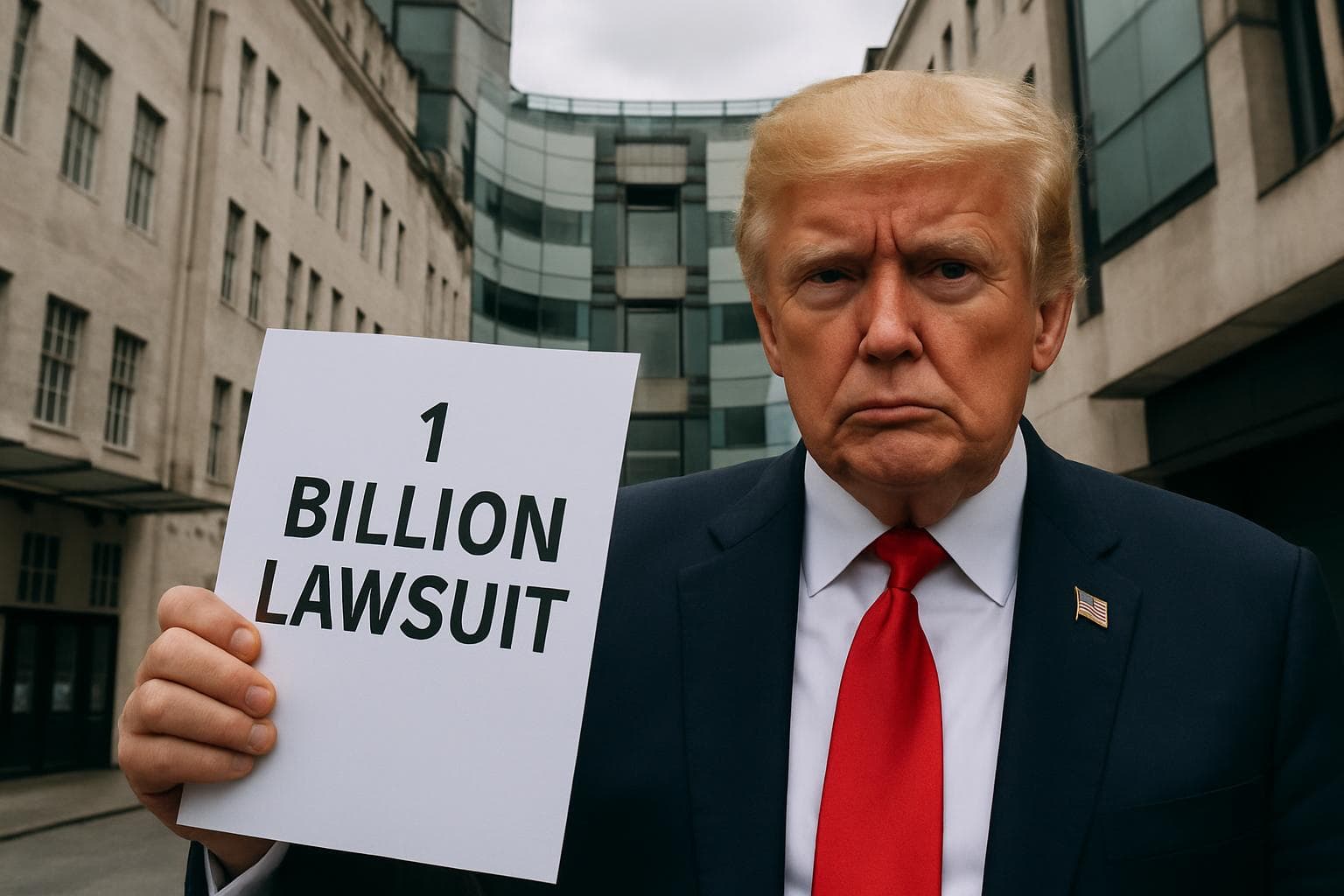
Former U.S. President Donald Trump has launched a legal threat against the BBC, demanding a retraction of a Panorama documentary that allegedly misrepresented his speech on January 6, 2021. Trump's legal team has set a deadline of November 14 for the BBC to issue a "full and fair retraction" or face a lawsuit seeking $1 billion in damages.
The controversy centers around the BBC's editing of Trump's speech, which was broadcast in October 2024. The documentary spliced together two parts of the speech, creating the impression that Trump was inciting his supporters to attack the U.S. Capitol. This portrayal has been criticized as misleading, prompting the resignations of BBC director-general Tim Davie and News CEO Deborah Turness.
BBC's Response and Internal Turmoil
BBC chair Samir Shah admitted to an "error of judgment" in the documentary's editing but defended the corporation against accusations of institutional bias. Shah emphasized that the BBC remains committed to impartiality, despite receiving over 500 complaints following the publication of a critical memo by a former adviser to the BBC's editorial standards committee.
The memo, leaked to the Telegraph, accused the BBC of bias in its coverage of Gaza, transgender issues, and the Trump speech edit. Shah responded to these claims, stating that the BBC had not sought to bury any issues and had addressed concerns raised in the memo.
Trump's Global Media Campaign
Trump's legal threat against the BBC is part of a broader strategy to challenge media organizations he perceives as biased. His attorney, Alejandro Brito, accused the BBC of defamation under Florida law, despite the BBC's primary platforms being unavailable in the U.S. Trump has a history of using legal threats to pressure media companies, often resulting in settlements.
The BBC has stated it will review the correspondence from Trump's legal team and respond in due course. Meanwhile, the resignations of Davie and Turness have sparked discussions about the BBC's future and its role in maintaining impartiality amid increasing political pressures.
WHAT THIS MIGHT MEAN
The legal threat from Trump could lead to a high-profile court case if the BBC does not comply with his demands. Such a lawsuit would likely reignite debates over media bias and the responsibilities of public broadcasters. Experts suggest that the BBC may need to strengthen its editorial processes to avoid similar controversies in the future.
Politically, the situation underscores the challenges faced by media organizations in navigating accusations of bias from both sides of the political spectrum. The BBC's handling of this issue could influence public trust in its impartiality and impact its reputation globally.
As the BBC reviews its editorial practices, it may face increased scrutiny from both domestic and international audiences. The outcome of this legal threat could set a precedent for how media organizations handle contentious political coverage and respond to allegations of bias.
Related Articles

UK Faces Dilemmas Amid Iran Conflict and China Spying Allegations
UK-Iran Tensions: Starmer Defends Cautious Approach Amid Trump Criticism
Diplomatic Tensions Rise as Trump Criticizes Starmer's Iran Policy
Tech Giants Pledge to Cover AI Data Center Energy Costs Amid Rising Electricity Concerns
Congress Subpoenas Attorney General Bondi in Epstein Investigation
Cuba Faces Widespread Blackout Amid Deepening Fuel Crisis
Trump Threatens BBC with $1 Billion Lawsuit Over Edited Speech in Panorama Documentary
In This Article
 Ethan Brooks| Published
 HIGHLIGHTS
- Donald Trump has threatened the BBC with a $1 billion lawsuit over a Panorama documentary that allegedly misrepresented his January 6, 2021, speech.
- The BBC's editing of Trump's speech has led to the resignations of its director-general Tim Davie and News CEO Deborah Turness.
- BBC chair Samir Shah acknowledged an "error of judgment" in the documentary's editing but defended the corporation against broader bias claims.
- The controversy has intensified debates over media bias and impartiality, with Trump accusing the BBC of defamation under Florida law.
- The BBC has received over 500 complaints following the publication of a critical memo, which also highlighted issues in its Gaza and transgender coverage.
Former U.S. President Donald Trump has launched a legal threat against the BBC, demanding a retraction of a Panorama documentary that allegedly misrepresented his speech on January 6, 2021. Trump's legal team has set a deadline of November 14 for the BBC to issue a "full and fair retraction" or face a lawsuit seeking $1 billion in damages.
The controversy centers around the BBC's editing of Trump's speech, which was broadcast in October 2024. The documentary spliced together two parts of the speech, creating the impression that Trump was inciting his supporters to attack the U.S. Capitol. This portrayal has been criticized as misleading, prompting the resignations of BBC director-general Tim Davie and News CEO Deborah Turness.
BBC's Response and Internal Turmoil
BBC chair Samir Shah admitted to an "error of judgment" in the documentary's editing but defended the corporation against accusations of institutional bias. Shah emphasized that the BBC remains committed to impartiality, despite receiving over 500 complaints following the publication of a critical memo by a former adviser to the BBC's editorial standards committee.
The memo, leaked to the Telegraph, accused the BBC of bias in its coverage of Gaza, transgender issues, and the Trump speech edit. Shah responded to these claims, stating that the BBC had not sought to bury any issues and had addressed concerns raised in the memo.
Trump's Global Media Campaign
Trump's legal threat against the BBC is part of a broader strategy to challenge media organizations he perceives as biased. His attorney, Alejandro Brito, accused the BBC of defamation under Florida law, despite the BBC's primary platforms being unavailable in the U.S. Trump has a history of using legal threats to pressure media companies, often resulting in settlements.
The BBC has stated it will review the correspondence from Trump's legal team and respond in due course. Meanwhile, the resignations of Davie and Turness have sparked discussions about the BBC's future and its role in maintaining impartiality amid increasing political pressures.
WHAT THIS MIGHT MEAN
The legal threat from Trump could lead to a high-profile court case if the BBC does not comply with his demands. Such a lawsuit would likely reignite debates over media bias and the responsibilities of public broadcasters. Experts suggest that the BBC may need to strengthen its editorial processes to avoid similar controversies in the future.
Politically, the situation underscores the challenges faced by media organizations in navigating accusations of bias from both sides of the political spectrum. The BBC's handling of this issue could influence public trust in its impartiality and impact its reputation globally.
As the BBC reviews its editorial practices, it may face increased scrutiny from both domestic and international audiences. The outcome of this legal threat could set a precedent for how media organizations handle contentious political coverage and respond to allegations of bias.
Related Articles
UK Faces Dilemmas Amid Iran Conflict and China Spying Allegations
UK-Iran Tensions: Starmer Defends Cautious Approach Amid Trump Criticism
Diplomatic Tensions Rise as Trump Criticizes Starmer's Iran Policy
Tech Giants Pledge to Cover AI Data Center Energy Costs Amid Rising Electricity Concerns
Congress Subpoenas Attorney General Bondi in Epstein Investigation
Cuba Faces Widespread Blackout Amid Deepening Fuel Crisis