
Trump's 2006 Call to Police Chief Raises Questions About Epstein Knowledge
In This Article
HIGHLIGHTS
- Former Palm Beach police chief Michael Reiter claims Donald Trump called him in 2006 to discuss Jeffrey Epstein's behavior.
- Trump allegedly told Reiter that "everyone" knew about Epstein's actions and praised the police for investigating.
- The FBI document from a 2019 interview with Reiter contradicts Trump's public denial of knowledge about Epstein's crimes.
- Trump reportedly described Ghislaine Maxwell as "evil" and an "operative" of Epstein during the call.
- The Justice Department stated there is no corroborating evidence of Trump's alleged call to law enforcement.
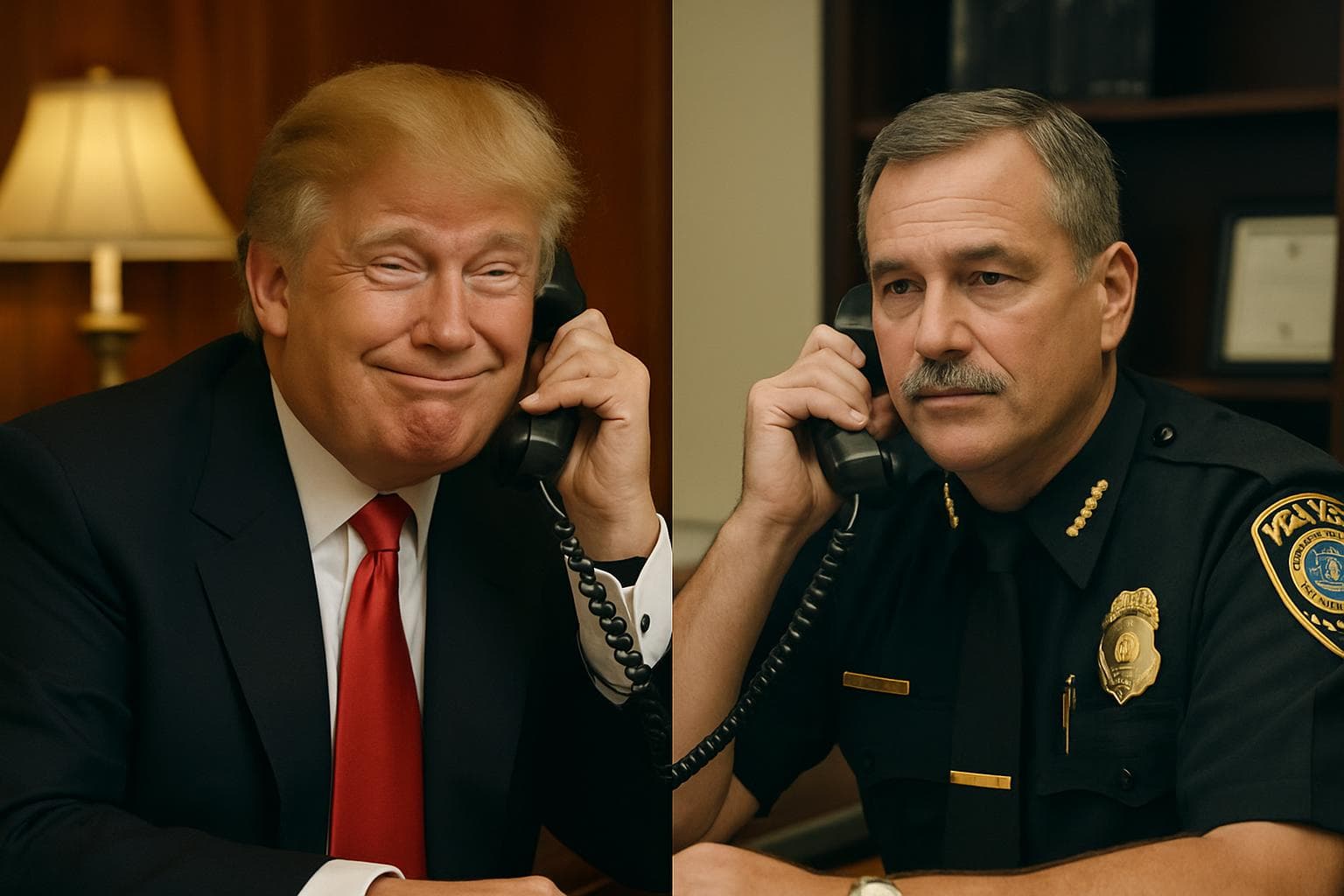
A newly released FBI document has reignited discussions about former President Donald Trump's awareness of Jeffrey Epstein's criminal activities. According to the document, which summarizes a 2019 interview with former Palm Beach police chief Michael Reiter, Trump called Reiter in July 2006 to express his relief that Epstein was being investigated, stating, "Thank goodness you're stopping him, everyone has known he's been doing this."
Allegations and Contradictions
The call, as recounted by Reiter, took place during a period when Epstein was under investigation for the sexual exploitation of minors. Reiter claims Trump also mentioned that he had expelled Epstein from his Mar-a-Lago club and described Ghislaine Maxwell as "evil" and an "operative" of Epstein. These statements starkly contrast with Trump's public declarations in 2019, following Epstein's arrest, where he claimed ignorance of Epstein's crimes, stating, "I had no idea."
Legal and Political Implications
The Justice Department has noted that there is no corroborating evidence to support Reiter's account of Trump's call. White House press secretary Karoline Leavitt commented that the call, if it occurred, aligns with Trump's longstanding narrative of distancing himself from Epstein. However, the revelations have sparked renewed scrutiny over Trump's past associations with Epstein and Maxwell, who was convicted in 2021 for her role in Epstein's sex trafficking operations.
Public and Political Reactions
Trump's supporters have attempted to frame the call as evidence of Trump acting as a whistleblower, despite the contradictions with his later statements. The Miami Herald's Julie Brown, whose investigative reporting played a crucial role in Epstein's eventual prosecution, emphasized that the call occurred after Epstein's activities were already public knowledge.
WHAT THIS MIGHT MEAN
The emergence of this FBI document could have significant implications for Trump's political future, especially as he continues to navigate the complex landscape of public opinion and legal scrutiny. If further evidence emerges corroborating Reiter's claims, it could challenge Trump's narrative and potentially impact his support base. Legal experts suggest that while the document alone may not lead to direct legal consequences for Trump, it adds to the ongoing discourse about his past associations and actions. As the political climate remains charged, this development may influence both public perception and future political strategies.
Related Articles
Spain's Sánchez Stands Firm Against Trump's Trade Threat Over Iran Stance

Armed Intruder Fatally Shot at Mar-a-Lago by Secret Service
Congress Subpoenas Attorney General Bondi in Epstein Investigation
Senate Blocks Resolution to Limit Trump's Military Actions in Iran

US-Iran Tensions Escalate Amid Renewed Nuclear Talks and Protests

Greenland Politely Declines Trump's Hospital Ship Offer Amid Healthcare Debate
Trump's 2006 Call to Police Chief Raises Questions About Epstein Knowledge
In This Article
 Ethan Brooks| Published
 HIGHLIGHTS
- Former Palm Beach police chief Michael Reiter claims Donald Trump called him in 2006 to discuss Jeffrey Epstein's behavior.
- Trump allegedly told Reiter that "everyone" knew about Epstein's actions and praised the police for investigating.
- The FBI document from a 2019 interview with Reiter contradicts Trump's public denial of knowledge about Epstein's crimes.
- Trump reportedly described Ghislaine Maxwell as "evil" and an "operative" of Epstein during the call.
- The Justice Department stated there is no corroborating evidence of Trump's alleged call to law enforcement.
A newly released FBI document has reignited discussions about former President Donald Trump's awareness of Jeffrey Epstein's criminal activities. According to the document, which summarizes a 2019 interview with former Palm Beach police chief Michael Reiter, Trump called Reiter in July 2006 to express his relief that Epstein was being investigated, stating, "Thank goodness you're stopping him, everyone has known he's been doing this."
Allegations and Contradictions
The call, as recounted by Reiter, took place during a period when Epstein was under investigation for the sexual exploitation of minors. Reiter claims Trump also mentioned that he had expelled Epstein from his Mar-a-Lago club and described Ghislaine Maxwell as "evil" and an "operative" of Epstein. These statements starkly contrast with Trump's public declarations in 2019, following Epstein's arrest, where he claimed ignorance of Epstein's crimes, stating, "I had no idea."
Legal and Political Implications
The Justice Department has noted that there is no corroborating evidence to support Reiter's account of Trump's call. White House press secretary Karoline Leavitt commented that the call, if it occurred, aligns with Trump's longstanding narrative of distancing himself from Epstein. However, the revelations have sparked renewed scrutiny over Trump's past associations with Epstein and Maxwell, who was convicted in 2021 for her role in Epstein's sex trafficking operations.
Public and Political Reactions
Trump's supporters have attempted to frame the call as evidence of Trump acting as a whistleblower, despite the contradictions with his later statements. The Miami Herald's Julie Brown, whose investigative reporting played a crucial role in Epstein's eventual prosecution, emphasized that the call occurred after Epstein's activities were already public knowledge.
WHAT THIS MIGHT MEAN
The emergence of this FBI document could have significant implications for Trump's political future, especially as he continues to navigate the complex landscape of public opinion and legal scrutiny. If further evidence emerges corroborating Reiter's claims, it could challenge Trump's narrative and potentially impact his support base. Legal experts suggest that while the document alone may not lead to direct legal consequences for Trump, it adds to the ongoing discourse about his past associations and actions. As the political climate remains charged, this development may influence both public perception and future political strategies.
Related Articles
Spain's Sánchez Stands Firm Against Trump's Trade Threat Over Iran Stance
Armed Intruder Fatally Shot at Mar-a-Lago by Secret Service
Congress Subpoenas Attorney General Bondi in Epstein Investigation
Senate Blocks Resolution to Limit Trump's Military Actions in Iran
US-Iran Tensions Escalate Amid Renewed Nuclear Talks and Protests
Greenland Politely Declines Trump's Hospital Ship Offer Amid Healthcare Debate