
Trump's Greenland Deal Framework Sparks Skepticism Amid Tariff Relief
In This Article
HIGHLIGHTS
- President Trump announced a "framework of a future deal" on Greenland, easing tensions with European allies over tariffs.
- The proposed deal, discussed at the World Economic Forum, does not include US ownership of Greenland, but may involve mineral rights.
- NATO Secretary General Mark Rutte and Danish officials expressed caution, emphasizing the need to respect Danish sovereignty.
- Greenlandic lawmakers criticized the exclusion of Greenland from negotiations, questioning NATO's role in the talks.
- The US aims to prevent Russian and Chinese influence in Greenland, focusing on security and mineral resources.
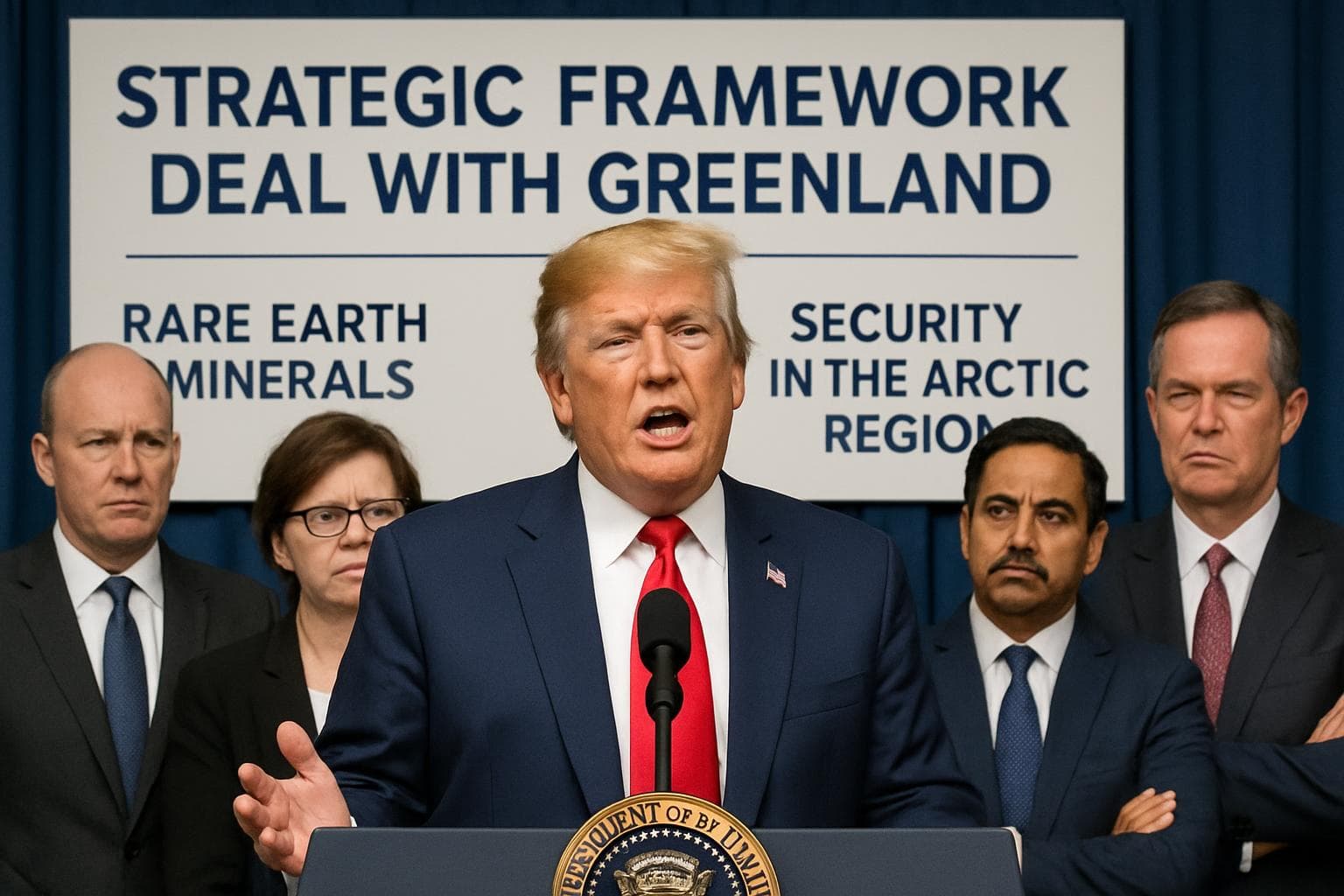
President Donald Trump has announced a "framework of a future deal" concerning Greenland, following discussions with NATO allies. This announcement comes as Trump steps back from imposing tariffs on European countries, a move that had strained transatlantic relations. The talks, held at the World Economic Forum in Switzerland, have been described as "very productive" by both Trump and NATO, though details remain sparse.
Framework Without Ownership
Despite Trump's previous ambitions for US ownership of Greenland, the current framework does not include such terms. Instead, discussions have centered around potential mineral rights and security arrangements in the Arctic region. Trump emphasized the strategic importance of Greenland's untapped reserves of rare earth minerals, which are crucial for modern technologies. "It's the ultimate long-term deal," Trump stated, highlighting the security and economic benefits.
Diplomatic Reactions and Concerns
Danish Foreign Minister Lars Løkke Rasmussen expressed cautious optimism, noting the need to address American security concerns while respecting Denmark's sovereignty. NATO Secretary General Mark Rutte, who was involved in the negotiations, acknowledged that significant work remains. However, Greenlandic lawmakers have voiced frustration over their exclusion from the talks, questioning NATO's involvement in matters of Greenland's sovereignty.
Strategic Implications
The US aims to prevent Russian and Chinese influence in Greenland, focusing on security and mineral resources. The proposed framework could allow the US to expand its military presence and mine for minerals without Danish approval. However, the specifics of the deal, including any formal agreements, remain unclear.
WHAT THIS MIGHT MEAN
The announcement of a framework deal on Greenland marks a significant shift in US-European relations, potentially easing tensions over tariffs. However, the lack of concrete details and Greenland's exclusion from negotiations could lead to further diplomatic challenges. Experts suggest that any agreement must carefully balance US strategic interests with the sovereignty concerns of Denmark and Greenland. As talks continue, the focus will likely remain on preventing external influences in the Arctic, with potential implications for global security dynamics.
Related Articles
Spain's Sánchez Stands Firm Against Trump's Trade Threat Over Iran Stance
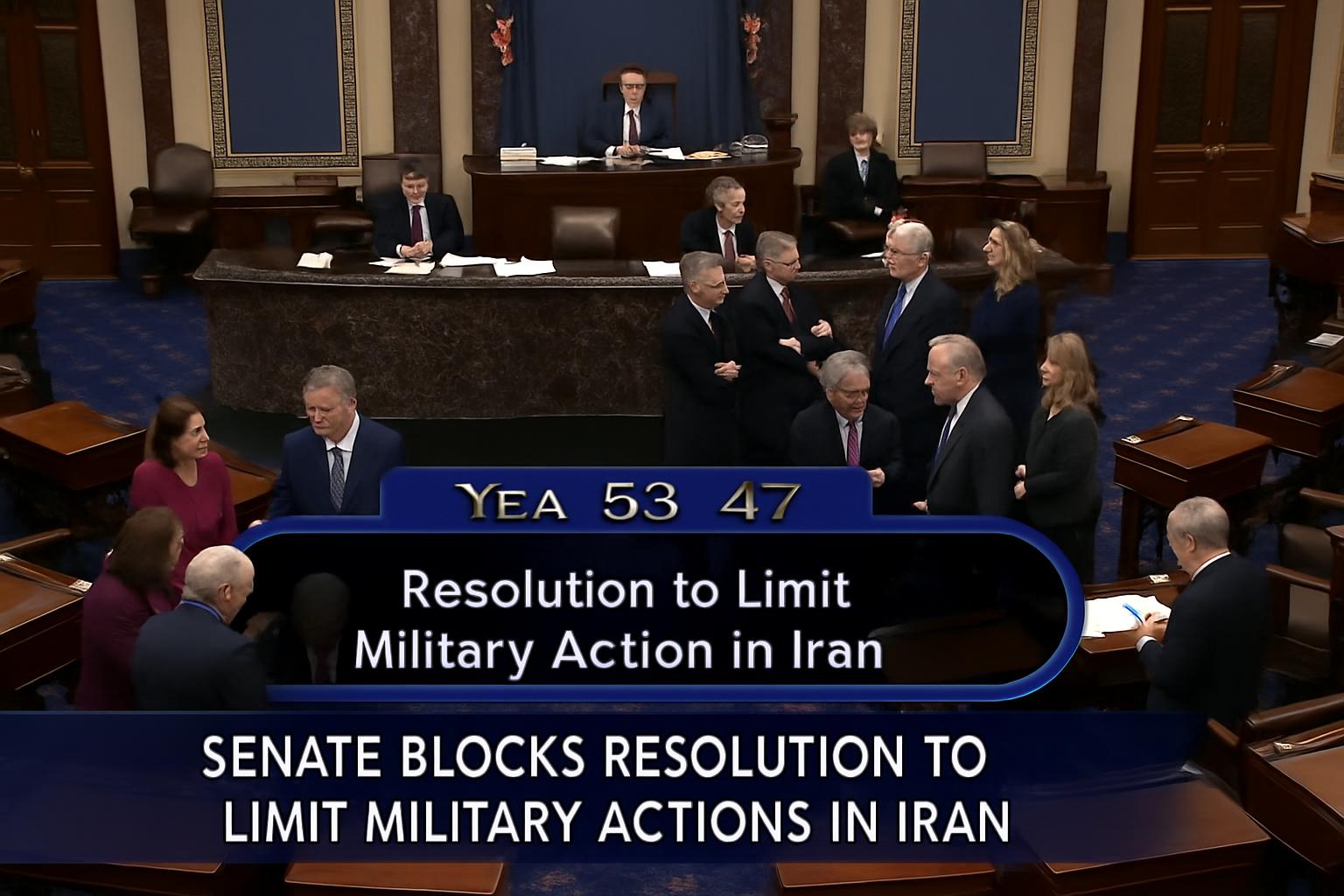
Senate Blocks Resolution to Limit Trump's Military Actions in Iran
UK-Iran Tensions: Starmer Defends Cautious Approach Amid Trump Criticism
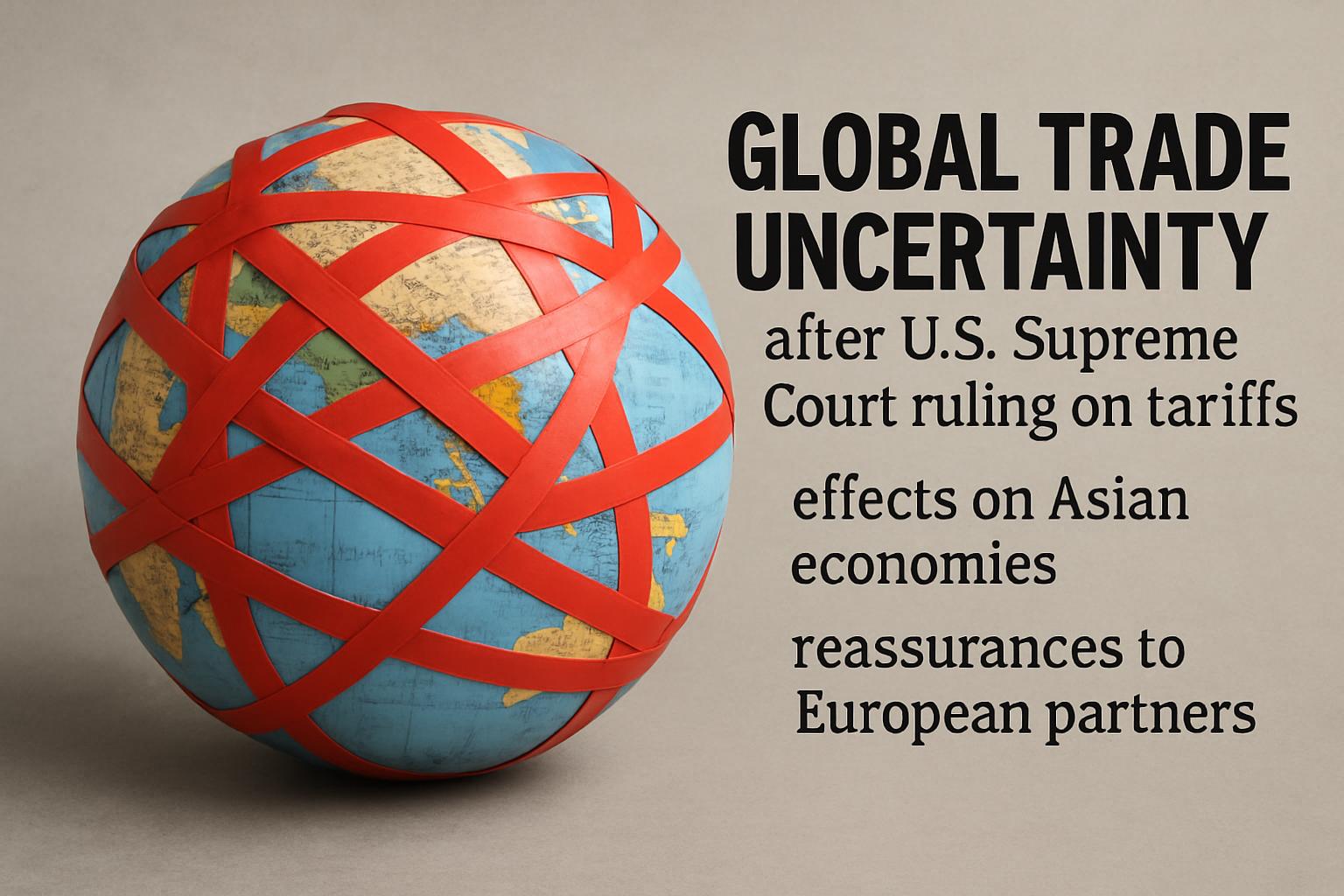
US Supreme Court Ruling Sparks Trade Uncertainty in Asia and Beyond
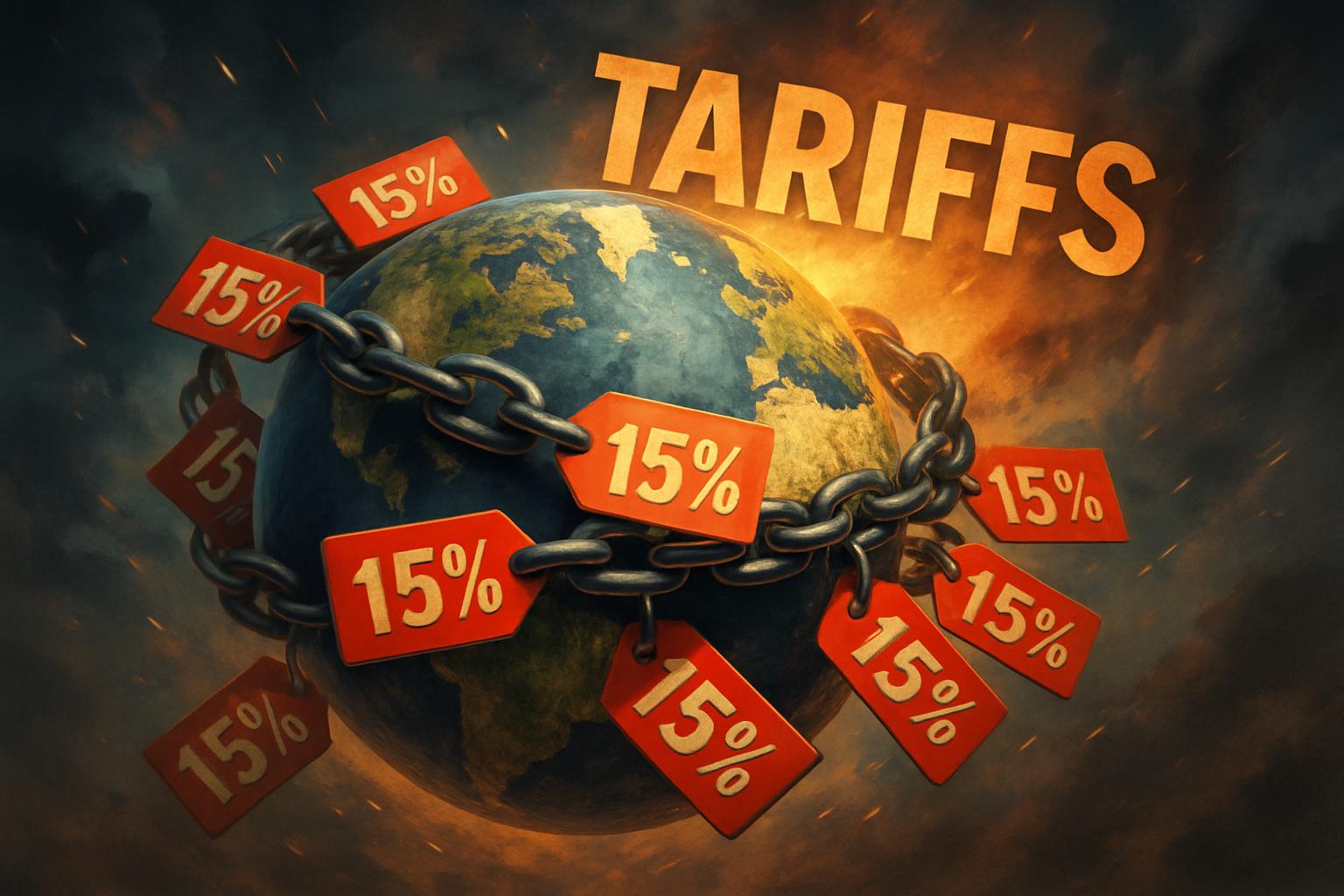
Trump's New Tariff Strategy Sparks Global Trade Uncertainty
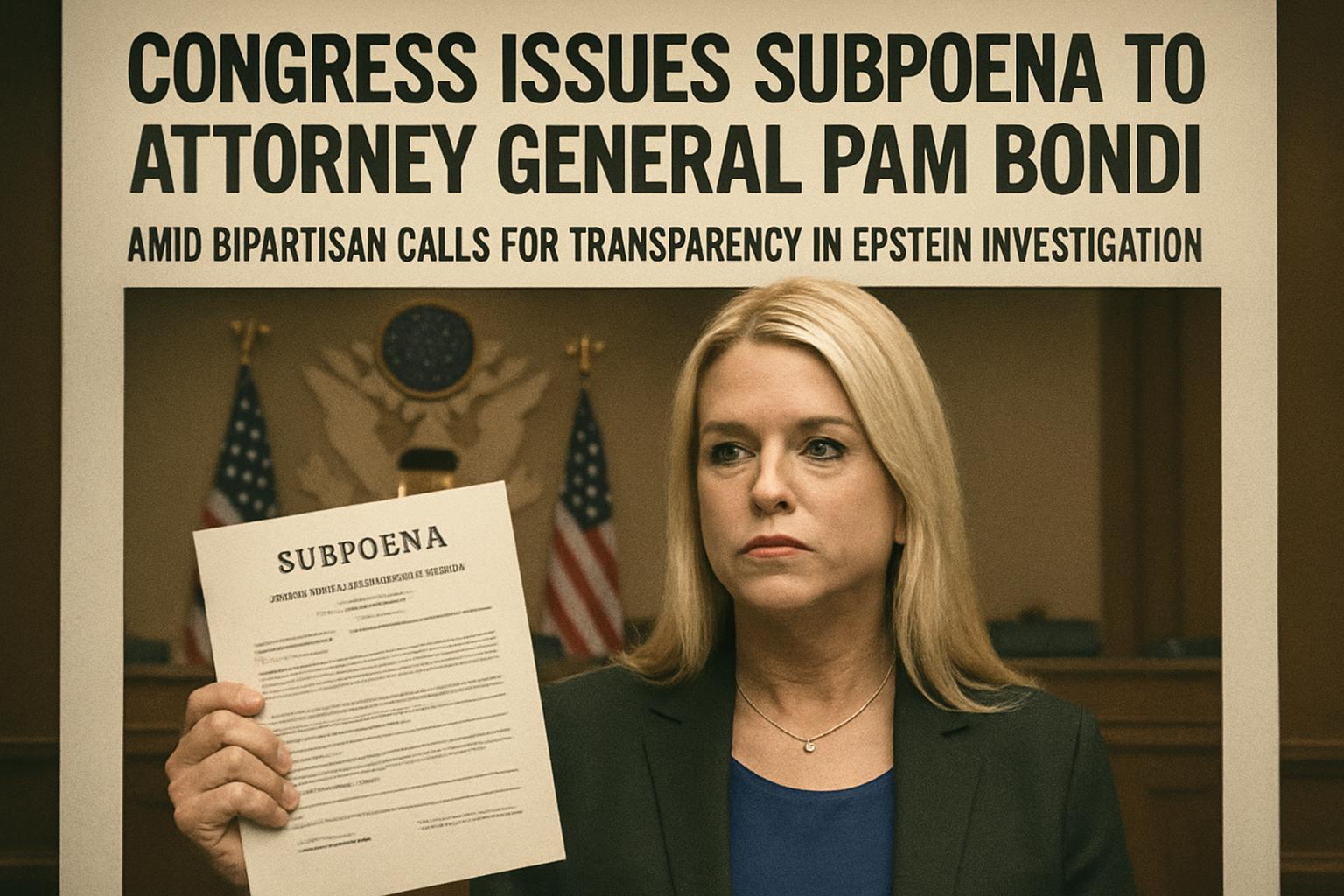
Congress Subpoenas Attorney General Bondi in Epstein Investigation
Trump's Greenland Deal Framework Sparks Skepticism Amid Tariff Relief
In This Article
 Ethan Brooks| Published
 HIGHLIGHTS
- President Trump announced a "framework of a future deal" on Greenland, easing tensions with European allies over tariffs.
- The proposed deal, discussed at the World Economic Forum, does not include US ownership of Greenland, but may involve mineral rights.
- NATO Secretary General Mark Rutte and Danish officials expressed caution, emphasizing the need to respect Danish sovereignty.
- Greenlandic lawmakers criticized the exclusion of Greenland from negotiations, questioning NATO's role in the talks.
- The US aims to prevent Russian and Chinese influence in Greenland, focusing on security and mineral resources.
President Donald Trump has announced a "framework of a future deal" concerning Greenland, following discussions with NATO allies. This announcement comes as Trump steps back from imposing tariffs on European countries, a move that had strained transatlantic relations. The talks, held at the World Economic Forum in Switzerland, have been described as "very productive" by both Trump and NATO, though details remain sparse.
Framework Without Ownership
Despite Trump's previous ambitions for US ownership of Greenland, the current framework does not include such terms. Instead, discussions have centered around potential mineral rights and security arrangements in the Arctic region. Trump emphasized the strategic importance of Greenland's untapped reserves of rare earth minerals, which are crucial for modern technologies. "It's the ultimate long-term deal," Trump stated, highlighting the security and economic benefits.
Diplomatic Reactions and Concerns
Danish Foreign Minister Lars Løkke Rasmussen expressed cautious optimism, noting the need to address American security concerns while respecting Denmark's sovereignty. NATO Secretary General Mark Rutte, who was involved in the negotiations, acknowledged that significant work remains. However, Greenlandic lawmakers have voiced frustration over their exclusion from the talks, questioning NATO's involvement in matters of Greenland's sovereignty.
Strategic Implications
The US aims to prevent Russian and Chinese influence in Greenland, focusing on security and mineral resources. The proposed framework could allow the US to expand its military presence and mine for minerals without Danish approval. However, the specifics of the deal, including any formal agreements, remain unclear.
WHAT THIS MIGHT MEAN
The announcement of a framework deal on Greenland marks a significant shift in US-European relations, potentially easing tensions over tariffs. However, the lack of concrete details and Greenland's exclusion from negotiations could lead to further diplomatic challenges. Experts suggest that any agreement must carefully balance US strategic interests with the sovereignty concerns of Denmark and Greenland. As talks continue, the focus will likely remain on preventing external influences in the Arctic, with potential implications for global security dynamics.
Related Articles
Spain's Sánchez Stands Firm Against Trump's Trade Threat Over Iran Stance
Senate Blocks Resolution to Limit Trump's Military Actions in Iran
UK-Iran Tensions: Starmer Defends Cautious Approach Amid Trump Criticism
US Supreme Court Ruling Sparks Trade Uncertainty in Asia and Beyond
Trump's New Tariff Strategy Sparks Global Trade Uncertainty
Congress Subpoenas Attorney General Bondi in Epstein Investigation