
Trump’s Greenland Ambitions Spark Diplomatic Tensions and Tariff Threats
In This Article
HIGHLIGHTS
- President Trump has threatened tariffs on countries opposing his plan to annex Greenland, citing national security concerns.
- A bipartisan US congressional delegation visited Greenland to express solidarity with Denmark against Trump's military intervention threats.
- European allies, including France and Germany, have deployed troops to Greenland, emphasizing the Arctic's importance as a joint NATO responsibility.
- Denmark and Greenland leaders have firmly opposed the annexation, warning it could destabilize NATO and transatlantic relations.
- Trump's envoy to Greenland insists a deal for US control is feasible, highlighting ongoing diplomatic tensions.
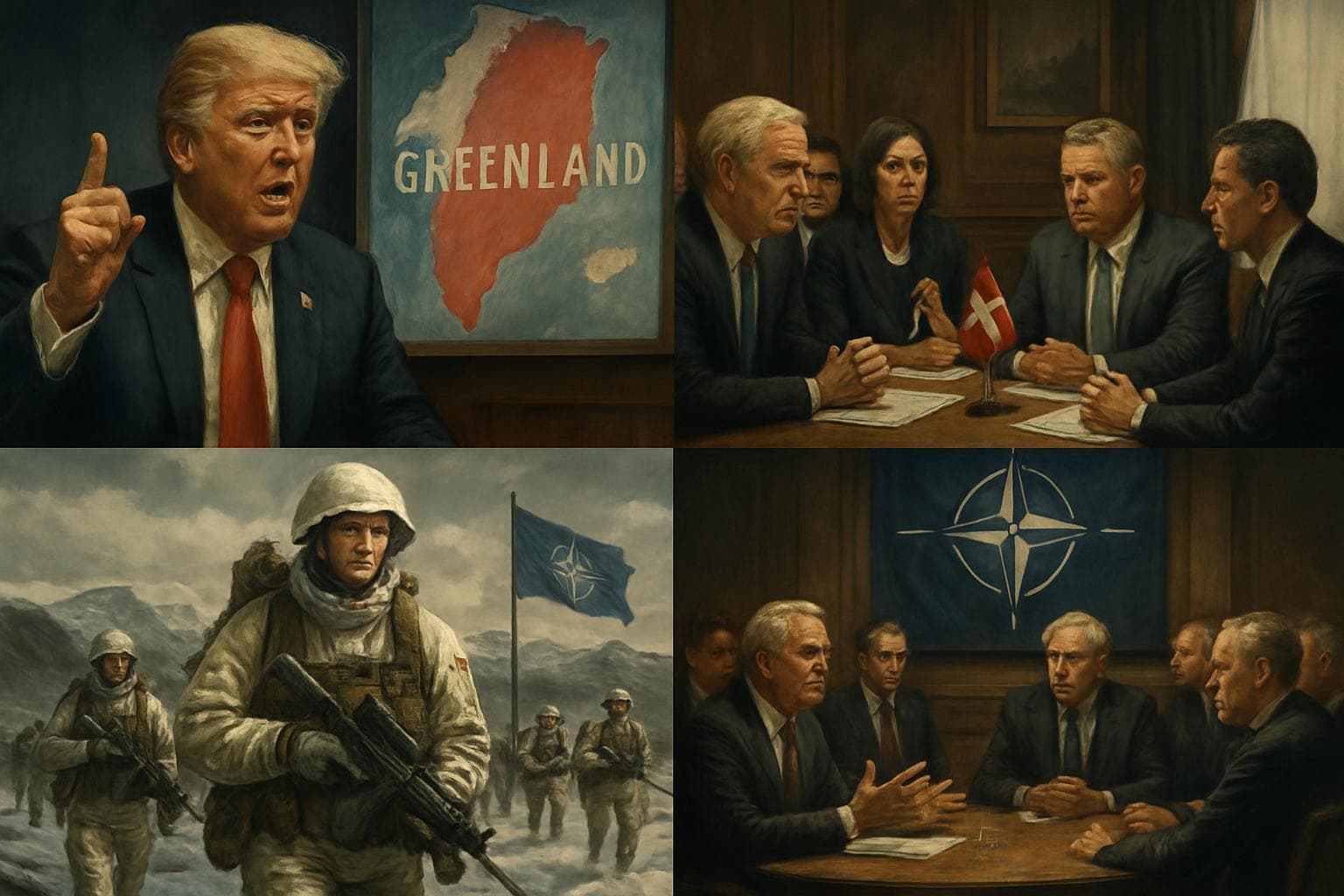
President Donald Trump has escalated tensions with European allies by threatening tariffs on countries that oppose his controversial plan to annex Greenland. Speaking at a White House event, Trump emphasized the strategic importance of Greenland for US national security, suggesting that tariffs could be imposed on nations that do not support his ambitions.
Diplomatic Visits and Military Concerns
Amid these developments, a bipartisan US congressional delegation, including Senators Thom Tillis, Lisa Murkowski, and Chris Coons, traveled to Greenland to meet with Danish Prime Minister Mette Frederiksen and Greenlandic leader Jens-Frederik Nielsen. The visit aimed to demonstrate US solidarity with Denmark and Greenland, countering Trump's threats of military intervention. Senator Murkowski stressed that Greenland should be viewed as an ally, not an asset.
European nations have responded by deploying troops to Greenland, underscoring the Arctic's significance as a shared NATO responsibility. French President Emmanuel Macron announced the dispatch of "land, air, and sea assets" to the region, reinforcing European support for Denmark.
US-Denmark Relations Under Strain
Denmark has firmly rejected Trump's annexation proposal, warning that any military action could fracture the NATO alliance. Danish Foreign Minister Lars Løkke Rasmussen emphasized that Greenland's sovereignty is non-negotiable, stating, "You trade with people, but you don’t trade people."
Trump's special envoy to Greenland, Jeff Landry, remains optimistic about reaching a deal, asserting that the US president is serious about acquiring the territory. However, the diplomatic strain is palpable, with Greenland's leaders expressing anxiety over the potential for US aggression.
European Allies Stand Firm
The crisis has prompted European leaders to reconsider their reliance on the US for security. Kristine Berzina of the German Marshall Fund noted that the Greenland situation challenges Europe's ability to defend its own territory and rights. Despite the diplomatic disadvantage, European nations are determined to uphold Greenland's sovereignty.
WHAT THIS MIGHT MEAN
The ongoing tensions over Greenland could have significant implications for US-European relations and the future of the NATO alliance. If Trump proceeds with tariffs, it may provoke retaliatory measures from European countries, further straining transatlantic ties. Experts suggest that Europe's response to this crisis could redefine its role in global security and its relationship with the US. As diplomatic negotiations continue, the situation remains fluid, with potential for either resolution or escalation in the coming months.
Related Articles

Greenland Politely Declines Trump's Hospital Ship Offer Amid Healthcare Debate
Spain's Sánchez Stands Firm Against Trump's Trade Threat Over Iran Stance
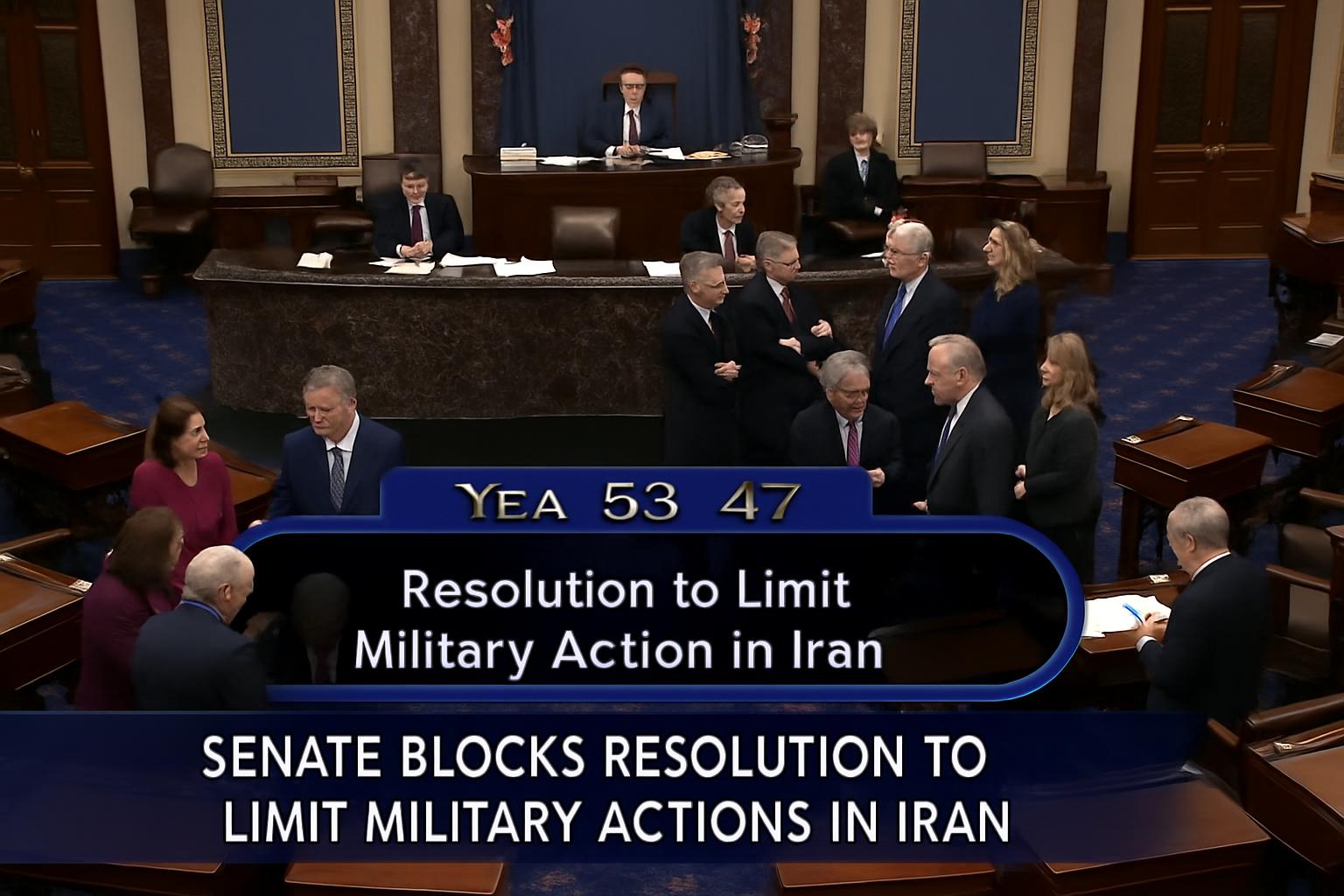
Senate Blocks Resolution to Limit Trump's Military Actions in Iran
UK-Iran Tensions: Starmer Defends Cautious Approach Amid Trump Criticism

US-Iran Tensions Escalate Amid Renewed Nuclear Talks and Protests

Tech Giants Pledge to Cover AI Data Center Energy Costs Amid Rising Electricity Concerns
Trump’s Greenland Ambitions Spark Diplomatic Tensions and Tariff Threats
In This Article
 Ethan Brooks| Published
 HIGHLIGHTS
- President Trump has threatened tariffs on countries opposing his plan to annex Greenland, citing national security concerns.
- A bipartisan US congressional delegation visited Greenland to express solidarity with Denmark against Trump's military intervention threats.
- European allies, including France and Germany, have deployed troops to Greenland, emphasizing the Arctic's importance as a joint NATO responsibility.
- Denmark and Greenland leaders have firmly opposed the annexation, warning it could destabilize NATO and transatlantic relations.
- Trump's envoy to Greenland insists a deal for US control is feasible, highlighting ongoing diplomatic tensions.
President Donald Trump has escalated tensions with European allies by threatening tariffs on countries that oppose his controversial plan to annex Greenland. Speaking at a White House event, Trump emphasized the strategic importance of Greenland for US national security, suggesting that tariffs could be imposed on nations that do not support his ambitions.
Diplomatic Visits and Military Concerns
Amid these developments, a bipartisan US congressional delegation, including Senators Thom Tillis, Lisa Murkowski, and Chris Coons, traveled to Greenland to meet with Danish Prime Minister Mette Frederiksen and Greenlandic leader Jens-Frederik Nielsen. The visit aimed to demonstrate US solidarity with Denmark and Greenland, countering Trump's threats of military intervention. Senator Murkowski stressed that Greenland should be viewed as an ally, not an asset.
European nations have responded by deploying troops to Greenland, underscoring the Arctic's significance as a shared NATO responsibility. French President Emmanuel Macron announced the dispatch of "land, air, and sea assets" to the region, reinforcing European support for Denmark.
US-Denmark Relations Under Strain
Denmark has firmly rejected Trump's annexation proposal, warning that any military action could fracture the NATO alliance. Danish Foreign Minister Lars Løkke Rasmussen emphasized that Greenland's sovereignty is non-negotiable, stating, "You trade with people, but you don’t trade people."
Trump's special envoy to Greenland, Jeff Landry, remains optimistic about reaching a deal, asserting that the US president is serious about acquiring the territory. However, the diplomatic strain is palpable, with Greenland's leaders expressing anxiety over the potential for US aggression.
European Allies Stand Firm
The crisis has prompted European leaders to reconsider their reliance on the US for security. Kristine Berzina of the German Marshall Fund noted that the Greenland situation challenges Europe's ability to defend its own territory and rights. Despite the diplomatic disadvantage, European nations are determined to uphold Greenland's sovereignty.
WHAT THIS MIGHT MEAN
The ongoing tensions over Greenland could have significant implications for US-European relations and the future of the NATO alliance. If Trump proceeds with tariffs, it may provoke retaliatory measures from European countries, further straining transatlantic ties. Experts suggest that Europe's response to this crisis could redefine its role in global security and its relationship with the US. As diplomatic negotiations continue, the situation remains fluid, with potential for either resolution or escalation in the coming months.
Related Articles
Greenland Politely Declines Trump's Hospital Ship Offer Amid Healthcare Debate
Spain's Sánchez Stands Firm Against Trump's Trade Threat Over Iran Stance
Senate Blocks Resolution to Limit Trump's Military Actions in Iran
UK-Iran Tensions: Starmer Defends Cautious Approach Amid Trump Criticism
US-Iran Tensions Escalate Amid Renewed Nuclear Talks and Protests
Tech Giants Pledge to Cover AI Data Center Energy Costs Amid Rising Electricity Concerns