
Trump's National Security Strategy Sparks Concerns Over US-EU Relations
In This Article
HIGHLIGHTS
- Liberal Democrat leader Sir Ed Davey urges the UK Prime Minister to oppose Donald Trump's national security strategy, which he finds "deeply alarming."
- The US strategy suggests Europe faces "civilisational erasure" and proposes supporting far-right parties, raising concerns about interference in European democracy.
- Trump's strategy criticizes European migration policies and adopts a softer stance towards Russia, which the Kremlin has welcomed.
- A survey reveals nearly half of EU citizens view Trump as an adversary, reflecting growing unease about US-EU relations.
- The strategy's implications for the US-EU alliance are significant, with experts warning of potential ideological warfare and shifts in global power dynamics.
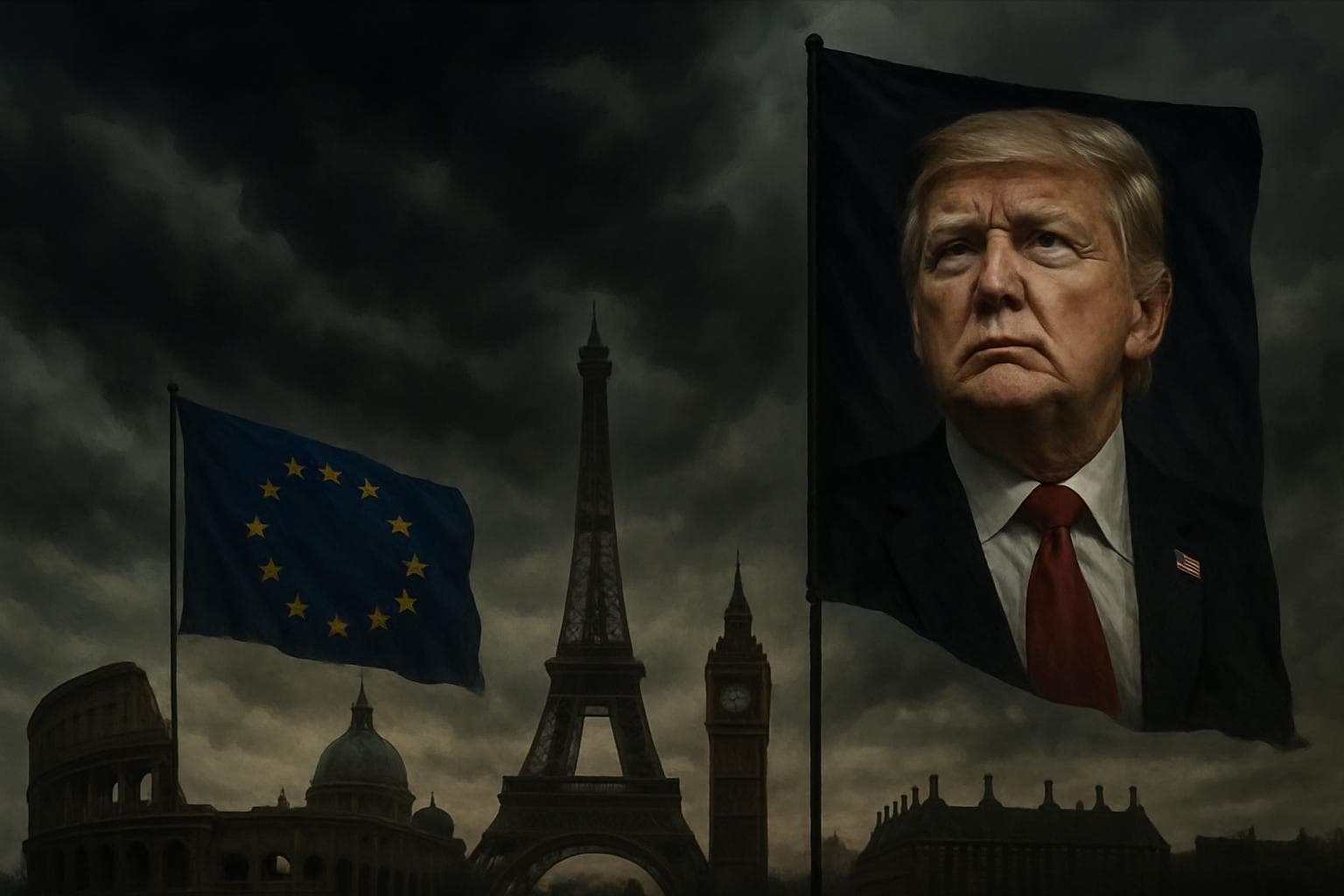
The unveiling of Donald Trump's new national security strategy has ignited a wave of concern across Europe, with political leaders and citizens alike questioning the implications for transatlantic relations. The strategy, which was published last week, has been described by Liberal Democrat leader Sir Ed Davey as "deeply alarming," prompting him to urge the UK Prime Minister to stand firm against any attempts by Trump to interfere with European democracy.
Alarming Shift in US Foreign Policy
The 30-page document marks a significant departure from the traditional ethos that has underpinned the US-EU alliance since World War II. It warns of "civilisational erasure" in Europe and suggests that the US should support far-right parties to restore national sovereignties. This shift has been met with criticism, as it appears to legitimize conspiracy theories and undermine liberal democracy in Europe.
Criticism of European Policies
Trump's strategy criticizes European migration policies, blaming them for creating societal strife. In an interview with Politico, Trump labeled European leaders as "weak" and accused them of failing to control migration or effectively address the ongoing conflict in Ukraine. The strategy also adopts a more conciliatory tone towards Russia, a move that has been welcomed by the Kremlin.
European Response and Concerns
A recent survey conducted across nine European countries reveals that nearly half of EU citizens view Trump as an adversary, reflecting widespread apprehension about his foreign policy approach. Dutch political scientist Cas Mudde warns that Europe must now consider the US a "willing adversary," as the strategy suggests a willingness to engage in ideological warfare.
Implications for the Transatlantic Alliance
The strategy's implications for the US-EU alliance are profound. Experts predict that as the US pulls back militarily, it may exert pressure through other means to reshape Europe politically. This could involve demands for protection of far-right free speech and a reevaluation of the US's relationship with Russia, raising questions about the future of global power dynamics.
WHAT THIS MIGHT MEAN
The publication of Trump's national security strategy could lead to a reevaluation of the US-EU relationship, potentially straining the transatlantic alliance. European leaders may need to reassess their diplomatic strategies and consider strengthening internal cohesion to counter perceived US interference. The softer stance towards Russia could also shift geopolitical alliances, prompting Europe to seek alternative partnerships. As the situation evolves, the international community will be closely watching for any shifts in policy or rhetoric that could further impact global stability.
Related Articles

Russian LNG Tanker Sinks in Mediterranean Amid Accusations of Ukrainian Drone Attack

US and Israel Intensify Military Campaign as Iran's Capabilities Dwindle

Intensified US-Israel Strikes on Iran Spark Global Outcry

Senate Blocks Resolution to Limit Trump's Military Actions in Iran

UK-Iran Tensions: Starmer Defends Cautious Approach Amid Trump Criticism
Spain's Sánchez Stands Firm Against Trump's Trade Threat Over Iran Stance
Trump's National Security Strategy Sparks Concerns Over US-EU Relations
In This Article
 Ethan Brooks| Published
 HIGHLIGHTS
- Liberal Democrat leader Sir Ed Davey urges the UK Prime Minister to oppose Donald Trump's national security strategy, which he finds "deeply alarming."
- The US strategy suggests Europe faces "civilisational erasure" and proposes supporting far-right parties, raising concerns about interference in European democracy.
- Trump's strategy criticizes European migration policies and adopts a softer stance towards Russia, which the Kremlin has welcomed.
- A survey reveals nearly half of EU citizens view Trump as an adversary, reflecting growing unease about US-EU relations.
- The strategy's implications for the US-EU alliance are significant, with experts warning of potential ideological warfare and shifts in global power dynamics.
The unveiling of Donald Trump's new national security strategy has ignited a wave of concern across Europe, with political leaders and citizens alike questioning the implications for transatlantic relations. The strategy, which was published last week, has been described by Liberal Democrat leader Sir Ed Davey as "deeply alarming," prompting him to urge the UK Prime Minister to stand firm against any attempts by Trump to interfere with European democracy.
Alarming Shift in US Foreign Policy
The 30-page document marks a significant departure from the traditional ethos that has underpinned the US-EU alliance since World War II. It warns of "civilisational erasure" in Europe and suggests that the US should support far-right parties to restore national sovereignties. This shift has been met with criticism, as it appears to legitimize conspiracy theories and undermine liberal democracy in Europe.
Criticism of European Policies
Trump's strategy criticizes European migration policies, blaming them for creating societal strife. In an interview with Politico, Trump labeled European leaders as "weak" and accused them of failing to control migration or effectively address the ongoing conflict in Ukraine. The strategy also adopts a more conciliatory tone towards Russia, a move that has been welcomed by the Kremlin.
European Response and Concerns
A recent survey conducted across nine European countries reveals that nearly half of EU citizens view Trump as an adversary, reflecting widespread apprehension about his foreign policy approach. Dutch political scientist Cas Mudde warns that Europe must now consider the US a "willing adversary," as the strategy suggests a willingness to engage in ideological warfare.
Implications for the Transatlantic Alliance
The strategy's implications for the US-EU alliance are profound. Experts predict that as the US pulls back militarily, it may exert pressure through other means to reshape Europe politically. This could involve demands for protection of far-right free speech and a reevaluation of the US's relationship with Russia, raising questions about the future of global power dynamics.
WHAT THIS MIGHT MEAN
The publication of Trump's national security strategy could lead to a reevaluation of the US-EU relationship, potentially straining the transatlantic alliance. European leaders may need to reassess their diplomatic strategies and consider strengthening internal cohesion to counter perceived US interference. The softer stance towards Russia could also shift geopolitical alliances, prompting Europe to seek alternative partnerships. As the situation evolves, the international community will be closely watching for any shifts in policy or rhetoric that could further impact global stability.
Related Articles
Russian LNG Tanker Sinks in Mediterranean Amid Accusations of Ukrainian Drone Attack
US and Israel Intensify Military Campaign as Iran's Capabilities Dwindle
Intensified US-Israel Strikes on Iran Spark Global Outcry
Senate Blocks Resolution to Limit Trump's Military Actions in Iran
UK-Iran Tensions: Starmer Defends Cautious Approach Amid Trump Criticism
Spain's Sánchez Stands Firm Against Trump's Trade Threat Over Iran Stance