
Trump's Tariff Strategy Shakes Global Trade Dynamics
In This Article
HIGHLIGHTS
- President Trump announced new tariffs on 68 countries, including Southeast Asian nations, with rates as high as 49%.
- Vietnam, heavily reliant on US exports, negotiated a reduction from 46% to 20%, though details remain unclear.
- Thailand, facing a 36% tariff, secured a reduction to 19% after complex negotiations influenced by domestic politics.
- The executive order also increased tariffs on Canadian goods from 25% to 35%, sparking tensions with Ottawa.
- Trump's tariff strategy aims to reshape global trade dynamics, impacting economies worldwide.
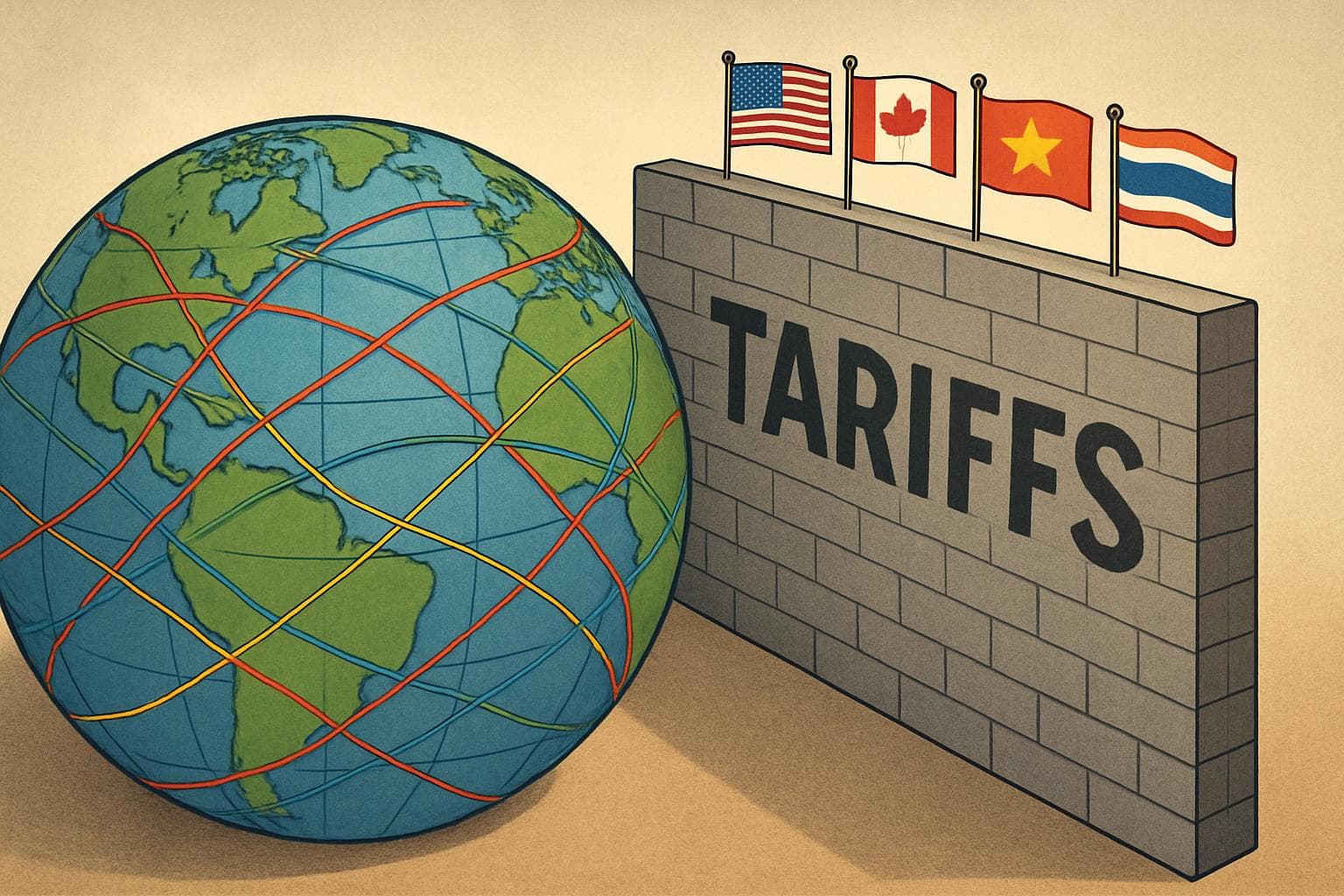
In a dramatic move that has sent ripples through the global economy, US President Donald Trump announced a sweeping set of tariffs affecting 68 countries, including key Southeast Asian exporters. The announcement, made on April 2, has particularly impacted nations whose economies are heavily reliant on exports to the United States.
Southeast Asia in the Crosshairs
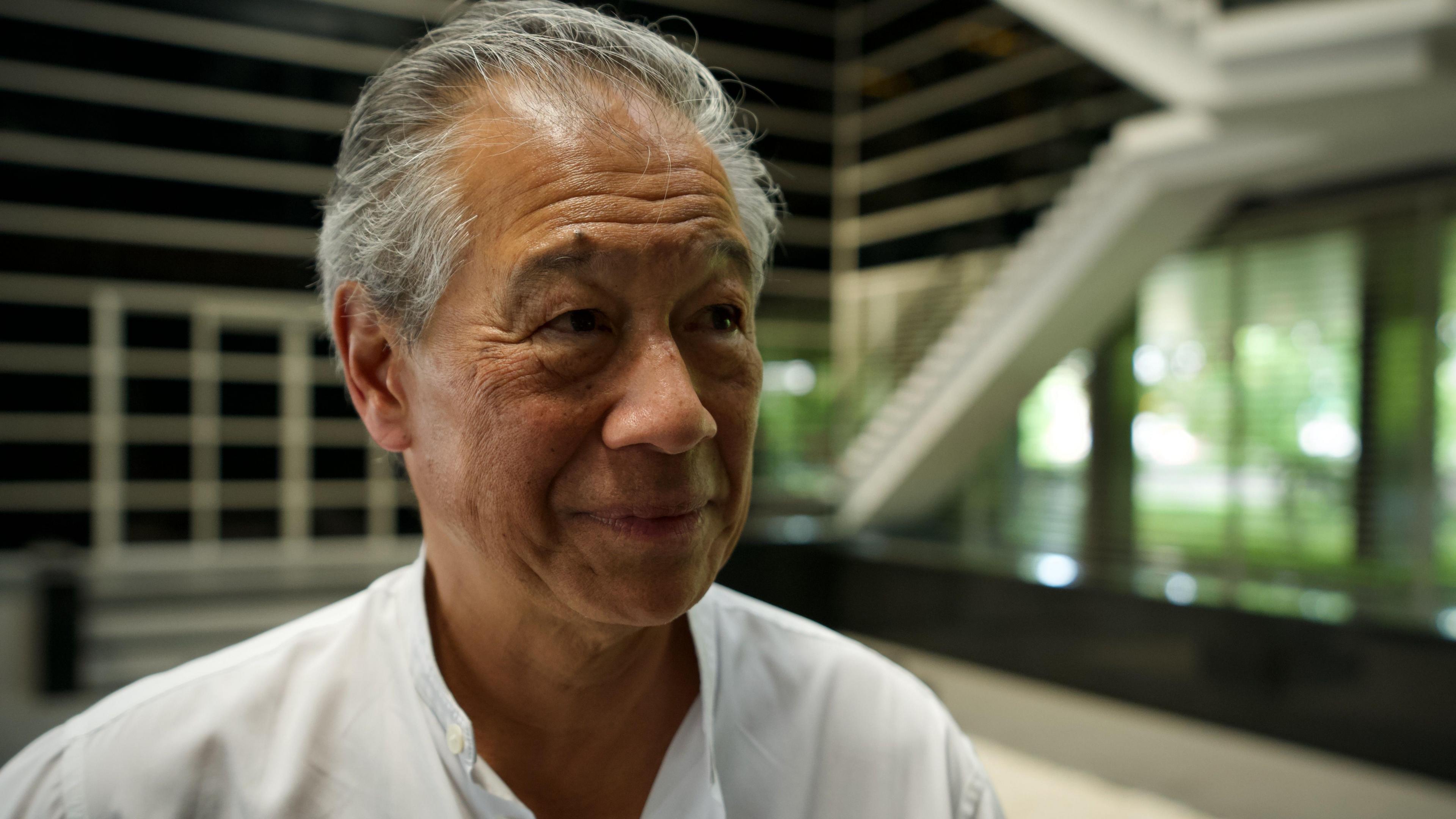
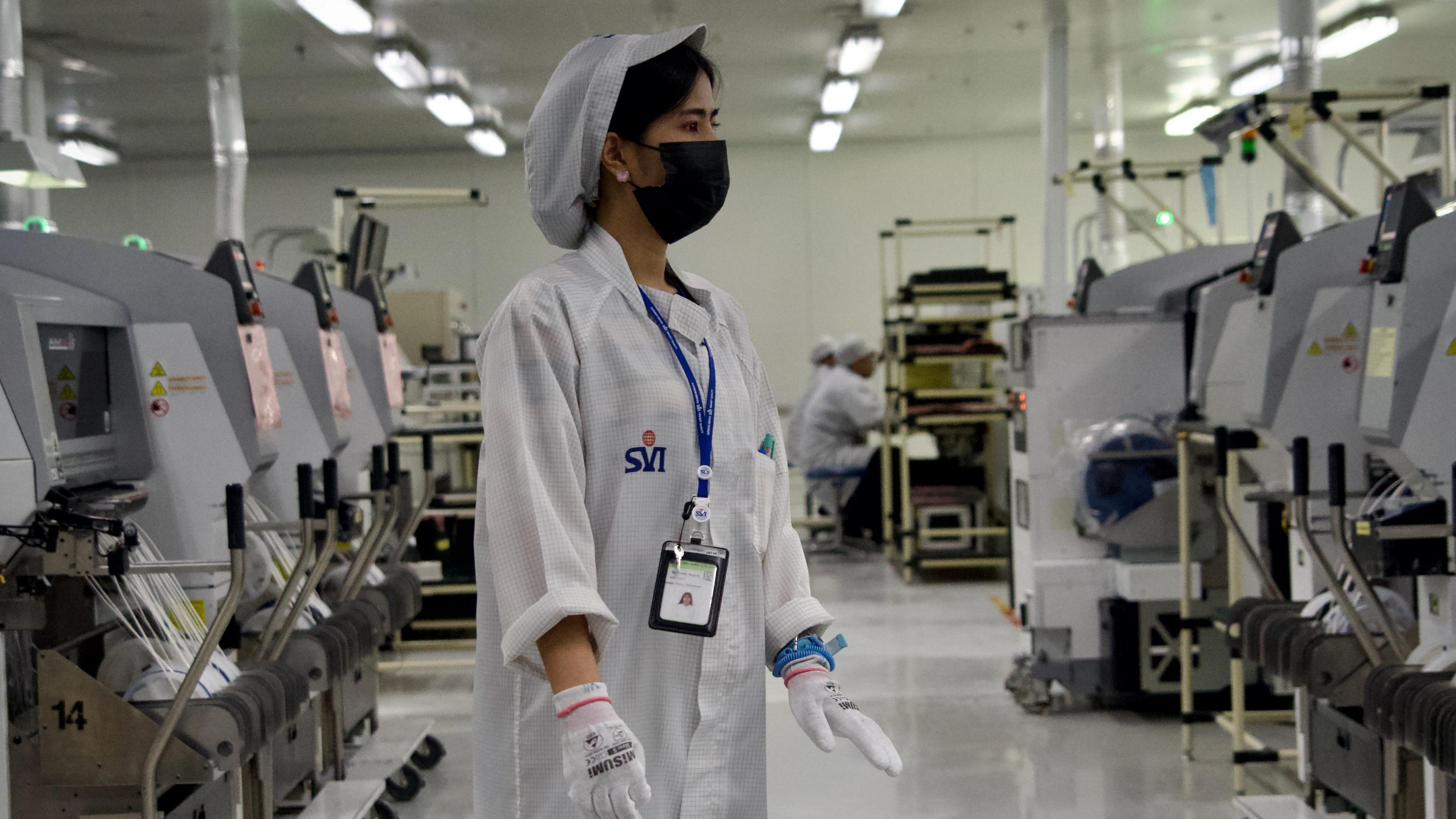
Southeast Asia, a region whose economic model is largely export-driven, was hit hard by Trump's tariff announcement. Countries like Thailand, Vietnam, and Malaysia faced levies as high as 49%, affecting industries from electronics to clothing. Richard Han of Thailand's Hana Microelectronics recalled the shock of seeing a 36% tariff imposed on his country's exports. After intense negotiations, Thailand managed to reduce this to 19%, but the process was fraught with challenges due to its complex domestic political landscape.
Vietnam's Swift Response
Vietnam, whose exports to the US account for about 30% of its GDP, was quick to negotiate a deal. Initially facing a 46% tariff, Vietnam secured a reduction to 20%. However, the lack of detailed documentation and conflicting reports about the agreement's specifics have left many questions unanswered. Despite this, Vietnam's swift action set a precedent for other ASEAN countries.
Canada Faces Increased Tariffs
In a separate but related move, Trump increased tariffs on Canadian goods from 25% to 35%, excluding those covered by the US-Mexico-Canada trade agreement. This decision has further strained US-Canada relations, especially after Trump's warning that Canada's recognition of a Palestinian state could complicate trade negotiations.
Global Trade Tensions Escalate
Trump's executive order, signed just hours before the August 1 deadline, reflects his administration's aggressive trade policy. By imposing tariffs ranging from 10% to 41% on various countries, Trump aims to renegotiate trade terms that he perceives as unfavorable to the US. This strategy has sparked global trade tensions, with Asian markets reacting negatively to the announcement.
WHAT THIS MIGHT MEAN
The implications of Trump's tariff strategy are far-reaching. For Southeast Asian countries, the immediate challenge is to adapt to the new trade landscape while minimizing economic disruption. Vietnam's proactive approach may serve as a model for others, but the lack of clarity in agreements could lead to future disputes.
For Canada, the increased tariffs could prompt a reevaluation of its trade strategy with the US, potentially leading to prolonged negotiations. The broader global impact includes heightened trade tensions and market volatility, as countries reassess their economic ties with the US.
Experts suggest that while Trump's tariffs aim to protect American interests, they could also lead to retaliatory measures from affected countries, further complicating international trade relations. As the situation evolves, the global economy will be closely watching for any shifts in US trade policy.
Images from the Web


Related Articles
Cuba Faces Widespread Blackout Amid Deepening Fuel Crisis

UK Faces Dilemmas Amid Iran Conflict and China Spying Allegations
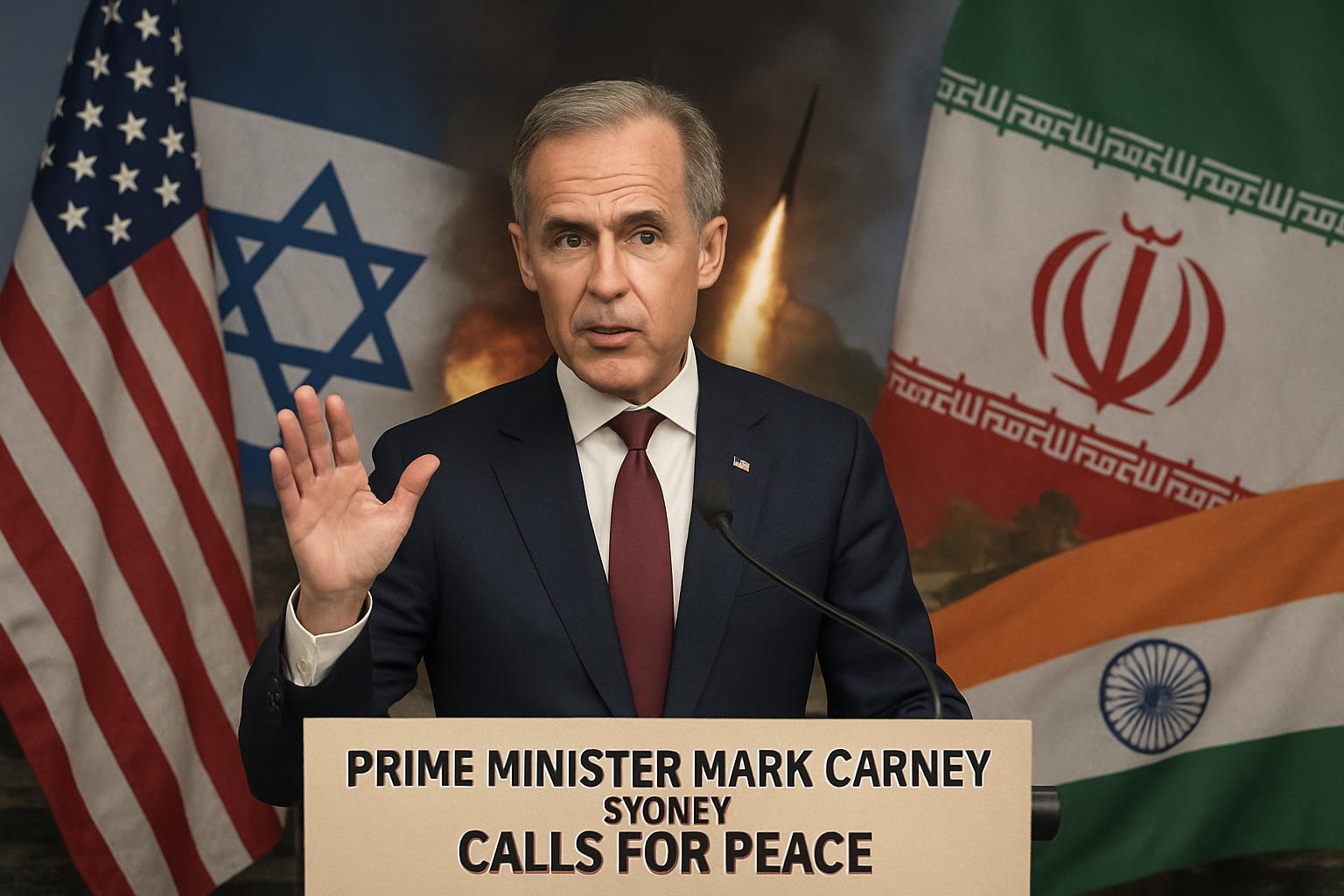
Canada Calls for De-escalation Amid US-Israel Strikes on Iran
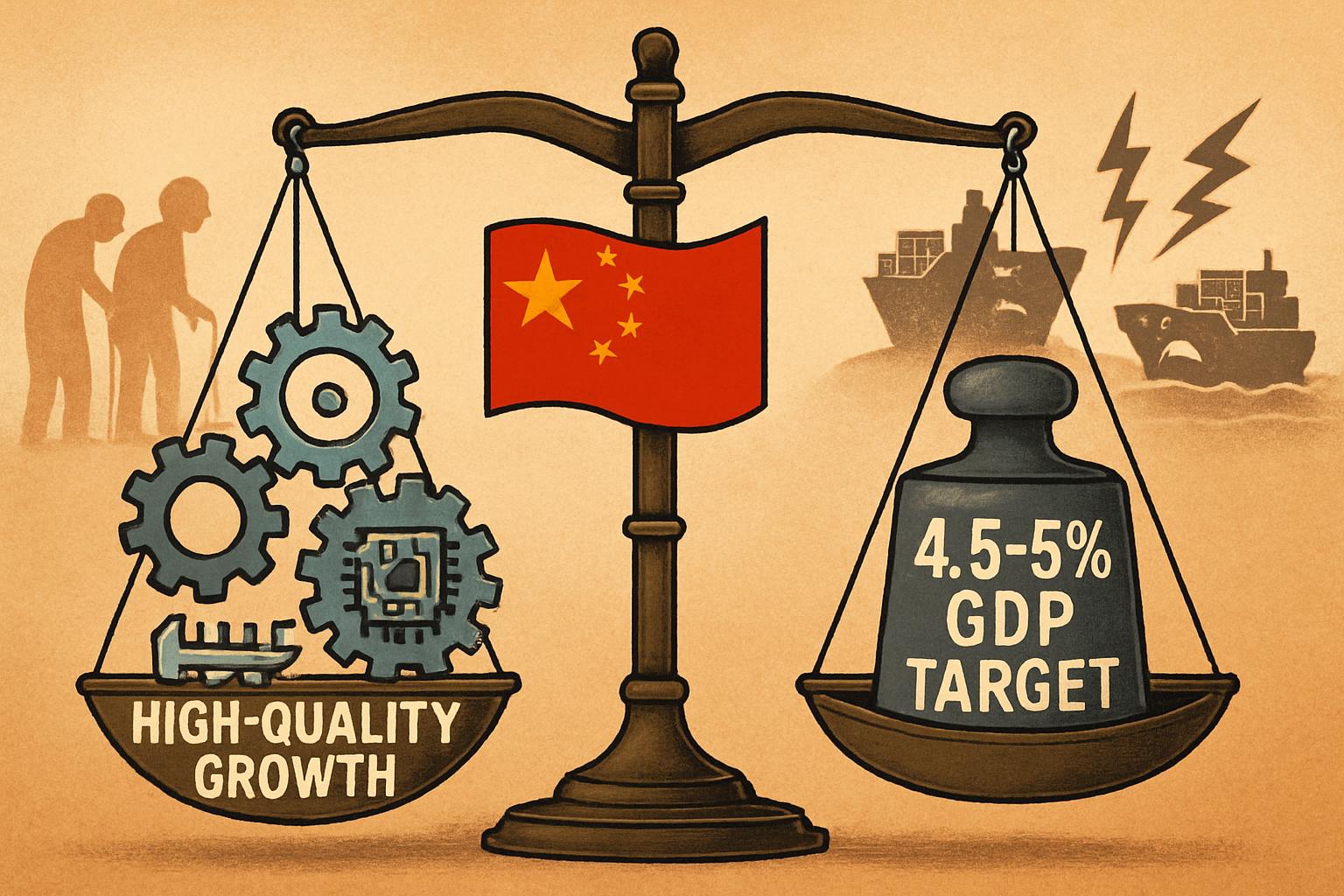
China Sets Lowest GDP Growth Target in Decades Amid Economic Challenges
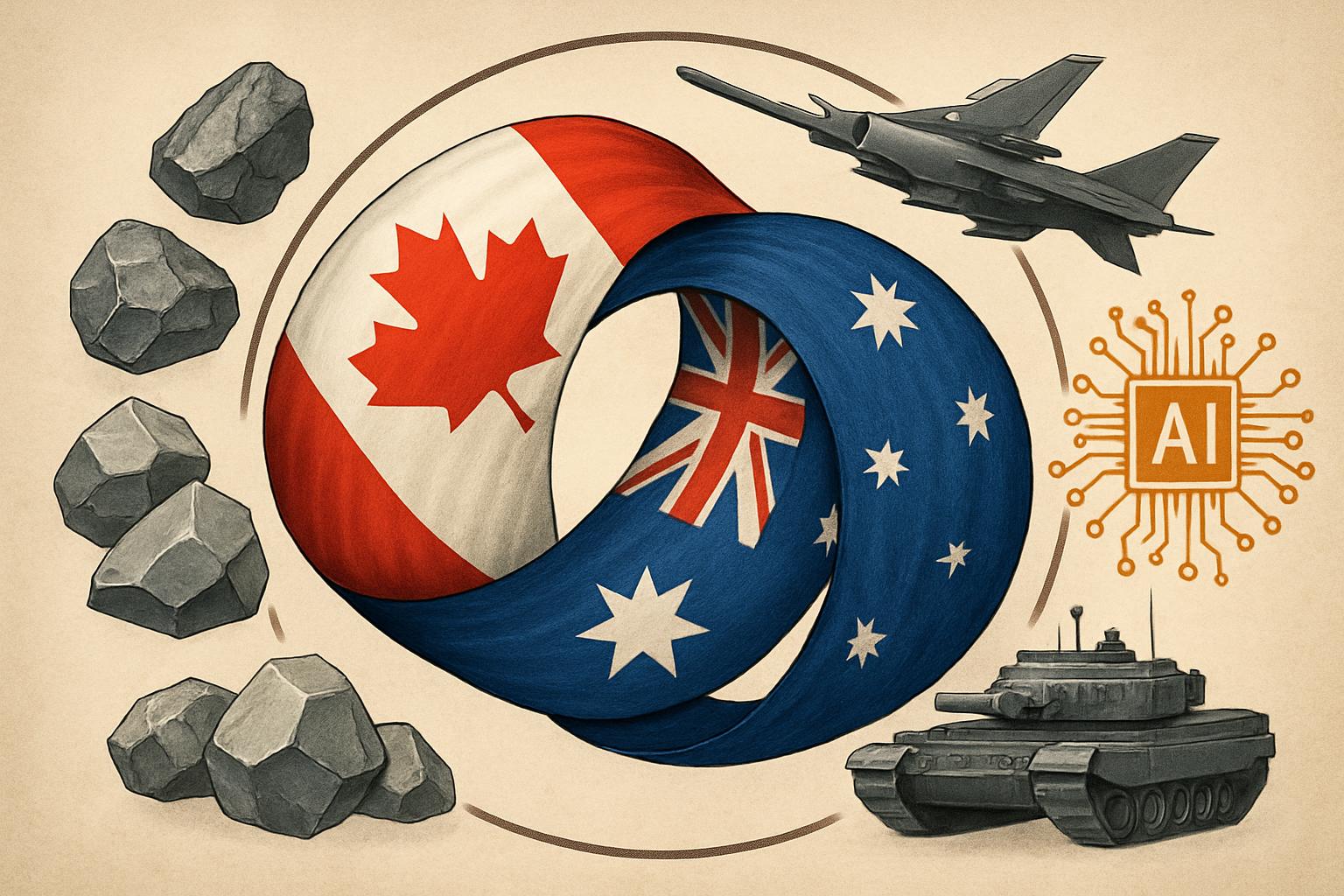
Canada and Australia Forge Strategic Partnership Amid Global Uncertainty

Tech Giants Pledge to Cover AI Data Center Energy Costs Amid Rising Electricity Concerns
Trump's Tariff Strategy Shakes Global Trade Dynamics
In This Article
HIGHLIGHTS
- President Trump announced new tariffs on 68 countries, including Southeast Asian nations, with rates as high as 49%.
- Vietnam, heavily reliant on US exports, negotiated a reduction from 46% to 20%, though details remain unclear.
- Thailand, facing a 36% tariff, secured a reduction to 19% after complex negotiations influenced by domestic politics.
- The executive order also increased tariffs on Canadian goods from 25% to 35%, sparking tensions with Ottawa.
- Trump's tariff strategy aims to reshape global trade dynamics, impacting economies worldwide.
In a dramatic move that has sent ripples through the global economy, US President Donald Trump announced a sweeping set of tariffs affecting 68 countries, including key Southeast Asian exporters. The announcement, made on April 2, has particularly impacted nations whose economies are heavily reliant on exports to the United States.
Southeast Asia in the Crosshairs
Southeast Asia, a region whose economic model is largely export-driven, was hit hard by Trump's tariff announcement. Countries like Thailand, Vietnam, and Malaysia faced levies as high as 49%, affecting industries from electronics to clothing. Richard Han of Thailand's Hana Microelectronics recalled the shock of seeing a 36% tariff imposed on his country's exports. After intense negotiations, Thailand managed to reduce this to 19%, but the process was fraught with challenges due to its complex domestic political landscape.
Vietnam's Swift Response
Vietnam, whose exports to the US account for about 30% of its GDP, was quick to negotiate a deal. Initially facing a 46% tariff, Vietnam secured a reduction to 20%. However, the lack of detailed documentation and conflicting reports about the agreement's specifics have left many questions unanswered. Despite this, Vietnam's swift action set a precedent for other ASEAN countries.
Canada Faces Increased Tariffs
In a separate but related move, Trump increased tariffs on Canadian goods from 25% to 35%, excluding those covered by the US-Mexico-Canada trade agreement. This decision has further strained US-Canada relations, especially after Trump's warning that Canada's recognition of a Palestinian state could complicate trade negotiations.
Global Trade Tensions Escalate
Trump's executive order, signed just hours before the August 1 deadline, reflects his administration's aggressive trade policy. By imposing tariffs ranging from 10% to 41% on various countries, Trump aims to renegotiate trade terms that he perceives as unfavorable to the US. This strategy has sparked global trade tensions, with Asian markets reacting negatively to the announcement.
WHAT THIS MIGHT MEAN
The implications of Trump's tariff strategy are far-reaching. For Southeast Asian countries, the immediate challenge is to adapt to the new trade landscape while minimizing economic disruption. Vietnam's proactive approach may serve as a model for others, but the lack of clarity in agreements could lead to future disputes.
For Canada, the increased tariffs could prompt a reevaluation of its trade strategy with the US, potentially leading to prolonged negotiations. The broader global impact includes heightened trade tensions and market volatility, as countries reassess their economic ties with the US.
Experts suggest that while Trump's tariffs aim to protect American interests, they could also lead to retaliatory measures from affected countries, further complicating international trade relations. As the situation evolves, the global economy will be closely watching for any shifts in US trade policy.
Images from the Web
Related Articles
Cuba Faces Widespread Blackout Amid Deepening Fuel Crisis
UK Faces Dilemmas Amid Iran Conflict and China Spying Allegations
Canada Calls for De-escalation Amid US-Israel Strikes on Iran
China Sets Lowest GDP Growth Target in Decades Amid Economic Challenges
Canada and Australia Forge Strategic Partnership Amid Global Uncertainty
Tech Giants Pledge to Cover AI Data Center Energy Costs Amid Rising Electricity Concerns