
Turkey to Host COP31 Climate Conference Following Australia’s Withdrawal
In This Article
HIGHLIGHTS
- Turkey will host the COP31 climate conference in 2026 after Australia withdrew its bid, agreeing to a compromise where Australia will lead negotiations.
- The decision was reached during COP30 in Brazil, with Australia's climate minister, Chris Bowen, set to preside over the talks.
- Pacific island nations expressed disappointment, feeling sidelined despite their vulnerability to climate change impacts.
- The compromise includes a pre-COP event on a Pacific island, highlighting the region's climate challenges.
- Australia's withdrawal from hosting has sparked criticism over its commitment to climate action and the influence of fossil fuel interests.
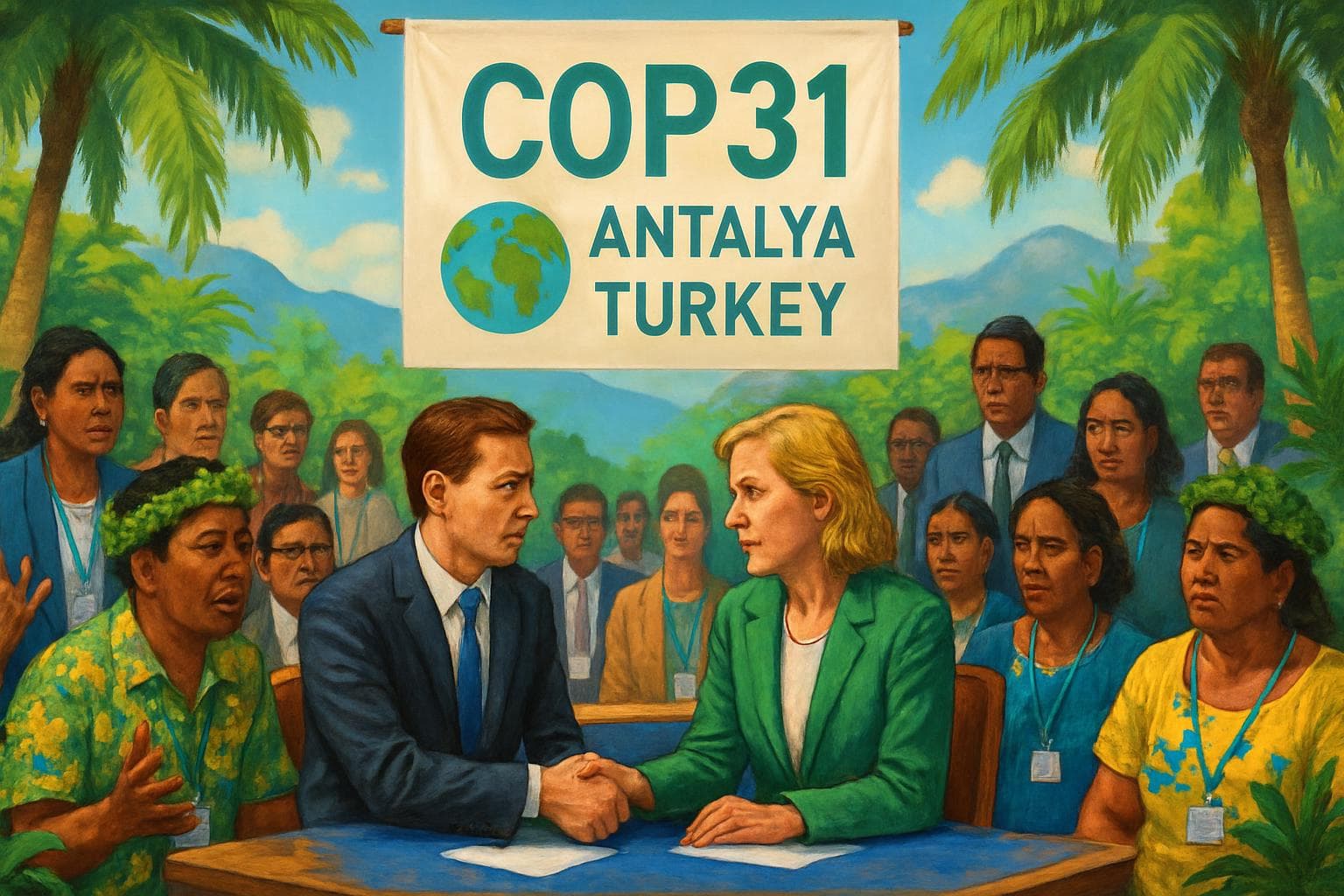
In a surprising turn of events, Turkey has been selected to host the COP31 climate conference in 2026 after Australia stepped back from its bid. This decision emerged from negotiations at the COP30 summit in Belém, Brazil, where Australia agreed to a compromise allowing its climate minister, Chris Bowen, to lead the conference negotiations despite the event being held in Turkey.
A Compromise Reached
The arrangement, described as unprecedented, was brokered between Bowen and Turkish climate minister Murat Kurum. Under this deal, Turkey will host the main event in Antalya, while Australia will assume a significant role in steering the discussions. This compromise was necessary to avoid the conference defaulting to Bonn, Germany, the headquarters of the UN's climate body, due to a lack of consensus.
Pacific Nations' Discontent
The decision has not been without controversy. Pacific island nations, which are among the most vulnerable to climate change, expressed dissatisfaction with the outcome. Papua New Guinea's Foreign Minister, Justin Tkatchenko, voiced his disappointment, criticizing the COP process as ineffective in holding major polluters accountable. The Pacific region had hoped to co-host the event with Australia, bringing attention to their climate challenges.
Australia's Climate Commitment Questioned
Australia's withdrawal has raised questions about its commitment to climate action. Critics argue that the decision reflects a lack of prioritization of climate issues by the Australian government, which has historically benefited from fossil fuel exports. Former Tuvalu Prime Minister Bikenibeu Paeniu remarked on Australia's perceived lack of commitment to climate justice, urging Pacific nations to reconsider their relationship with Australia.
Looking Ahead
Despite the setback, the compromise includes a pre-COP event on a Pacific island, intended to focus on the region's climate resilience. This event aims to highlight the existential threats faced by these nations due to rising sea levels and climate-induced disasters.
WHAT THIS MIGHT MEAN
The decision to host COP31 in Turkey, with Australia leading negotiations, presents both challenges and opportunities. On one hand, it allows for a unique collaboration that could potentially elevate the voices of Pacific nations on the global stage. On the other hand, it underscores the complexities of international climate diplomacy, where geopolitical interests often intersect with environmental imperatives.
Moving forward, the success of this arrangement will depend on the ability of both Turkey and Australia to work collaboratively, ensuring that the conference effectively addresses the urgent climate issues facing the world. The focus on the Pacific region during the pre-COP event could serve as a critical platform for advocating stronger global climate action, provided that the commitments made translate into tangible outcomes.
Related Articles

Canada and Australia Forge Strategic Partnership Amid Global Uncertainty

Canada Calls for De-escalation Amid US-Israel Strikes on Iran

Trump's New Tariff Strategy Sparks Global Trade Uncertainty

US-Iran Tensions Escalate Amid Renewed Nuclear Talks and Protests

St Francis of Assisi's Bones Draw Global Pilgrims to Italy

Russia-Ukraine Conflict: Four Years of Unyielding Struggle and Human Resilience
Turkey to Host COP31 Climate Conference Following Australia’s Withdrawal
In This Article
HIGHLIGHTS
- Turkey will host the COP31 climate conference in 2026 after Australia withdrew its bid, agreeing to a compromise where Australia will lead negotiations.
- The decision was reached during COP30 in Brazil, with Australia's climate minister, Chris Bowen, set to preside over the talks.
- Pacific island nations expressed disappointment, feeling sidelined despite their vulnerability to climate change impacts.
- The compromise includes a pre-COP event on a Pacific island, highlighting the region's climate challenges.
- Australia's withdrawal from hosting has sparked criticism over its commitment to climate action and the influence of fossil fuel interests.
In a surprising turn of events, Turkey has been selected to host the COP31 climate conference in 2026 after Australia stepped back from its bid. This decision emerged from negotiations at the COP30 summit in Belém, Brazil, where Australia agreed to a compromise allowing its climate minister, Chris Bowen, to lead the conference negotiations despite the event being held in Turkey.
A Compromise Reached
The arrangement, described as unprecedented, was brokered between Bowen and Turkish climate minister Murat Kurum. Under this deal, Turkey will host the main event in Antalya, while Australia will assume a significant role in steering the discussions. This compromise was necessary to avoid the conference defaulting to Bonn, Germany, the headquarters of the UN's climate body, due to a lack of consensus.
Pacific Nations' Discontent
The decision has not been without controversy. Pacific island nations, which are among the most vulnerable to climate change, expressed dissatisfaction with the outcome. Papua New Guinea's Foreign Minister, Justin Tkatchenko, voiced his disappointment, criticizing the COP process as ineffective in holding major polluters accountable. The Pacific region had hoped to co-host the event with Australia, bringing attention to their climate challenges.
Australia's Climate Commitment Questioned
Australia's withdrawal has raised questions about its commitment to climate action. Critics argue that the decision reflects a lack of prioritization of climate issues by the Australian government, which has historically benefited from fossil fuel exports. Former Tuvalu Prime Minister Bikenibeu Paeniu remarked on Australia's perceived lack of commitment to climate justice, urging Pacific nations to reconsider their relationship with Australia.
Looking Ahead
Despite the setback, the compromise includes a pre-COP event on a Pacific island, intended to focus on the region's climate resilience. This event aims to highlight the existential threats faced by these nations due to rising sea levels and climate-induced disasters.
WHAT THIS MIGHT MEAN
The decision to host COP31 in Turkey, with Australia leading negotiations, presents both challenges and opportunities. On one hand, it allows for a unique collaboration that could potentially elevate the voices of Pacific nations on the global stage. On the other hand, it underscores the complexities of international climate diplomacy, where geopolitical interests often intersect with environmental imperatives.
Moving forward, the success of this arrangement will depend on the ability of both Turkey and Australia to work collaboratively, ensuring that the conference effectively addresses the urgent climate issues facing the world. The focus on the Pacific region during the pre-COP event could serve as a critical platform for advocating stronger global climate action, provided that the commitments made translate into tangible outcomes.
Related Articles
Canada and Australia Forge Strategic Partnership Amid Global Uncertainty
Canada Calls for De-escalation Amid US-Israel Strikes on Iran
Trump's New Tariff Strategy Sparks Global Trade Uncertainty
US-Iran Tensions Escalate Amid Renewed Nuclear Talks and Protests
St Francis of Assisi's Bones Draw Global Pilgrims to Italy
Russia-Ukraine Conflict: Four Years of Unyielding Struggle and Human Resilience