
Uganda's Tense Election: Threats, Delays, and Internet Blackout
In This Article
HIGHLIGHTS
- Uganda's electoral chief, Simon Byabakama, reported receiving threats over the declaration of election results, emphasizing adherence to the law.
- The presidential election features incumbent Yoweri Museveni seeking a seventh term against main challenger Bobi Wine amid allegations of voter suppression.
- Voting was disrupted by logistical delays and an internet shutdown, affecting biometric verification and polling station operations.
- Security forces have been accused of targeting opposition supporters, raising concerns about potential unrest and election integrity.
- The internet blackout, justified by authorities as a measure against misinformation, has been criticized by international observers and opposition parties.
Uganda's presidential election has been marred by threats, logistical delays, and an internet shutdown, casting a shadow over the democratic process. Simon Byabakama, the head of the electoral commission, revealed he has faced threats from unnamed senior officials regarding the declaration of election results. Despite this, Byabakama assured that only the law and the voters' will would guide the outcome.
Election Day Disruptions
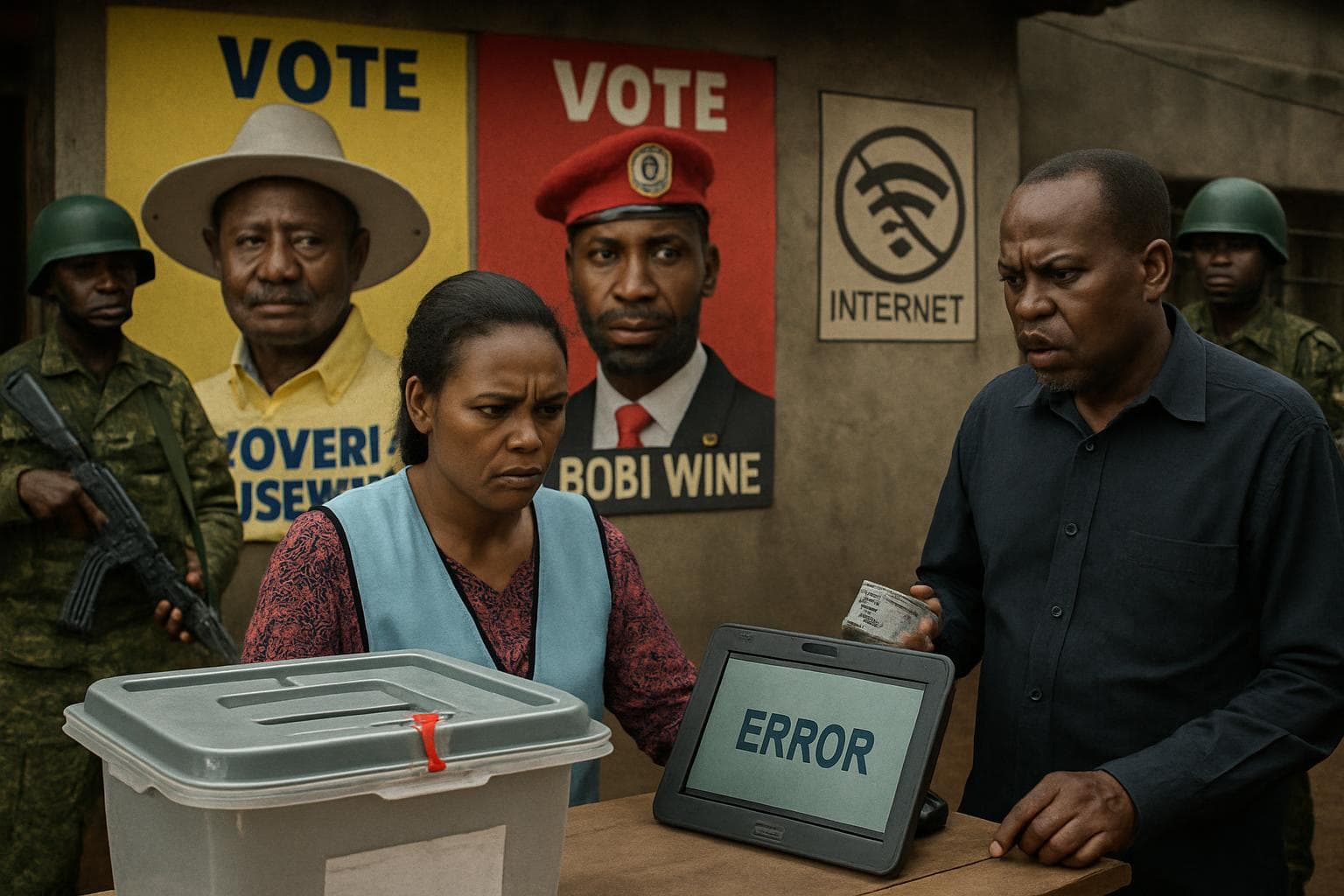
As polls opened, widespread delays were reported across Uganda, with biometric identification kits malfunctioning, partly attributed to the internet shutdown. Voting equipment failures further compounded the chaos, affecting both pro-government and opposition strongholds. The internet blackout, implemented by the Uganda Communications Commission, was intended to curb misinformation but has been widely criticized, including by the UN human rights office.
A Contentious Race
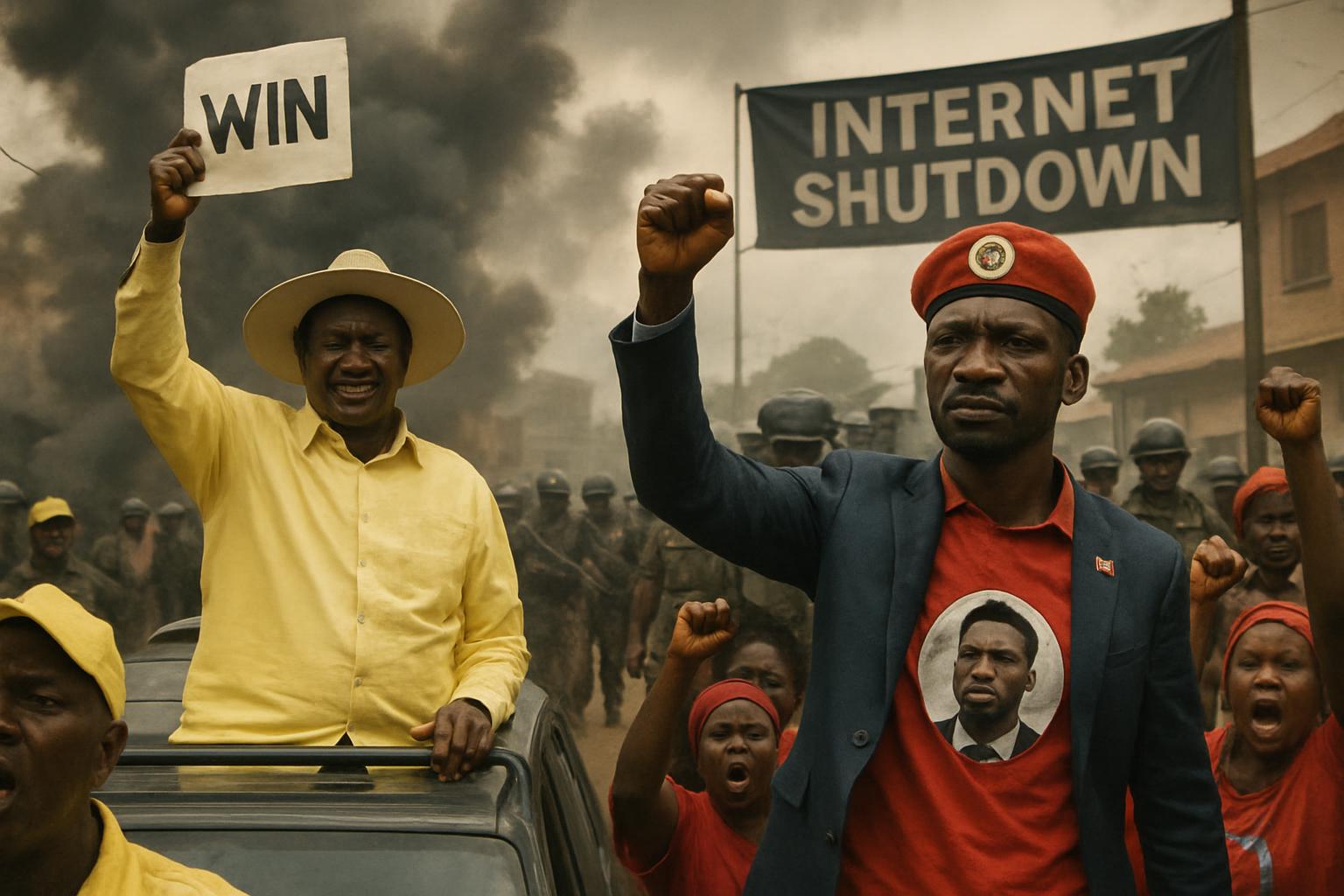
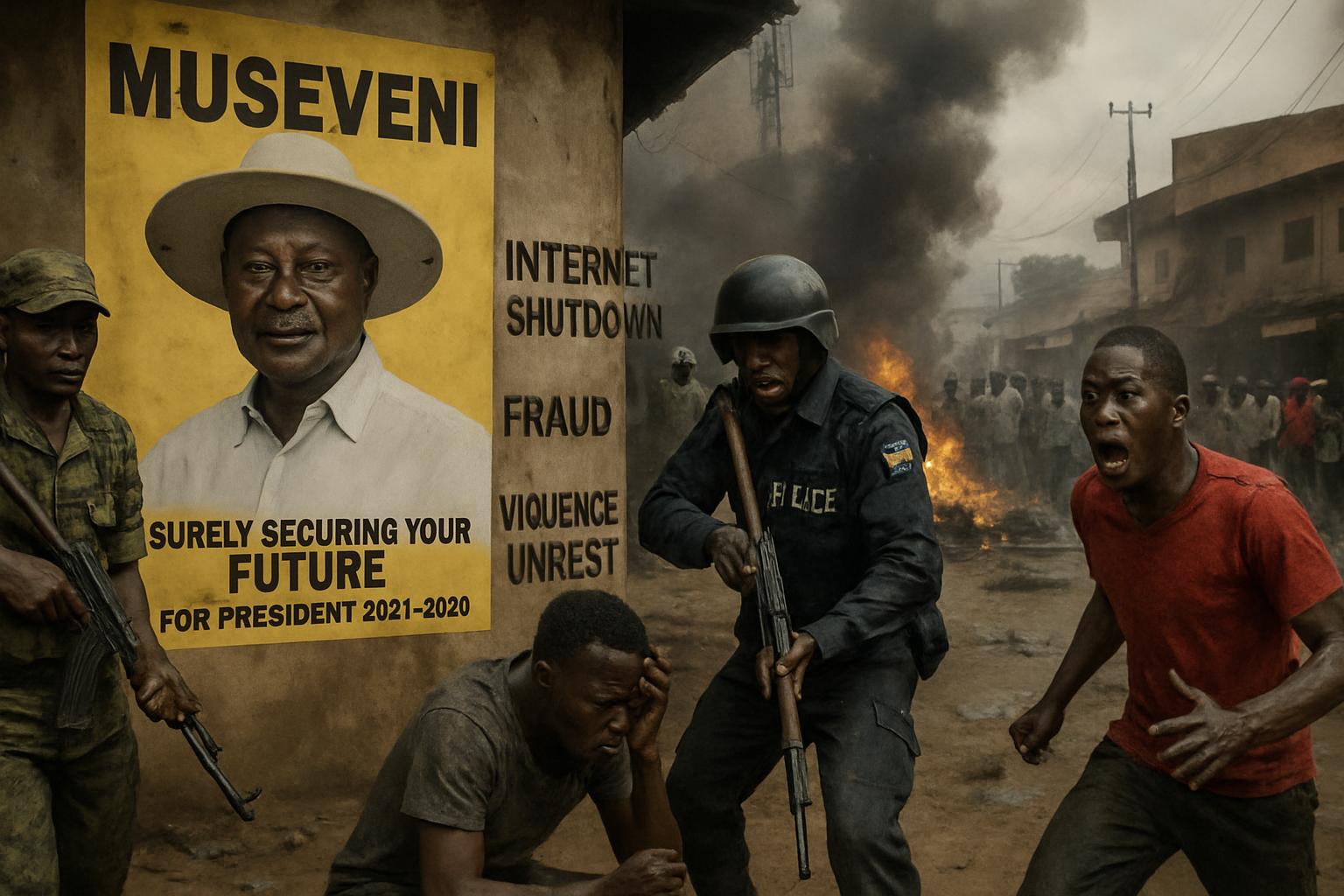
The election pits long-time ruler Yoweri Museveni against charismatic opposition leader Bobi Wine. Museveni, who has been in power since 1986, is seeking a seventh term, while Wine, a former pop star, promises sweeping reforms. The campaign has been fraught with violence, with security forces accused of targeting Wine's supporters. The opposition has faced significant hurdles, including the detention of activists and the disruption of rallies.
Security Concerns and International Scrutiny
The heavy military presence and reports of polling stations within military premises have raised concerns about voter intimidation. Byabakama stated that security forces were deployed to maintain peace, not to intimidate voters. However, the opposition and international observers remain skeptical, fearing the election could deepen Uganda's political divide.
WHAT THIS MIGHT MEAN
As Uganda awaits the election results, the potential for unrest looms large. If Museveni secures another term, it could further entrench his nearly four-decade rule, potentially exacerbating political polarization. Conversely, a victory for Bobi Wine might signal a shift towards reform, though it could also provoke resistance from entrenched power structures. International observers will be closely monitoring the situation, with the election's integrity and the government's response to dissent likely influencing Uganda's future political landscape.
Images from the Web
Related Articles
Uganda's Museveni Wins Seventh Term Amid Controversy and Allegations
Uganda's Election Marred by Allegations and Violence as Museveni Nears Victory

Zohran Mamdani Elected as New York City's First Muslim Mayor, Ushering in a New Era of Progressive Politics
Zohran Mamdani's Historic Win as New York City's First Muslim Mayor Marks a Shift in Democratic Politics
Zohran Mamdani Poised to Make History in New York City Mayoral Race
Chinese Whistleblower Granted Asylum in US After Exposing Xinjiang Abuses
Uganda's Tense Election: Threats, Delays, and Internet Blackout
In This Article
 Alex Carter| Published
 HIGHLIGHTS
- Uganda's electoral chief, Simon Byabakama, reported receiving threats over the declaration of election results, emphasizing adherence to the law.
- The presidential election features incumbent Yoweri Museveni seeking a seventh term against main challenger Bobi Wine amid allegations of voter suppression.
- Voting was disrupted by logistical delays and an internet shutdown, affecting biometric verification and polling station operations.
- Security forces have been accused of targeting opposition supporters, raising concerns about potential unrest and election integrity.
- The internet blackout, justified by authorities as a measure against misinformation, has been criticized by international observers and opposition parties.
Uganda's presidential election has been marred by threats, logistical delays, and an internet shutdown, casting a shadow over the democratic process. Simon Byabakama, the head of the electoral commission, revealed he has faced threats from unnamed senior officials regarding the declaration of election results. Despite this, Byabakama assured that only the law and the voters' will would guide the outcome.
Election Day Disruptions
As polls opened, widespread delays were reported across Uganda, with biometric identification kits malfunctioning, partly attributed to the internet shutdown. Voting equipment failures further compounded the chaos, affecting both pro-government and opposition strongholds. The internet blackout, implemented by the Uganda Communications Commission, was intended to curb misinformation but has been widely criticized, including by the UN human rights office.
A Contentious Race
The election pits long-time ruler Yoweri Museveni against charismatic opposition leader Bobi Wine. Museveni, who has been in power since 1986, is seeking a seventh term, while Wine, a former pop star, promises sweeping reforms. The campaign has been fraught with violence, with security forces accused of targeting Wine's supporters. The opposition has faced significant hurdles, including the detention of activists and the disruption of rallies.
Security Concerns and International Scrutiny
The heavy military presence and reports of polling stations within military premises have raised concerns about voter intimidation. Byabakama stated that security forces were deployed to maintain peace, not to intimidate voters. However, the opposition and international observers remain skeptical, fearing the election could deepen Uganda's political divide.
WHAT THIS MIGHT MEAN
As Uganda awaits the election results, the potential for unrest looms large. If Museveni secures another term, it could further entrench his nearly four-decade rule, potentially exacerbating political polarization. Conversely, a victory for Bobi Wine might signal a shift towards reform, though it could also provoke resistance from entrenched power structures. International observers will be closely monitoring the situation, with the election's integrity and the government's response to dissent likely influencing Uganda's future political landscape.
Images from the Web
Related Articles
Uganda's Museveni Wins Seventh Term Amid Controversy and Allegations
Uganda's Election Marred by Allegations and Violence as Museveni Nears Victory
Zohran Mamdani Elected as New York City's First Muslim Mayor, Ushering in a New Era of Progressive Politics
Zohran Mamdani's Historic Win as New York City's First Muslim Mayor Marks a Shift in Democratic Politics
Zohran Mamdani Poised to Make History in New York City Mayoral Race
Chinese Whistleblower Granted Asylum in US After Exposing Xinjiang Abuses