
Chinese Whistleblower Granted Asylum in US After Exposing Xinjiang Abuses
In This Article
HIGHLIGHTS
- Guan Heng, who exposed human rights abuses in Xinjiang, has been granted asylum in the US due to a "well-founded fear" of persecution if returned to China.
- Guan filmed detention facilities in Xinjiang in 2020, contributing to evidence of widespread rights abuses against Uyghurs.
- Initially detained in a mass deportation campaign, Guan's deportation to Uganda was halted following public and political concern.
- The Department of Homeland Security reserves the right to appeal the asylum decision within 30 days.
- Guan's case highlights the declining asylum approval rates in the US, which have dropped to 10% under recent administrations.
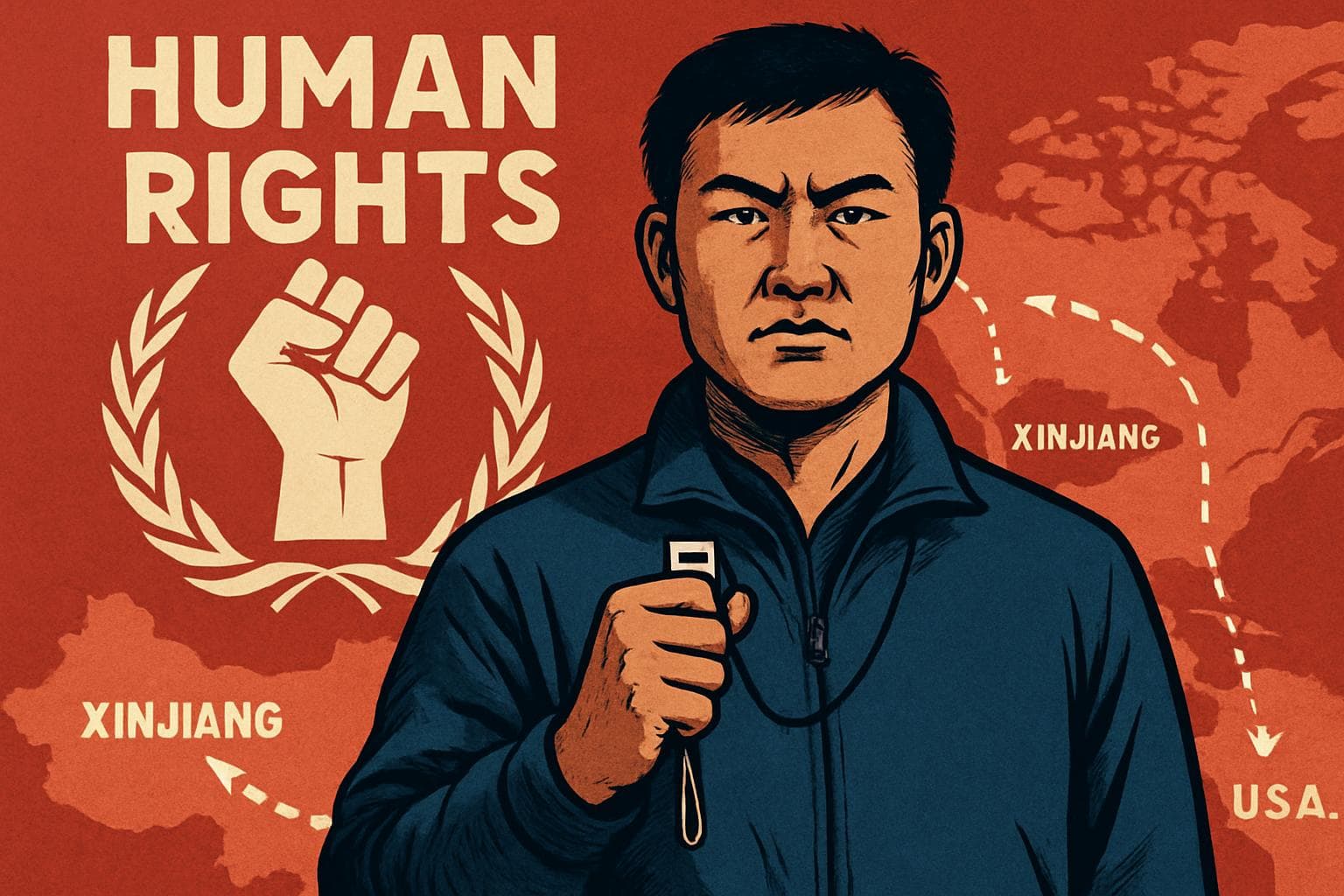
A Chinese national, Guan Heng, who bravely exposed human rights abuses in Xinjiang, has been granted asylum in the United States. This decision comes after an immigration judge determined that Guan faced a "well-founded fear" of persecution if he were to return to China. Guan's journey to asylum began in 2020 when he secretly filmed detention facilities in the north-western Chinese region, where over a million ethnic Uyghurs are believed to have been detained.
A Dangerous Journey for Truth
Guan's footage, which he released on YouTube after leaving China, depicts what he describes as "concentration camps" in Xinjiang. His journey to the US was fraught with danger, involving stops in Hong Kong, Ecuador, and the Bahamas before he finally arrived in Florida in 2021. Despite entering the US illegally, Guan applied for asylum, only to be detained as part of a mass deportation campaign initiated by the Trump administration.
Legal Battle and Public Support
Initially, the Department of Homeland Security (DHS) sought to deport Guan to Uganda. However, this plan was abandoned in December after his case garnered significant public and political attention. During a recent hearing, Guan reiterated that his intention in filming the detention facilities was not to bolster an asylum claim but to highlight the plight of the Uyghurs. "I sympathised with the Uyghurs who were persecuted," he stated via video link from a correctional facility.
A Rare Asylum Victory
Guan's successful asylum claim is notable in the current climate, where asylum approval rates in the US have plummeted to 10%. His lawyer, Chen Chuangchuang, emphasized the moral and legal responsibility of the US to grant asylum in such cases. Judge Charles Ouslander, who presided over the case, acknowledged the risk of retaliation Guan faced from the Chinese state, noting that his family had already been questioned by authorities.
WHAT THIS MIGHT MEAN
The decision to grant Guan Heng asylum could have broader implications for US-China relations, particularly concerning human rights issues in Xinjiang. Should the Department of Homeland Security choose to appeal, it could further delay Guan's release and highlight the complexities of the US immigration system. Experts suggest that Guan's case may set a precedent for future asylum seekers fleeing persecution due to whistleblowing activities. As international scrutiny of China's policies in Xinjiang continues, the US may face increased pressure to address human rights abuses more assertively.
Related Articles

Iran Postpones Khamenei Funeral Amid Escalating US-Israeli Strikes

US-Iran Tensions Escalate Amid Renewed Nuclear Talks and Protests
China Sets Lowest GDP Growth Target in Decades Amid Economic Challenges

UK Faces Dilemmas Amid Iran Conflict and China Spying Allegations

Google Faces Legal Battle Over AI Chatbot's Alleged Role in Tragic Death

Canada Calls for De-escalation Amid US-Israel Strikes on Iran
Chinese Whistleblower Granted Asylum in US After Exposing Xinjiang Abuses
In This Article
 Ethan Brooks| Published
 HIGHLIGHTS
- Guan Heng, who exposed human rights abuses in Xinjiang, has been granted asylum in the US due to a "well-founded fear" of persecution if returned to China.
- Guan filmed detention facilities in Xinjiang in 2020, contributing to evidence of widespread rights abuses against Uyghurs.
- Initially detained in a mass deportation campaign, Guan's deportation to Uganda was halted following public and political concern.
- The Department of Homeland Security reserves the right to appeal the asylum decision within 30 days.
- Guan's case highlights the declining asylum approval rates in the US, which have dropped to 10% under recent administrations.
A Chinese national, Guan Heng, who bravely exposed human rights abuses in Xinjiang, has been granted asylum in the United States. This decision comes after an immigration judge determined that Guan faced a "well-founded fear" of persecution if he were to return to China. Guan's journey to asylum began in 2020 when he secretly filmed detention facilities in the north-western Chinese region, where over a million ethnic Uyghurs are believed to have been detained.
A Dangerous Journey for Truth
Guan's footage, which he released on YouTube after leaving China, depicts what he describes as "concentration camps" in Xinjiang. His journey to the US was fraught with danger, involving stops in Hong Kong, Ecuador, and the Bahamas before he finally arrived in Florida in 2021. Despite entering the US illegally, Guan applied for asylum, only to be detained as part of a mass deportation campaign initiated by the Trump administration.
Legal Battle and Public Support
Initially, the Department of Homeland Security (DHS) sought to deport Guan to Uganda. However, this plan was abandoned in December after his case garnered significant public and political attention. During a recent hearing, Guan reiterated that his intention in filming the detention facilities was not to bolster an asylum claim but to highlight the plight of the Uyghurs. "I sympathised with the Uyghurs who were persecuted," he stated via video link from a correctional facility.
A Rare Asylum Victory
Guan's successful asylum claim is notable in the current climate, where asylum approval rates in the US have plummeted to 10%. His lawyer, Chen Chuangchuang, emphasized the moral and legal responsibility of the US to grant asylum in such cases. Judge Charles Ouslander, who presided over the case, acknowledged the risk of retaliation Guan faced from the Chinese state, noting that his family had already been questioned by authorities.
WHAT THIS MIGHT MEAN
The decision to grant Guan Heng asylum could have broader implications for US-China relations, particularly concerning human rights issues in Xinjiang. Should the Department of Homeland Security choose to appeal, it could further delay Guan's release and highlight the complexities of the US immigration system. Experts suggest that Guan's case may set a precedent for future asylum seekers fleeing persecution due to whistleblowing activities. As international scrutiny of China's policies in Xinjiang continues, the US may face increased pressure to address human rights abuses more assertively.
Related Articles
Iran Postpones Khamenei Funeral Amid Escalating US-Israeli Strikes
US-Iran Tensions Escalate Amid Renewed Nuclear Talks and Protests
China Sets Lowest GDP Growth Target in Decades Amid Economic Challenges
UK Faces Dilemmas Amid Iran Conflict and China Spying Allegations
Google Faces Legal Battle Over AI Chatbot's Alleged Role in Tragic Death
Canada Calls for De-escalation Amid US-Israel Strikes on Iran