
Uganda's Election Marred by Allegations and Violence as Museveni Nears Victory
In This Article
HIGHLIGHTS
- President Yoweri Museveni leads Uganda's election with 74% of votes, amid allegations of fraud by opposition leader Bobi Wine.
- Bobi Wine claims he was forcibly taken by the military, though this remains unverified due to an internet blackout.
- Reports of violence emerged, with opposition supporters allegedly killed by security forces, though police claim self-defense.
- The internet shutdown complicates verification of events, with the electoral commission using a private system for vote tallying.
- The US embassy warned citizens of potential unrest as security forces reportedly used tear gas to disperse gatherings.
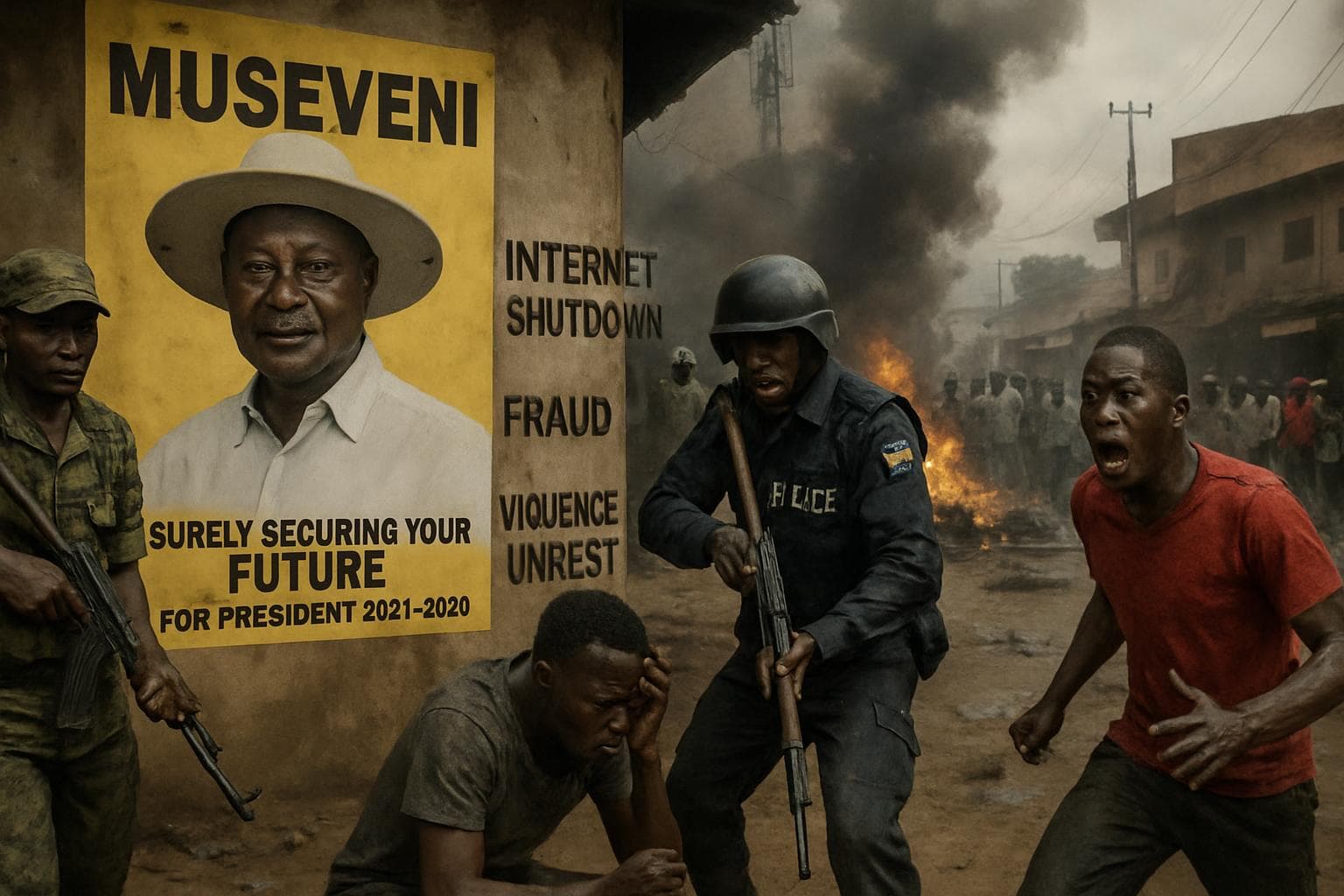
In Uganda's recent presidential election, President Yoweri Museveni appears poised for a decisive victory, securing 74% of the vote according to early returns. However, the election has been overshadowed by serious allegations of fraud and violence, primarily from opposition leader Bobi Wine and his National Unity Platform (NUP).
Allegations of Fraud and Military Intervention
Bobi Wine, who has garnered 23% of the vote, has accused the government of widespread electoral fraud. His claims have been difficult to verify due to an internet blackout imposed by authorities, ostensibly to prevent misinformation. Wine's party reported that he was forcibly taken from his home by the military, a claim that remains unconfirmed as government and military officials have not commented.
Violence and Security Concerns
Reports of violence have further complicated the election landscape. In Butambala, southwest of Kampala, at least seven opposition supporters were reportedly killed under disputed circumstances. Muwanga Kivumbi, an NUP member, alleged that security forces stormed his home and shot dead 10 campaign team members. Police spokesperson Lydia Tumushabe countered these claims, stating that the police acted in self-defense against armed opposition supporters.
Internet Blackout and Electoral Process
The internet shutdown has hindered the flow of information, making it challenging to verify claims and counterclaims. Despite this, the electoral commission assured that vote counting was unaffected, utilizing a private system to transmit results. The US embassy has issued warnings to its citizens, citing reports of security forces using tear gas and firing into the air to disperse gatherings.
WHAT THIS MIGHT MEAN
As President Museveni edges closer to re-election, the political climate in Uganda remains tense. The allegations of fraud and reports of violence could lead to increased unrest, particularly among opposition supporters. If Bobi Wine's claims gain traction, international scrutiny and pressure on the Ugandan government may intensify. The internet blackout, while intended to curb misinformation, may further fuel discontent and hinder transparency. Moving forward, the government's response to these allegations and the handling of post-election tensions will be crucial in shaping Uganda's political landscape.
Related Articles
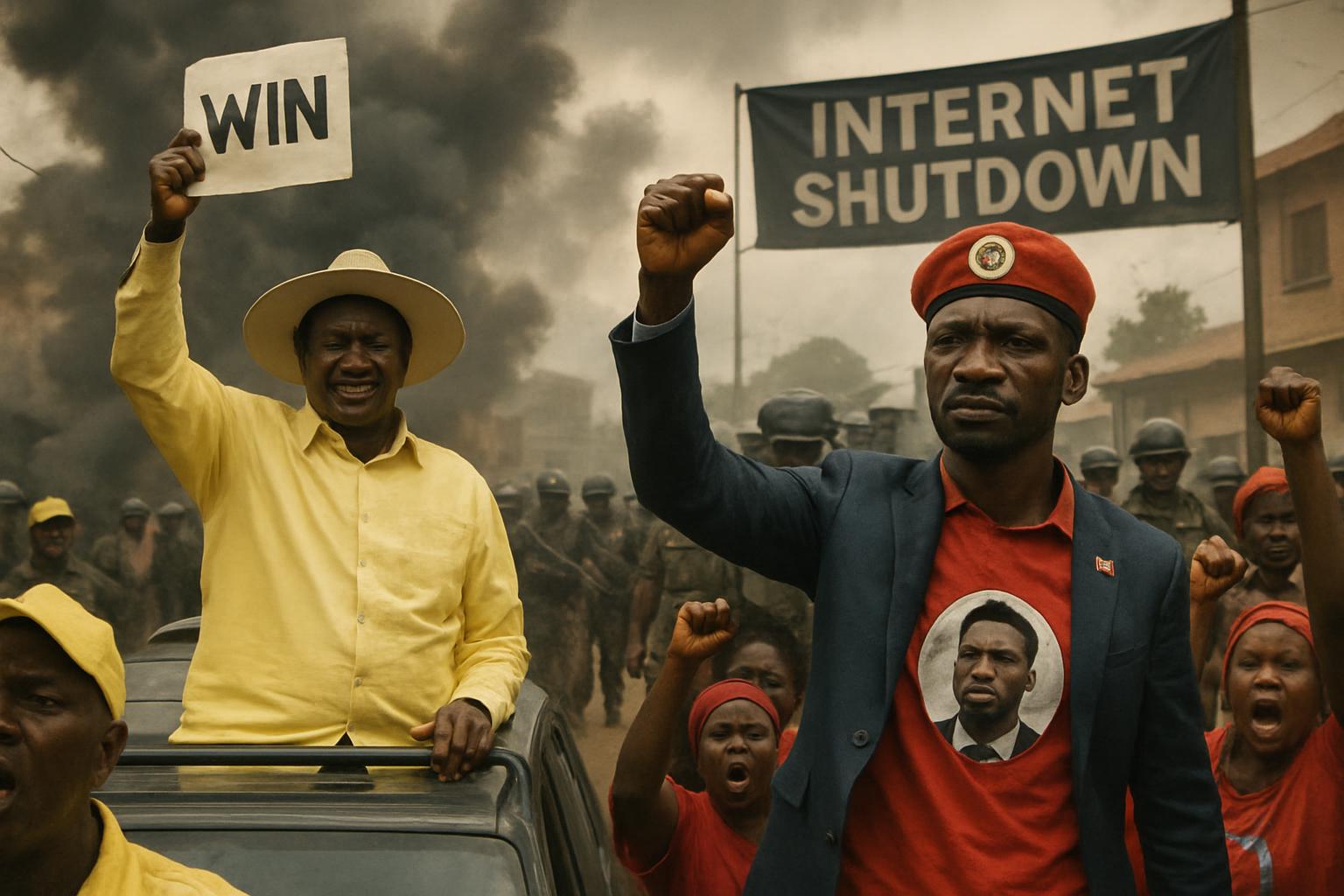
Uganda's Museveni Wins Seventh Term Amid Controversy and Allegations
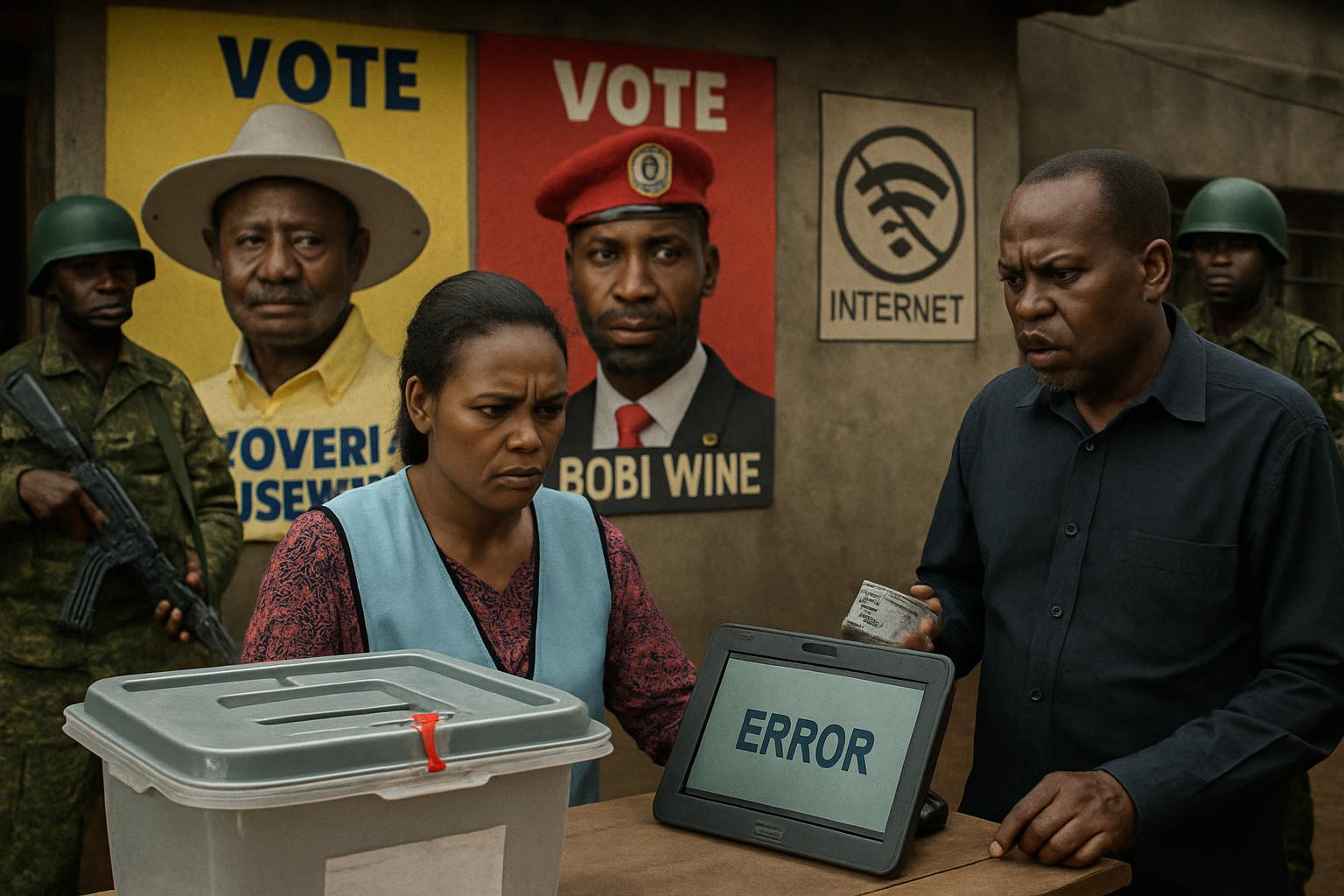
Uganda's Tense Election: Threats, Delays, and Internet Blackout
Salvadoran National Faces Deportation to Uganda Amid US Immigration Crackdown

Zohran Mamdani Poised to Make History in New York City Mayoral Race
US Deportation Deals with Honduras and Uganda Stir Controversy
Palestinian-American Teen Killed by Israeli Settlers in West Bank Sparks Calls for Accountability
Uganda's Election Marred by Allegations and Violence as Museveni Nears Victory
In This Article
 James Okoro| Published
 HIGHLIGHTS
- President Yoweri Museveni leads Uganda's election with 74% of votes, amid allegations of fraud by opposition leader Bobi Wine.
- Bobi Wine claims he was forcibly taken by the military, though this remains unverified due to an internet blackout.
- Reports of violence emerged, with opposition supporters allegedly killed by security forces, though police claim self-defense.
- The internet shutdown complicates verification of events, with the electoral commission using a private system for vote tallying.
- The US embassy warned citizens of potential unrest as security forces reportedly used tear gas to disperse gatherings.
In Uganda's recent presidential election, President Yoweri Museveni appears poised for a decisive victory, securing 74% of the vote according to early returns. However, the election has been overshadowed by serious allegations of fraud and violence, primarily from opposition leader Bobi Wine and his National Unity Platform (NUP).
Allegations of Fraud and Military Intervention
Bobi Wine, who has garnered 23% of the vote, has accused the government of widespread electoral fraud. His claims have been difficult to verify due to an internet blackout imposed by authorities, ostensibly to prevent misinformation. Wine's party reported that he was forcibly taken from his home by the military, a claim that remains unconfirmed as government and military officials have not commented.
Violence and Security Concerns
Reports of violence have further complicated the election landscape. In Butambala, southwest of Kampala, at least seven opposition supporters were reportedly killed under disputed circumstances. Muwanga Kivumbi, an NUP member, alleged that security forces stormed his home and shot dead 10 campaign team members. Police spokesperson Lydia Tumushabe countered these claims, stating that the police acted in self-defense against armed opposition supporters.
Internet Blackout and Electoral Process
The internet shutdown has hindered the flow of information, making it challenging to verify claims and counterclaims. Despite this, the electoral commission assured that vote counting was unaffected, utilizing a private system to transmit results. The US embassy has issued warnings to its citizens, citing reports of security forces using tear gas and firing into the air to disperse gatherings.
WHAT THIS MIGHT MEAN
As President Museveni edges closer to re-election, the political climate in Uganda remains tense. The allegations of fraud and reports of violence could lead to increased unrest, particularly among opposition supporters. If Bobi Wine's claims gain traction, international scrutiny and pressure on the Ugandan government may intensify. The internet blackout, while intended to curb misinformation, may further fuel discontent and hinder transparency. Moving forward, the government's response to these allegations and the handling of post-election tensions will be crucial in shaping Uganda's political landscape.
Related Articles
Uganda's Museveni Wins Seventh Term Amid Controversy and Allegations
Uganda's Tense Election: Threats, Delays, and Internet Blackout
Salvadoran National Faces Deportation to Uganda Amid US Immigration Crackdown
Zohran Mamdani Poised to Make History in New York City Mayoral Race
US Deportation Deals with Honduras and Uganda Stir Controversy
Palestinian-American Teen Killed by Israeli Settlers in West Bank Sparks Calls for Accountability