
US Deportation Deals with Honduras and Uganda Stir Controversy
In This Article
HIGHLIGHTS
- The US has reportedly reached deportation agreements with Honduras and Uganda, though Uganda denies any such deal.
- Honduras will accept several hundred deported migrants from Spanish-speaking countries over two years.
- Uganda's agreement allegedly involves accepting non-criminal migrants, but officials claim a lack of capacity to accommodate them.
- Human rights groups criticize the US policy of deporting migrants to third countries, citing potential legal violations.
- The Trump administration continues to pursue deportation arrangements with multiple countries, despite international criticism.
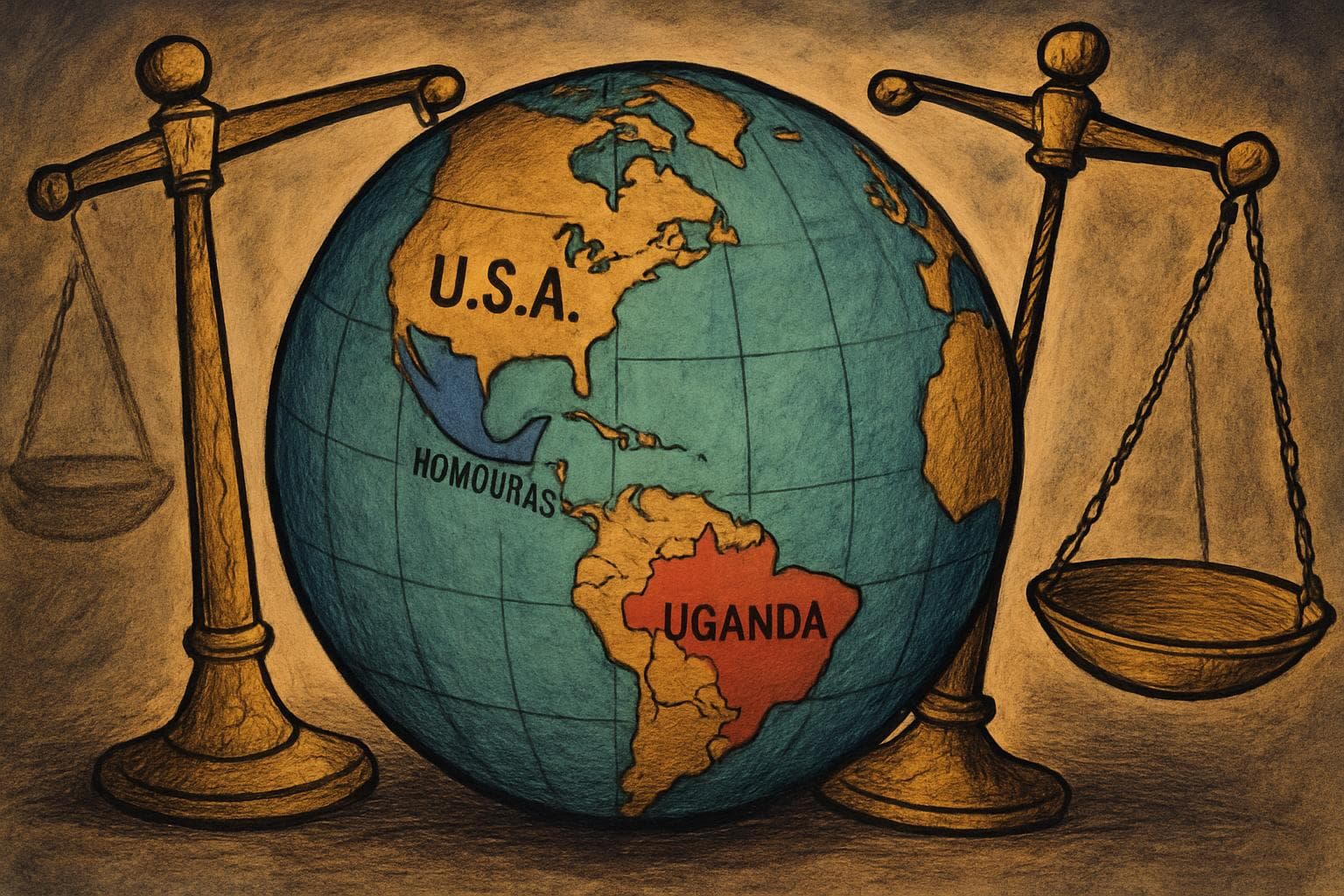
The United States has reportedly secured deportation agreements with Honduras and Uganda as part of the Trump administration's intensified efforts to manage illegal immigration. However, Uganda has publicly denied any such arrangement, raising questions about the clarity and execution of these deals.
Honduras and Uganda Agreements
According to documents obtained by CBS News, Honduras has agreed to accept several hundred deported migrants from Spanish-speaking countries over the next two years. This move aligns with the Trump administration's broader strategy to establish deportation agreements with various nations, including those with contentious human rights records.
Uganda, on the other hand, was reported to have agreed to accept deportees from the US, provided they do not have criminal histories. However, Uganda's state minister for foreign affairs, Henry Oryem Okello, refuted these claims, stating that the country lacks the infrastructure to accommodate such immigrants. "To the best of my knowledge, we have not reached such an agreement," Oryem told Reuters.
Human Rights Concerns
The policy of deporting migrants to third countries has drawn significant criticism from human rights organizations and international law experts. Critics argue that sending migrants to nations other than their homeland, especially those with poor human rights records, could endanger their safety and violate international law. The US Supreme Court's recent decision to allow these deportations has further fueled the debate, with dissenting justices labeling the move as a "gross abuse."
International Reactions and Future Implications
The Trump administration's efforts to secure deportation deals have not been limited to Honduras and Uganda. Countries like Rwanda, Panama, and Costa Rica have also been approached, with varying degrees of agreement. Rwanda, for instance, has agreed to accept up to 250 migrants, albeit with the right to approve each case individually.
WHAT THIS MIGHT MEAN
The ongoing controversy surrounding these deportation agreements could lead to increased diplomatic tensions between the US and the involved countries. If Uganda's denial holds, it may prompt a reevaluation of the US's approach to securing such deals. Additionally, the international community's response to these policies could influence future immigration strategies, especially if legal challenges arise. As the Trump administration continues to prioritize immigration control, the potential for human rights violations remains a critical concern for global observers.
Related Articles

Iran Postpones Khamenei Funeral Amid Escalating US-Israeli Strikes

US-Iran Tensions Escalate Amid Renewed Nuclear Talks and Protests
Trump Criticizes Supreme Court After Tariff Ruling, Imposes New Global Tariff

Canada Calls for De-escalation Amid US-Israel Strikes on Iran

US Supreme Court Ruling Sparks Trade Uncertainty in Asia and Beyond
Iranian Students Lead Major Protests Amid Rising US-Iran Tensions
US Deportation Deals with Honduras and Uganda Stir Controversy
In This Article
 Ethan Brooks| Published
 HIGHLIGHTS
- The US has reportedly reached deportation agreements with Honduras and Uganda, though Uganda denies any such deal.
- Honduras will accept several hundred deported migrants from Spanish-speaking countries over two years.
- Uganda's agreement allegedly involves accepting non-criminal migrants, but officials claim a lack of capacity to accommodate them.
- Human rights groups criticize the US policy of deporting migrants to third countries, citing potential legal violations.
- The Trump administration continues to pursue deportation arrangements with multiple countries, despite international criticism.
The United States has reportedly secured deportation agreements with Honduras and Uganda as part of the Trump administration's intensified efforts to manage illegal immigration. However, Uganda has publicly denied any such arrangement, raising questions about the clarity and execution of these deals.
Honduras and Uganda Agreements
According to documents obtained by CBS News, Honduras has agreed to accept several hundred deported migrants from Spanish-speaking countries over the next two years. This move aligns with the Trump administration's broader strategy to establish deportation agreements with various nations, including those with contentious human rights records.
Uganda, on the other hand, was reported to have agreed to accept deportees from the US, provided they do not have criminal histories. However, Uganda's state minister for foreign affairs, Henry Oryem Okello, refuted these claims, stating that the country lacks the infrastructure to accommodate such immigrants. "To the best of my knowledge, we have not reached such an agreement," Oryem told Reuters.
Human Rights Concerns
The policy of deporting migrants to third countries has drawn significant criticism from human rights organizations and international law experts. Critics argue that sending migrants to nations other than their homeland, especially those with poor human rights records, could endanger their safety and violate international law. The US Supreme Court's recent decision to allow these deportations has further fueled the debate, with dissenting justices labeling the move as a "gross abuse."
International Reactions and Future Implications
The Trump administration's efforts to secure deportation deals have not been limited to Honduras and Uganda. Countries like Rwanda, Panama, and Costa Rica have also been approached, with varying degrees of agreement. Rwanda, for instance, has agreed to accept up to 250 migrants, albeit with the right to approve each case individually.
WHAT THIS MIGHT MEAN
The ongoing controversy surrounding these deportation agreements could lead to increased diplomatic tensions between the US and the involved countries. If Uganda's denial holds, it may prompt a reevaluation of the US's approach to securing such deals. Additionally, the international community's response to these policies could influence future immigration strategies, especially if legal challenges arise. As the Trump administration continues to prioritize immigration control, the potential for human rights violations remains a critical concern for global observers.
Related Articles
Iran Postpones Khamenei Funeral Amid Escalating US-Israeli Strikes
US-Iran Tensions Escalate Amid Renewed Nuclear Talks and Protests
Trump Criticizes Supreme Court After Tariff Ruling, Imposes New Global Tariff
Canada Calls for De-escalation Amid US-Israel Strikes on Iran
US Supreme Court Ruling Sparks Trade Uncertainty in Asia and Beyond
Iranian Students Lead Major Protests Amid Rising US-Iran Tensions