
Salvadoran National Faces Deportation to Uganda Amid US Immigration Crackdown
In This Article
HIGHLIGHTS
- Kilmar Ábrego García, a Salvadoran national, faces potential deportation to Uganda after rejecting a plea deal involving deportation to Costa Rica.
- The US government mistakenly deported Ábrego to El Salvador in March, later admitting the error and facilitating his return to face human smuggling charges.
- Ábrego's case has become emblematic of the Trump administration's aggressive immigration policies, drawing criticism from legal and human rights advocates.
- Uganda has agreed to a temporary deportation arrangement with the US, though it prefers to accept individuals from African countries.
- Ábrego, who has lived in Maryland for over a decade, is scheduled to appear in a Baltimore immigration court, where his fate will be decided.
Kilmar Ábrego García, a Salvadoran national, is at the center of a contentious deportation case that highlights the Trump administration's stringent immigration policies. After rejecting a plea deal that would have seen him deported to Costa Rica, Ábrego now faces the possibility of being sent to Uganda, a country with which he has no known ties.
Background and Legal Proceedings
Ábrego's legal troubles began when he was mistakenly deported to El Salvador in March, despite a US immigration judge's order protecting him from deportation due to fears of gang persecution. The US government later acknowledged the error, facilitating his return to face human smuggling charges, which his lawyers have dismissed as unfounded.
Upon his release from a Tennessee jail, Ábrego was offered a plea deal that involved deportation to Costa Rica, where he would be granted refugee status. However, after declining the offer, US authorities informed him of their intention to deport him to Uganda, a move his attorneys argue is an attempt to coerce a guilty plea.
Uganda's Role and International Implications
Uganda has entered into a temporary deportation agreement with the US, though it has expressed a preference for accepting individuals from African countries. Bagiire Vincent Waiswa, Uganda's permanent secretary to the foreign ministry, stated that the arrangement excludes individuals with criminal records and unaccompanied minors.
Ábrego's case has drawn significant attention, becoming a symbol of the Trump administration's aggressive stance on immigration. Legal experts and human rights advocates have criticized the administration's approach, arguing that it undermines basic legal protections and due process.
Personal Impact and Community Response
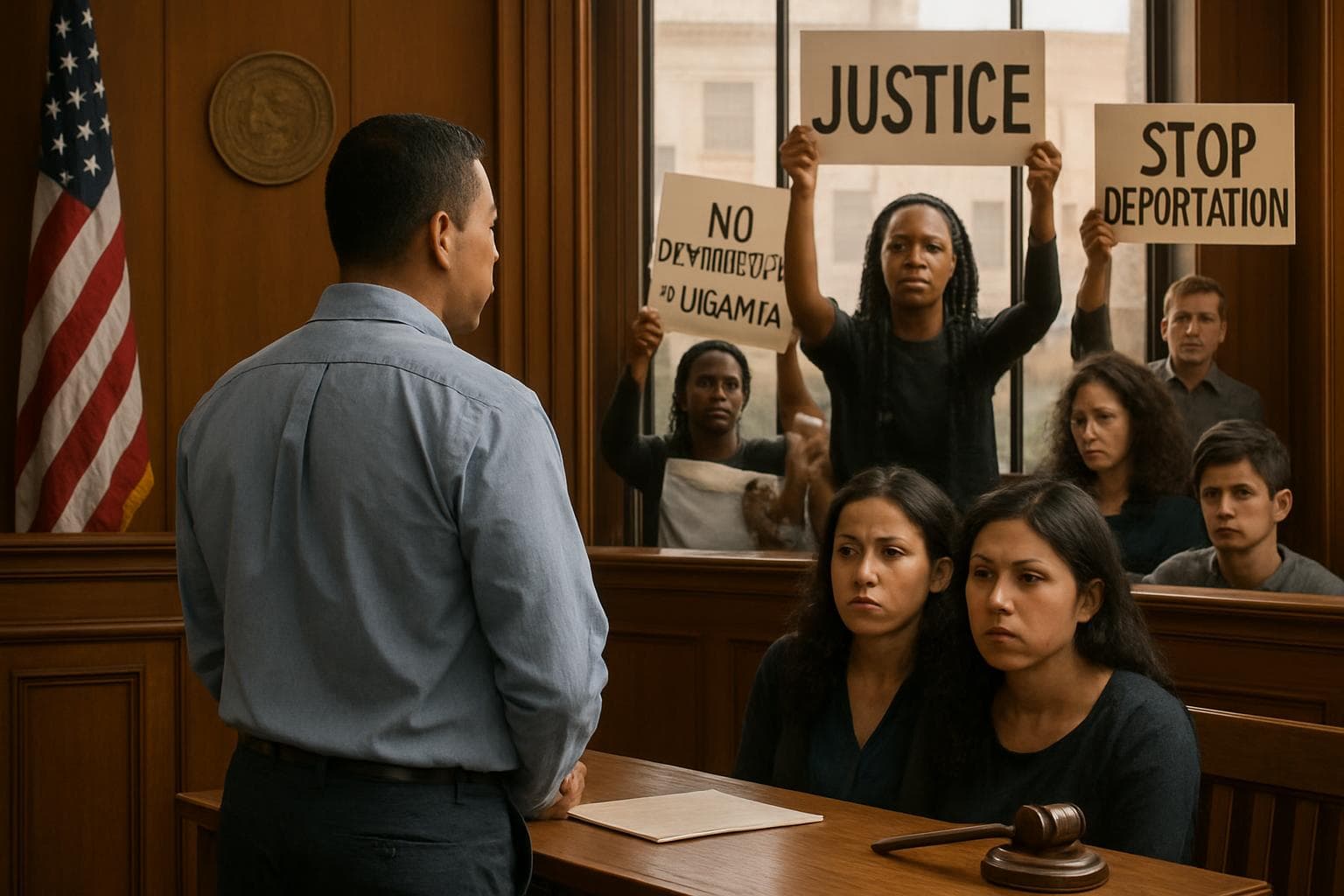
Ábrego, who fled gang violence in El Salvador as a teenager, has lived in Maryland for over a decade, working in construction and building a life with his American wife and their children. His case has sparked protests and calls for justice from community members and activists who view his potential deportation as unjust.
Scheduled to appear in a Baltimore immigration court, Ábrego's future hangs in the balance. If the judge approves the government's request, he could be deported within days, leaving his family and supporters in uncertainty.
WHAT THIS MIGHT MEAN
The outcome of Kilmar Ábrego García's case could set a significant precedent for future deportation proceedings under the Trump administration's immigration policies. If deported to Uganda, it may embolden further deportations to countries with which individuals have no connections, raising legal and ethical questions.
Legal experts suggest that the case could prompt further scrutiny of the administration's deportation practices, potentially leading to legal challenges and policy revisions. Human rights organizations may also increase pressure on the US government to adhere to international legal standards and protect individuals' rights to due process.
As the situation unfolds, Ábrego's case will likely continue to be a focal point in the broader debate over US immigration policy, highlighting the tensions between national security concerns and humanitarian obligations.
Related Articles

Tech Giants Pledge to Cover AI Data Center Energy Costs Amid Rising Electricity Concerns

US Military Strikes on Alleged Drug Boats Raise Legal Concerns

Geneva Peace Talks: Russia and Ukraine Seek Resolution Amid Ongoing Conflict

Clintons to Testify as Epstein Files Spark Allegations of Cover-Up
Rubio Reaffirms US Commitment to Europe Amid Criticisms at Munich Conference

Don Lemon Pleads Not Guilty in Minnesota Church Protest Case
Salvadoran National Faces Deportation to Uganda Amid US Immigration Crackdown
In This Article
 James Okoro| Published
 HIGHLIGHTS
- Kilmar Ábrego García, a Salvadoran national, faces potential deportation to Uganda after rejecting a plea deal involving deportation to Costa Rica.
- The US government mistakenly deported Ábrego to El Salvador in March, later admitting the error and facilitating his return to face human smuggling charges.
- Ábrego's case has become emblematic of the Trump administration's aggressive immigration policies, drawing criticism from legal and human rights advocates.
- Uganda has agreed to a temporary deportation arrangement with the US, though it prefers to accept individuals from African countries.
- Ábrego, who has lived in Maryland for over a decade, is scheduled to appear in a Baltimore immigration court, where his fate will be decided.
Kilmar Ábrego García, a Salvadoran national, is at the center of a contentious deportation case that highlights the Trump administration's stringent immigration policies. After rejecting a plea deal that would have seen him deported to Costa Rica, Ábrego now faces the possibility of being sent to Uganda, a country with which he has no known ties.
Background and Legal Proceedings
Ábrego's legal troubles began when he was mistakenly deported to El Salvador in March, despite a US immigration judge's order protecting him from deportation due to fears of gang persecution. The US government later acknowledged the error, facilitating his return to face human smuggling charges, which his lawyers have dismissed as unfounded.
Upon his release from a Tennessee jail, Ábrego was offered a plea deal that involved deportation to Costa Rica, where he would be granted refugee status. However, after declining the offer, US authorities informed him of their intention to deport him to Uganda, a move his attorneys argue is an attempt to coerce a guilty plea.
Uganda's Role and International Implications
Uganda has entered into a temporary deportation agreement with the US, though it has expressed a preference for accepting individuals from African countries. Bagiire Vincent Waiswa, Uganda's permanent secretary to the foreign ministry, stated that the arrangement excludes individuals with criminal records and unaccompanied minors.
Ábrego's case has drawn significant attention, becoming a symbol of the Trump administration's aggressive stance on immigration. Legal experts and human rights advocates have criticized the administration's approach, arguing that it undermines basic legal protections and due process.
Personal Impact and Community Response
Ábrego, who fled gang violence in El Salvador as a teenager, has lived in Maryland for over a decade, working in construction and building a life with his American wife and their children. His case has sparked protests and calls for justice from community members and activists who view his potential deportation as unjust.
Scheduled to appear in a Baltimore immigration court, Ábrego's future hangs in the balance. If the judge approves the government's request, he could be deported within days, leaving his family and supporters in uncertainty.
WHAT THIS MIGHT MEAN
The outcome of Kilmar Ábrego García's case could set a significant precedent for future deportation proceedings under the Trump administration's immigration policies. If deported to Uganda, it may embolden further deportations to countries with which individuals have no connections, raising legal and ethical questions.
Legal experts suggest that the case could prompt further scrutiny of the administration's deportation practices, potentially leading to legal challenges and policy revisions. Human rights organizations may also increase pressure on the US government to adhere to international legal standards and protect individuals' rights to due process.
As the situation unfolds, Ábrego's case will likely continue to be a focal point in the broader debate over US immigration policy, highlighting the tensions between national security concerns and humanitarian obligations.
Related Articles
Tech Giants Pledge to Cover AI Data Center Energy Costs Amid Rising Electricity Concerns
US Military Strikes on Alleged Drug Boats Raise Legal Concerns
Geneva Peace Talks: Russia and Ukraine Seek Resolution Amid Ongoing Conflict
Clintons to Testify as Epstein Files Spark Allegations of Cover-Up
Rubio Reaffirms US Commitment to Europe Amid Criticisms at Munich Conference
Don Lemon Pleads Not Guilty in Minnesota Church Protest Case