
Uganda's Museveni Wins Seventh Term Amid Controversy and Allegations
In This Article
HIGHLIGHTS
- Ugandan President Yoweri Museveni has secured a seventh term with 72% of the vote amid allegations of election fraud by opposition leader Bobi Wine.
- Bobi Wine claims he escaped house arrest after a raid by security forces, while authorities deny his abduction and restrict access to his home.
- The election was marred by violence, with at least seven confirmed deaths and an internet shutdown that hindered information flow.
- African Union observers reported no evidence of ballot stuffing, despite Wine's allegations of election irregularities.
- Museveni's victory extends his 40-year rule, with promises to boost Uganda's economy through its nascent oil industry.
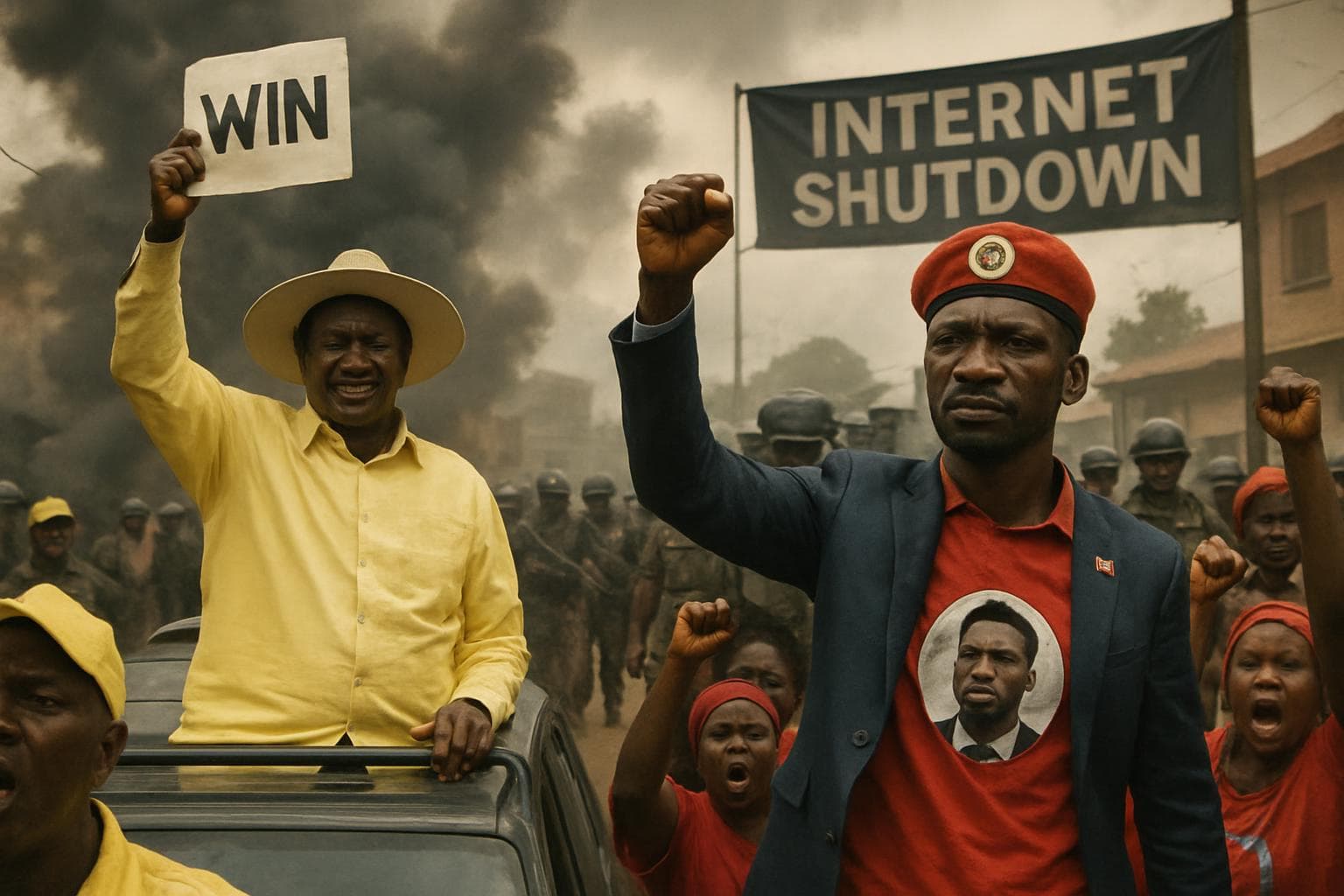
Ugandan President Yoweri Museveni has been declared the winner of the recent presidential election, securing a seventh term with 72% of the vote. The election, however, has been overshadowed by allegations of fraud and violence, as opposition leader Bobi Wine contests the results and claims he narrowly escaped house arrest.
Election Results and Allegations
The election commission announced Museveni's victory, with Bobi Wine, a former pop star turned politician, receiving 25% of the vote. Wine has condemned the results as "fake" and accused the government of "ballot stuffing," although he has not provided concrete evidence. The authorities have not responded to these allegations, and African Union observers reported no signs of ballot manipulation.
Bobi Wine's Escape and Internet Shutdown
Wine claims he escaped a raid on his home by security forces, who allegedly cut power and disabled CCTV cameras. While Wine insists he is no longer at his residence, police maintain that his movements are restricted due to security concerns. The situation is further complicated by a nationwide internet shutdown, which authorities argue is necessary to prevent misinformation and unrest. This move has been criticized by international observers, including the UN.
Violence and Security Concerns
The election period has been marked by violence, with at least seven confirmed deaths and reports of clashes between security forces and opposition supporters. The US embassy issued a warning to its citizens following reports of tear gas and live ammunition being used to disperse gatherings. Despite these tensions, Museveni's supporters celebrate his victory as a continuation of stability and economic growth, particularly through Uganda's emerging oil industry.
Museveni's Continued Rule
Museveni, who first came to power in 1986, has promised to lead Uganda towards middle-income status by 2030. His campaign focused on his track record of political and economic stability, despite concerns over his age and health. Museveni's victory extends his 40-year rule, making him one of the longest-serving leaders in the world.
WHAT THIS MIGHT MEAN
Looking ahead, Museveni's extended rule could further entrench his grip on power, potentially stifling political opposition and dissent. Bobi Wine's allegations of election fraud and his call for peaceful protests may galvanize his supporters, leading to increased tensions and potential unrest. The international community, including the African Union and the UN, may continue to scrutinize Uganda's political landscape, particularly concerning human rights and democratic processes. Museveni's focus on economic growth through the oil industry could bolster his support domestically, but challenges remain in addressing the demands of Uganda's youthful population and ensuring a peaceful transition of power in the future.
Related Articles
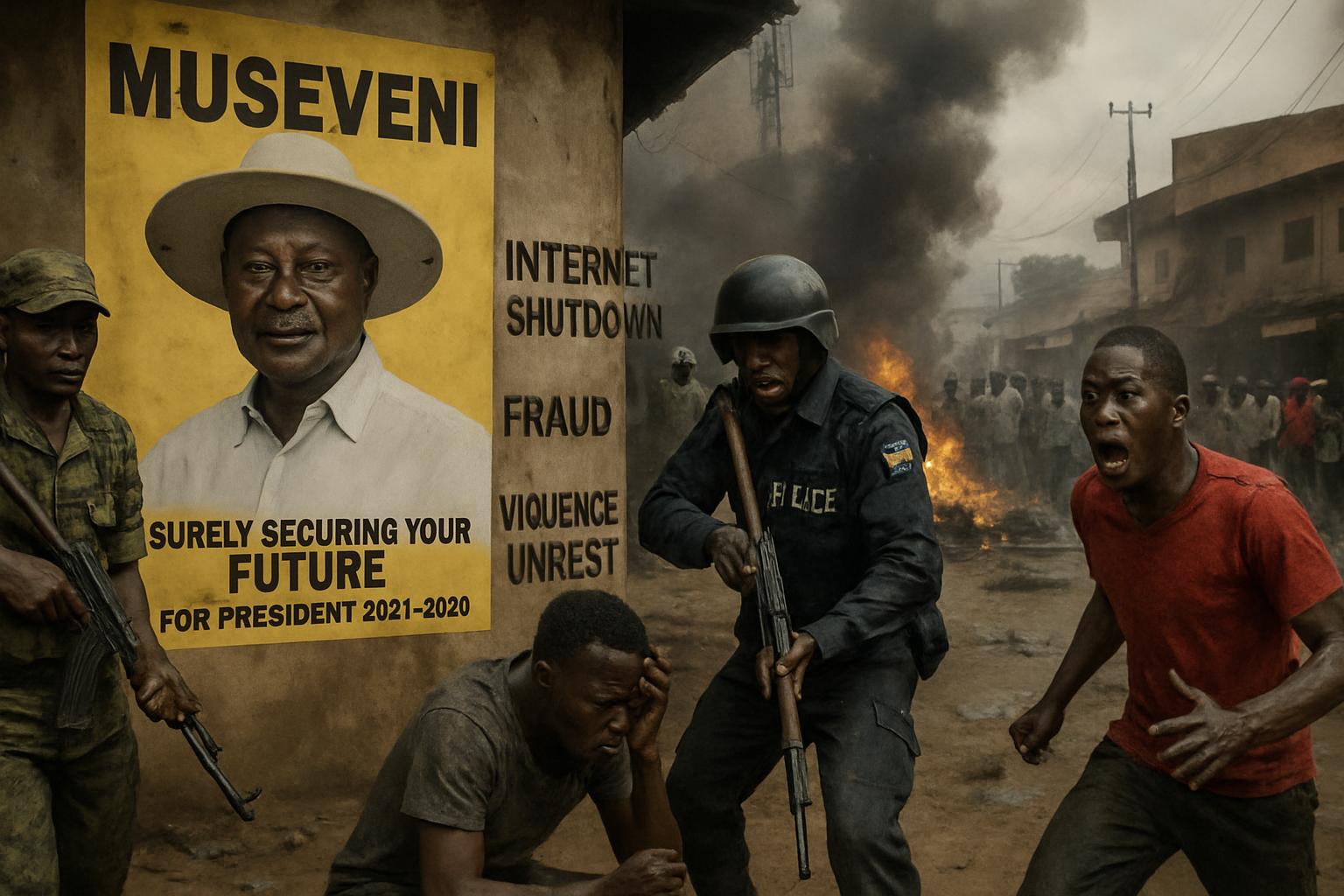
Uganda's Election Marred by Allegations and Violence as Museveni Nears Victory
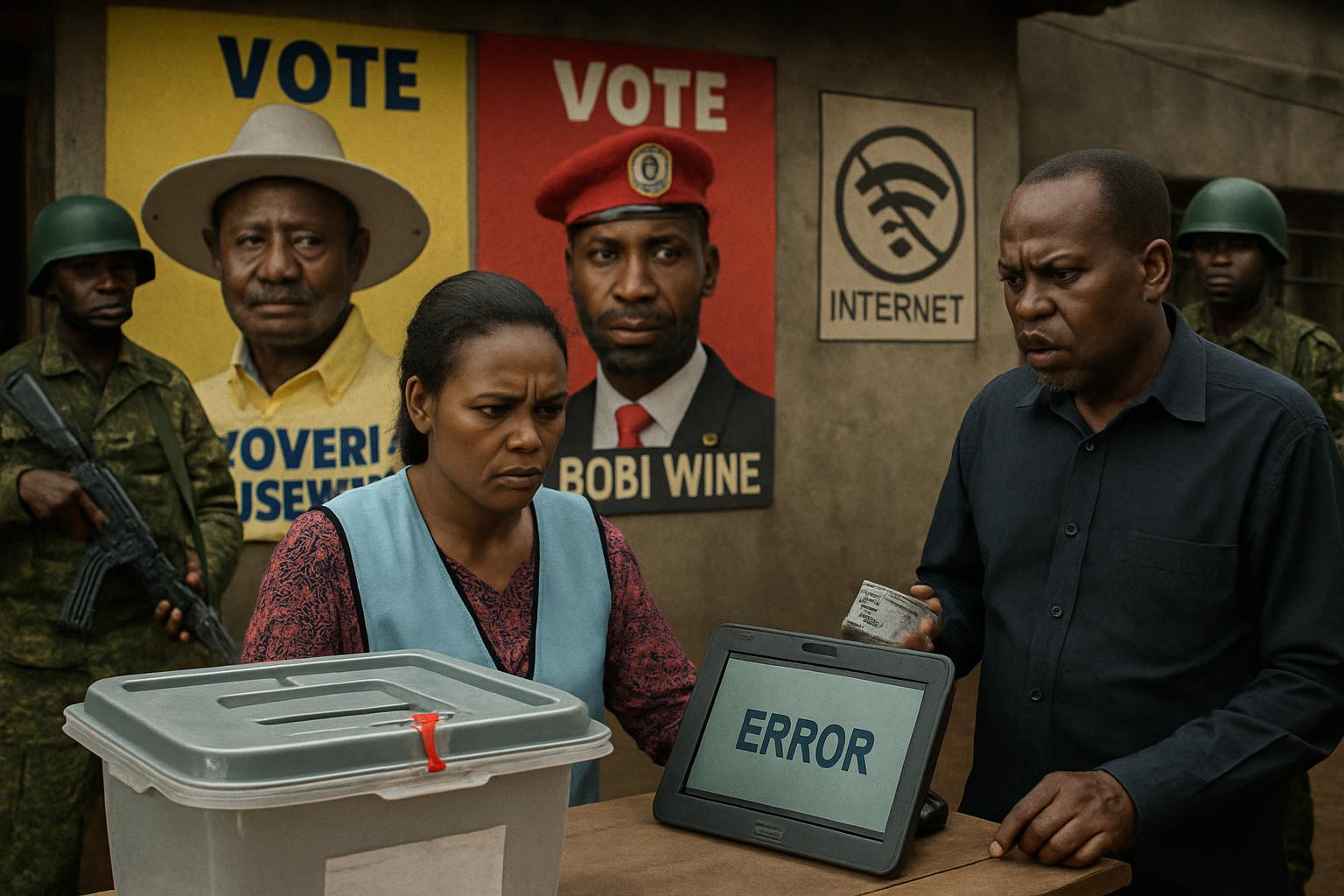
Uganda's Tense Election: Threats, Delays, and Internet Blackout
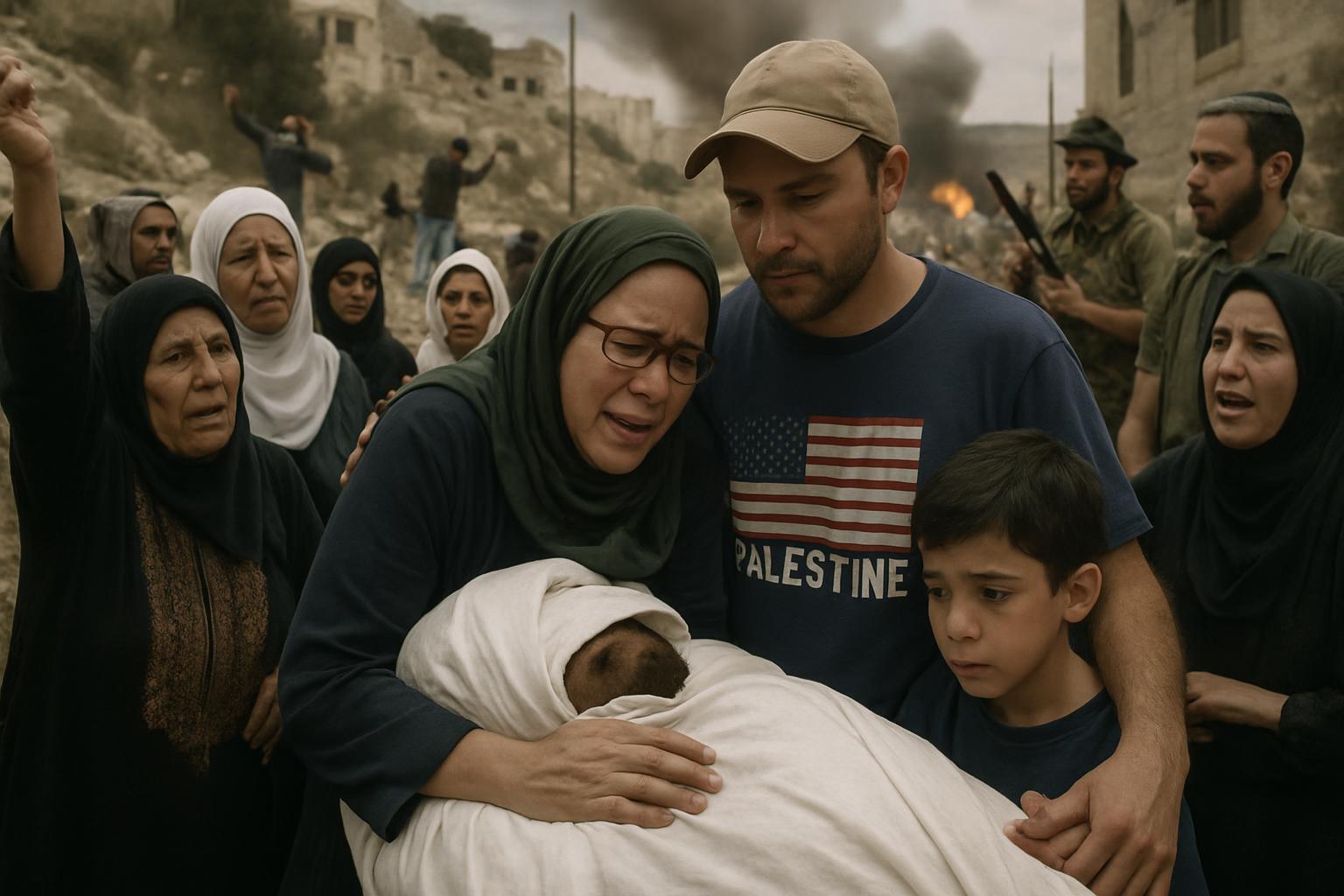
Palestinian-American Teen Killed by Israeli Settlers in West Bank Sparks Calls for Accountability

Israel's Recognition of Somaliland Sparks Diplomatic Controversy

US-Iran Tensions Escalate Amid Renewed Nuclear Talks and Protests

Russia-Ukraine Conflict: Four Years of Unyielding Struggle and Human Resilience
Uganda's Museveni Wins Seventh Term Amid Controversy and Allegations
In This Article
 James Okoro| Published
 HIGHLIGHTS
- Ugandan President Yoweri Museveni has secured a seventh term with 72% of the vote amid allegations of election fraud by opposition leader Bobi Wine.
- Bobi Wine claims he escaped house arrest after a raid by security forces, while authorities deny his abduction and restrict access to his home.
- The election was marred by violence, with at least seven confirmed deaths and an internet shutdown that hindered information flow.
- African Union observers reported no evidence of ballot stuffing, despite Wine's allegations of election irregularities.
- Museveni's victory extends his 40-year rule, with promises to boost Uganda's economy through its nascent oil industry.
Ugandan President Yoweri Museveni has been declared the winner of the recent presidential election, securing a seventh term with 72% of the vote. The election, however, has been overshadowed by allegations of fraud and violence, as opposition leader Bobi Wine contests the results and claims he narrowly escaped house arrest.
Election Results and Allegations
The election commission announced Museveni's victory, with Bobi Wine, a former pop star turned politician, receiving 25% of the vote. Wine has condemned the results as "fake" and accused the government of "ballot stuffing," although he has not provided concrete evidence. The authorities have not responded to these allegations, and African Union observers reported no signs of ballot manipulation.
Bobi Wine's Escape and Internet Shutdown
Wine claims he escaped a raid on his home by security forces, who allegedly cut power and disabled CCTV cameras. While Wine insists he is no longer at his residence, police maintain that his movements are restricted due to security concerns. The situation is further complicated by a nationwide internet shutdown, which authorities argue is necessary to prevent misinformation and unrest. This move has been criticized by international observers, including the UN.
Violence and Security Concerns
The election period has been marked by violence, with at least seven confirmed deaths and reports of clashes between security forces and opposition supporters. The US embassy issued a warning to its citizens following reports of tear gas and live ammunition being used to disperse gatherings. Despite these tensions, Museveni's supporters celebrate his victory as a continuation of stability and economic growth, particularly through Uganda's emerging oil industry.
Museveni's Continued Rule
Museveni, who first came to power in 1986, has promised to lead Uganda towards middle-income status by 2030. His campaign focused on his track record of political and economic stability, despite concerns over his age and health. Museveni's victory extends his 40-year rule, making him one of the longest-serving leaders in the world.
WHAT THIS MIGHT MEAN
Looking ahead, Museveni's extended rule could further entrench his grip on power, potentially stifling political opposition and dissent. Bobi Wine's allegations of election fraud and his call for peaceful protests may galvanize his supporters, leading to increased tensions and potential unrest. The international community, including the African Union and the UN, may continue to scrutinize Uganda's political landscape, particularly concerning human rights and democratic processes. Museveni's focus on economic growth through the oil industry could bolster his support domestically, but challenges remain in addressing the demands of Uganda's youthful population and ensuring a peaceful transition of power in the future.
Related Articles
Uganda's Election Marred by Allegations and Violence as Museveni Nears Victory
Uganda's Tense Election: Threats, Delays, and Internet Blackout
Palestinian-American Teen Killed by Israeli Settlers in West Bank Sparks Calls for Accountability
Israel's Recognition of Somaliland Sparks Diplomatic Controversy
US-Iran Tensions Escalate Amid Renewed Nuclear Talks and Protests
Russia-Ukraine Conflict: Four Years of Unyielding Struggle and Human Resilience