
Government Greenlights Controversial Marlow Film Studios on Green Belt Land
In This Article
HIGHLIGHTS
- The UK government has approved the construction of Marlow Film Studios on green belt land, overturning a previous rejection by Buckinghamshire Council.
- The £750 million project is expected to create 4,000 jobs and has received backing from prominent filmmakers like James Cameron and Sam Mendes.
- Local opposition, including campaign group Save Marlow's Greenbelt, argues the development will harm the environment and local community.
- Housing Minister Matthew Pennycook stated the economic benefits of the project outweigh potential environmental impacts.
- The decision is seen as a test of Labour's commitment to prioritizing economic growth over local concerns.
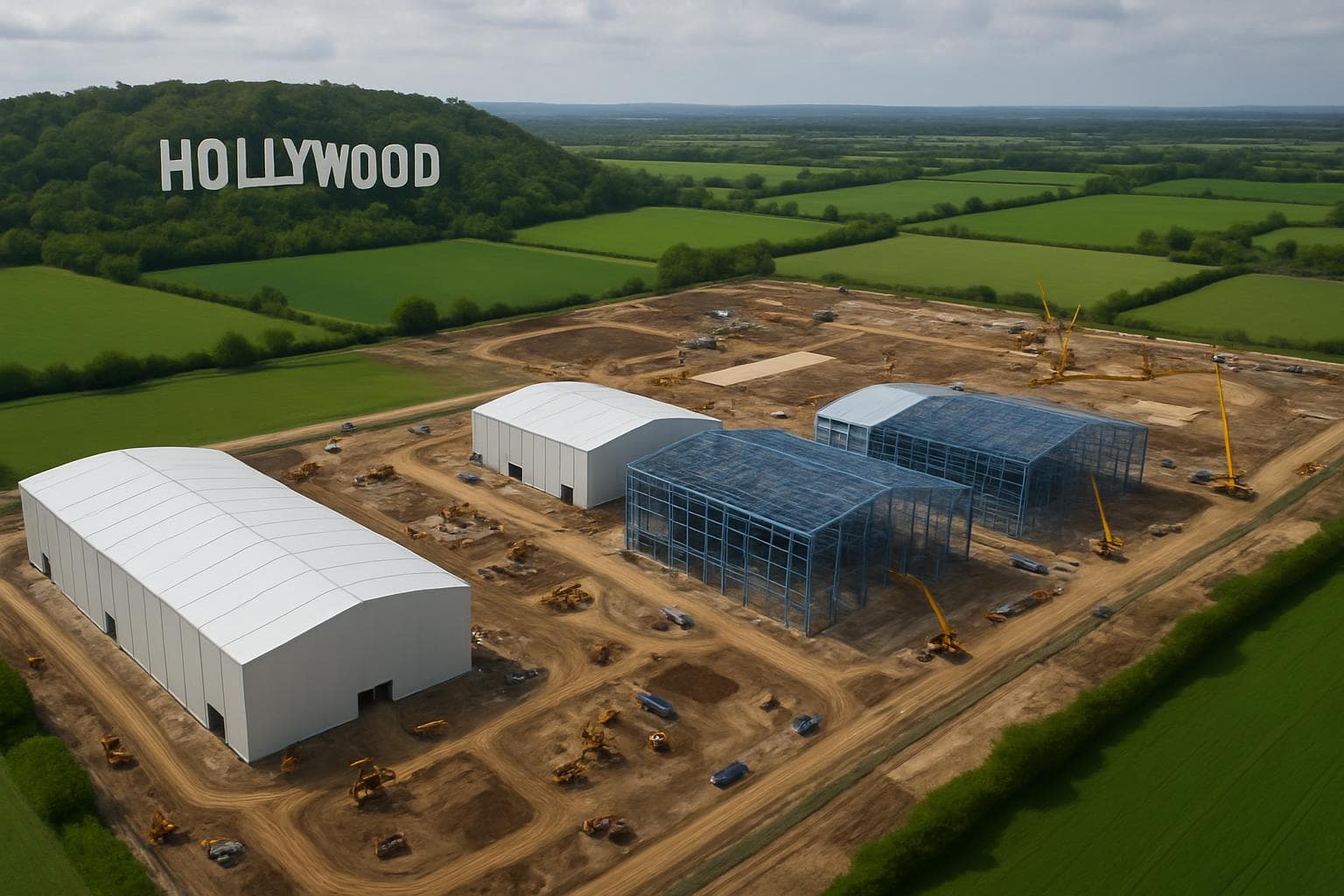
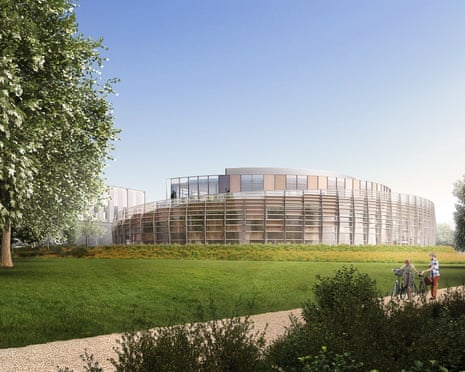
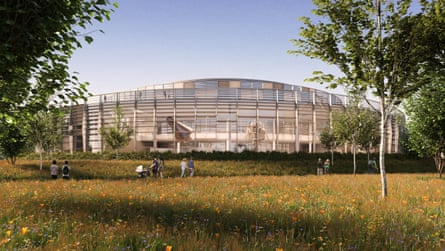
In a contentious decision, the UK government has granted planning permission for the £750 million Marlow Film Studios project, set to be built on green belt land in Buckinghamshire. This decision overturns a previous rejection by Buckinghamshire Council, which had cited concerns over traffic, biodiversity, and landscape impact.
Economic Boost vs. Environmental Concerns
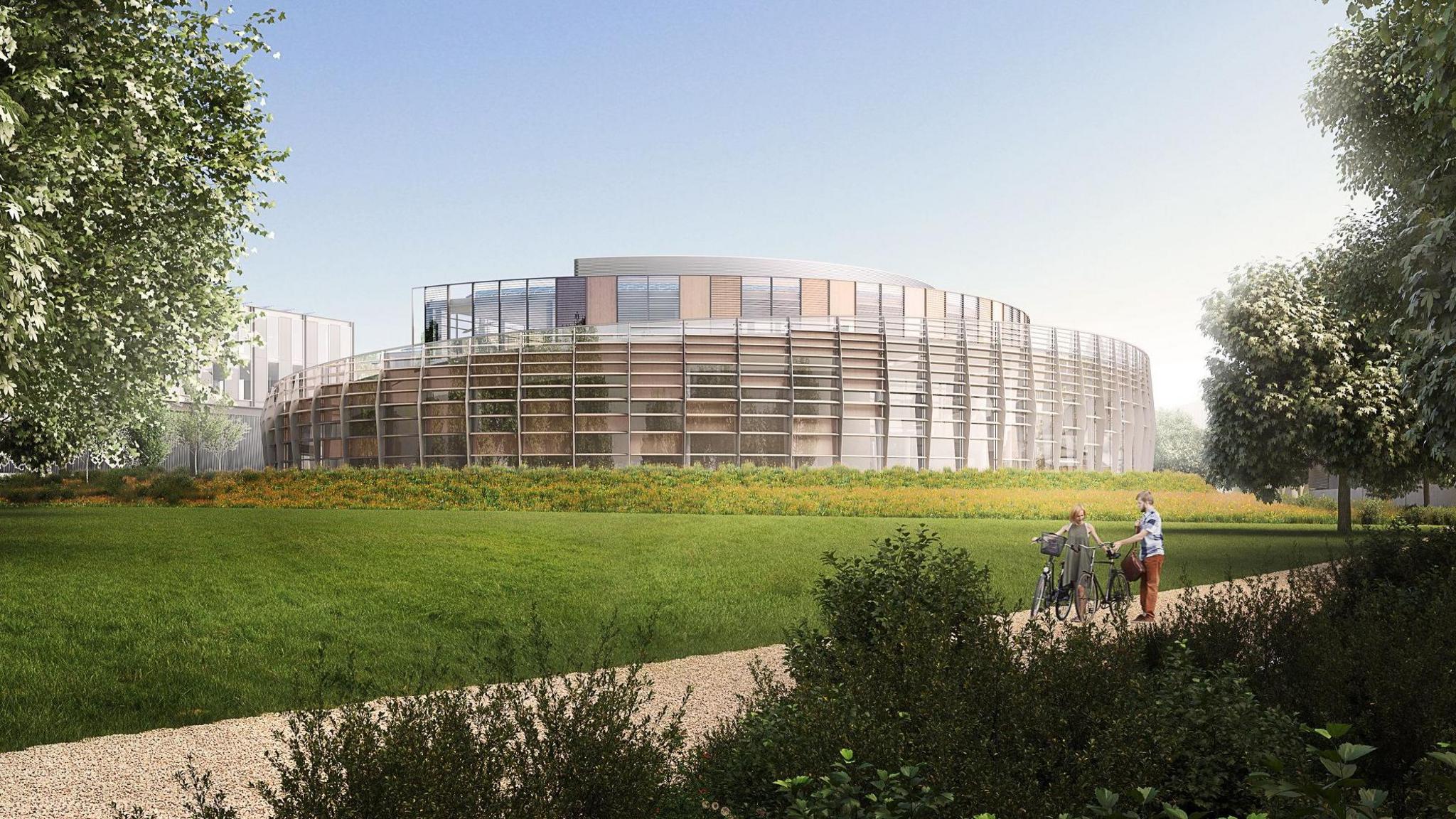
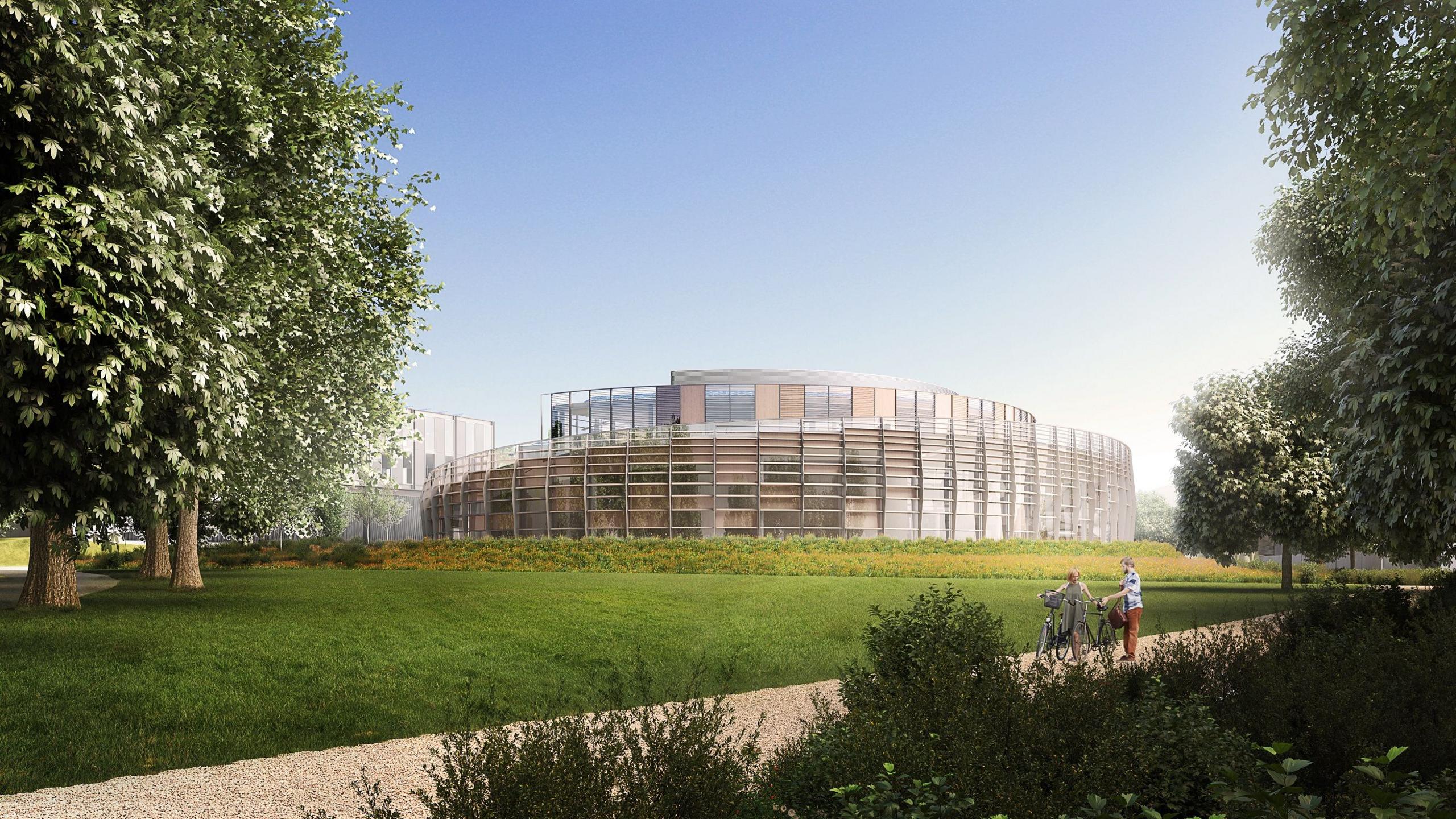
The development, spearheaded by Dido Property Limited, promises to create 4,000 jobs and includes 18 sound stages, workshops, and a Culture and Skills Academy. The project has garnered support from Hollywood heavyweights such as James Cameron and Sam Mendes, who view it as a significant investment in the UK's creative industries. Robert Laycock, CEO of Marlow Film Studios, described the approval as a "real vote of confidence" in the sector.
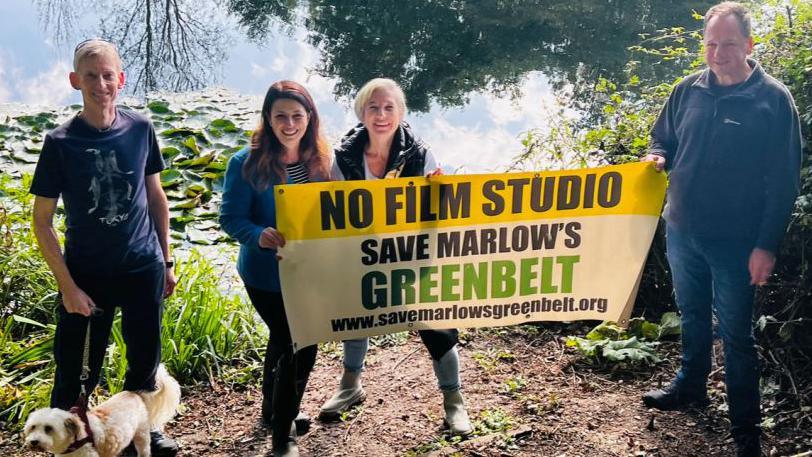
However, the decision has sparked outrage among local residents and environmental groups. Joy Morrissey, Conservative MP for Beaconsfield, expressed her disappointment, stating that the development "threatens the integrity of our green belt." Campaign group Save Marlow's Greenbelt echoed these sentiments, arguing that the project would cause "significant and lasting harm" to the environment.
Government's Growth Agenda
The approval comes as part of a broader government strategy to prioritize economic growth. Housing Minister Matthew Pennycook emphasized that the economic benefits of the studio, including job creation and global investment, outweigh the potential environmental impacts. This stance aligns with Labour's growth agenda, as highlighted by Chancellor Rachel Reeves.
Despite the government's decision, local opposition remains steadfast. Anna Crabtree, a Liberal Democrat on Buckinghamshire Council, criticized the planning process as "ill-thought-out," while Conservative councillor Peter Strachan lamented the disregard for local concerns.
WHAT THIS MIGHT MEAN
The approval of Marlow Film Studios could set a precedent for future developments on green belt land, potentially leading to more conflicts between economic interests and environmental preservation. As the project progresses, it will be crucial to monitor its impact on the local ecosystem and community. The decision also serves as a litmus test for Labour's commitment to balancing economic growth with environmental sustainability. Should the project succeed in delivering its promised economic benefits, it may bolster the government's growth agenda. However, continued local opposition could lead to further legal challenges or policy revisions in the future.
Images from the Web


Related Articles

UK Government Eases Deer Culling to Protect Woodlands and Farmland
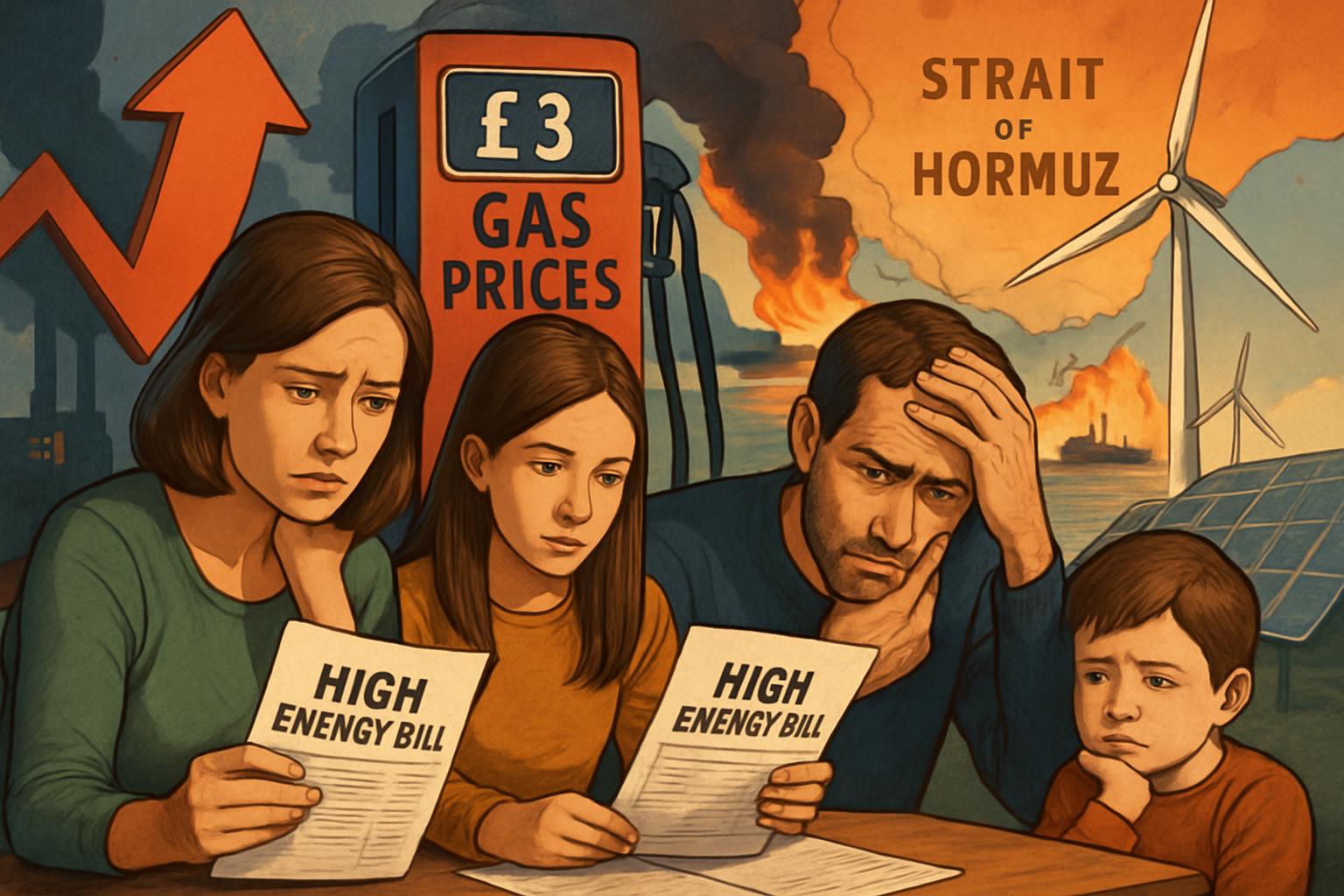
Middle East Conflict Drives UK Energy Prices to New Highs

Government Announces £4 Billion Overhaul of SEND Support in England

UK Government Announces Major Overhaul of SEND System with £3.4 Billion Investment

Prince Andrew's Ties to Epstein Under Scrutiny Amid Calls for Inquiry

Government Criticized for Mishandling Maccabi Tel Aviv Fan Ban
Government Greenlights Controversial Marlow Film Studios on Green Belt Land
In This Article
 Leila Hassan| Published
 HIGHLIGHTS
- The UK government has approved the construction of Marlow Film Studios on green belt land, overturning a previous rejection by Buckinghamshire Council.
- The £750 million project is expected to create 4,000 jobs and has received backing from prominent filmmakers like James Cameron and Sam Mendes.
- Local opposition, including campaign group Save Marlow's Greenbelt, argues the development will harm the environment and local community.
- Housing Minister Matthew Pennycook stated the economic benefits of the project outweigh potential environmental impacts.
- The decision is seen as a test of Labour's commitment to prioritizing economic growth over local concerns.
In a contentious decision, the UK government has granted planning permission for the £750 million Marlow Film Studios project, set to be built on green belt land in Buckinghamshire. This decision overturns a previous rejection by Buckinghamshire Council, which had cited concerns over traffic, biodiversity, and landscape impact.
Economic Boost vs. Environmental Concerns
The development, spearheaded by Dido Property Limited, promises to create 4,000 jobs and includes 18 sound stages, workshops, and a Culture and Skills Academy. The project has garnered support from Hollywood heavyweights such as James Cameron and Sam Mendes, who view it as a significant investment in the UK's creative industries. Robert Laycock, CEO of Marlow Film Studios, described the approval as a "real vote of confidence" in the sector.
However, the decision has sparked outrage among local residents and environmental groups. Joy Morrissey, Conservative MP for Beaconsfield, expressed her disappointment, stating that the development "threatens the integrity of our green belt." Campaign group Save Marlow's Greenbelt echoed these sentiments, arguing that the project would cause "significant and lasting harm" to the environment.
Government's Growth Agenda
The approval comes as part of a broader government strategy to prioritize economic growth. Housing Minister Matthew Pennycook emphasized that the economic benefits of the studio, including job creation and global investment, outweigh the potential environmental impacts. This stance aligns with Labour's growth agenda, as highlighted by Chancellor Rachel Reeves.
Despite the government's decision, local opposition remains steadfast. Anna Crabtree, a Liberal Democrat on Buckinghamshire Council, criticized the planning process as "ill-thought-out," while Conservative councillor Peter Strachan lamented the disregard for local concerns.
WHAT THIS MIGHT MEAN
The approval of Marlow Film Studios could set a precedent for future developments on green belt land, potentially leading to more conflicts between economic interests and environmental preservation. As the project progresses, it will be crucial to monitor its impact on the local ecosystem and community. The decision also serves as a litmus test for Labour's commitment to balancing economic growth with environmental sustainability. Should the project succeed in delivering its promised economic benefits, it may bolster the government's growth agenda. However, continued local opposition could lead to further legal challenges or policy revisions in the future.
Images from the Web
Related Articles
UK Government Eases Deer Culling to Protect Woodlands and Farmland
Middle East Conflict Drives UK Energy Prices to New Highs
Government Announces £4 Billion Overhaul of SEND Support in England
UK Government Announces Major Overhaul of SEND System with £3.4 Billion Investment
Prince Andrew's Ties to Epstein Under Scrutiny Amid Calls for Inquiry
Government Criticized for Mishandling Maccabi Tel Aviv Fan Ban